- About Us
- Public Information
- TU Offices & Contact Information
- Senior Staff
- Vice Presidents
- Eastern Conservation - Staff Directory
- Watershed Restoration - Staff Directory
- Western Water Project - Staff Directory
- Sportsmen's Conservation Project - Staff Directory
- California - Staff Directory
- Alaska - Staff Directory
- Pacific Salmon - Staff Directory
- Science - Staff Directory
- Staff Contact Form
- Education
- Jobs
- Internships
- Friends of TU
- Corporate Sponsors
- Member Marketplace
- Outfitter, Guide & Business Members
- Alaska
- Arkansas
- California
- Colorado
- Connecticut
- District of Columbia
- Georgia
- Idaho
- Maine
- Maryland
- Massachusetts
- Michigan
- Minnesota
- Missouri
- Montana
- New Hampshire
- New Jersey
- New Mexico
- New York
- North Carolina
- Ohio
- Oklahoma
- Oregon
- Pennsylvania
- Rhode Island
- South Carolina
- Tennessee
- Texas
- Utah
- Vermont
- Virginia
- Washington
- West Virginia
- Wisconsin
- Wyoming
- Argentina
- Bahamas
- Canada
- Kenya
- Spain
- Council-Chapter Search
- Ask Trout Unlimited
- Member Services
- Press Room
- Trout Magazine
- TU Blog
- On The Rise
- TU Newsletter - Current Edition
- Press Releases
- TU in the News Archive
- Acid Rain
- Advocacy
- Alaska
- Atlantic Salmon
- Brook Trout
- California
- Climate Change
- Colorado Water Project
- Driftless
- Eastern Conservation
- Energy
- Forest Rules
- Idaho Water Project
- Local Chapters
- Mining
- Miscellaneous
- Montana Water Project
- Native Fish
- ORVs and ATVs
- Pacific Salmon
- Roadless
- South Fork Snake
- Sportsmen's Conservation Project
- Utah Water Project
- Watersheds
- Wyoming Water Project
- Youth
- Conservation
- Conservation Library
- Pacific Northwest Salmon
- Alaska
- California
- Western Water Project
- Eastern Conservation
- Sportsmen's Conservation Project
- Watershed Restoration - Home Rivers Initiative
- Embrace-A-Stream
- American Fork, UT (2004-2006)
- Apache Trout, AZ
- Bear River, ID, WY, UT
- Coal Creek (WY) Fish Screen
- Cottonwood Creek (ID) Fish Screen
- Cub River (ID) Fish Passage
- East Fork Bear River (UT) Fish Screen
- Fish Haven Creek (ID) Reconnection
- Grade Creek Reconnection
- Ovid Creek Fish Screen
- Paris Creek (ID) Culvert Replacement
- Rock Creek (WY) Reconnection and Fish Screen
- St. Charles Creek (ID) Fish Passage
- Swan Creek (UT) Fish Screen
- Thomas Fork Fish Passage and Habitat Restoration
- Beaverkill-Willowemoc Rivers, NY (1994-2002)
- Boise River, ID
- Coaster Brookies, MN, WI, MI, ON
- Deep Creek, UT/NV
- Driftless, WI, MN, IA, IL
- Jefferson River, MT
- Kettle Creek, PA (1998-2006)
- Kickapoo River, WI (1996-1999)
- Maggie Creek, NV
- Middle Clark Fork, MT
- Cedar Creek Habitat Restoration
- East Fork Rock Creek Riparian Fencing
- Eustache Creek Mine Reclamation
- Little McCormick Creek Mine Reclamation
- Mattie V Creek Mine Reclamation
- Middle Clark Fork River Watershed Analysis
- Ninemile Creek Aerial Photography
- Rattlesnake Creek Water Quality Monitoring
- St. Louis Creek Mine Reclamation
- St. Regis River Culvert Analysis
- Musconetcong River, NJ
- Nash Stream, NH
- North Coast Coho, CA
- Penobscot River, ME
- Potomac Headwaters, WV
- Rio De Las Vacas, NM
- Snake River, CO and Mine Restoration
- S. Fork Snake River, ID
- Upper Connecticut River, VT, NH
- Willow Creek, NV
- W. Branch Susquehanna River, PA
- Small Dams
- Abandoned Mines - Western US
- Action Center
- Science
- Conservation Success Index
- Apache Trout
- Big Lost Mountain Whitefish
- Big Lost Wild Trout
- Bonneville Cutthroat
- Brook Trout
- California Golden Trout
- Colorado River Cutthroat
- Driftless Area Brook Trout
- Eagle Lake Rainbow Trout
- Greenback Cutthroat
- Little Kern Golden Trout
- McCloud River Redband Trout
- North Platte Wild Trout
- Paiute Cutthroat Trout
- Rio Grande Cutthroat
- Snake River Finespotted Cutthroat
- Westslope Cutthroat
- Yellowstone Cutthroat
- CSI - User Guide (pdf-4.5mb)
- CSI - Methods
- Acceptable Use / Privacy Policy
- Science Team CSI Reports
- Climate Change
- Aquatic Invasive Species (AIS)
- About the Science Team
- Science Team Publications
- Conservation Success Index
- Join the Community
- Become a Member
- Renew Membership
- Stream Explorers Membership
- Life Membership
- Major Donors (CCF)
- Join TU's Coldwater Conservation Fund
- Trips
- Bulkely & Morice Rivers, British Columbia 2010
- Carrileufu Valley Lodge and Chubut Float
- Delaware River, New York
- Fall Blitz, New York
- Gunnison River Gorge, Colorado
- Healing Waters Lodge, Montana
- South Holston-Watauga Rivers, Tennessee
- Spruce Creek, Pennsylvania
- Women's Only Trip: Henry’s Fork, Idaho
- Bulkley/Morice Rivers
- North Fork Crossing Lodge
- Los Roques
- Northern Patagonia
- Projects
- Create Your Legacy
- The Complete Angler
- Preferred Membership
- Outfitters, Guides & Businesses
- Donate
- Legislation Introduced to Preserve and Protect Lake Tahoe
- Westlake man honored for trout conservation work

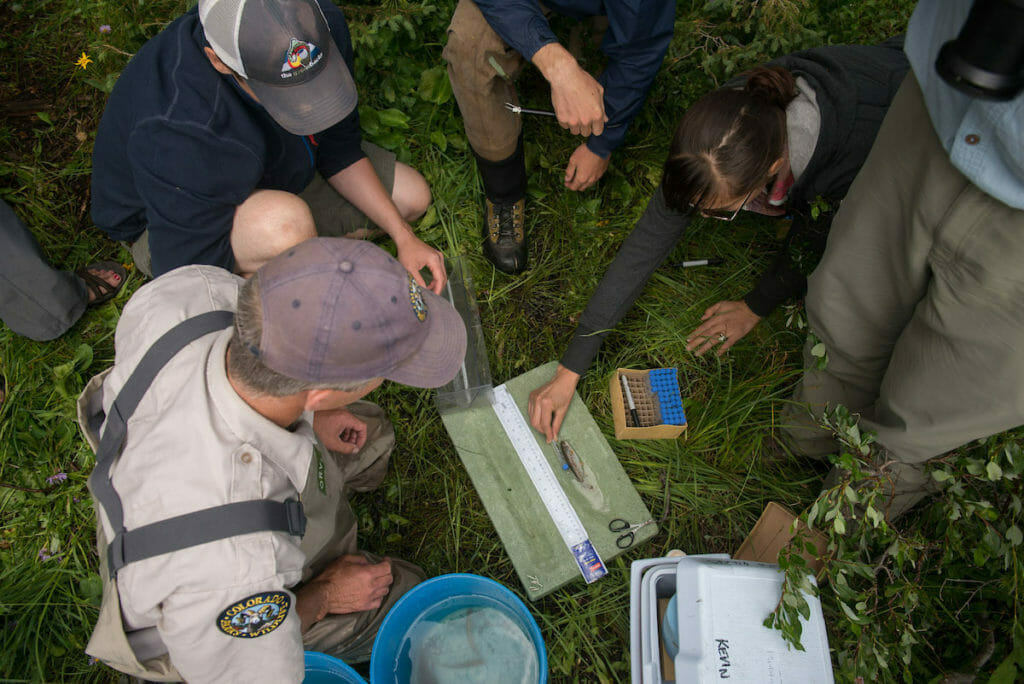
We are often asked whether our projects have succeeded in improving the status of our native coldwater fishes, and the rate of this improvement. Trout Unlimited has developed the Conservation Success Index (CSI) as a tool to answer these questions and to establish conservation priorities. The CSI integrates data from state and federal trout population assessments with habitat and threat data collected by our staff scientists to create a common analytical framework applicable to all native coldwater salmonids.
Researched and written by Trout Unlimited scientists, Healing Troubled Waters represents TU's work to date on how trout and salmon will fare in the wake of climate change. Through computer modeling, the report offers maps detailing where climate change will have the greatest impact. The report offers opportunities for restoring and protecting areas that will be most affected by climate change and it offers concrete actions that can be taken to help these fish build resilience to climate change.
The introduction of non-native species ranks second only to the loss of habitat as a threat to our native fish, wildlife and plant populations. Many species have been introduced into North American aquatic ecosystems accidentally and intentionally, with devastating results. In some areas of the west, such as Arizona, non-native fish populations outnumber those of natives. TU’s guide to aquatic nuisance species highlights the most prevalent organisms threatening our freshwater fisheries, how they got here and what can be done to mitigate their effects.