Conservation Towns
Celebrating Rural America
What are Conservation Towns?
In America’s “Conservation Towns,” rural communities that survived the past century’s boom-and-bust cycles are building new blueprints for economic success by tapping into their most important assets: the rivers and streams, public lands and wild landscapes that have always sustained them.
At Trout Unlimited, we are putting a spotlight on these communities at the heart of the work we do to care for and recover rivers and streams, because the leaders in these communities embody the conservation spirit and model what it means to be a champion for your rivers, your communities and your fisheries.
“America needs to develop our natural resources, and conservation towns are a celebration of how to do that in a smart and collaborative manner,” says Chris Wood, TU’s president and CEO. “Trout Unlimited works with large and small communities across the country, helping them to care for and recover our nation’s cherished public lands and waters. We’re proud to spotlight these communities, their river champions, and the innovative approaches they’ve taken to make the lives of people in their community better.”
In all the Conservation Towns that TU is highlighting this year, collaboration, compromise, dedication and innovation are recipes for conservation success. Together they represent the conservation initiative and drive happening across rural America every day.
These are the towns rolling up their sleeves, getting dirt under their fingernails, and doing the work to care for and recover America’s incredible public lands and waters.
Our 2026 Champion:
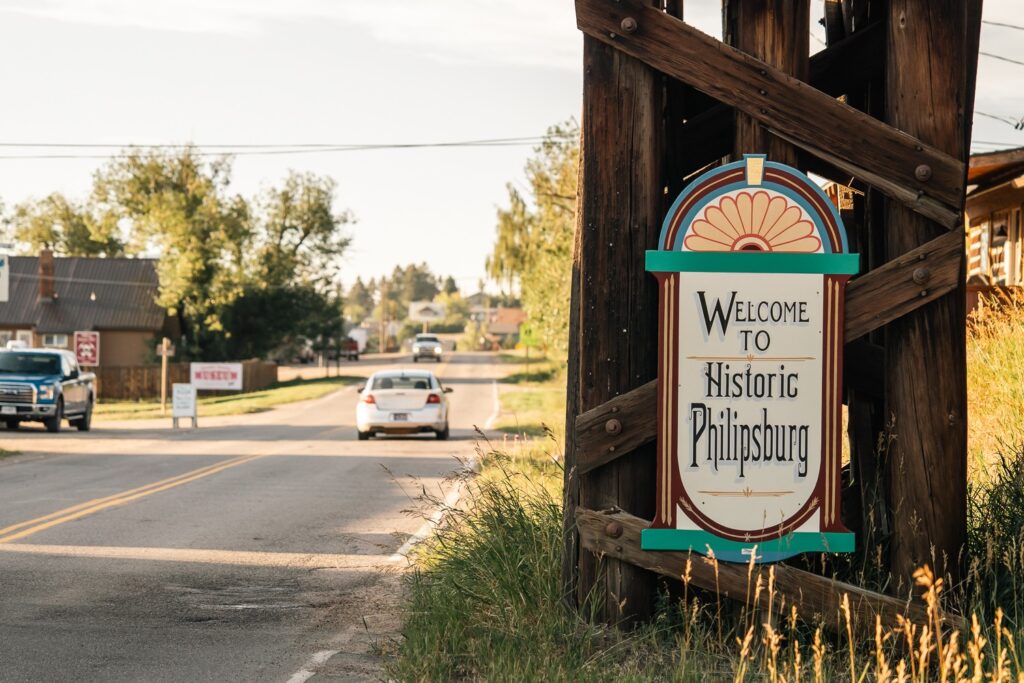
Philipsburg, Montana
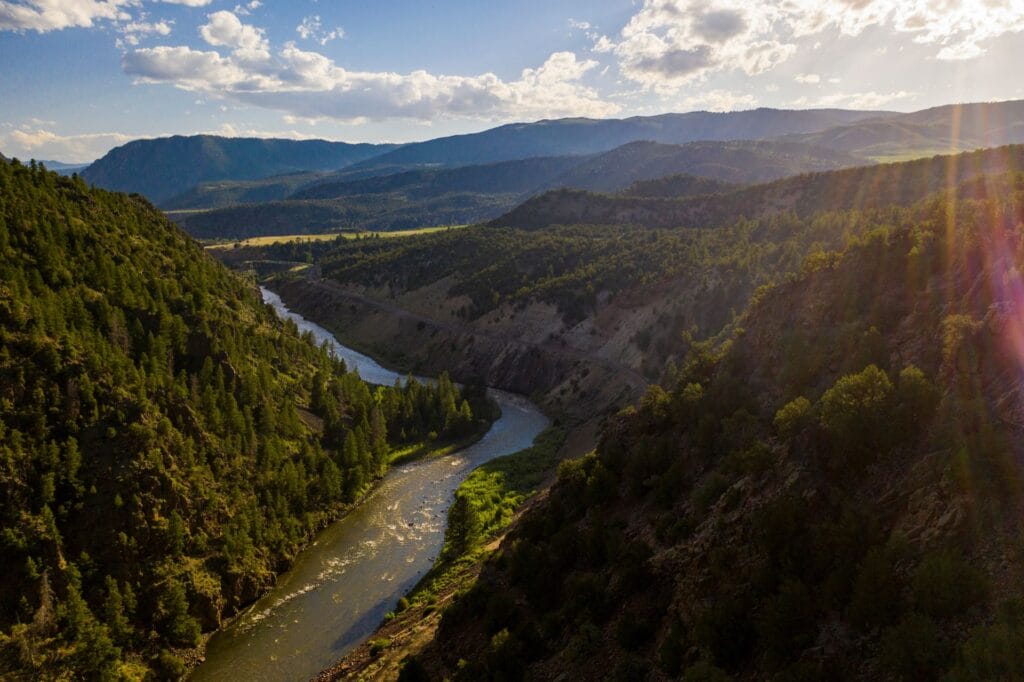
Honorable Mention: Gunnison, Colorado
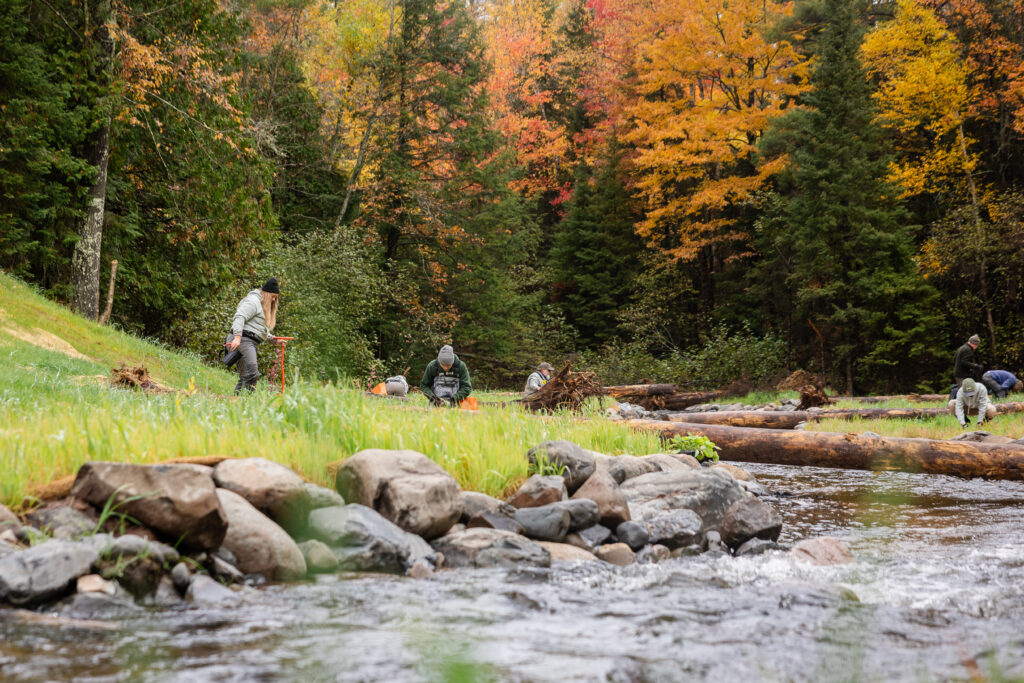
Honorable Mention: Florence, Wisconsin
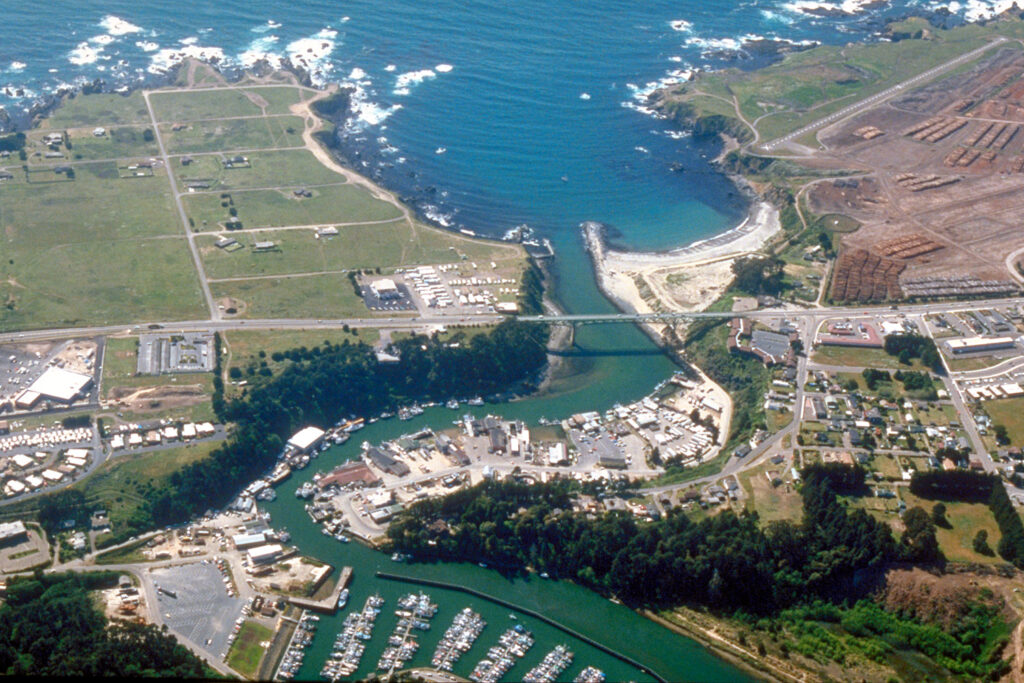
Honorable Mention: Fort Bragg, California
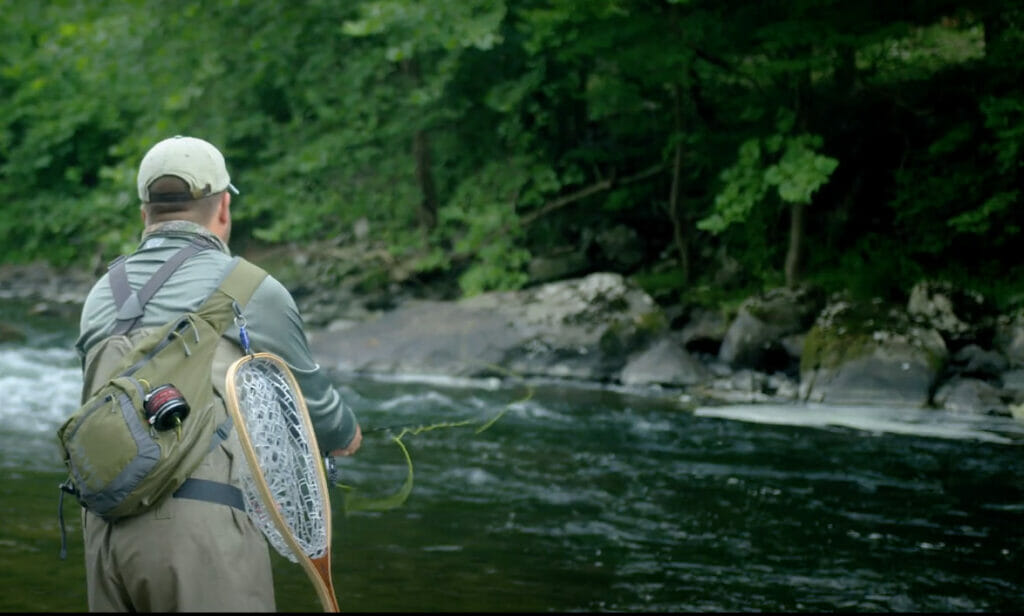
Honorable Mention: Rockland, New York
Boom and Bust: Philipsburg’s History
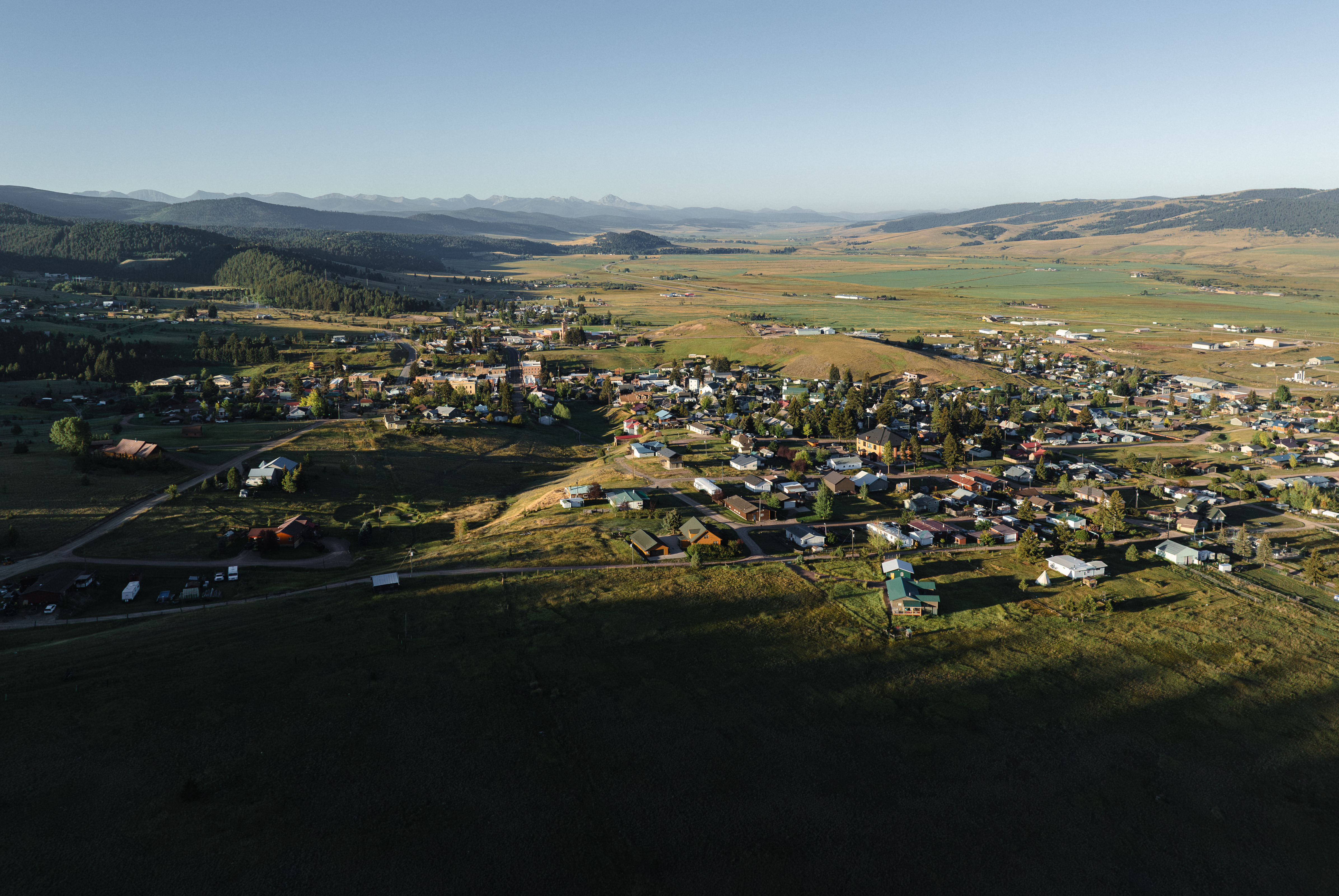
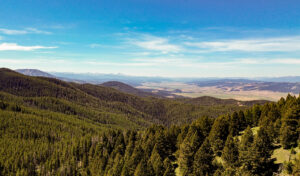
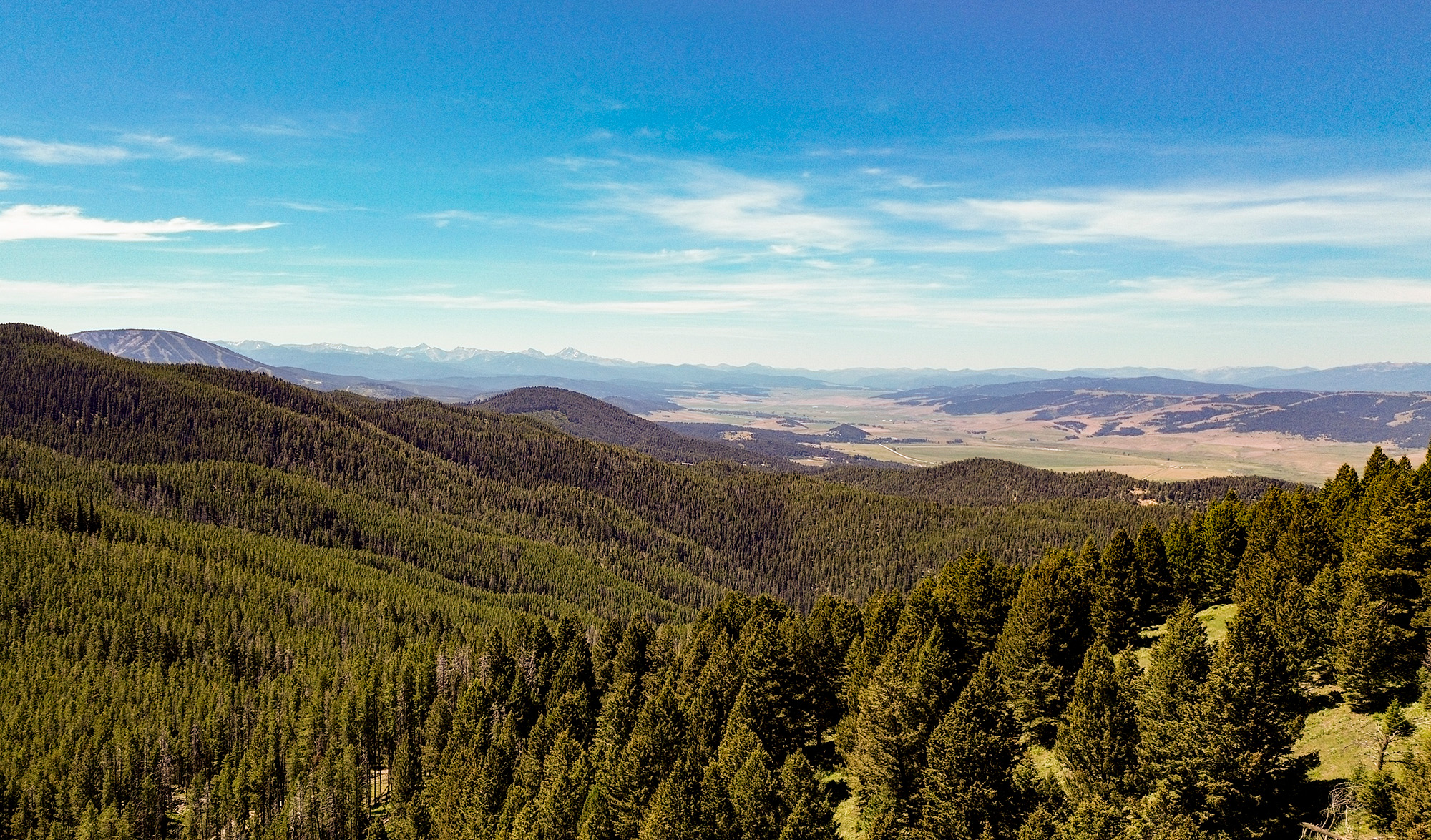
Nestled along the Continental Divide in southwest Montana, Philipsburg boasts approximately 800 people and serves as the seat of Granite County, which encompasses more than 1700 square miles of Blue Ribbon fishing, Beaverhead-Deerlodge and Lolo National Forests, the Anaconda-Pintler Wilderness, Georgetown Lake, Discovery Ski Area, Bureau of Land Management grazing lands, among other notable recreation opportunities.
Native Americans inhabited this area for thousands of years prior to European emigration. Tools, arrowheads, bison skulls, and religious sites have all been found near this valley.
Over the past 175 years, however, the Philipsburg valley’s economy traditionally stood on three legs: ranching, timber, and mining.
Following the same boom and bust cycles as many other mountain towns in the Rockies, the area experienced great demand for silver, manganese, lead, zinc, and other minerals. Sapphire mining also boomed, with watchmakers as far away as Switzerland buying the rare sapphires from Rock Creek to use as watch bearings.
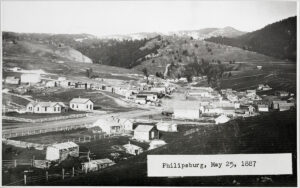
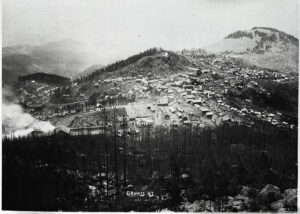
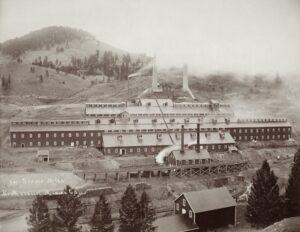
This demand attracted dreamers from around the world; Chinese and European immigrants, Civil War veterans, and others all settled in this area. This dynamic naturally led to the type of Wild West culture found in many boom towns of the period. The Philipsburg Pioneer Association charter, for example, asserted the right of its members, “to get decently drunk, and recognize a social game of cards, where money is not staked, as a necessity of our daily lives.”
Over the coming decades, this attitude did not change much either. In 1878, for example, the town’s population consisted of 600 men, four women, and four children of school age. Infamous clashes with local tribes like the Nez Pearce occurred, the town’s first brewery prospered right along with the mines, and fishing, baseball, and horseracing became popular pastimes.
What changed, however, was the need for greater infrastructure to feed the bourgeoning timber and mining industries.
Georgetown Lake, for example, which is heralded today as a premiere Blue Ribbon fishery and recreational jewel, was originally five hay ranches. A dam was constructed to create the lake and provide power to a nearby mine, mill, and the town a few miles uphill of Philipsburg named Granite. Additionally, Silver Lake – which is adjacent to Georgetown Lake – was created to serve the smelters downstream in Anaconda, Montana, in order to process copper from Butte’s massive mineral reserves – aka “The Richest Hill on Earth.” So much copper was mined from this area that by the early 1920s, the Anaconda Copper Mining Company was the fourth largest company in the world.
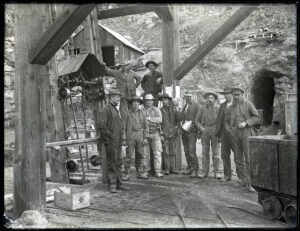
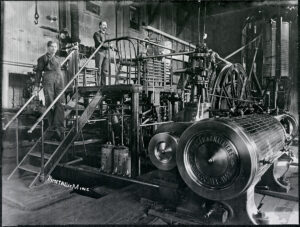
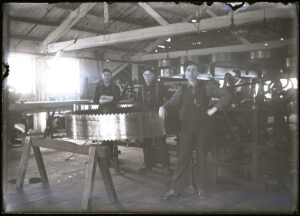
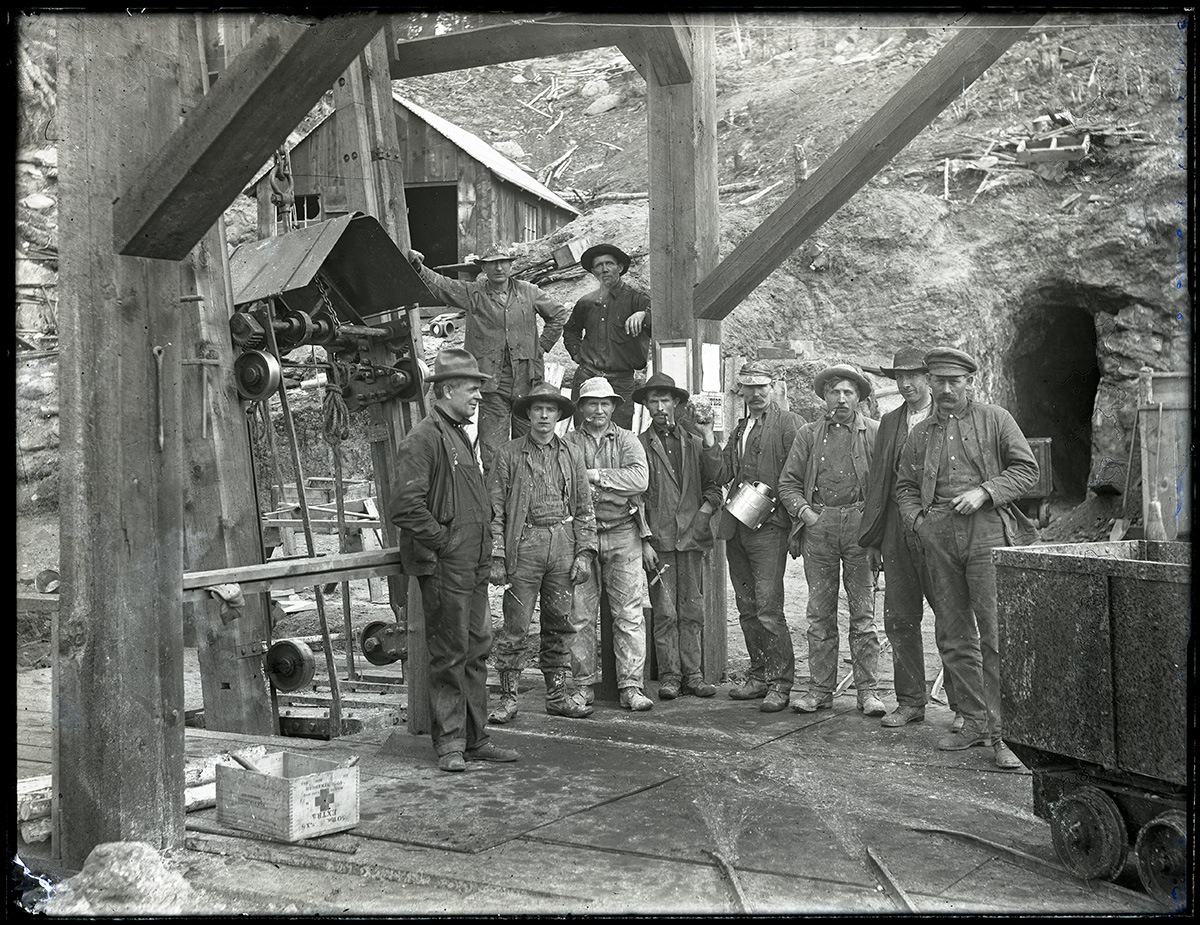
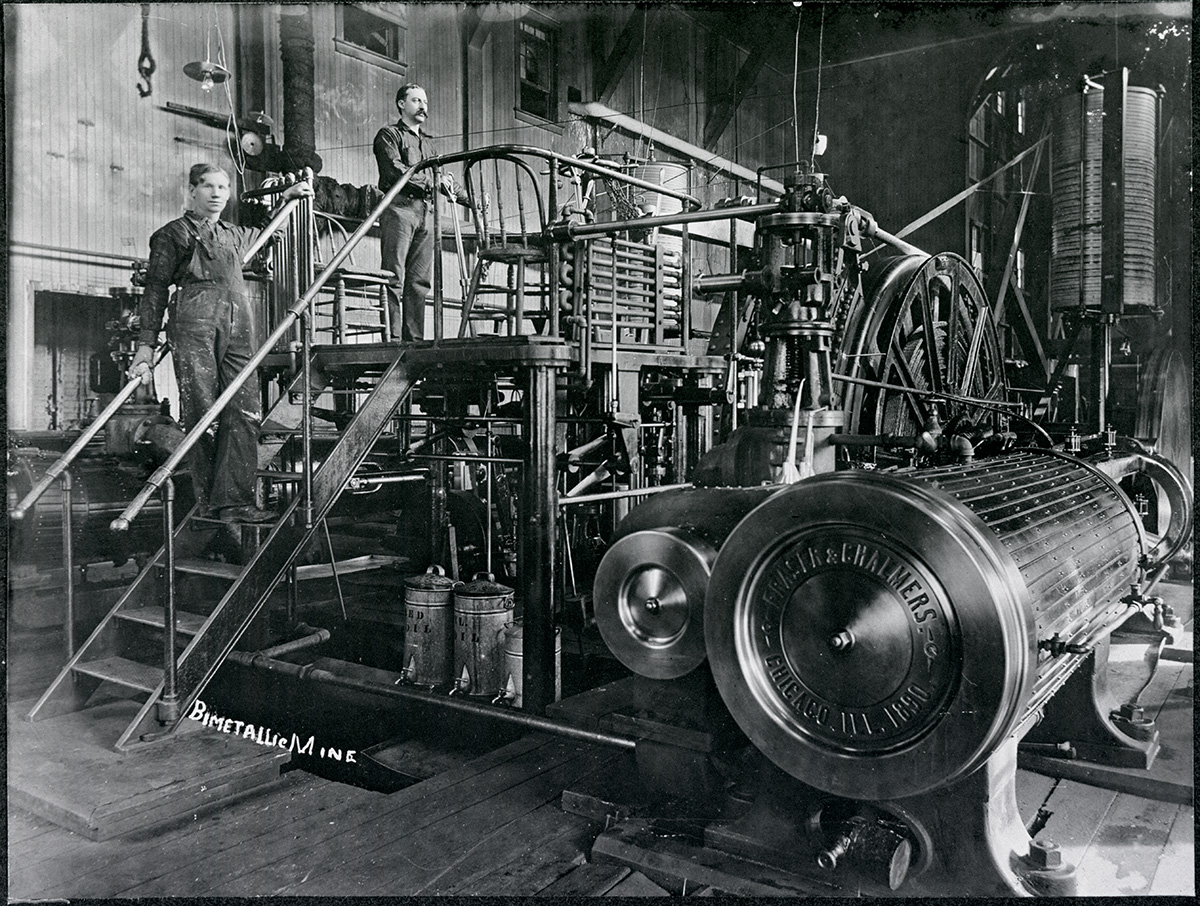
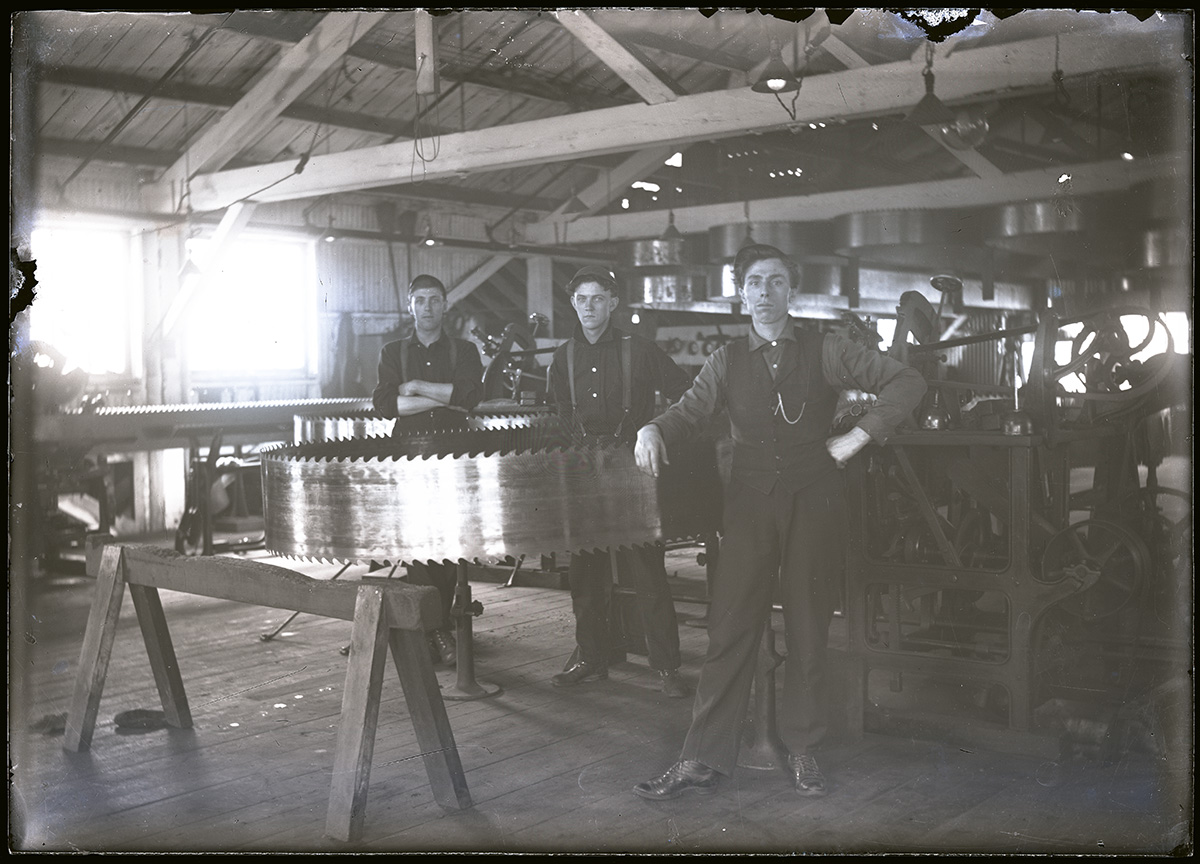
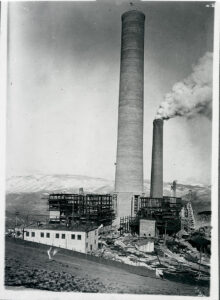
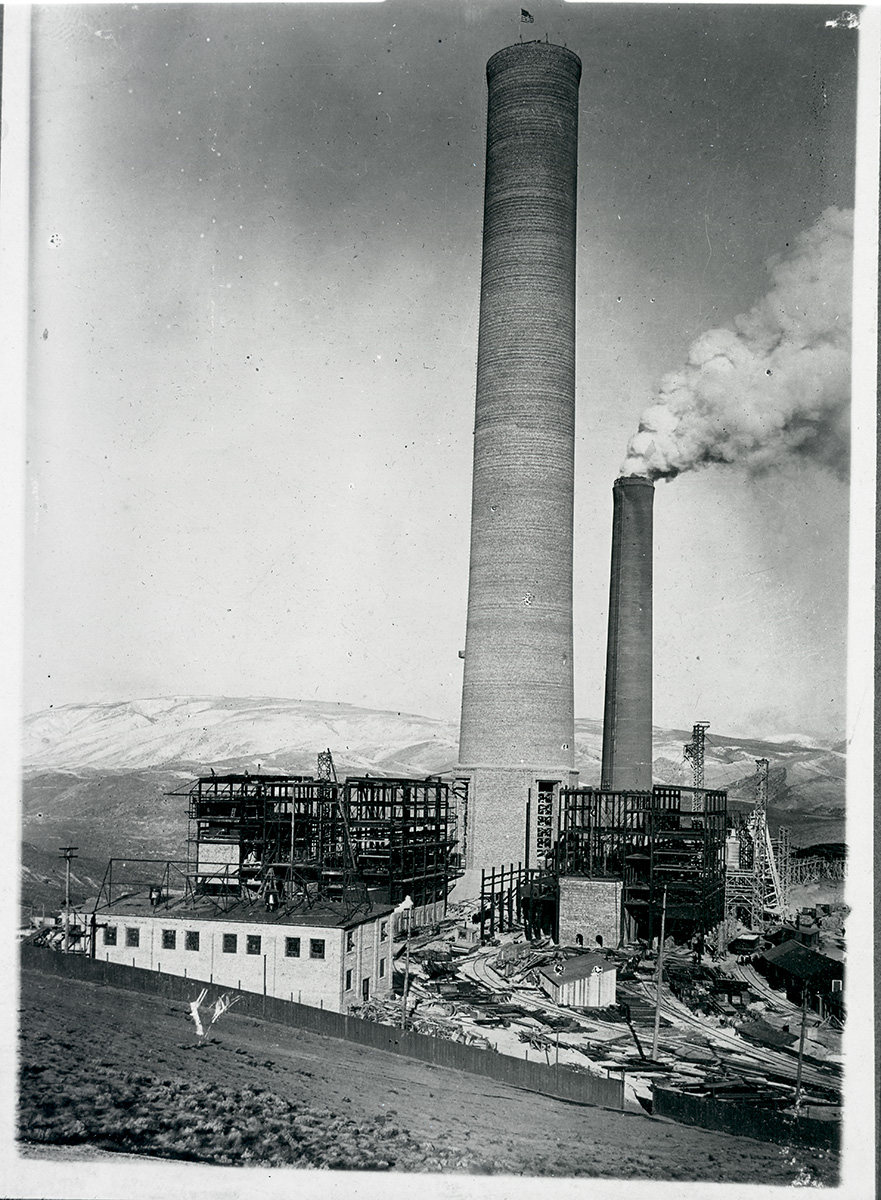
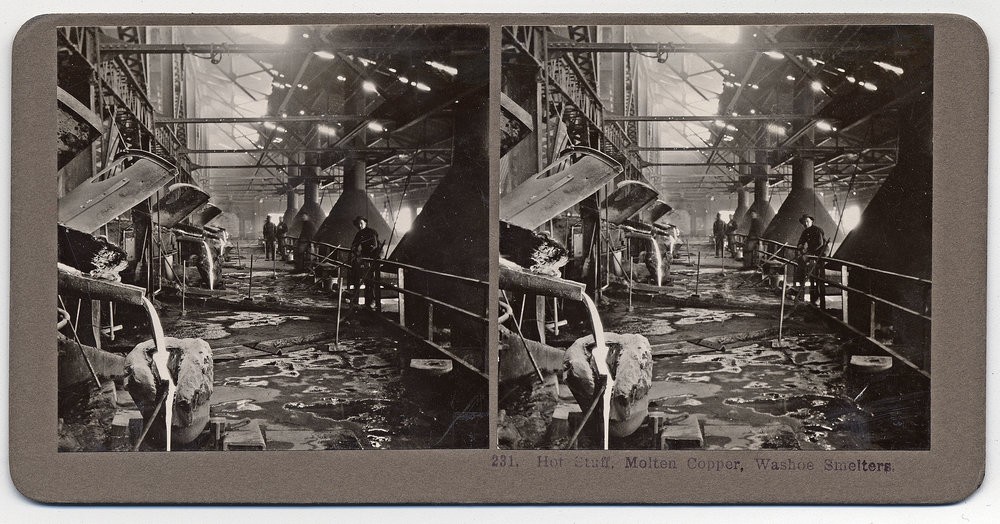
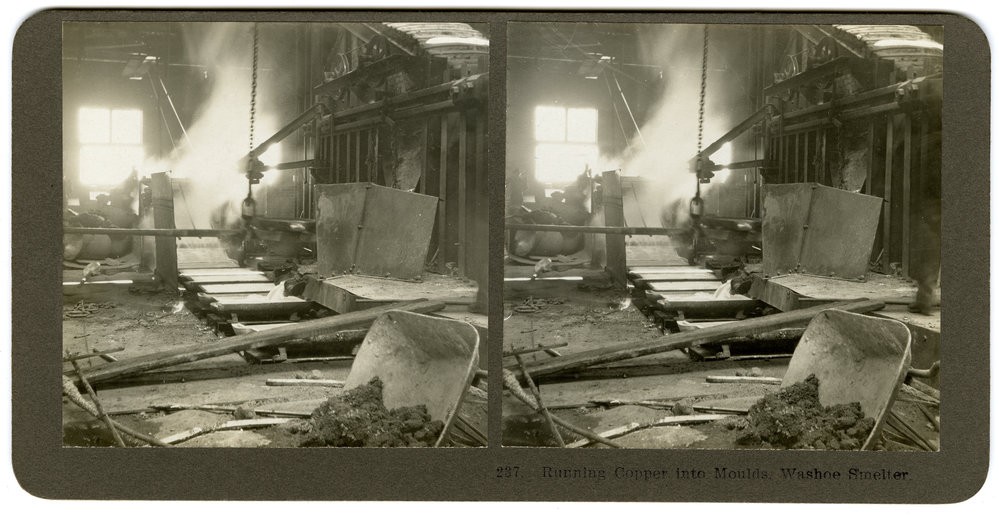
Collectively, this demand for industrial production within a 50-mile radius of Philipsburg created an intricate network of infrastructure that remains to this day across the valley, national forests, and waterways.
Roads, bridges, diversions, dams, cable transports, irrigation pipelines, railcar track, pumps, remote communities, man-made lakes, and dozens of mines sprung up in the surrounding landscapes. In 1921, for example, the American Gem Syndicate alone purchased 250,000 feet of timber to be used in the making of sluice boxes in the Philipsburg and Rock Creek districts after approximately 7 tons of sapphires were processed in these areas in the previous year.
All of this came to a head towards the end of the 20th century when the final bust cycle laid this part of Philipsburg’s history to rest.
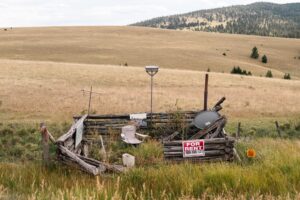
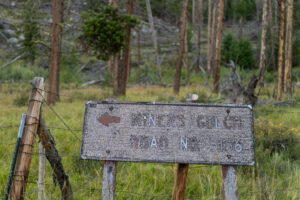
What remained were dozens of abandoned mines scattered across the national forests, ghost towns, and a worry for the future. Down the road near Anaconda, the Upper Clark Fork’s tributaries were particularly impacted, being named as part of the largest geographic complex of superfund sites in the country.
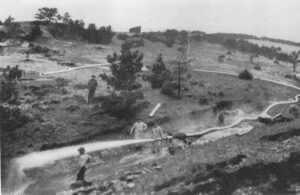
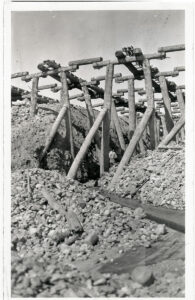
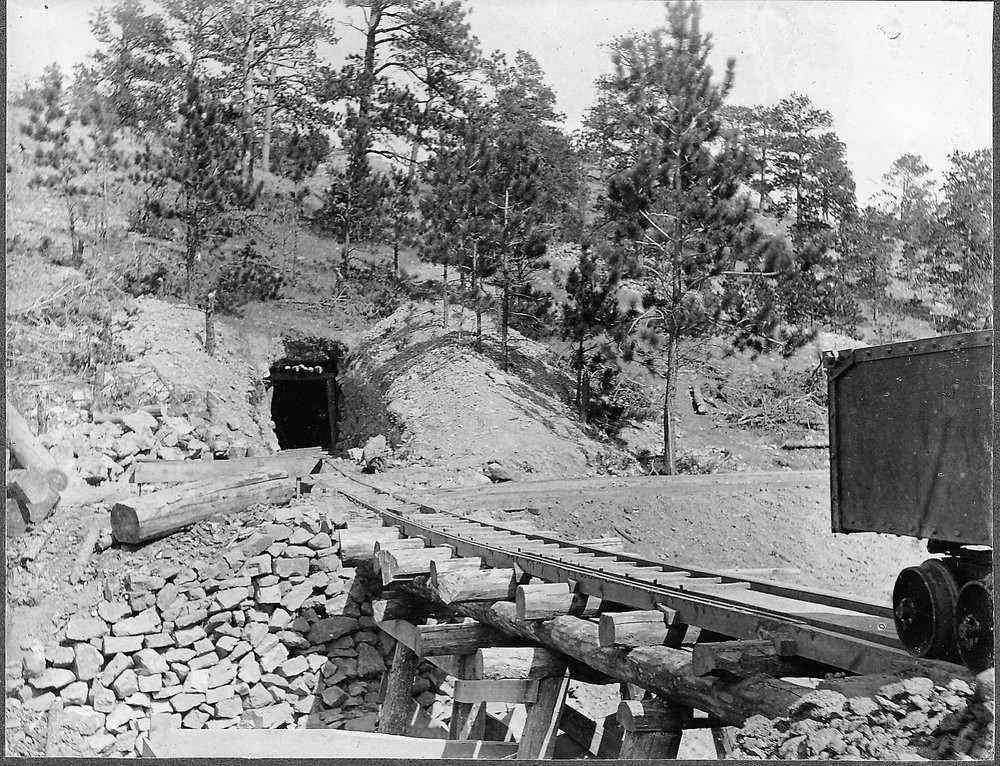
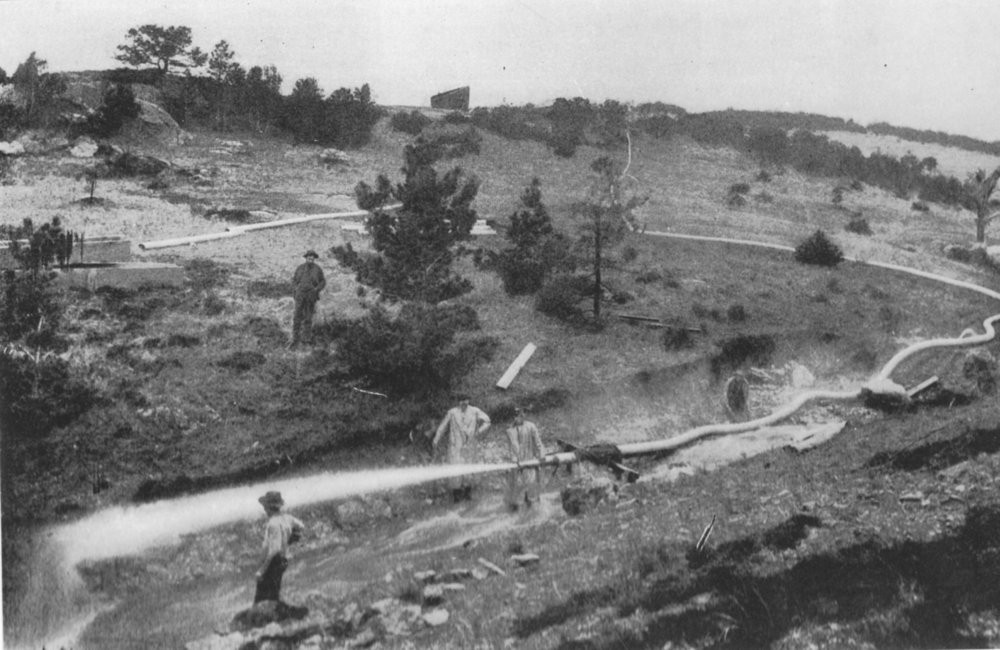
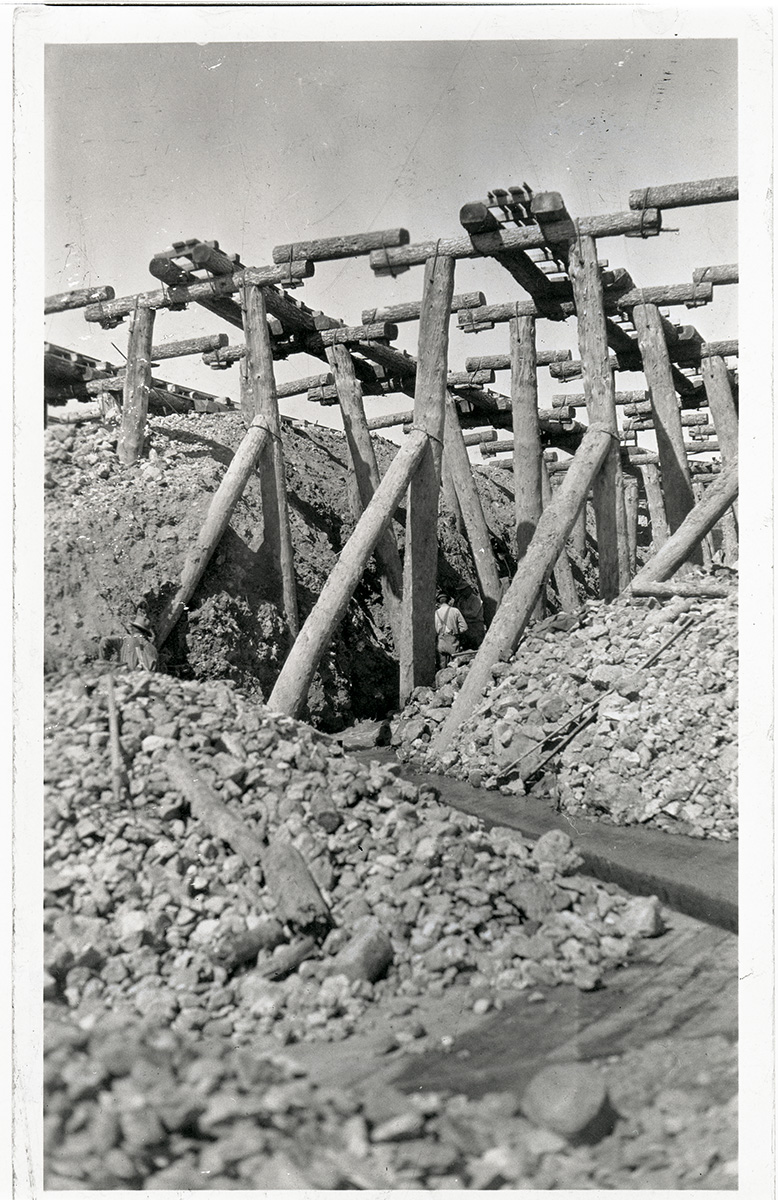
Capturing this time frame was the acclaimed Richard Hugo poem “Degrees of Gray in Philipsburg,” which depicted the loss of industry, malaise, and economic upheaval of the era:
“You might come here Sunday on a whim. Say your life broke down. The last good kiss you had was years ago.
You walk these streets laid out by the insane, past hotels that didn’t last, bars that did, the tortured try of local drivers to accelerate their lives.
Only churches are kept up. The jail turned 70 this year. The only prisoner is always in, not knowing what he’s done.”
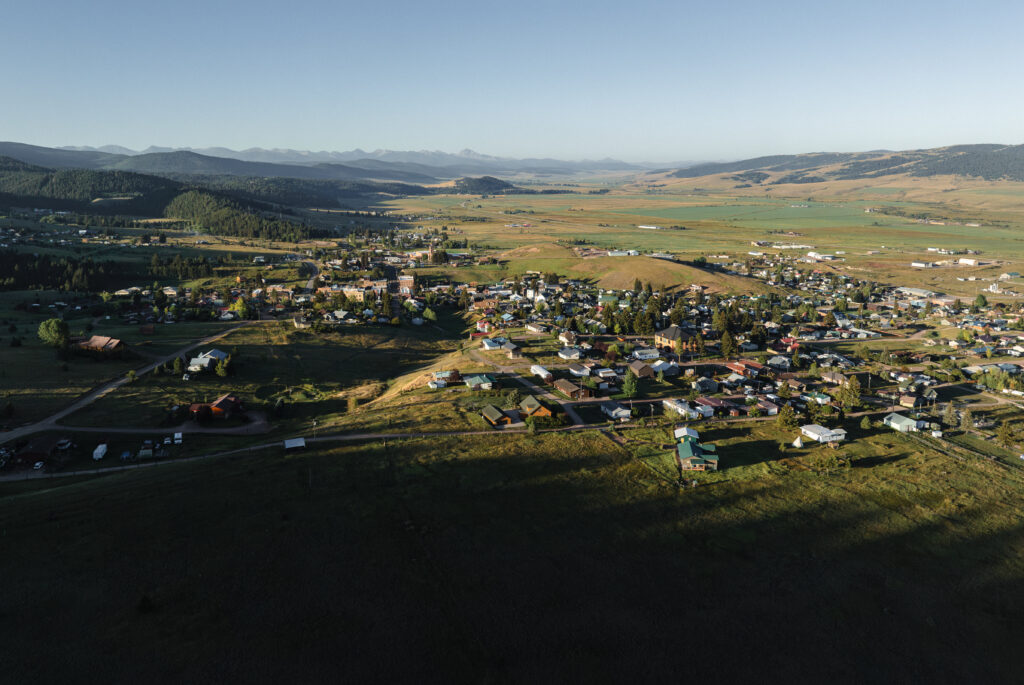
Creating a Vision: Philipsburg’s Revitalization
So, how did this community turn itself around? By focusing on what made them unique.
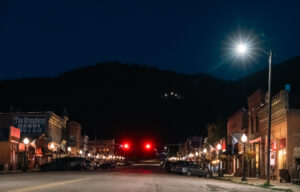
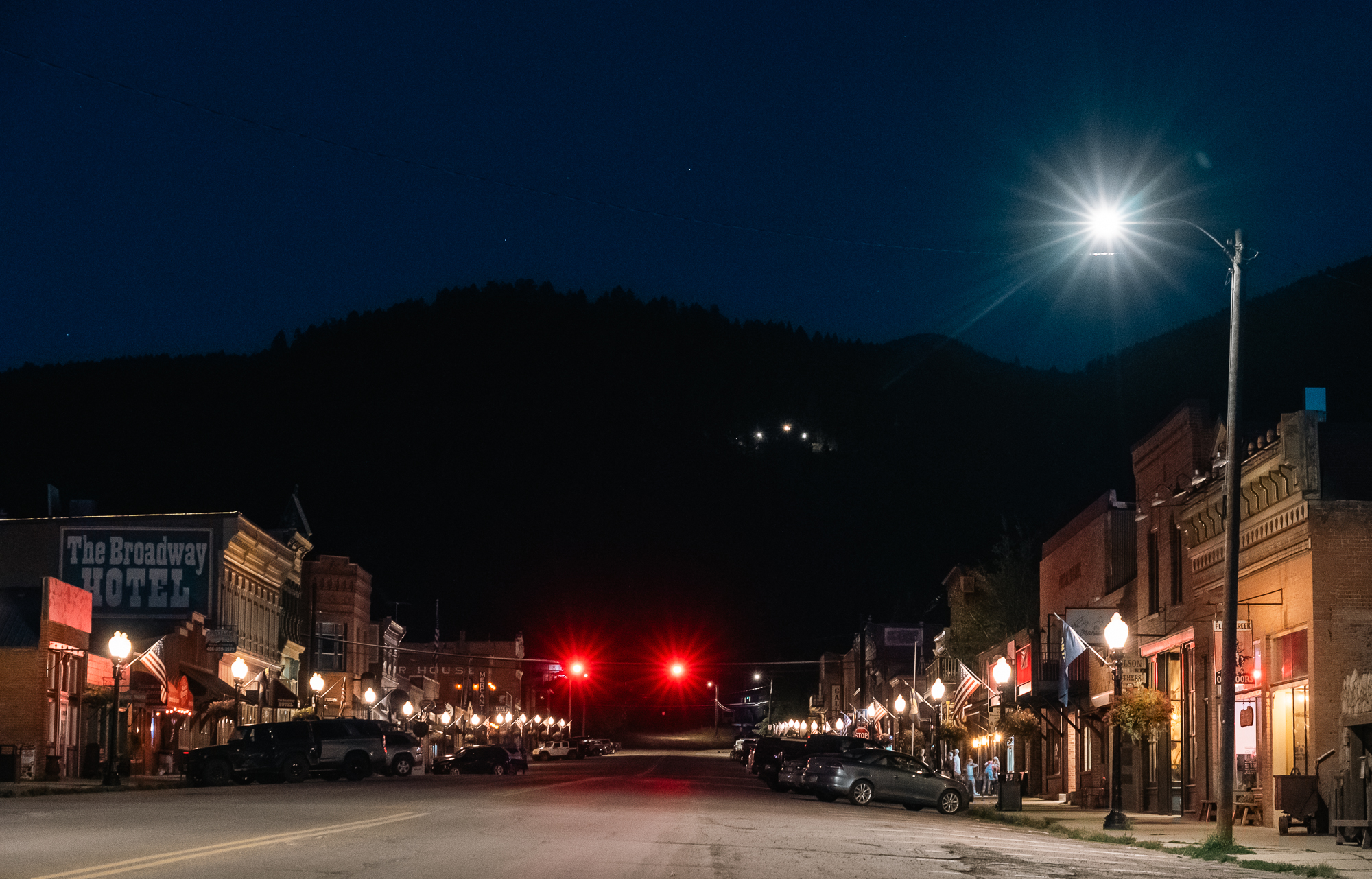
Thanks to a band of dreamers and proud locals, Philipsburg saw what others couldn’t: opportunity. Amidst the degrees of gray, they saw painted colors and realized they had unique and historic architecture.
Neighbors began helping neighbors renovate and paint these historic buildings, bootstrapping progress over nights and weekends. An affordable ski resort – which faced the same boom and bust cycles in its beginning – was built near Georgetown Lake, which began building its own reputation as a destination.
The town bank, realizing its own fate was tied with that of the community, offered affordable credit lines to those looking to make a difference in the community. Small businesses started appearing in vacant storefronts offering unique experiences ranging from homemade candy and family-friendly sapphire mining.
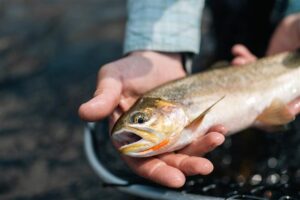


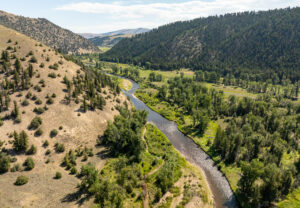
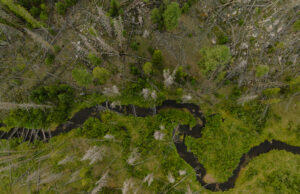


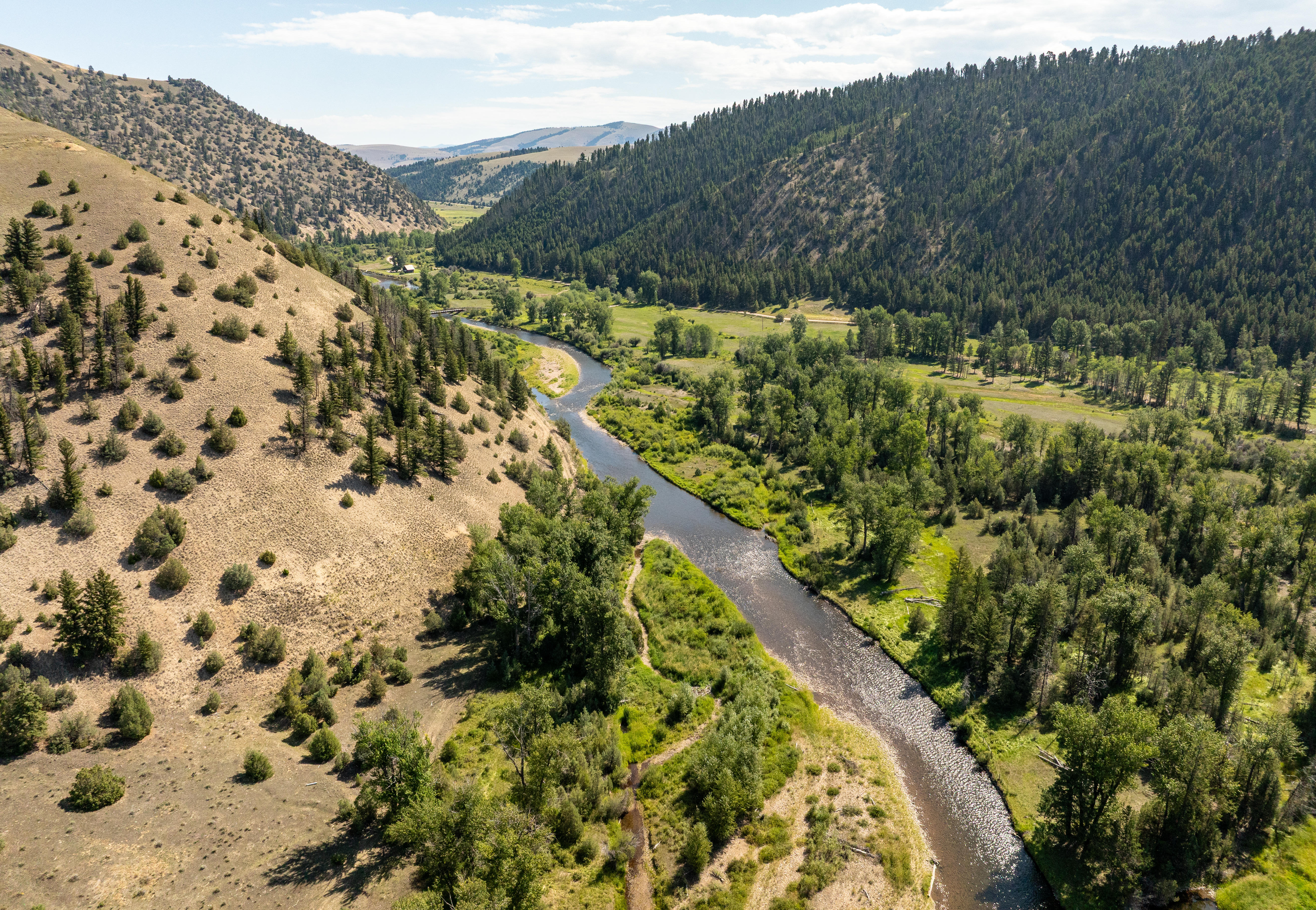
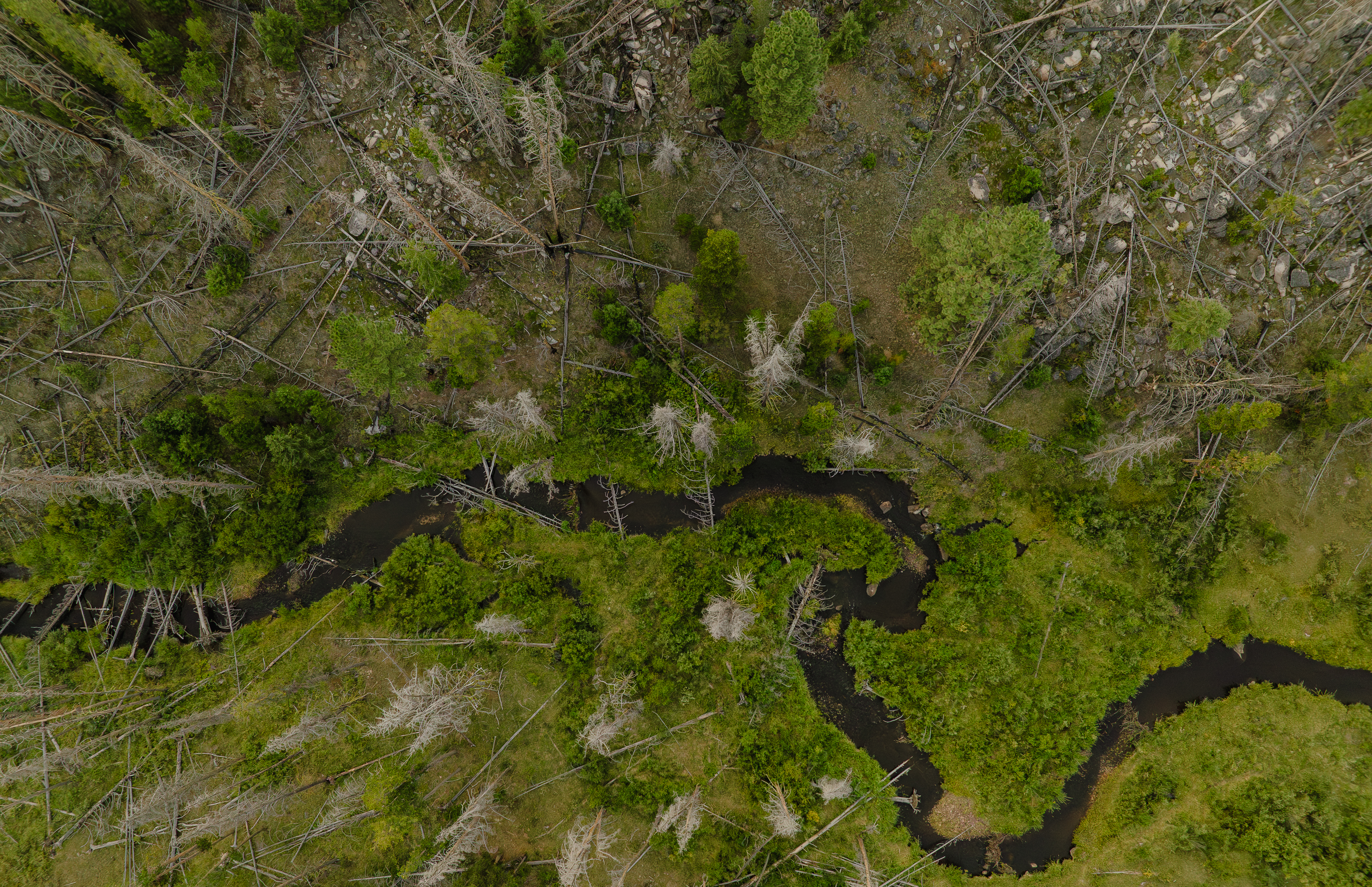
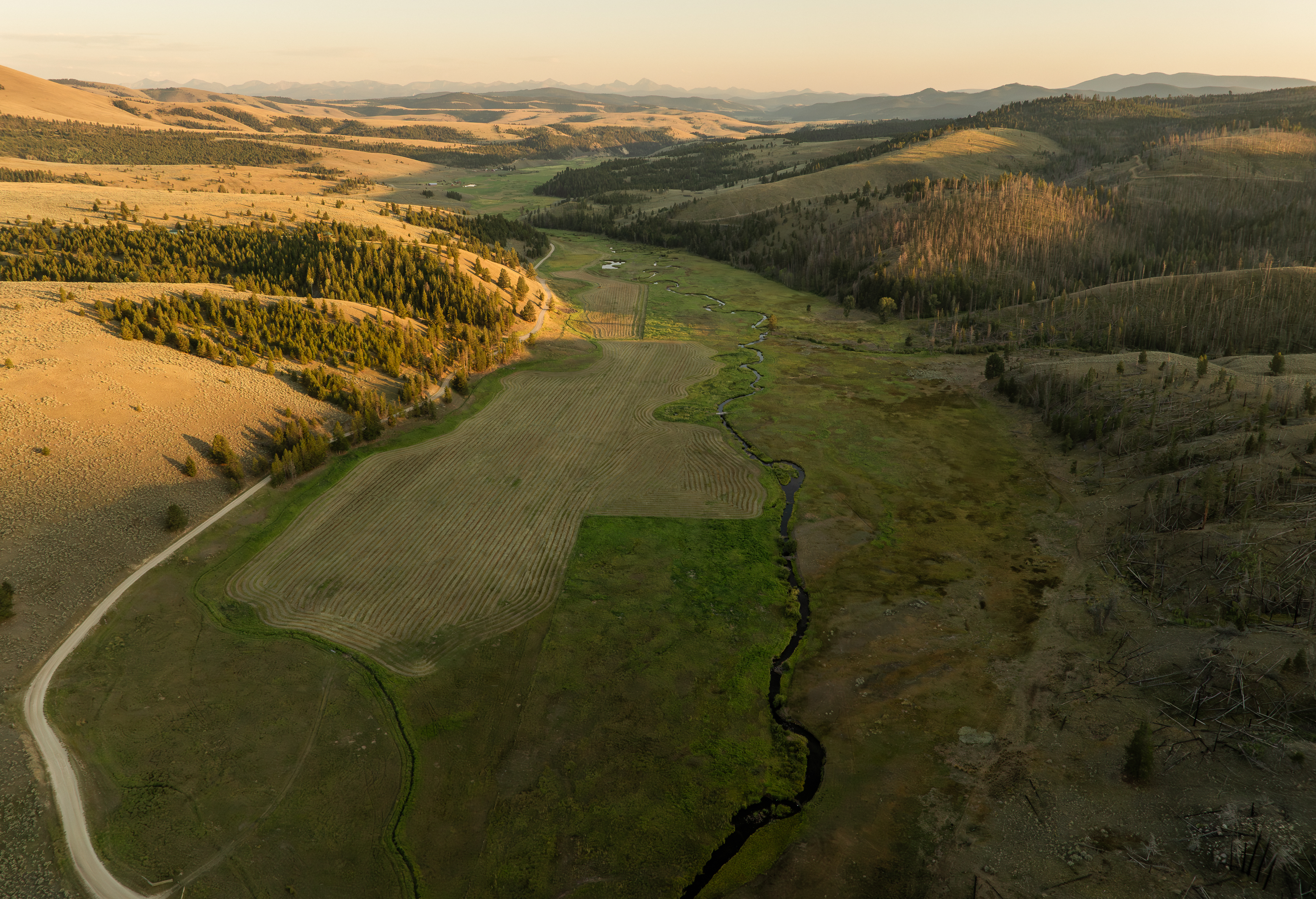
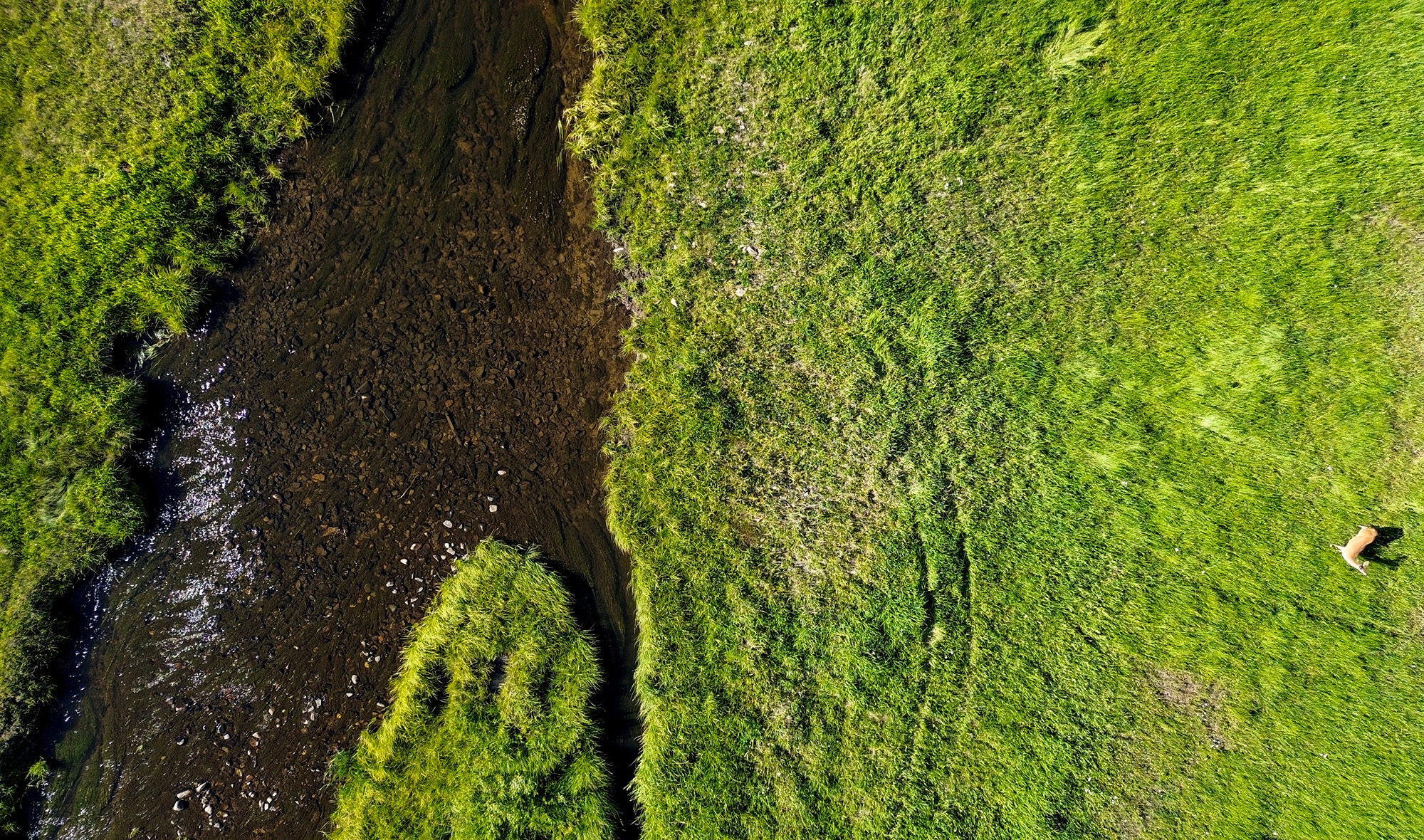
The local ranching community, which was the backbone of the economy at this point, kept their ranches intact and took upon themselves to act as stewards of Flint Creek and Rock Creek. With generational leases on U.S. Forest Service (USFS) and Bureau of Land Management (BLM) lands – in addition to countless acres of private land – they attempted to better these resources through early restoration techniques. Classic cars from the 1950’s and 1960’s can still be found on some stretches of Rock Creek today; buried and cabled together to prevent further streambank erosion.
As sportsmen and women themselves, they also saw the value in preserving wildlife habitat and access for hunters and anglers.
Protective easements and trusts began appearing, preserving critical stretches of Flint and Rock Creeks for future generations.
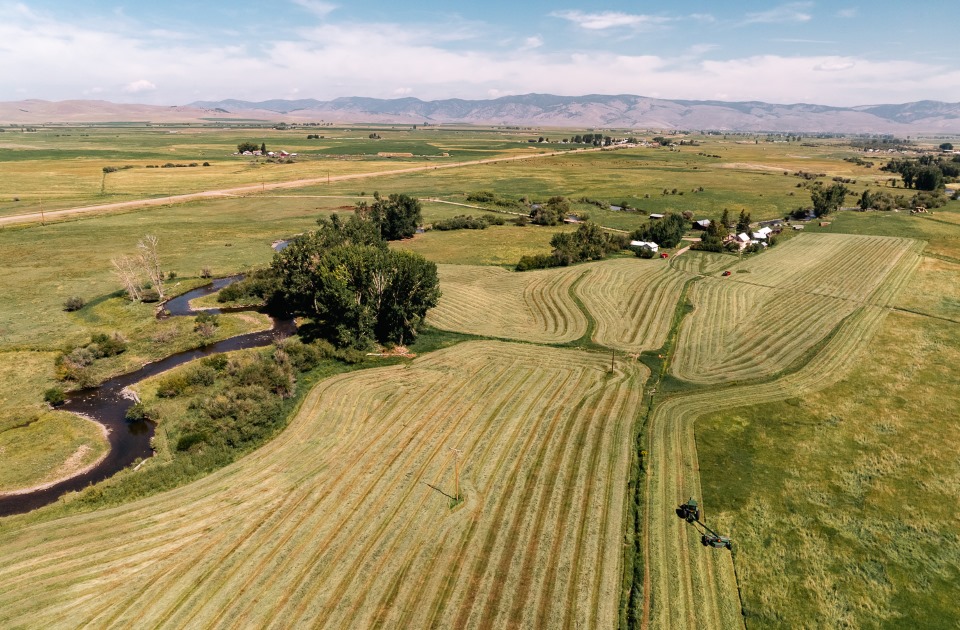
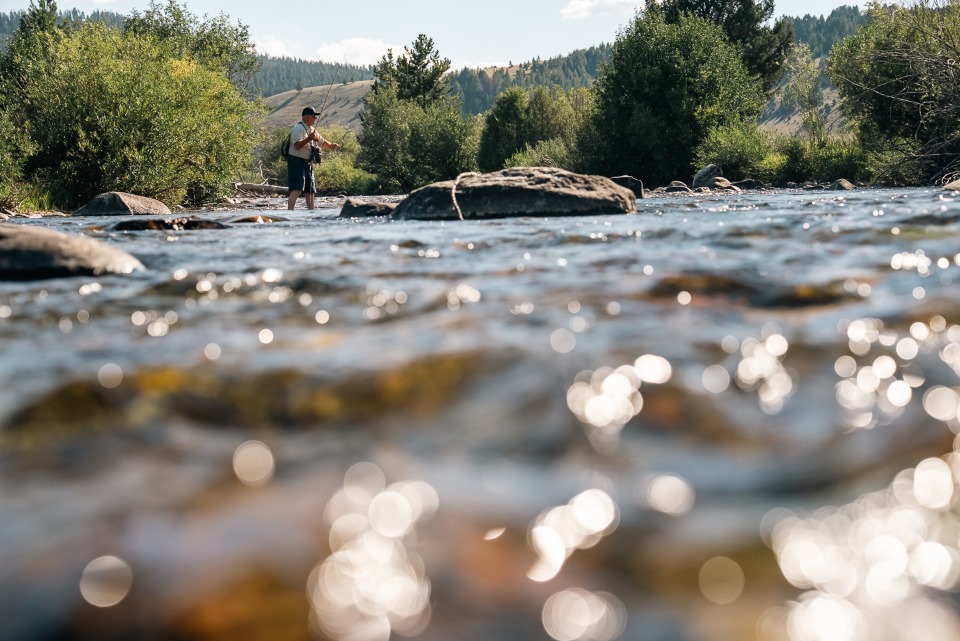
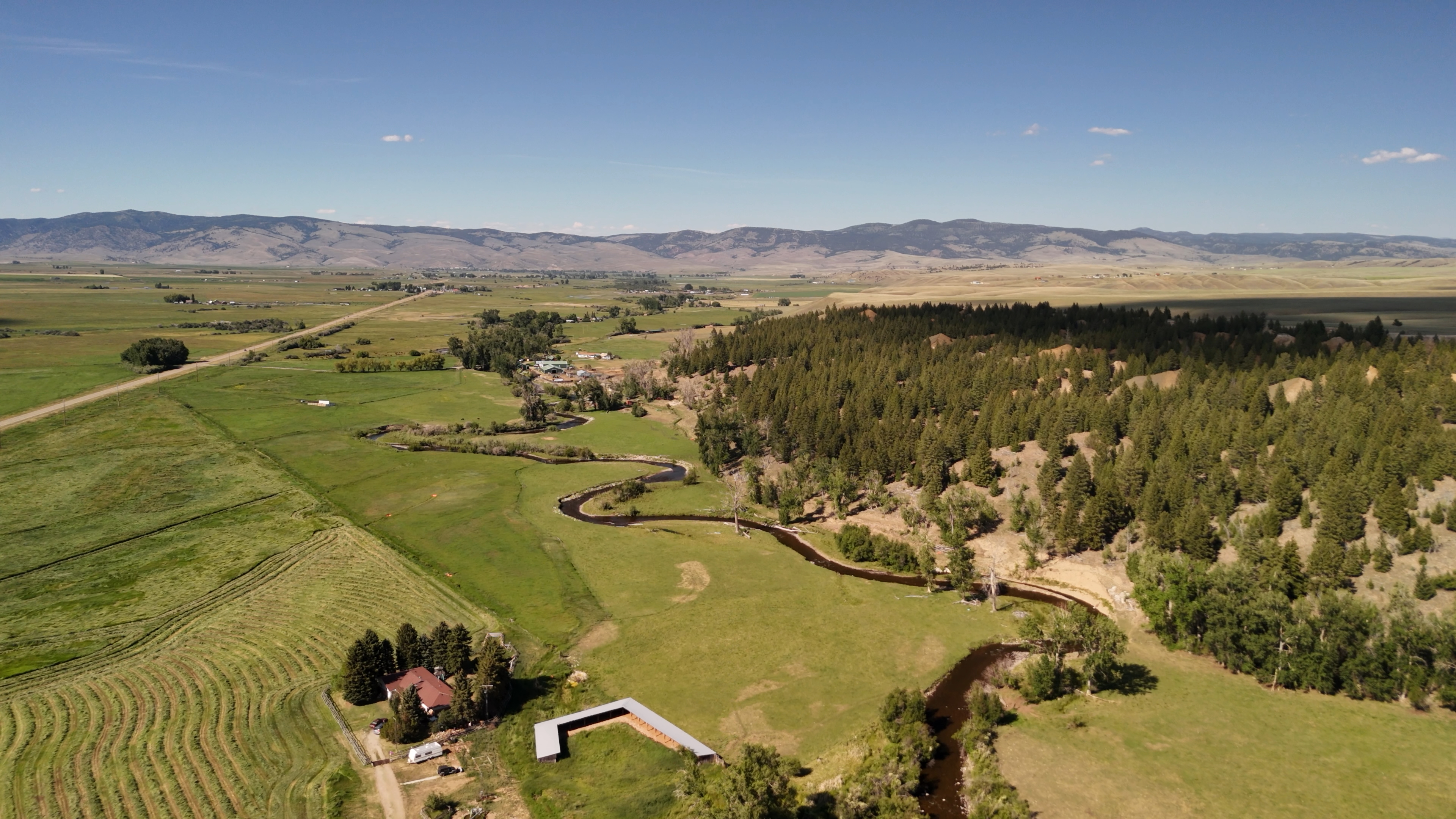
And, through word of mouth, Philipsburg’s reputation began to grow. There was a place off the beaten path where you could venture into pure wilderness, catch trophy fish, snack on local candy, and know people by their first name after just a weekend in town.
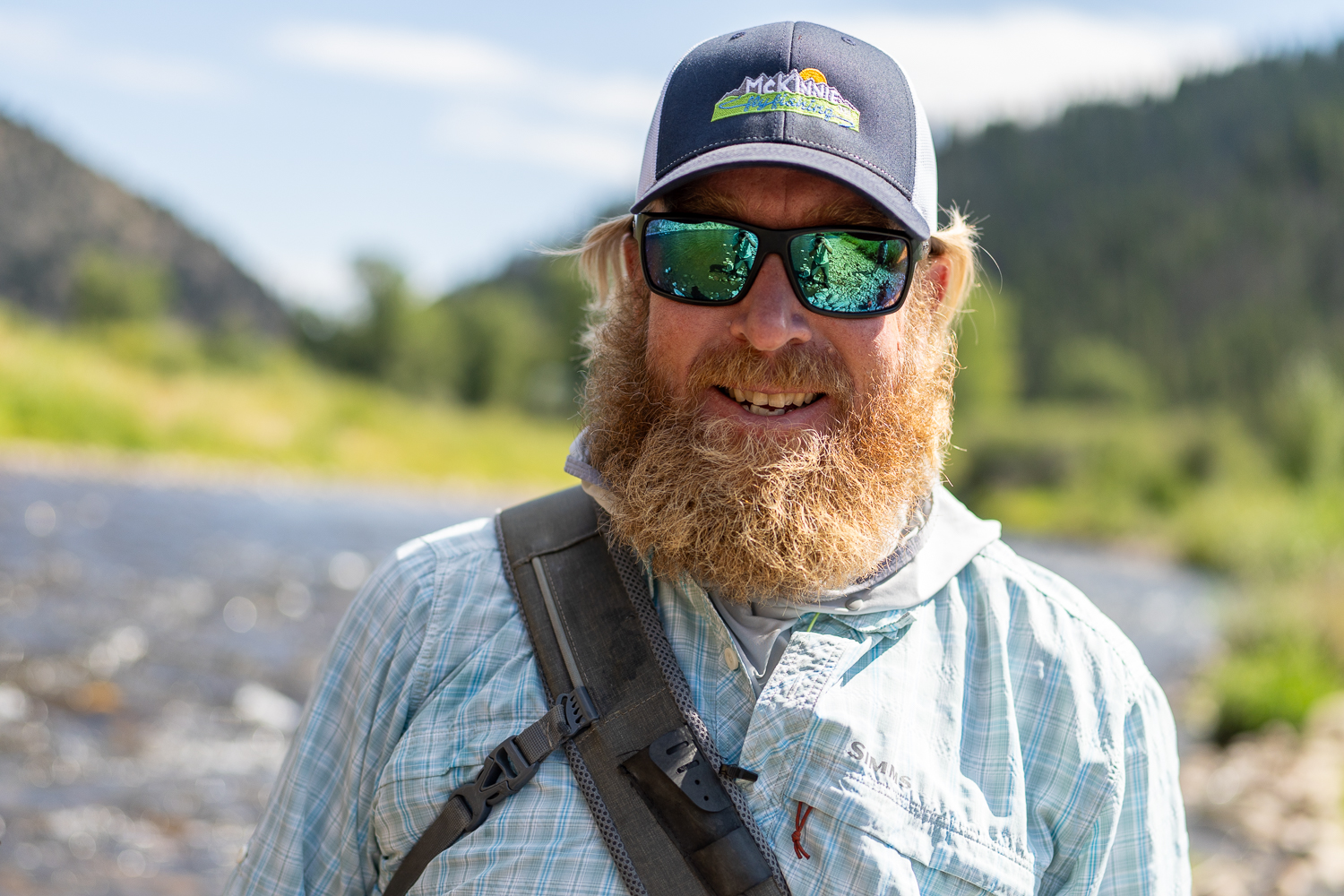
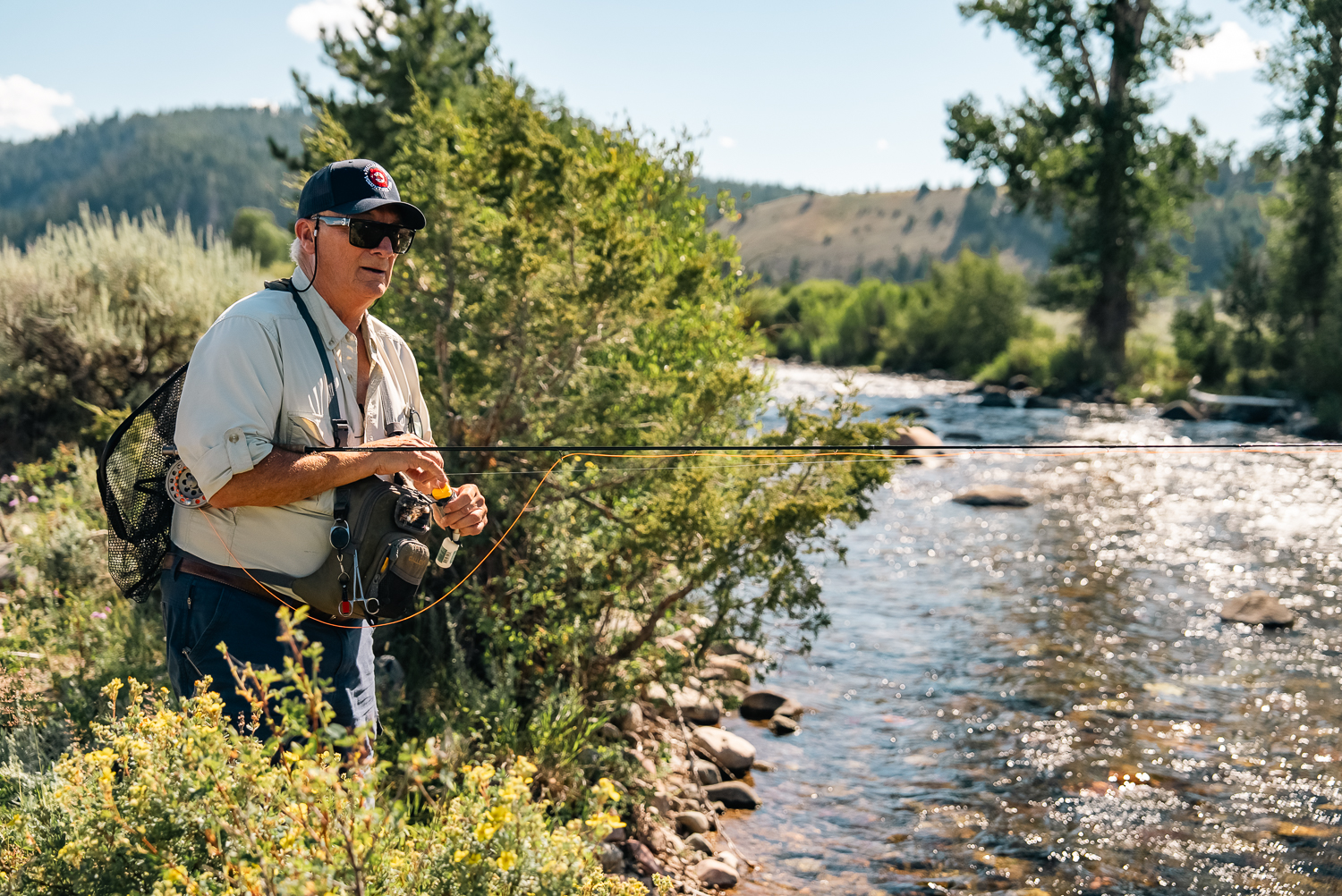
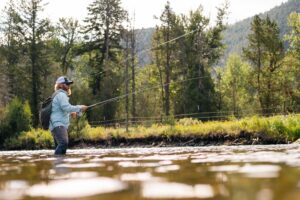
Anglers in particular took notice due to targeted advertising in magazines and newspapers, and again, the reputation of Flint and Rock Creeks grew. Catering to this audience, a fly shop named Flint Creek Outdoors was founded in town to meet this new demand.
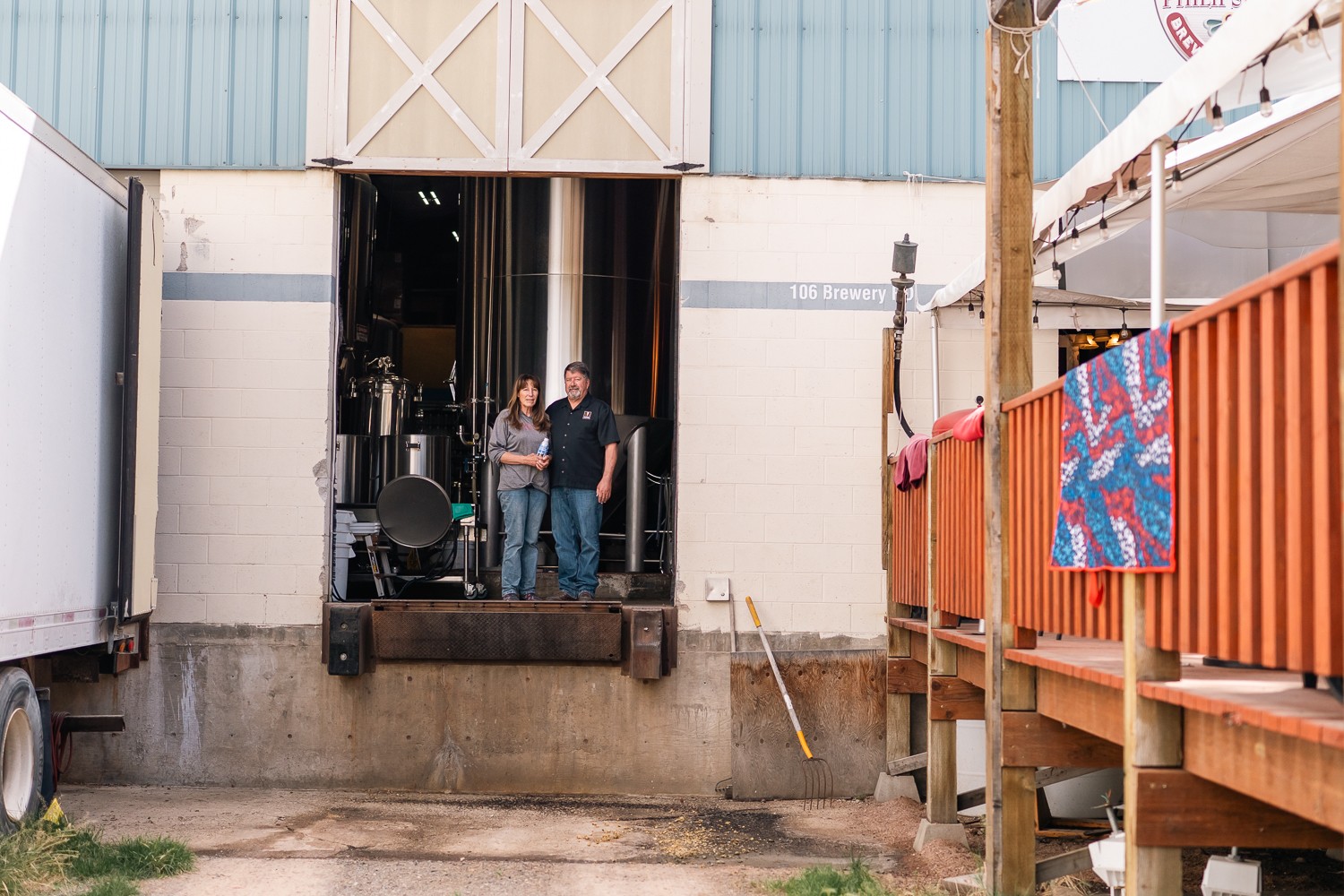
More dreamers came town and again saw opportunity in the town’s unique water supply. Nestled miles above town at Fred Burr Lake, one of the last open alpine lakes permitted for municipal use in the country, fed water to town through miles of pipelines. The town itself also had a natural spring that merged with this alpine water to create a unique blend. The Philipsburg Brewing Company was founded next door to the Broadway Hotel after years of planning and soon after began receiving national acclaim. Shortly thereafter, demand quickly increased, and they restored a bottling plant on the exact same footprint of the town’s original brewery during its mining heyday. It’s now known as Montana Silver Springs.
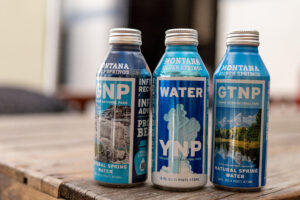
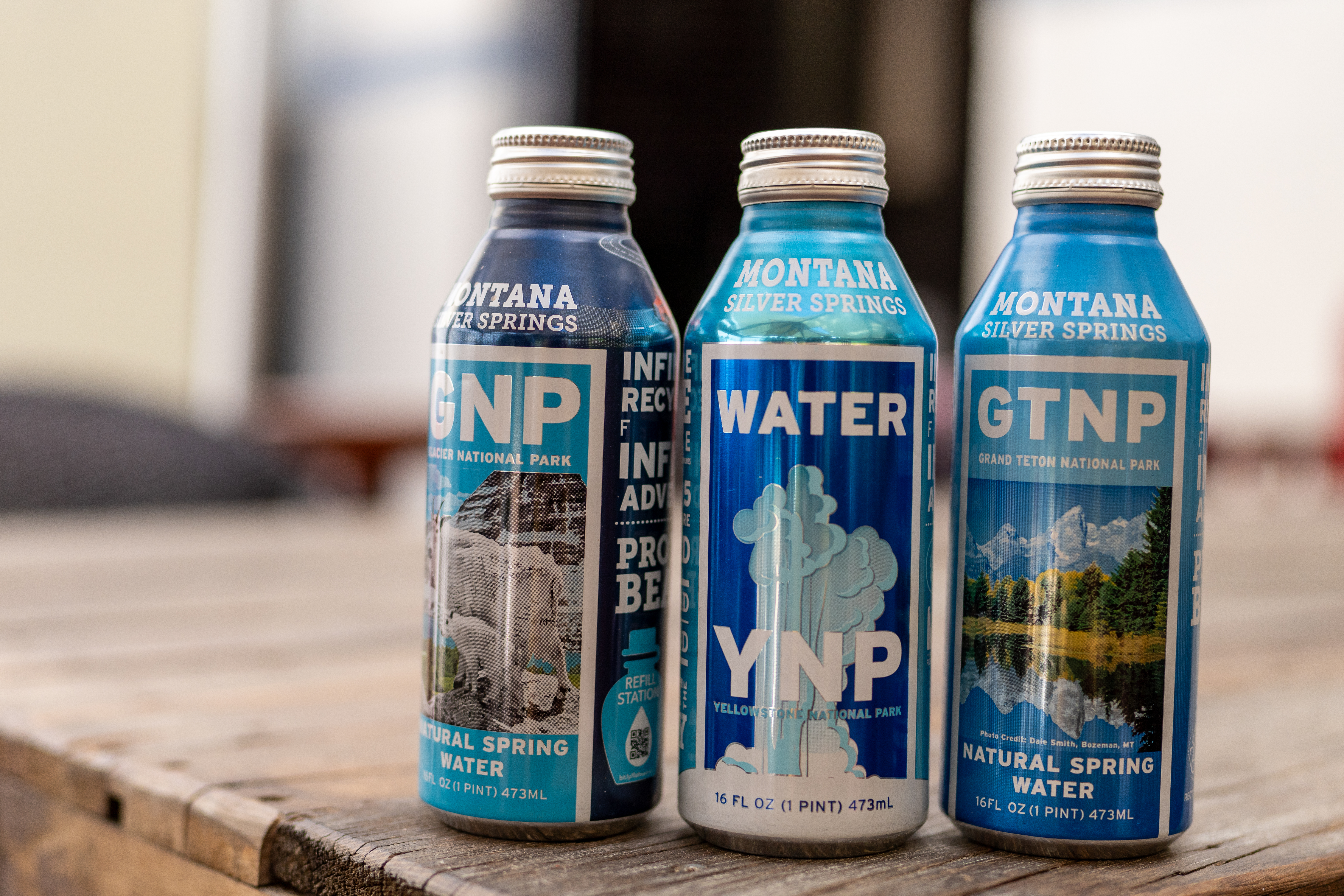
Cognizant of where the community sits on the Continental Divide and not wanting to see their products litter the famous waterways both east and west of this small valley, they decided to use cans for their ability to be reused and recycled. Because of this mentality and their ability to can this unique blend of water, they now distribute Philipsburg’s water throughout concessionaires at Yellowstone, Grand Teton, and Glacier National Parks.
Supporting Philipsburg’s Vision
Today, TU is supporting Philipsburg’s vision and revitalization by identifying more areas of opportunity.
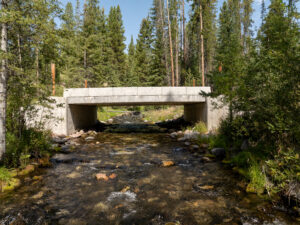
For decades, we have been building partnerships in the region with state and federal agencies, local landowners, and other entities to implement projects reconnecting critical bull trout habitat in the surrounding national forests, restore creeks spanning across BLM and private lands, work collaboratively with local ranchers, remove outdated mining infrastructure, and create more angling opportunities for future generations.
As the self-proclaimed Last Best Place in the Last Best Place, Philipsburg realized it could continue to live off the land by shifting their focus from industries of the last century to recreation and restoration.
Because of their dedication to preserving what makes them unique for future generations without abandoning their past, TU is proud to name them our first ever Conservation Town.

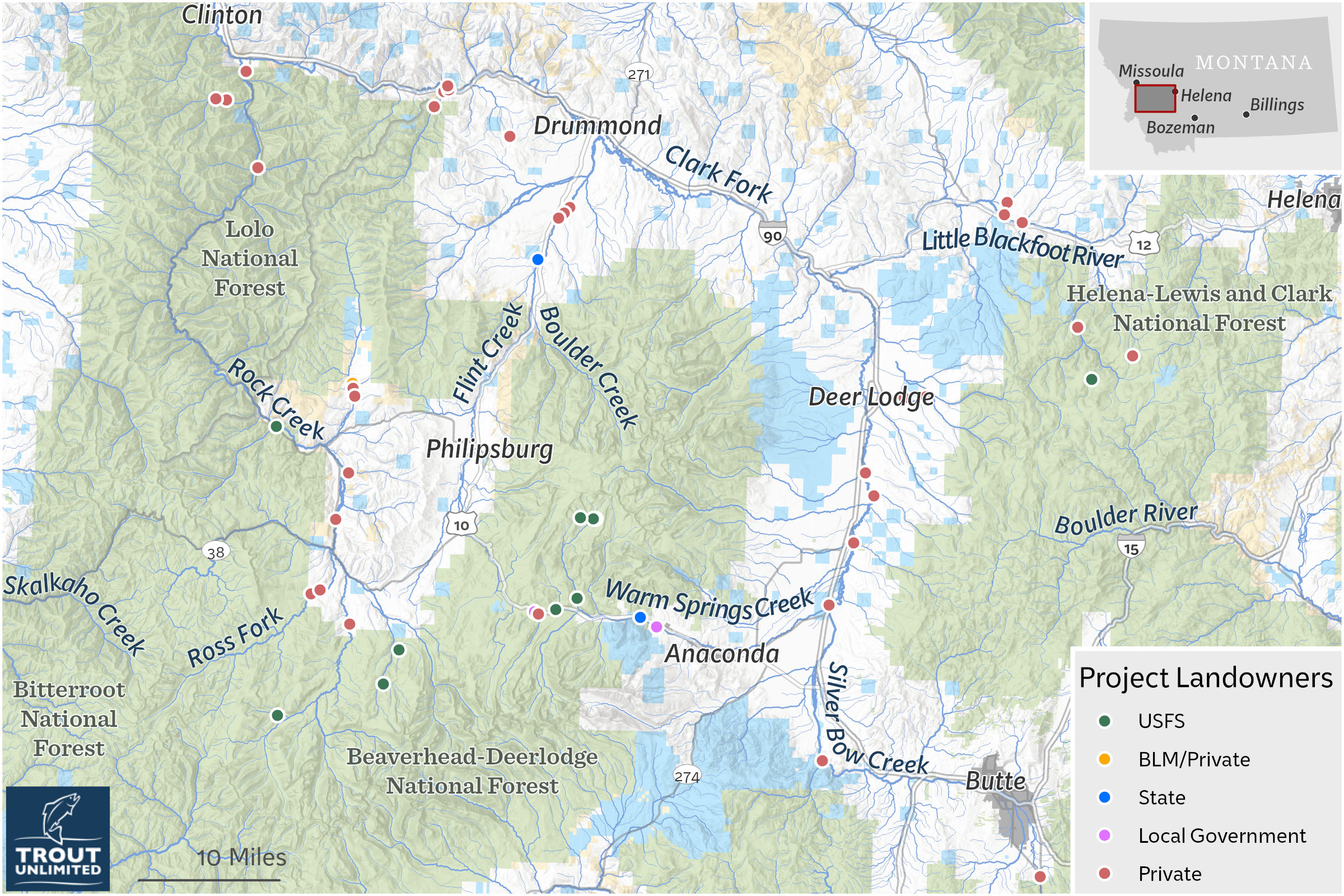
Where TU Works Around Philipsburg
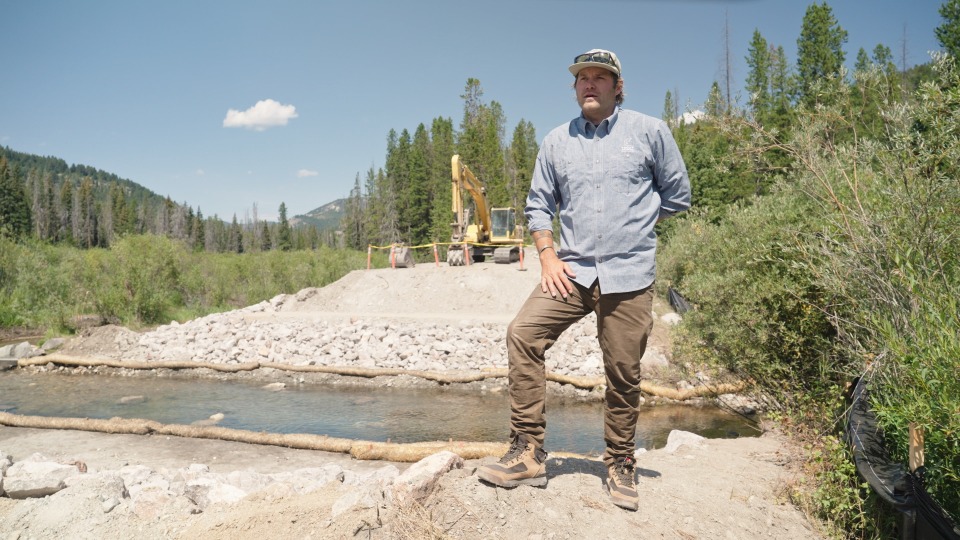
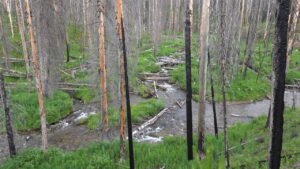
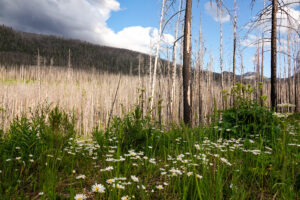
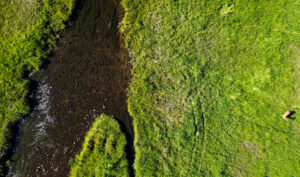
TU works closely with a number of partners around Philipsburg to identify and implement local restoration projects. Totaling more than $9 million in investment across 50+ restoration projects throughout the region since 2010, we employ local contractors, hire local workers, source local materials, and use local vendors as much as possible.
These restoration projects help remediate legacy mining impacts, improve irrigation operations, create native trout habitat, and improve the health of our national forests, among other benefits. While by no means a complete list, the following examples outline the type of work we do around Philipsburg and across Montana.
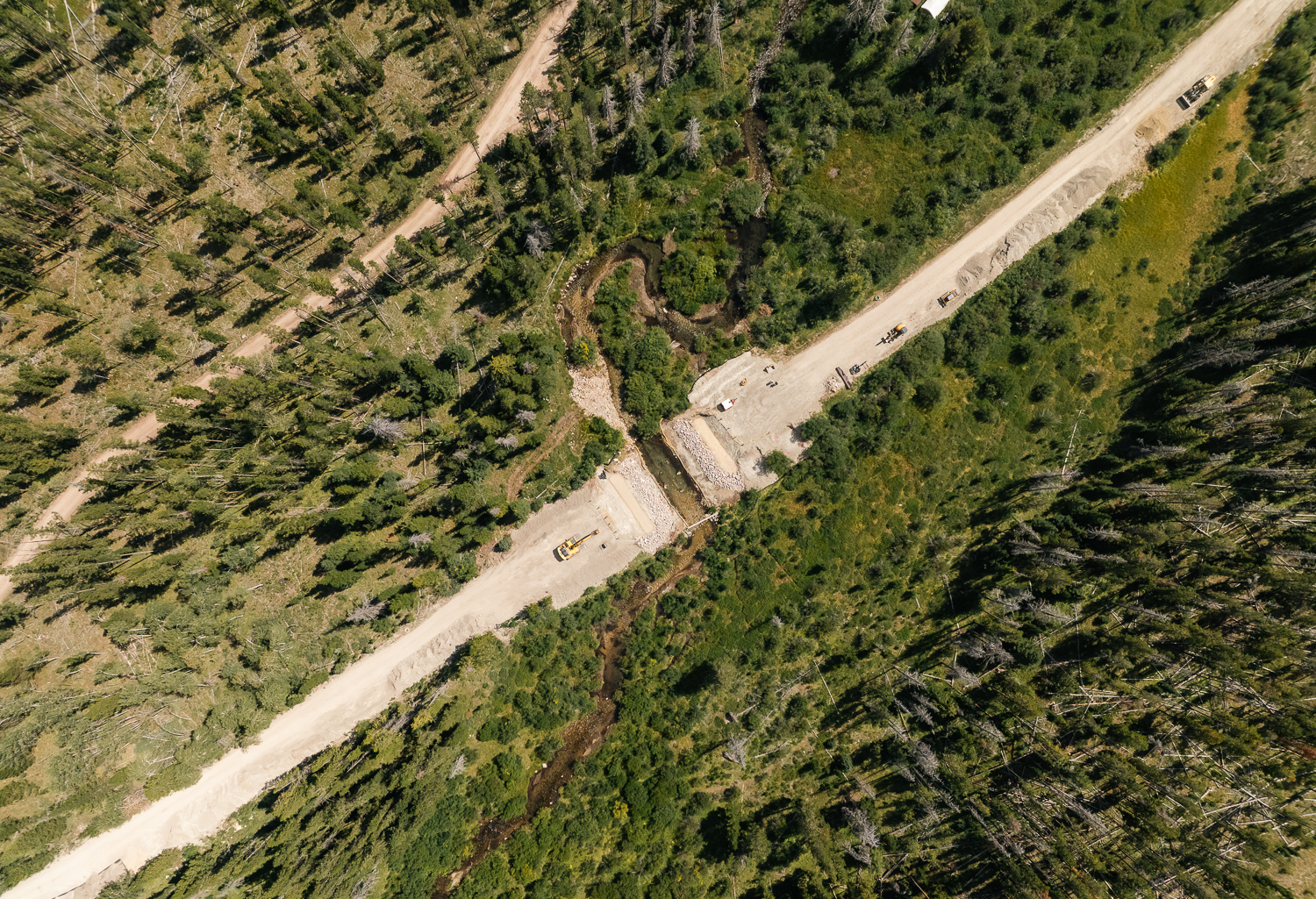
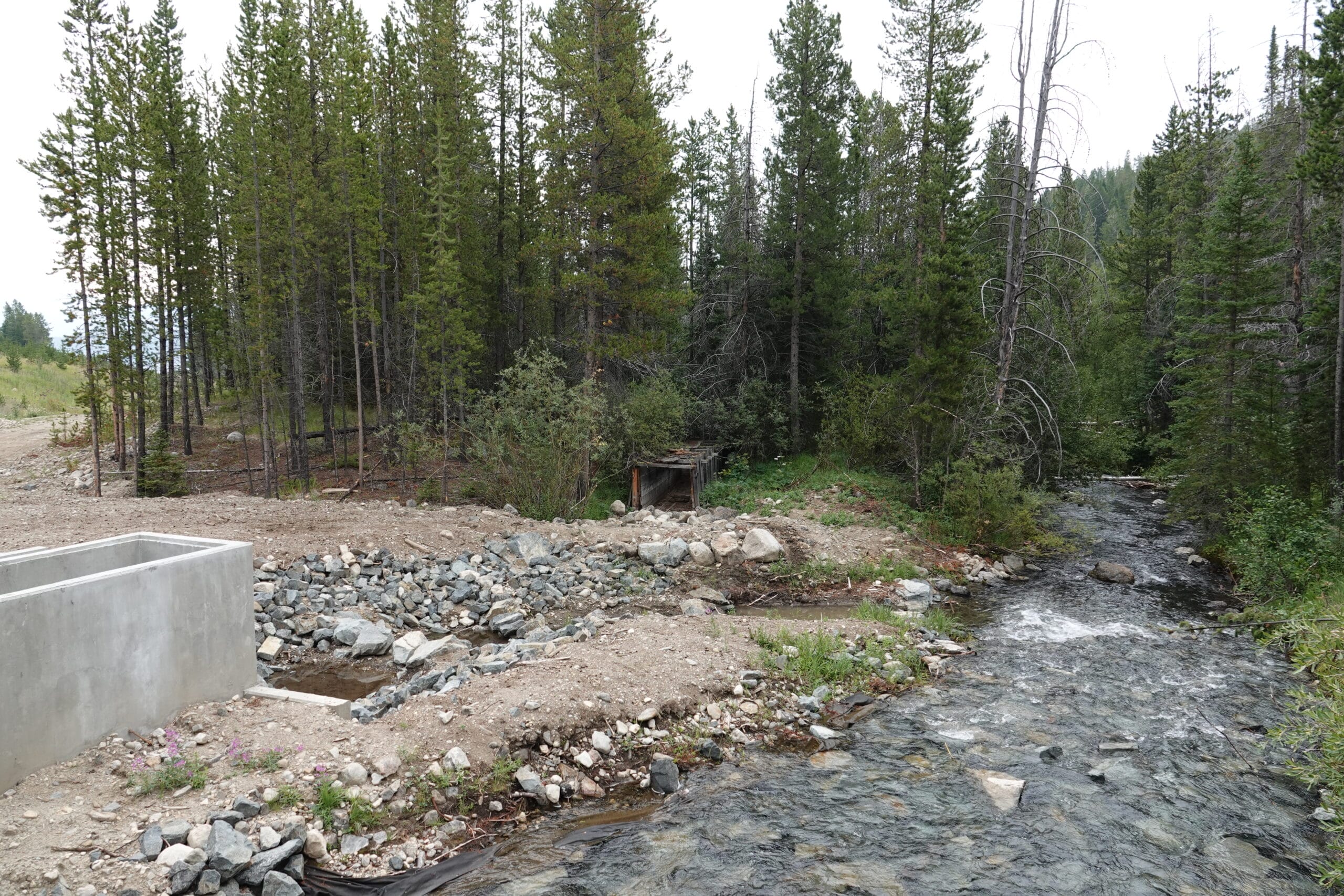
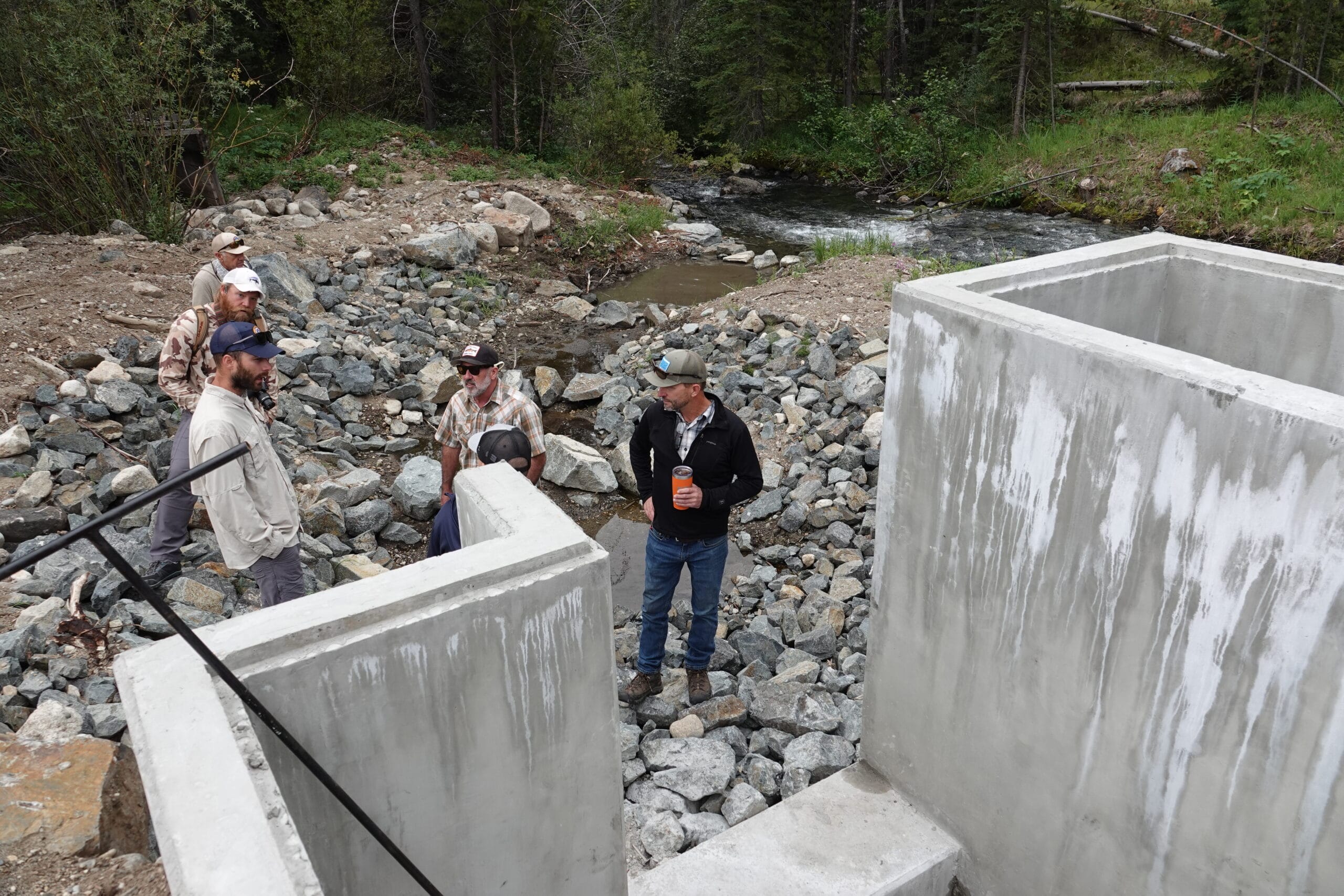
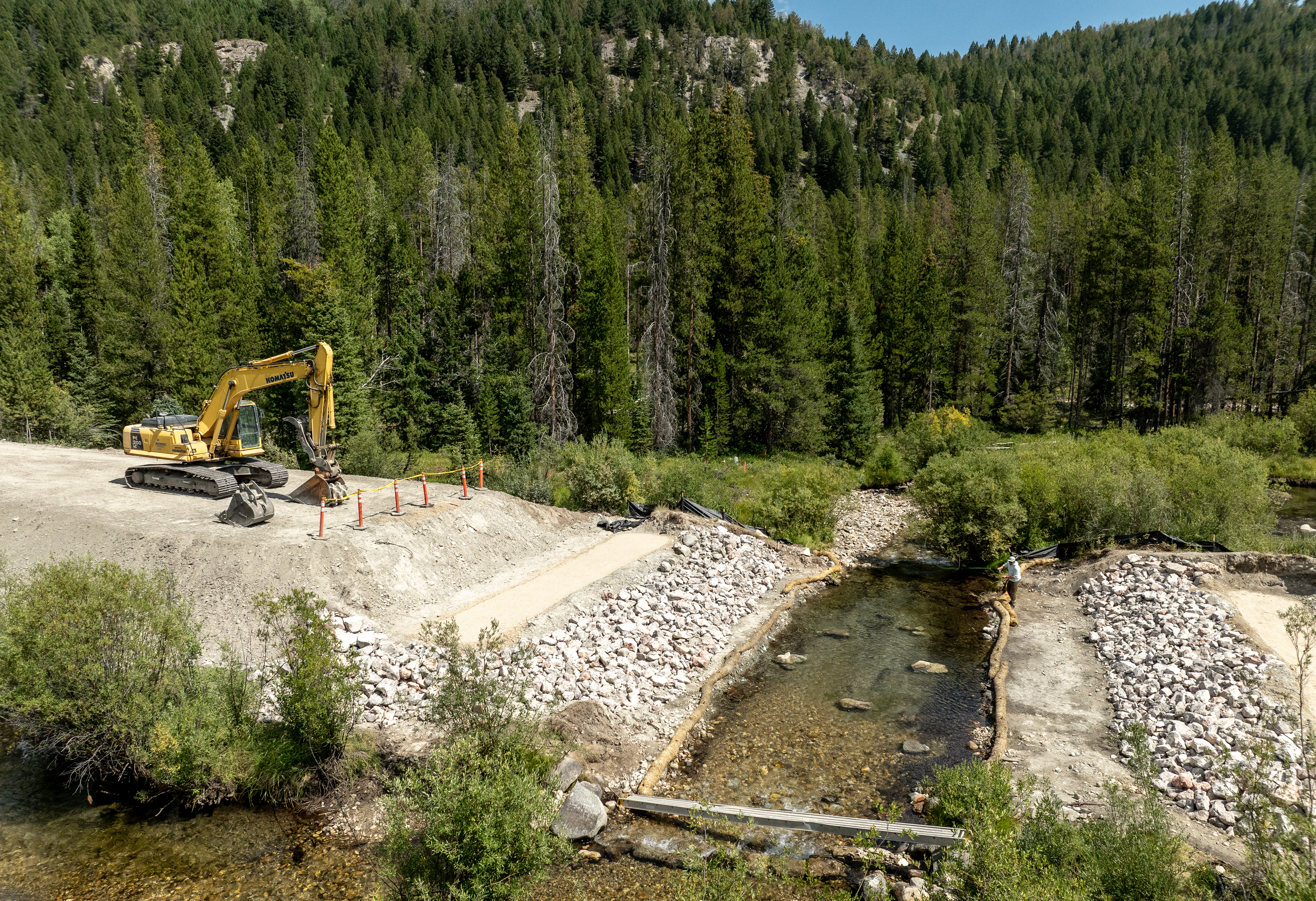
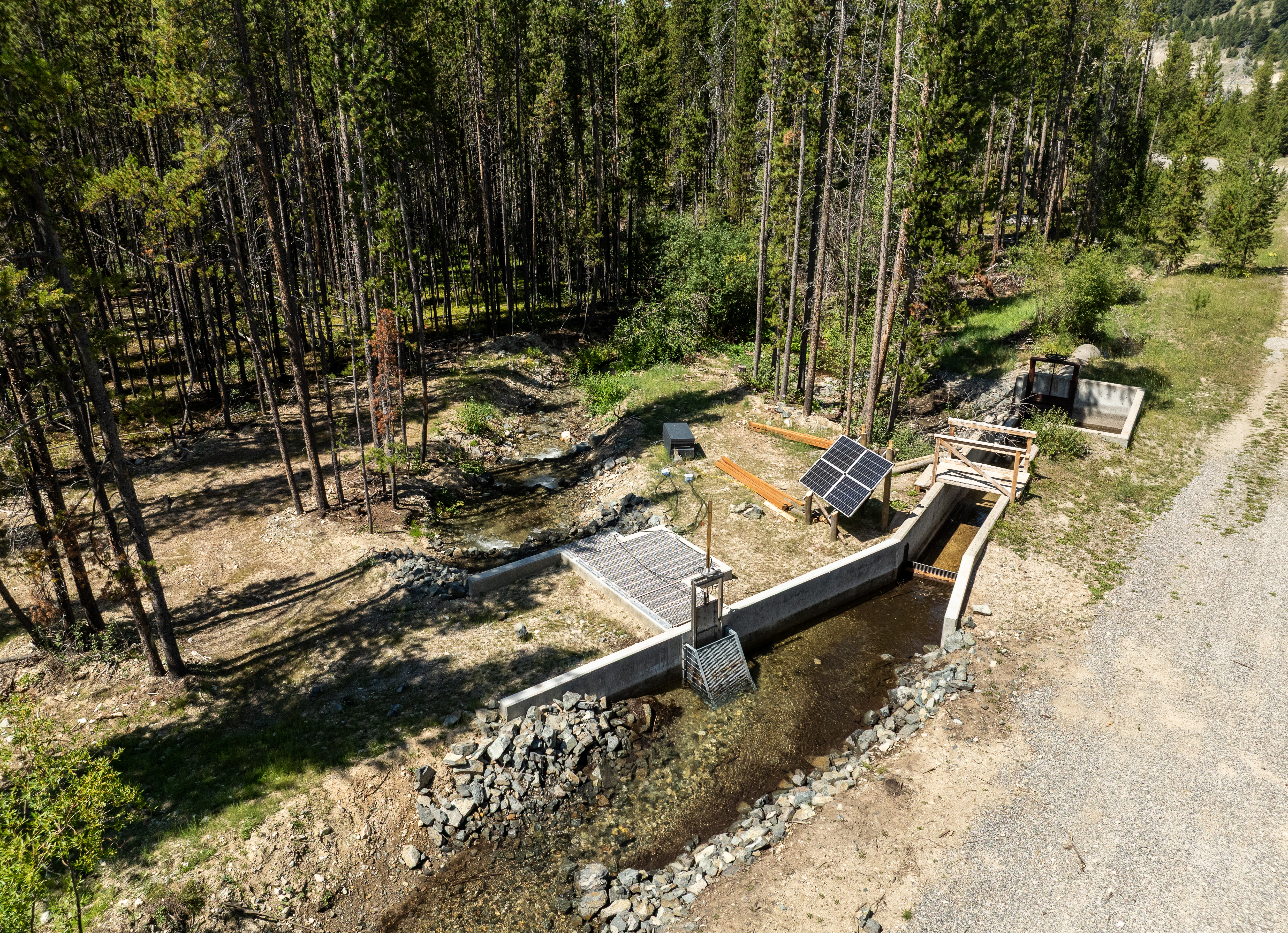
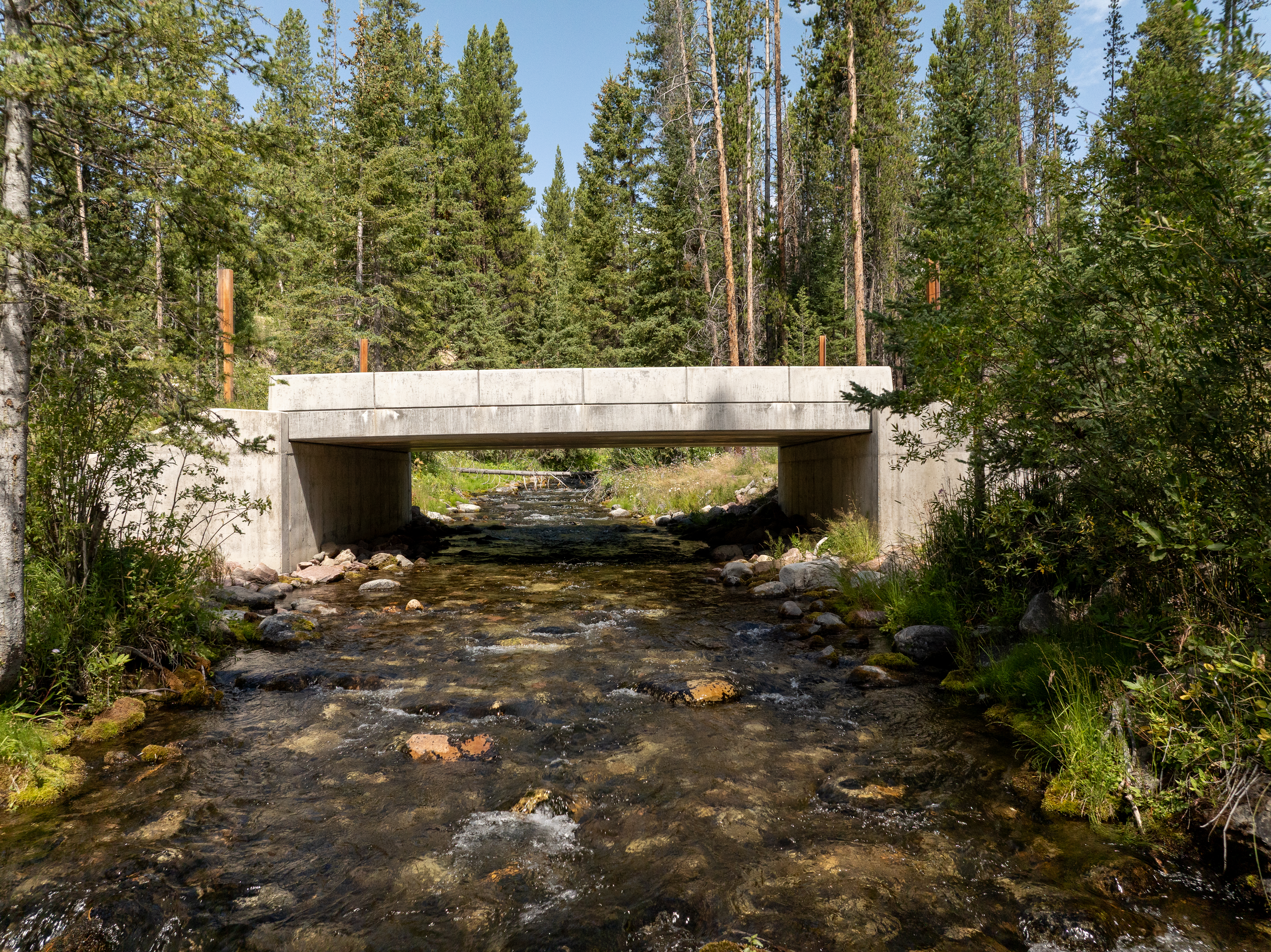
- Funded through a mix of federal, state, and private funds, agency partners like the U.S. Fish and Wildlife Service (USFWS), Bureau of Reclamation (BOR), USFS, Resources Legacy Fund, and the State of Montana plan to invest more than $4 million through partnerships with TU, the Clark Fork Coalition, and local ranchers to reconnect Warm Springs Creek and the Clark Fork River by modernizing water infrastructure for industry and agriculture. This effort was recently named as one of ten transformational fish passage projects across the country and will reconnect native trout migration and spawning habitat for the first time in more than a century. In total, we’ve reconnected more than 64 miles of Bull trout habitat in this watershed alone.
- The Flint Creek Watershed Resiliency Project is a multi‑year, collaborative effort among local landowners, Trout Unlimited, and several Montana state agencies, supported by the Bureau of Reclamation’s WaterSMART Program. Together, we’re working to restore stream habitat, boost the watershed’s ability to withstand drought and wildfire, and support the long-term health of working lands. By investing in practical infrastructure improvements, the project helps ranchers protect water quality and fish habitat while sustaining the irrigation and operations that local communities depend on. It’s a common‑sense approach to strengthen both the trout fishery and the people who rely on Flint Creek.
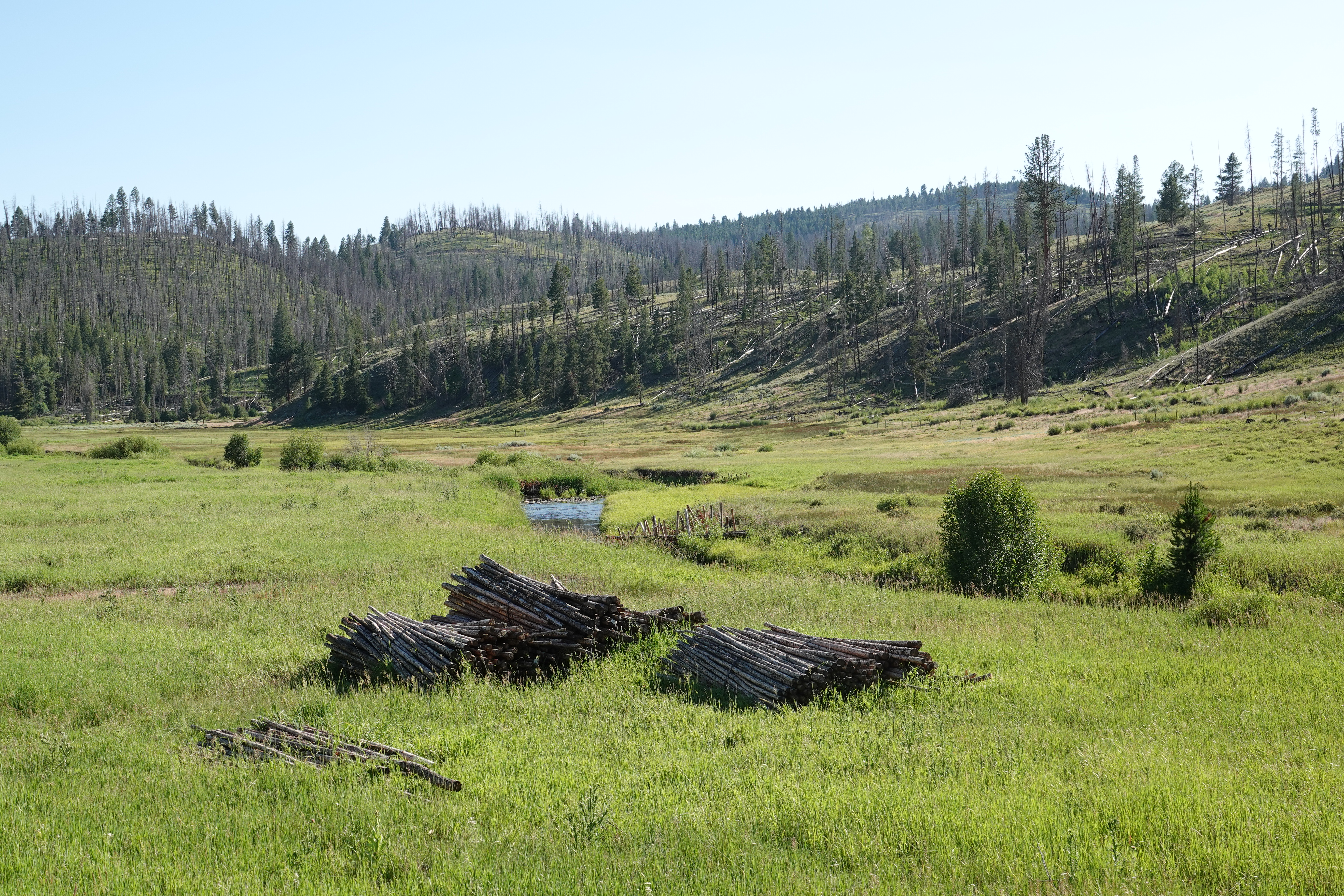
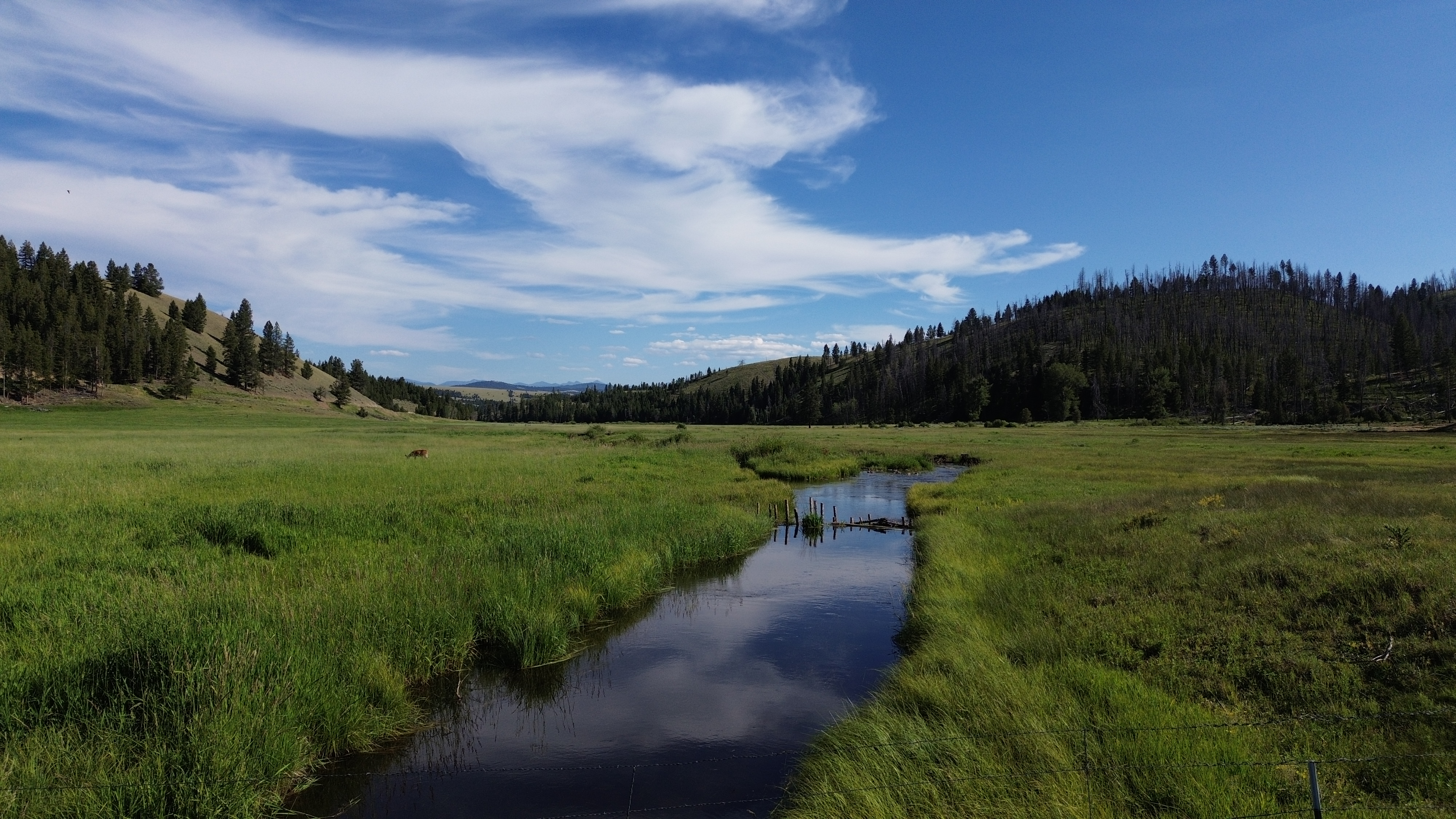
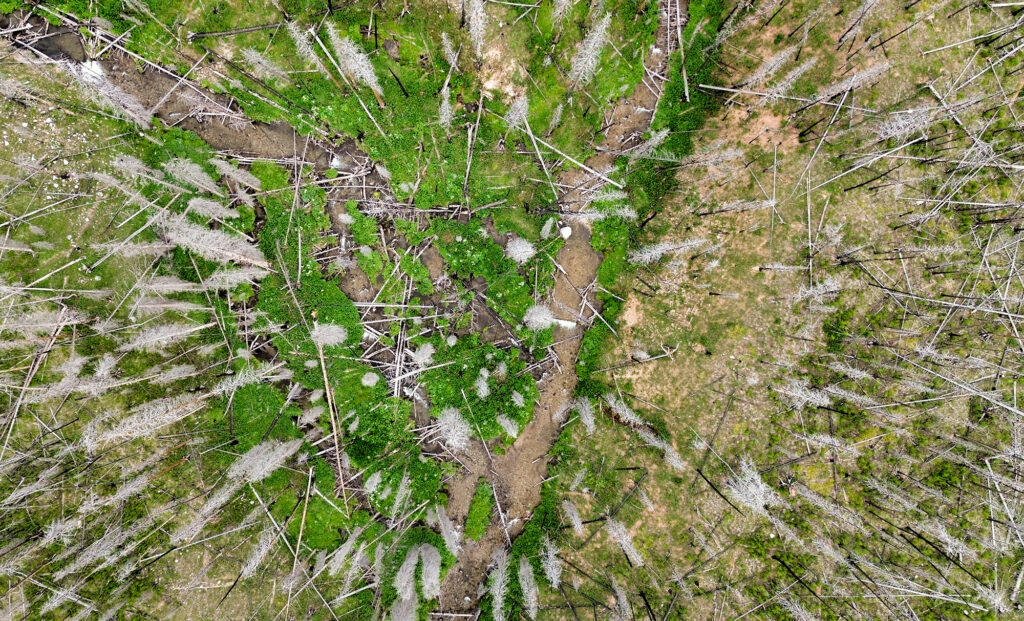
- On Upper Willow Creek, Trout Unlimited is partnering with private landowners, BLM, Montana DEQ, and MT NRDP to improve streamflow and habitat in one of Rock Creek’s most important native trout spawning tributaries. TU is working with ranchers to lease irrigation water to boost late‑season flows and installing a series of over 100 beaver-mimicking habitat structures along two miles of degraded stream habitat.
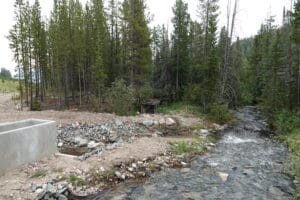
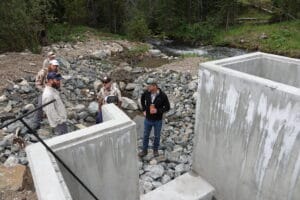
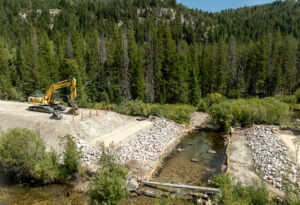
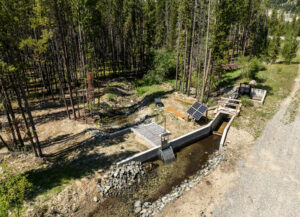
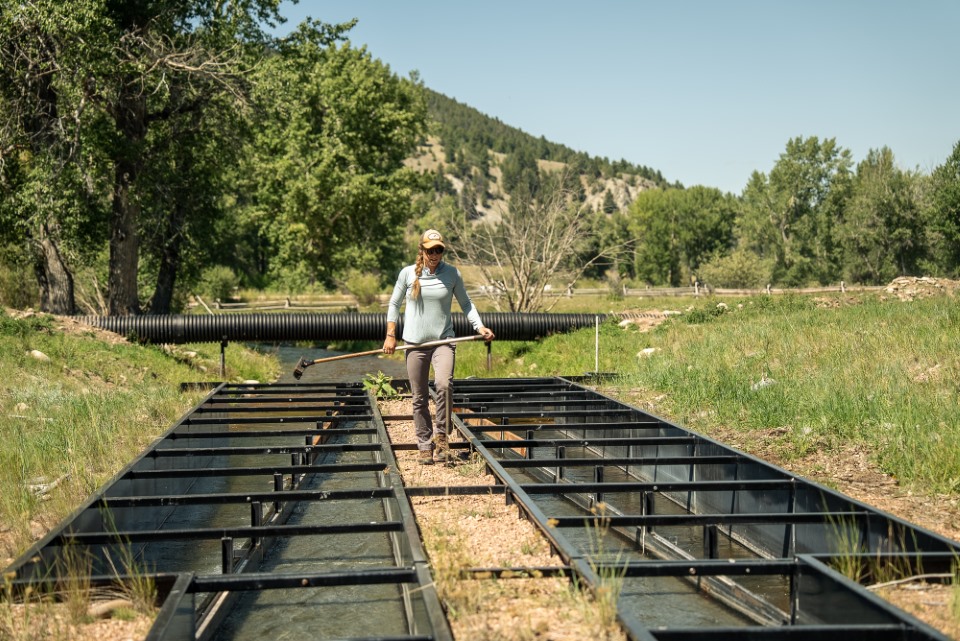
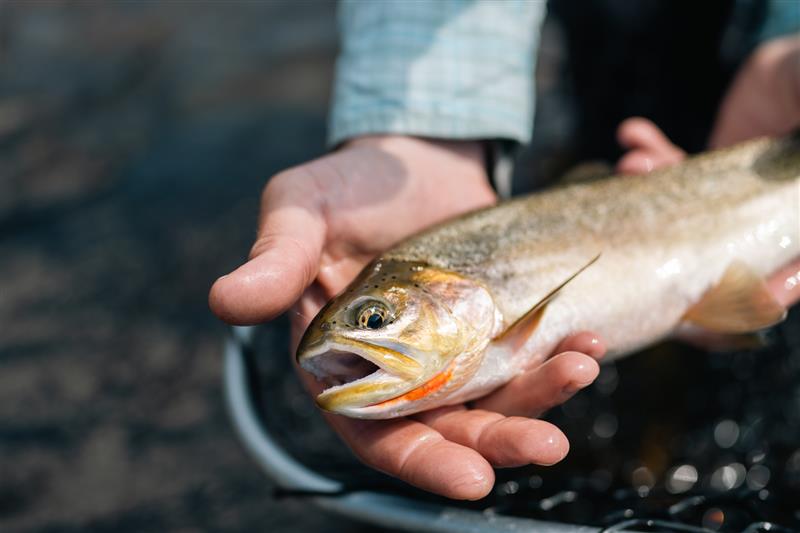
- The Rock Creek watershed supports some of the best remaining habitat for migratory Bull Trout in the Upper Clark Fork River Basin and is a renowned Blue Ribbon trout fishery with native Westslope cutthroat trout. To protect this resource, Trout Unlimited inventoried and prioritized irrigation diversions that pose management challenges for water users and trap fish in ditches. Now, TU is partnering with willing water users to upgrade outdated irrigation infrastructure, so it delivers irrigation water more efficiently while also being fish‑friendly. With support from Montana Fish, Wildlife & Parks, Montana NRDP, the U.S. Fish and Wildlife Service, the U.S. Forest Service, and other partners, several projects are ongoing to reconnect habitat for migratory fish and to upgrade diversion infrastructure, while water conserved as a result of these infrastructure efficiencies will boost late‑season flows in priority reaches