Conservation Towns
Celebrating Rural America
What are Conservation Towns?
In America’s “Conservation Towns,” rural communities that survived the past century’s boom-and-bust cycles are building new blueprints for economic success by tapping into their most important assets: the rivers and streams, public lands and wild landscapes that have always sustained them.
At Trout Unlimited, we are putting a spotlight on these communities at the heart of the work we do to care for and recover rivers and streams, because the leaders in these communities embody the conservation spirit and model what it means to be a champion for your rivers, your communities and your fisheries.
“America needs to develop our natural resources, and conservation towns are a celebration of how to do that in a smart and collaborative manner,” says Chris Wood, TU’s president and CEO. “Trout Unlimited works with large and small communities across the country, helping them to care for and recover our nation’s cherished public lands and waters. We’re proud to spotlight these communities, their river champions, and the innovative approaches they’ve taken to make the lives of people in their community better.”
In all the Conservation Towns that TU is highlighting this year, collaboration, compromise, dedication and innovation are recipes for conservation success. Together they represent the conservation initiative and drive happening across rural America every day.
These are the towns rolling up their sleeves, getting dirt under their fingernails, and doing the work to care for and recover America’s incredible public lands and waters.
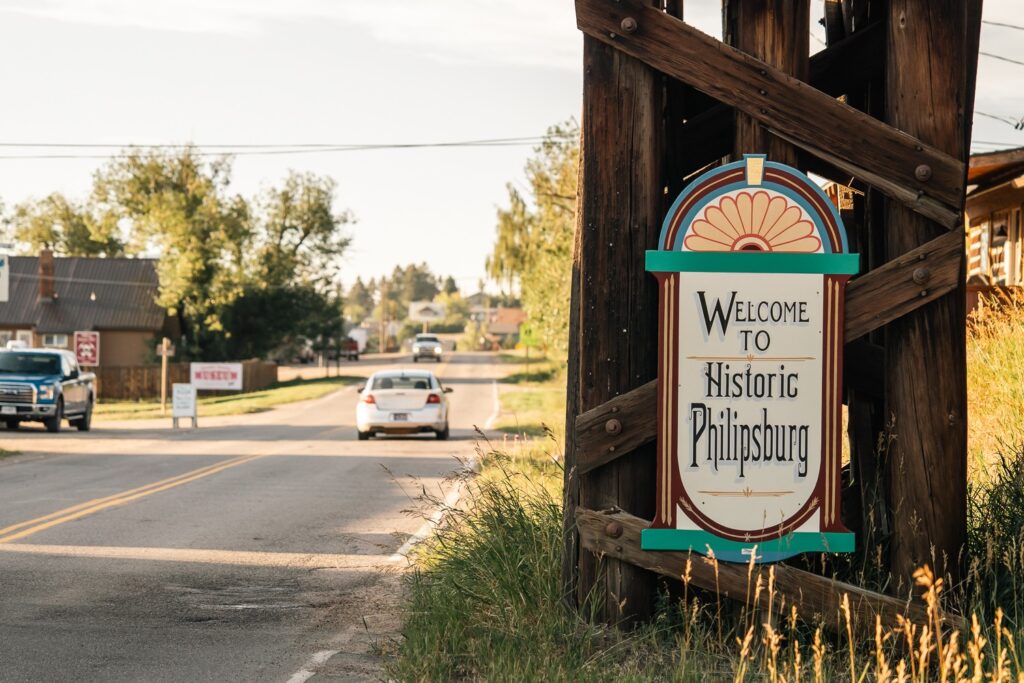
Our 2026 Champion:
Philipsburg, Montana
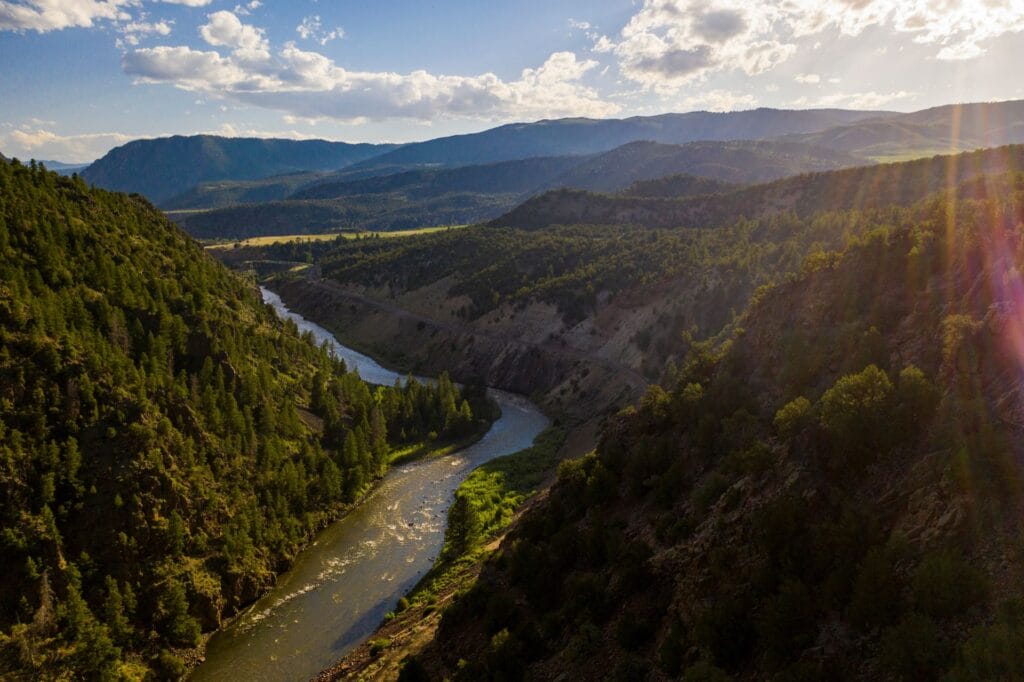
Honorable Mention: Gunnison, Colorado
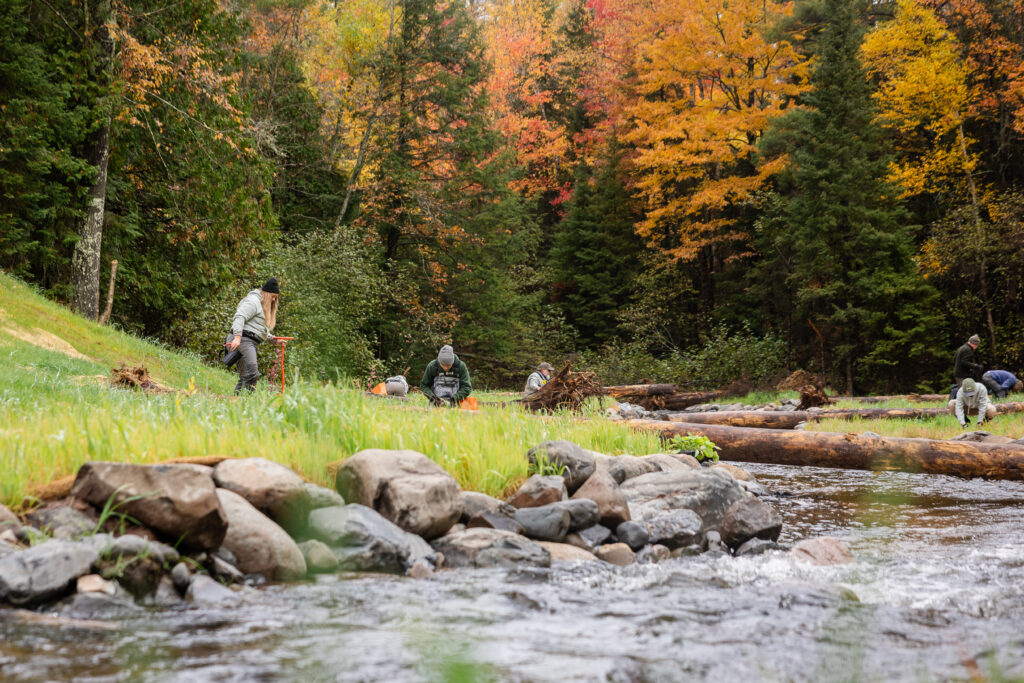
Honorable Mention: Florence, Wisconsin
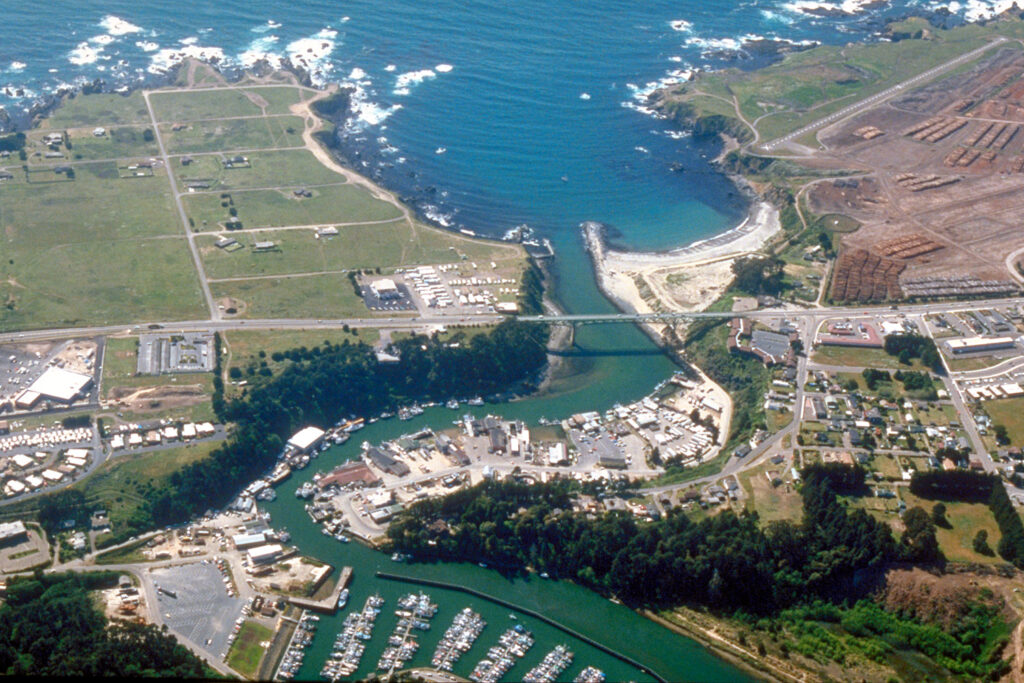
Honorable Mention: Fort Bragg, California
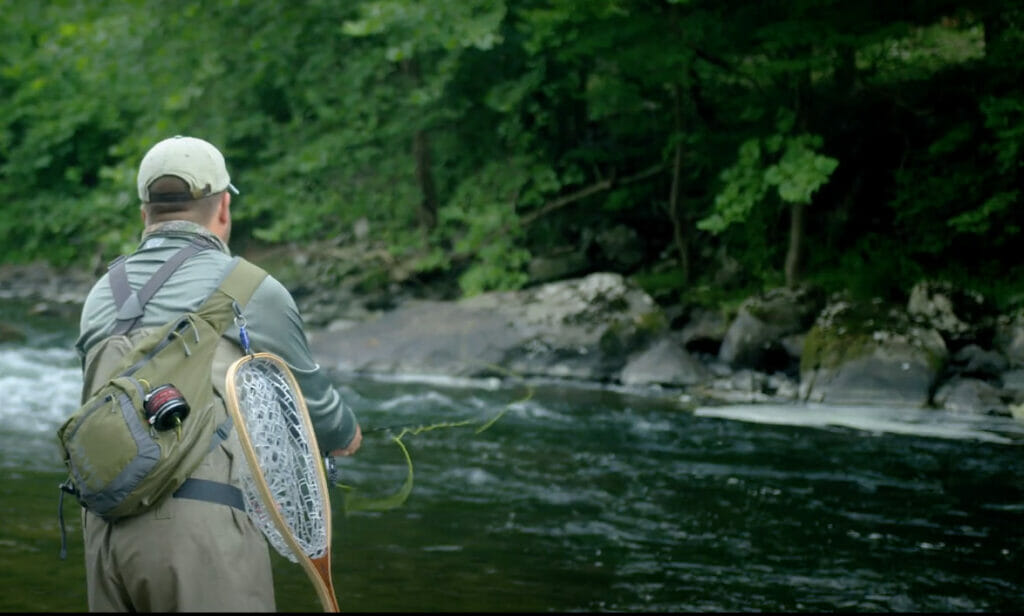
Honorable Mention: Rockland, New York
Honorable Mentions: Gunnison, Colorado
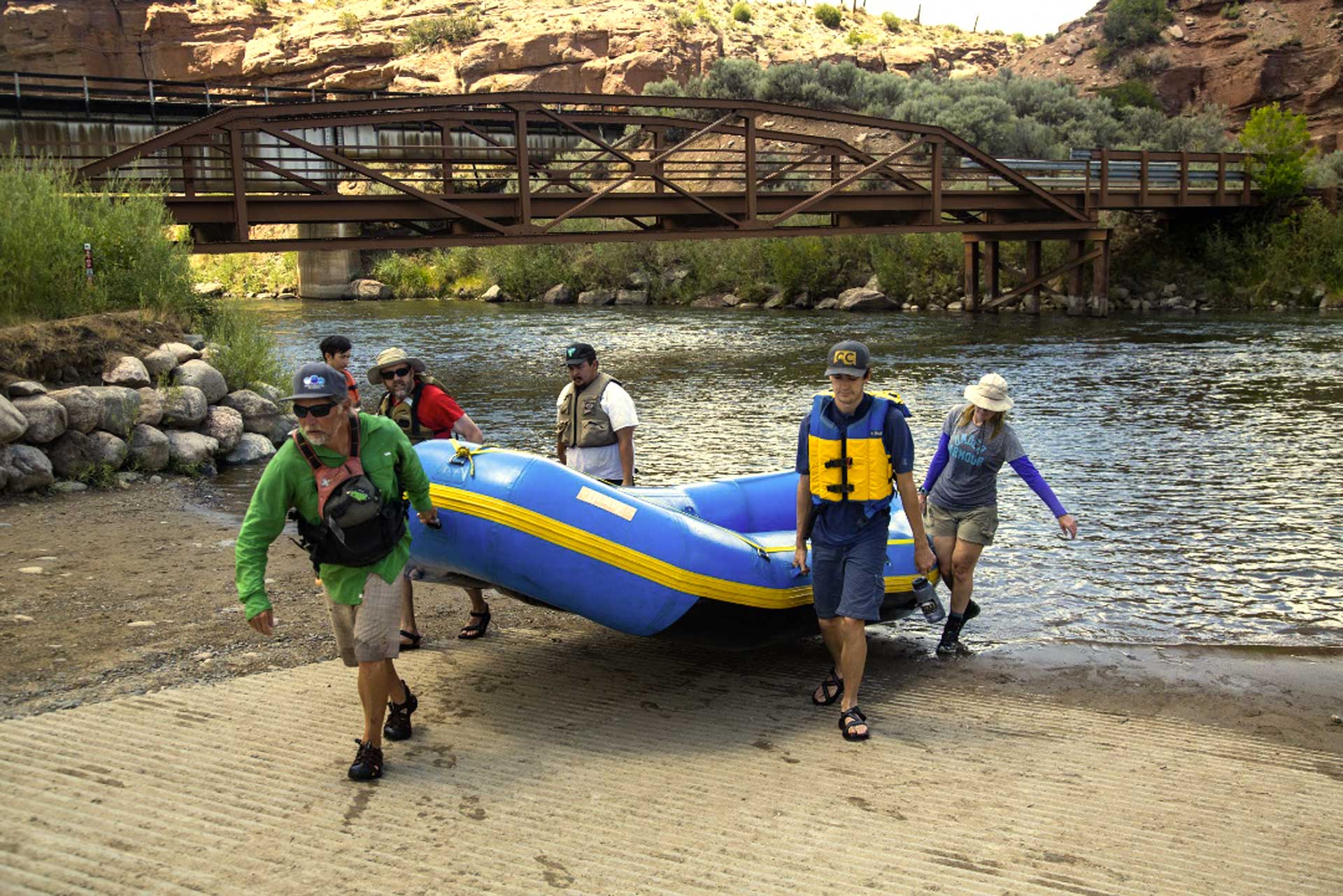
Gunnison, Colorado
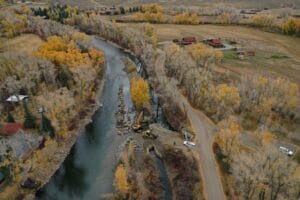
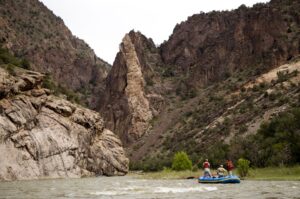
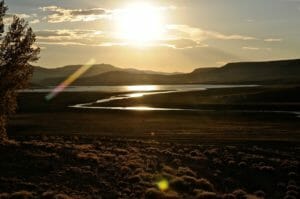
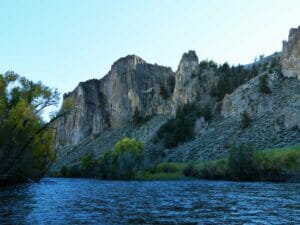
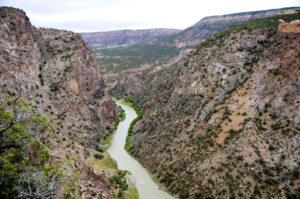
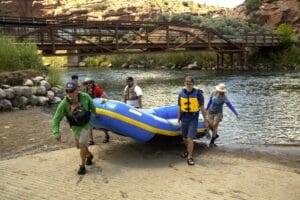
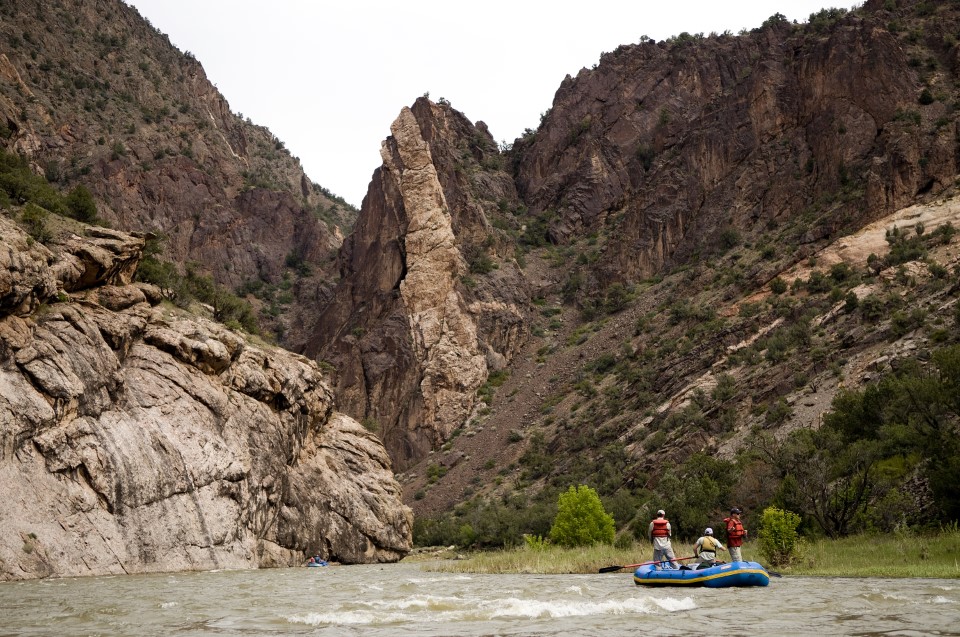
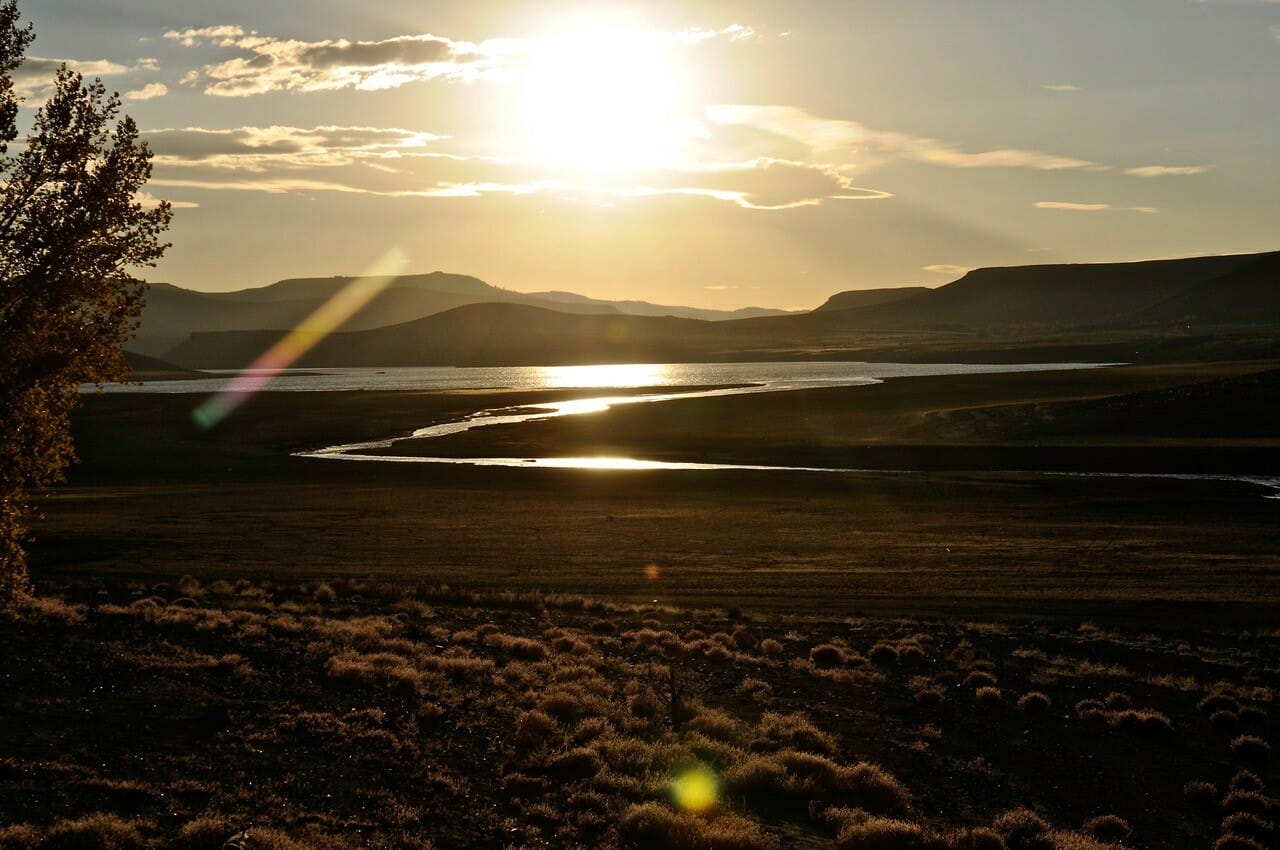
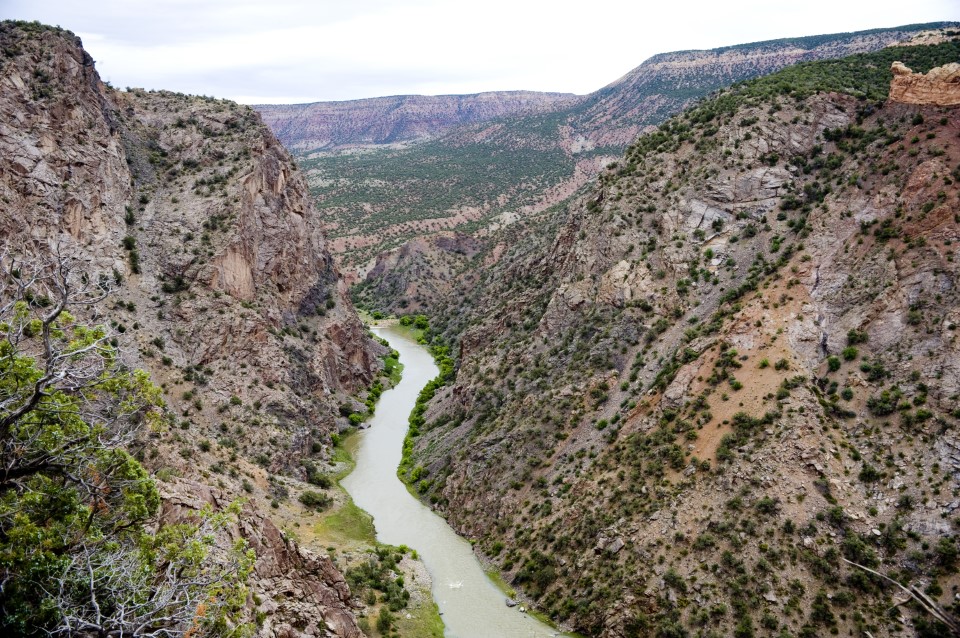
Perched at just over 7,700 feet in the headwaters of the Colorado River Basin, the small town of Gunnison is surrounded by expansive public lands, high-elevation streams, and some of Colorado’s most valued coldwater fisheries.
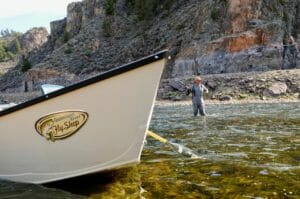
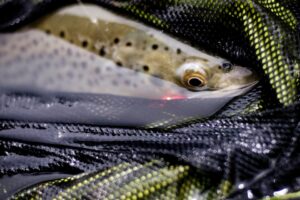
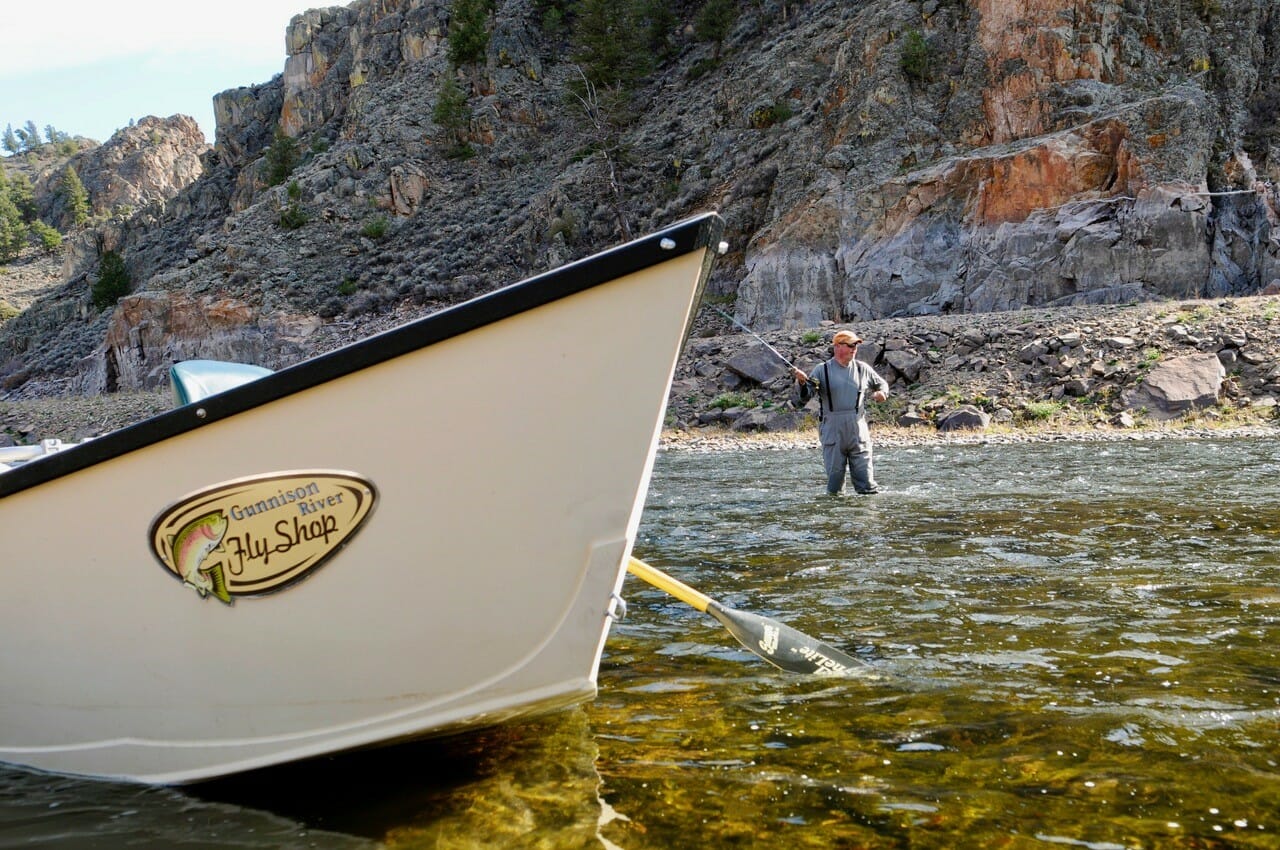
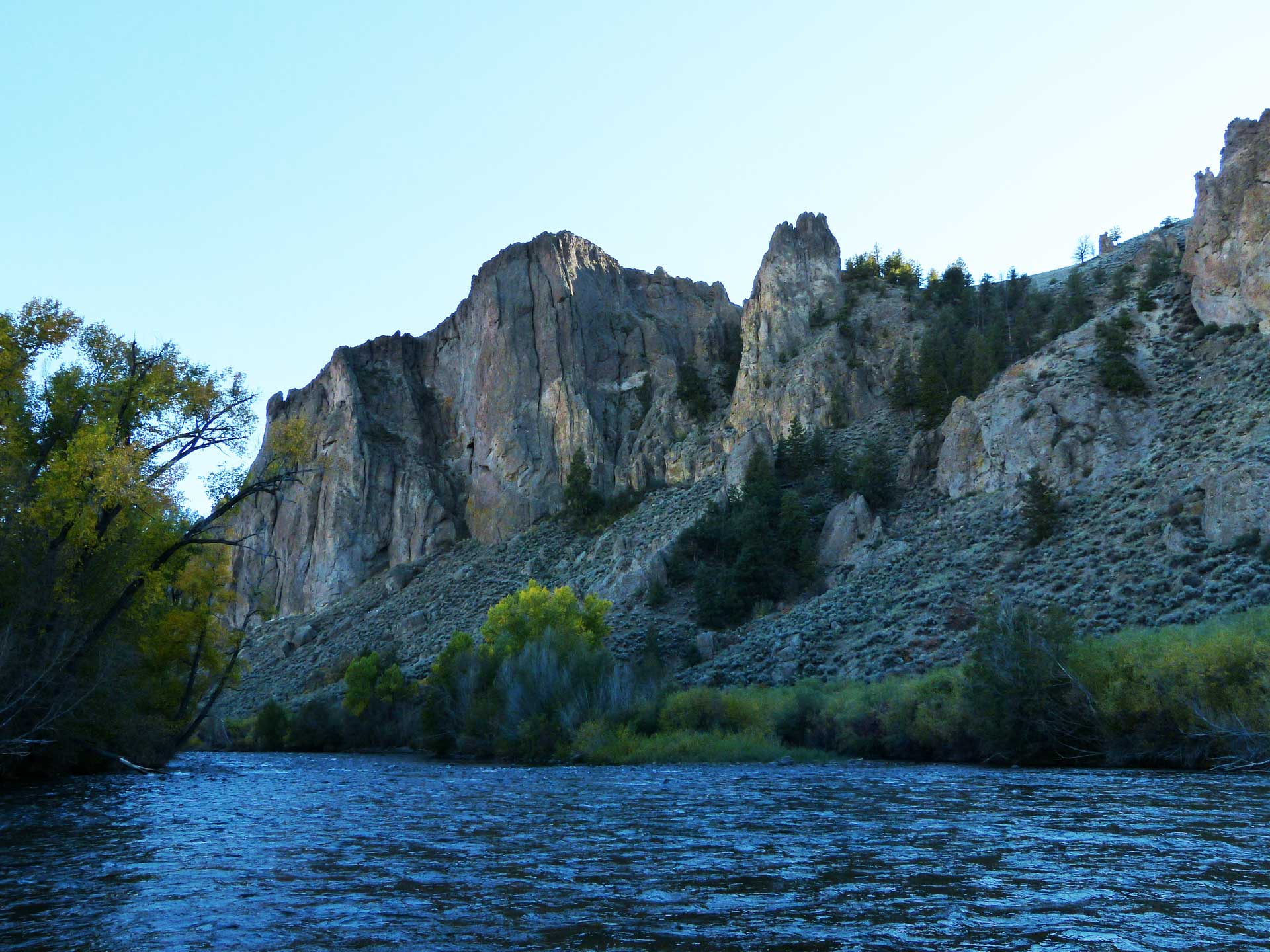
The Gunnison and Taylor Rivers, both designated Gold Medal waters, flow through the valley, while the Lake Fork and its tributaries support another premier trout fishery. With abundant public access and a strong culture of stewardship, Gunnison remains closely connected to the rivers and landscapes that sustain it.
“We’re incredibly honored to be included in TU’s Top 5 Conservation Towns for 2026,” said Sonya Chavez, Upper Gunnison Water Conservancy District Manager. “Protecting the rivers and landscapes that define this valley takes long-term collaboration between local residents, landowners, agencies, and conservation partners.”
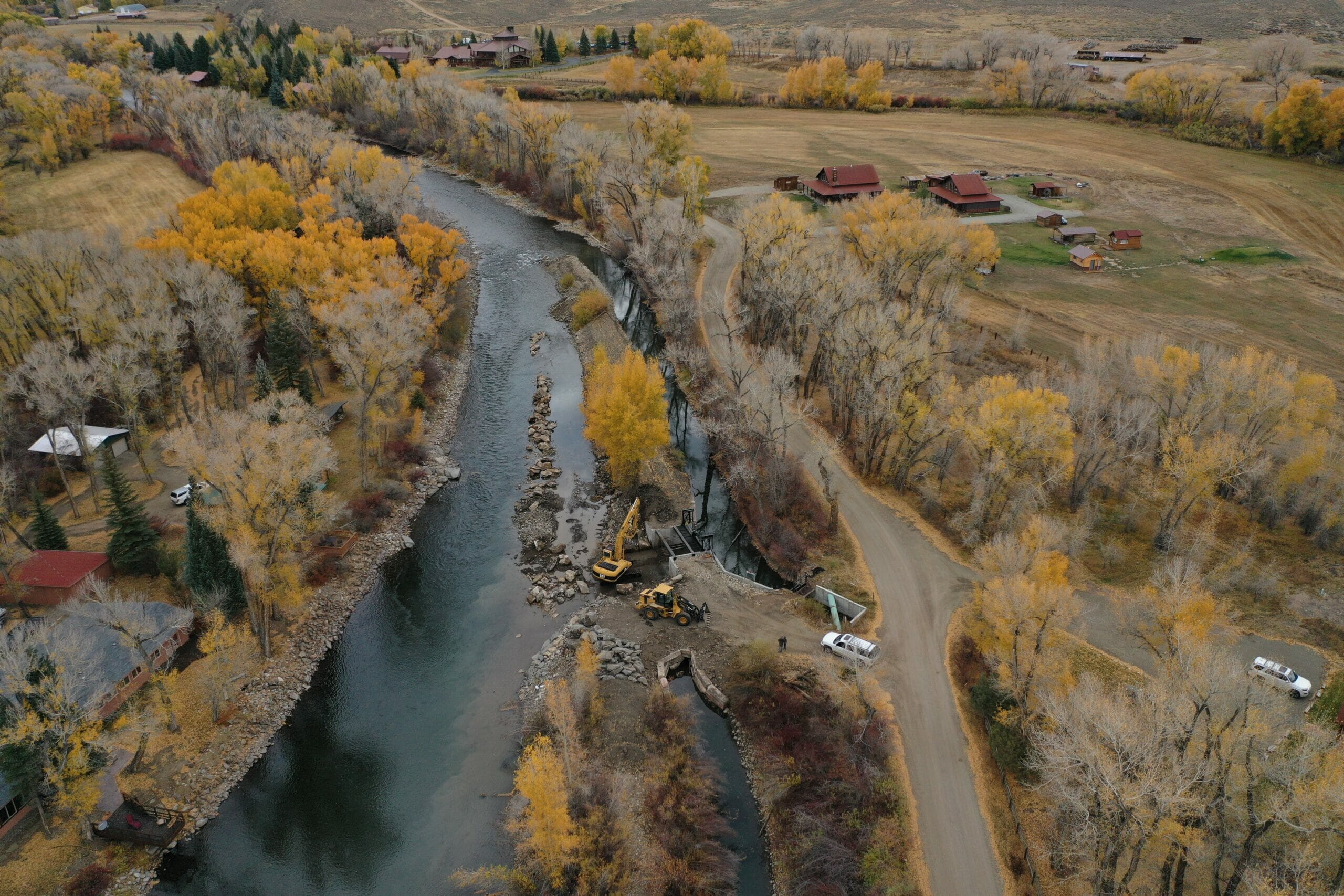
Across the basin, TU works with stakeholders to restore habitat in tributaries feeding the Gunnison and Taylor Rivers that restore the health of these iconic watersheds. Partnerships with the Upper Gunnison River Water Conservancy District, U.S. Forest Service, Bureau of Land Management, and the Natural Resources Conservation Service are the catalyst for work across these tributaries and has strengthened watershed health throughout the valley. These efforts reconnect streams to historic floodplains, improve sediment transport, and increase habitat complexity through techniques such as wood loading and channel reactivation. Work across these tributaries has strengthened watershed health throughout the valley. In the eastern basin, mine remediation and working lands conservation have helped trout biomass approach Gold Medal standards within the Tomichi Creek State Wildlife Area, an indicator of improving habitat conditions across the broader watershed.
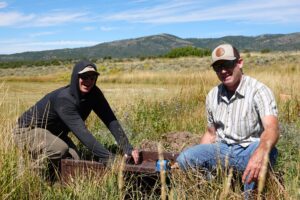
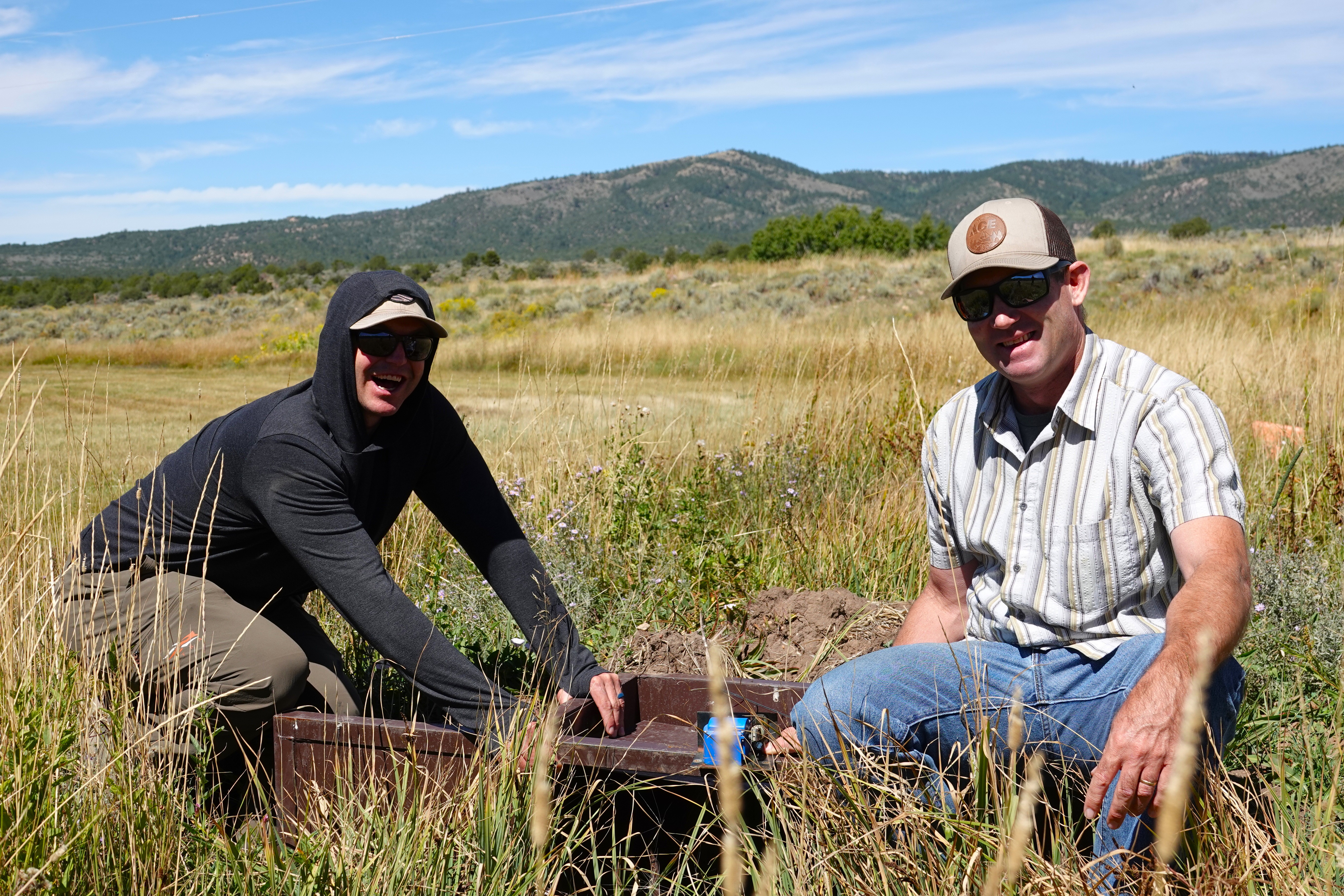
TU is also working with the Natural Resources Conservation Service through the Conservation Innovation Grants program to test auto‑tarp technology that allows irrigators to remotely control headgates for more efficient water management. The system was developed by a TU staff member in his garage after experiencing the impacts of persistent drought in the valley and recognizing the technology’s potential for ranchers. To date, eight ranches in the Gunnison and Rio Grande watersheds have implemented the system, with additional operations expected to adopt the technology in the coming years.
In Taylor Park, located in the upper reaches of the headwaters, TU and its partners like the U.S. Forest Service have collaborated on projects ranging from mine remediation at the historic Forest Hill site to wetland expansion and restoration across the watershed. Many of these efforts focus on improving water quality in critical headwater areas while complementing fuel reduction and wildfire mitigation in surrounding forests.
Looking ahead, TU and its partners are exploring opportunities to restore severely degraded streams that were historically dredged for gold. These legacy impacts left many systems disconnected from their floodplains and simplified aquatic habitat. Reestablishing natural channel processes and rebuilding complex stream habitats will be critical to sustaining Gunnison’s fisheries and building resilient watersheds.
Because of Gunnison’s central role in the upper Colorado River headwaters, and its strong tradition of collaboration, the community will remain a focal point as partners continue advancing restoration, stewardship, and watershed resilience across the region.
Honorable Mentions: Fort Bragg, California
Fort Bragg, California
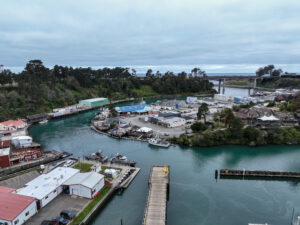
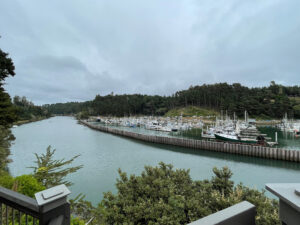
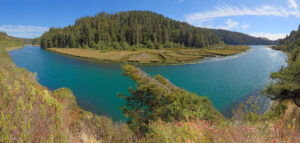
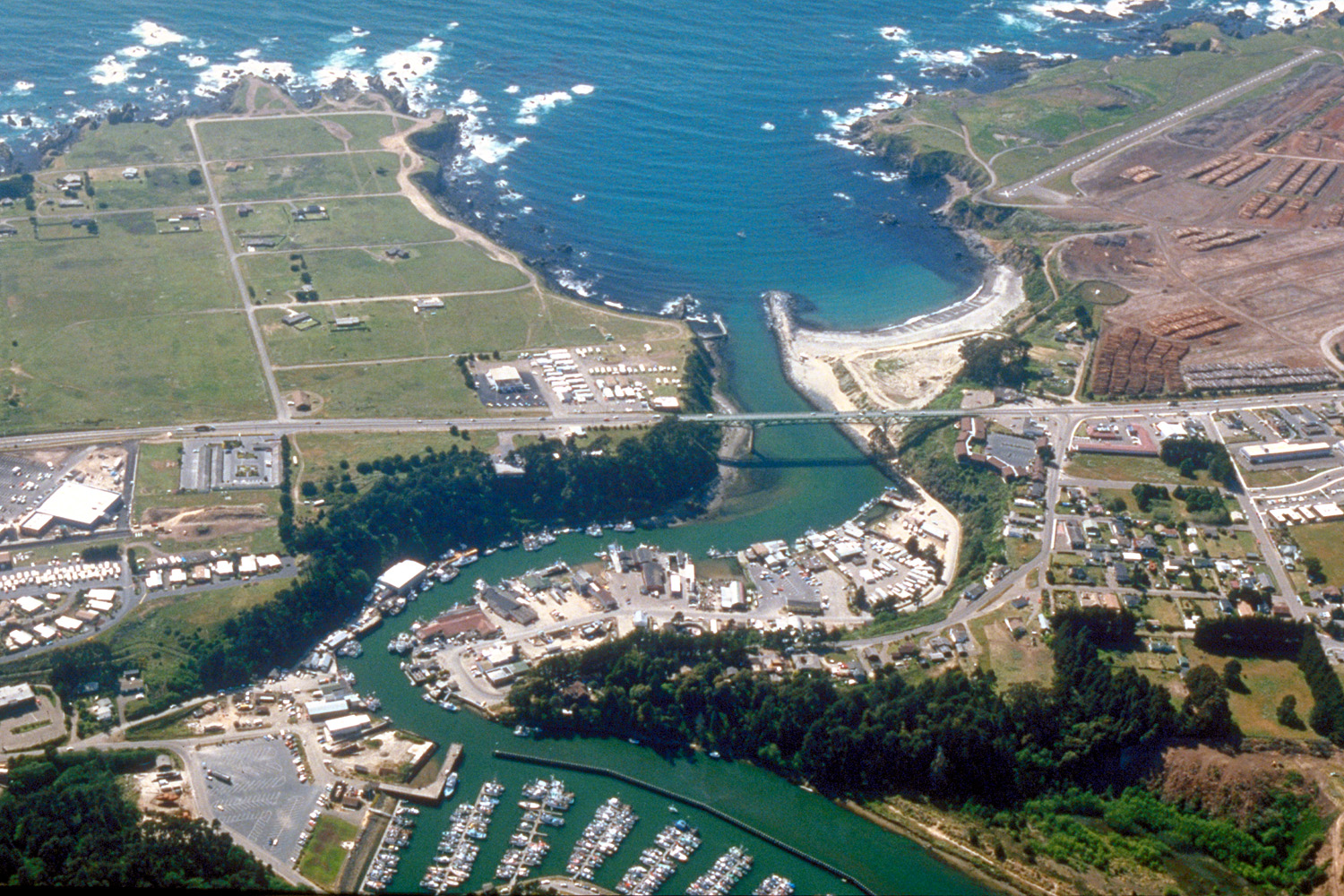
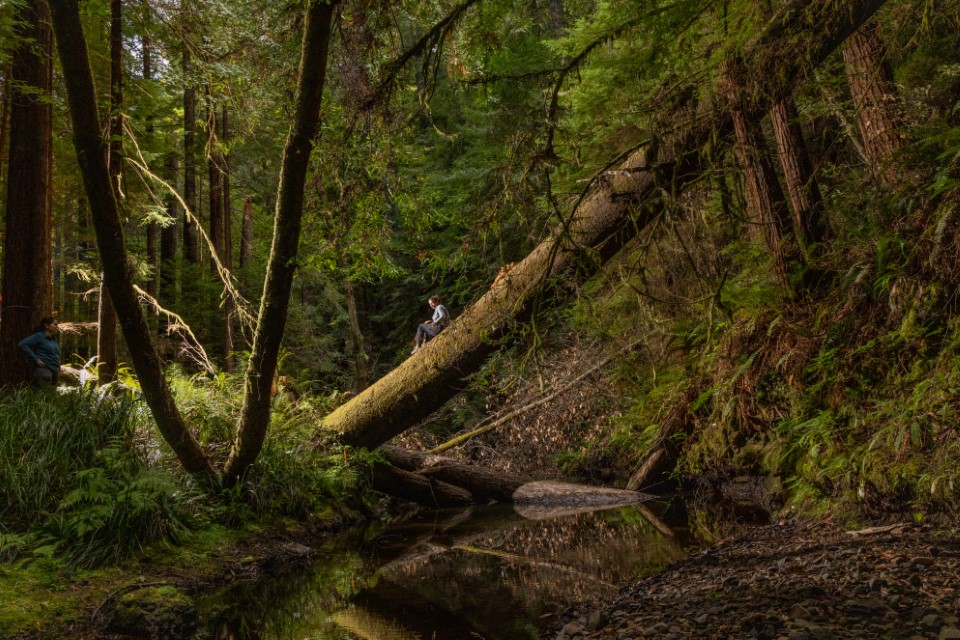
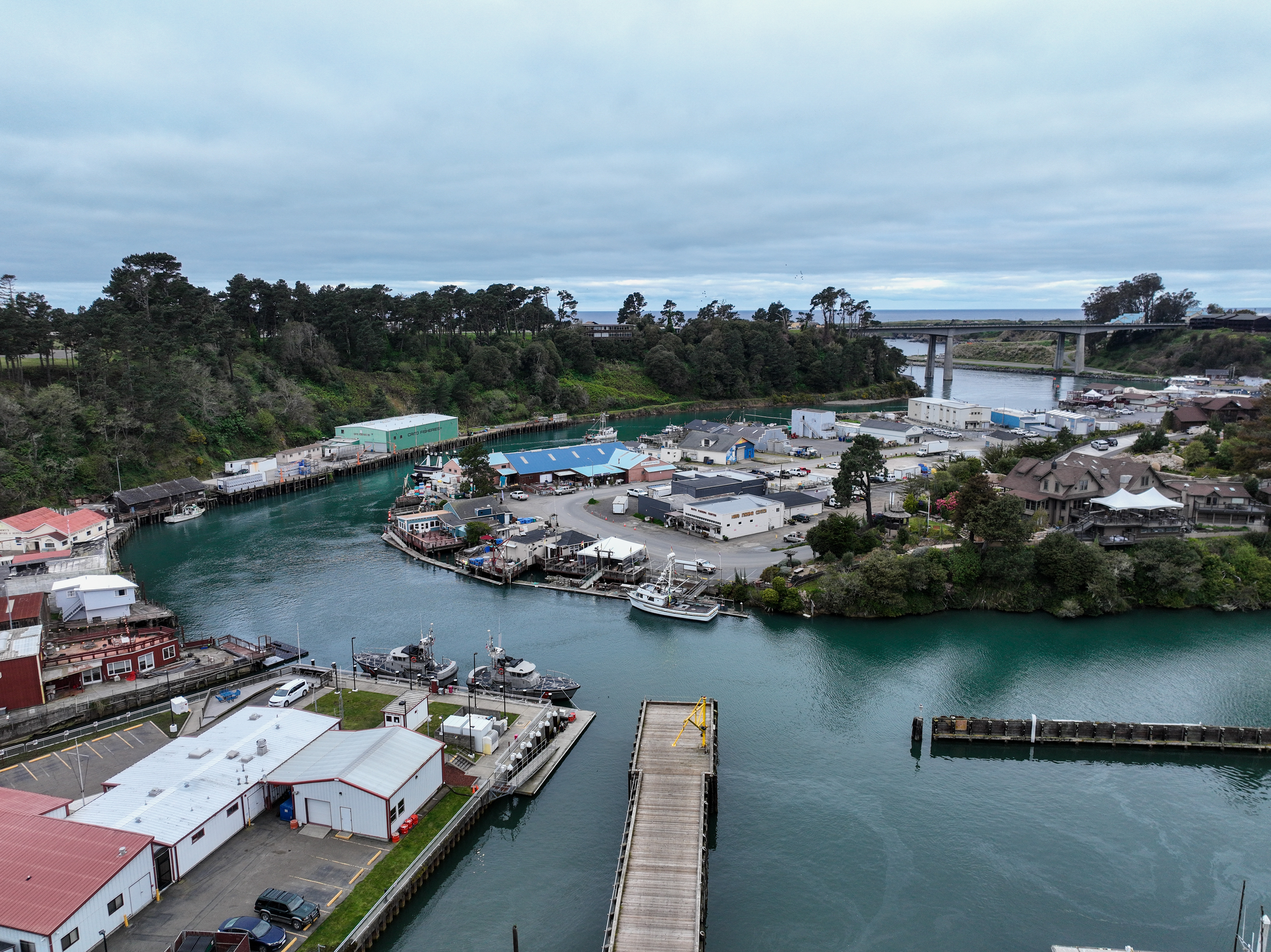
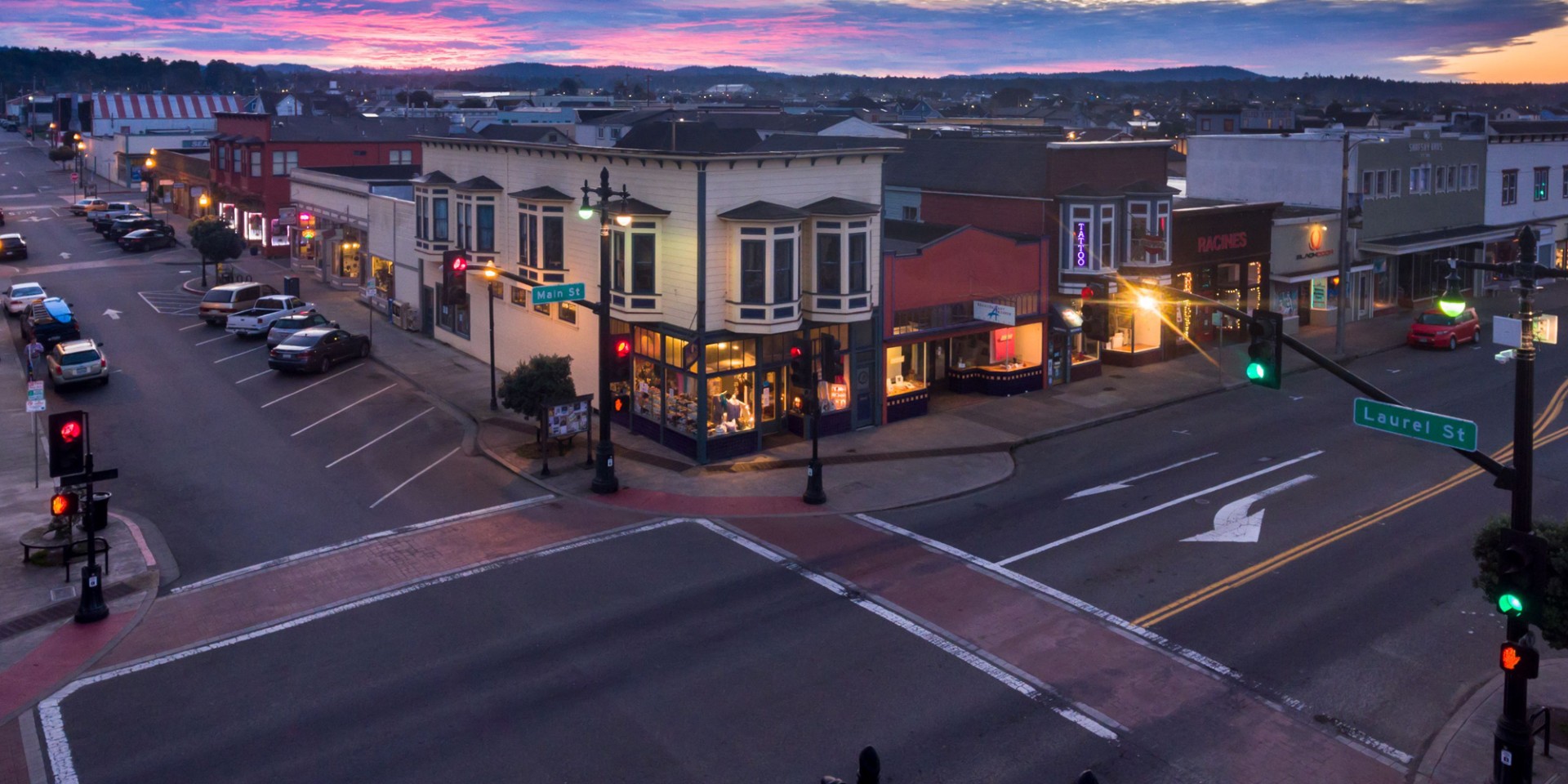
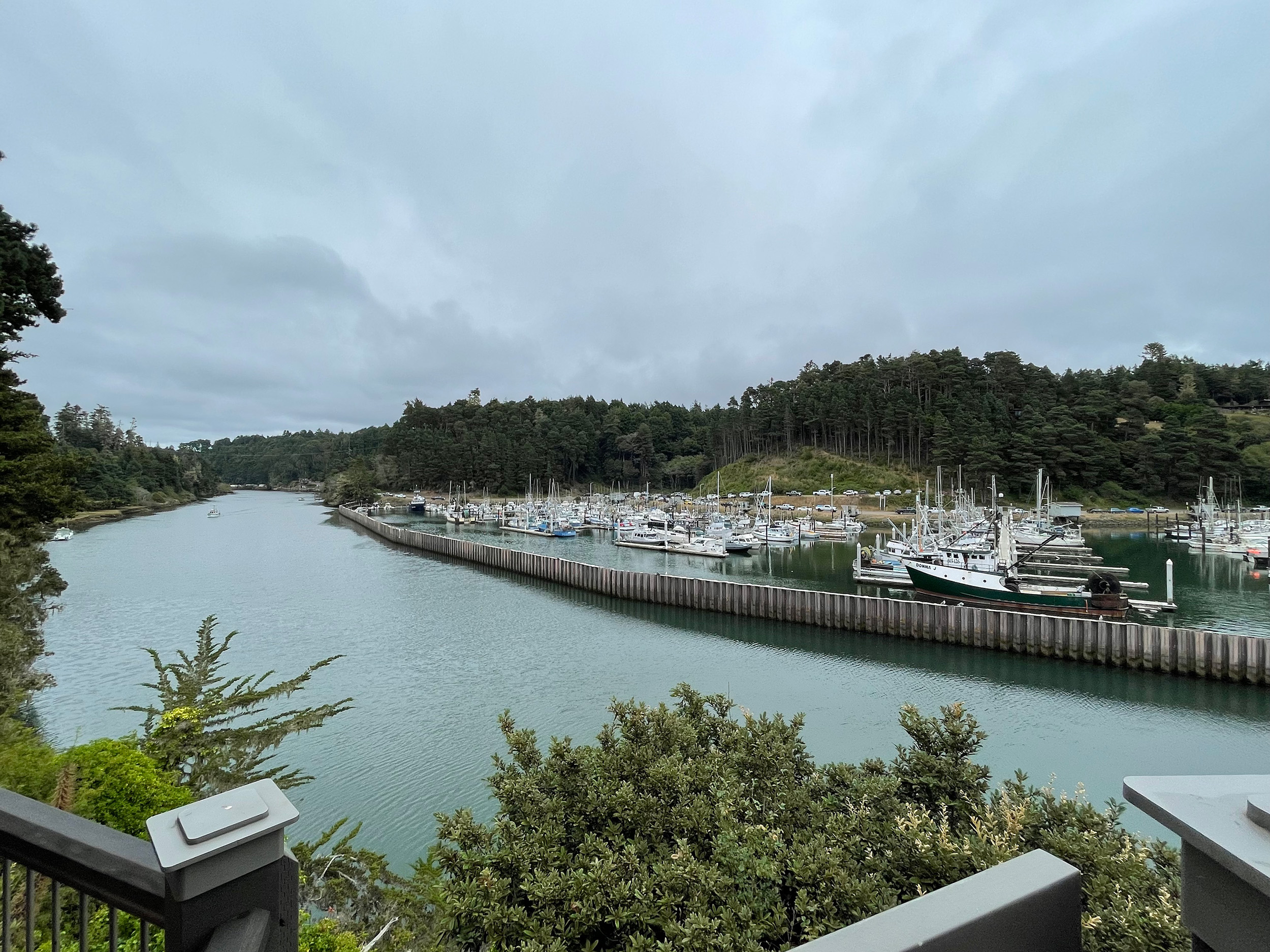
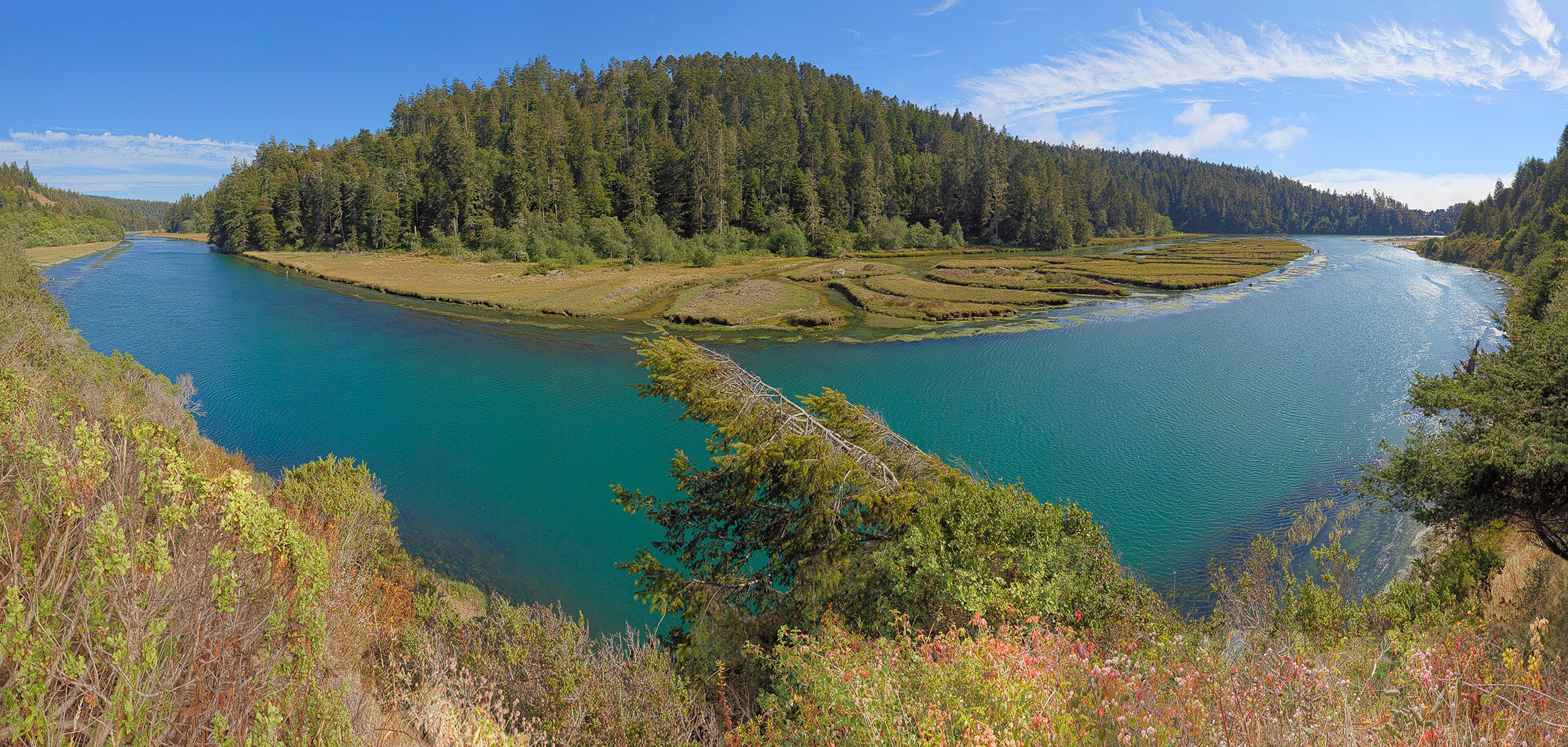
On the rugged coastline of Mendocino County, the harbor town of Fort Bragg sits at the confluence of redwood forests, coastal estuaries, and some of Northern California’s most important salmon and steelhead watersheds.
Nearby rivers like the Noyo River, Big River, and Ten Mile River wind into the Pacific, supporting populations of coho salmon and steelhead trout.
With a landscape defined by water and a community deeply tied to its natural resources, Fort Bragg remains connected to the health of its rivers and fisheries. Beyond the rivers, the town is a founding member of the Noyo Ocean Collective, a regional partnership that’s committed to investing in the Blue Economy, an economic vision that celebrates conservation and sustainable development as valuable parts of the economy.
“Fort Bragg deserves recognition for their citywide effort to make conservation and sustainability the cornerstone of the local economy,” said Trout Unlimited’s North Coast Coho Project Director Anna Halligan, who lives in Fort Bragg. “Restoring salmon and steelhead runs on the North Coast takes commitment from across the community— and our local government has shown they’re excited about working toward many shared conservation goals.”
Across the region, Trout Unlimited plays a key role in the North Coast Coho Project, a collaborative, science-driven effort to recover endangered coho salmon populations and restore watershed function. Working alongside partners including the California Department of Fish and Wildlife, NOAA Fisheries, tribal nations, and local landowners, TU helps implement habitat restoration and streamflow projects that improve spawning and rearing conditions throughout Mendocino County’s coastal streams.
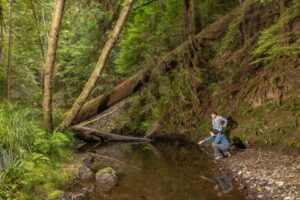
These efforts focus on reconnecting fragmented habitat, increasing instream complexity, and restoring natural processes that support fish at every life stage. Large wood placement, culvert replacement, and floodplain reconnection projects have improved fish passage and created the deep pools and cover that juvenile salmonids depend on. Sediment reduction work in the headwaters of the region’s rivers has improved water quality, creating cleaner, clearer rivers. With record returns of coho in recent years, the area’s rivers and streams are beginning to thrive.
Partnerships are at the heart of this progress. Collaboration with groups like the Mendocino Coast Resource Conservation District and The Nature Conservancy has helped scale restoration across entire watersheds, while engagement with private timberland owners has opened the door to projects on working lands that are critical to long-term recovery. In addition to providing jobs and adding to the local economy, these partners are addressing legacy impacts from logging, undersized road crossings, and historic land use practices that once limited access to high-quality spawning habitat.
Because of its proximity to vital coastal rivers and its strong network of committed partners, Fort Bragg will remain a cornerstone of salmon recovery on California’s North Coast—where collaboration, science, and stewardship come together to rebuild resilient fisheries for generations to come
Looking ahead, TU is excited to highlight towns that are connected to their surrounding rivers and we look forward to witnessing the progress that continues to build on the North Coast.



Honorable Mentions: Florence, Wisconsin
Florence, Wisconsin
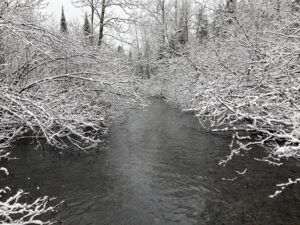
Locals in Florence County, Wisc., take pride in their remote, rural setting.
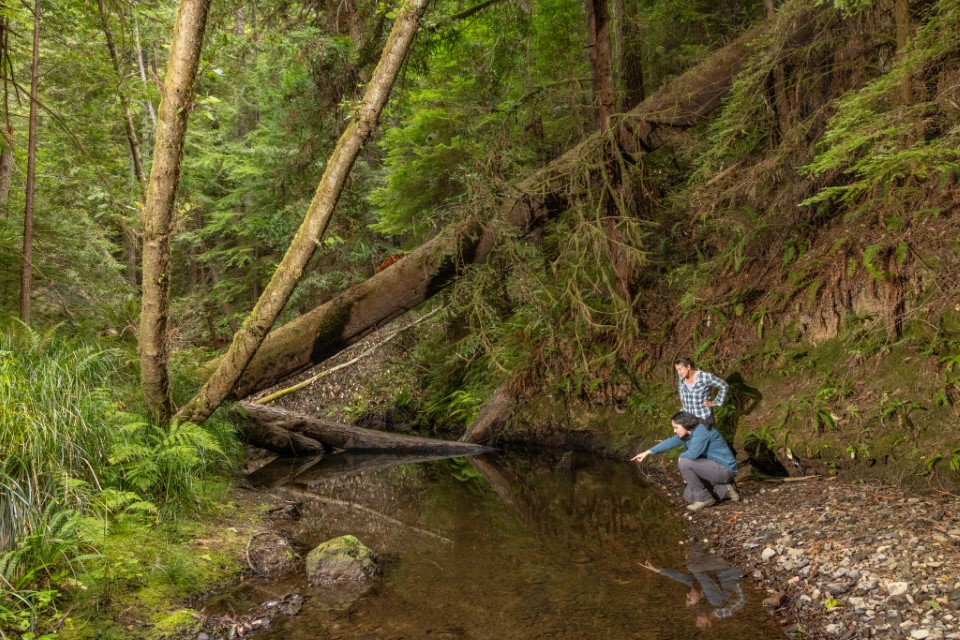
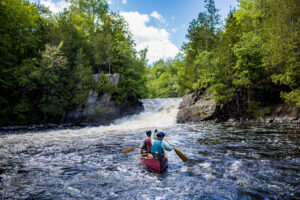
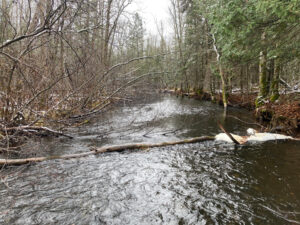
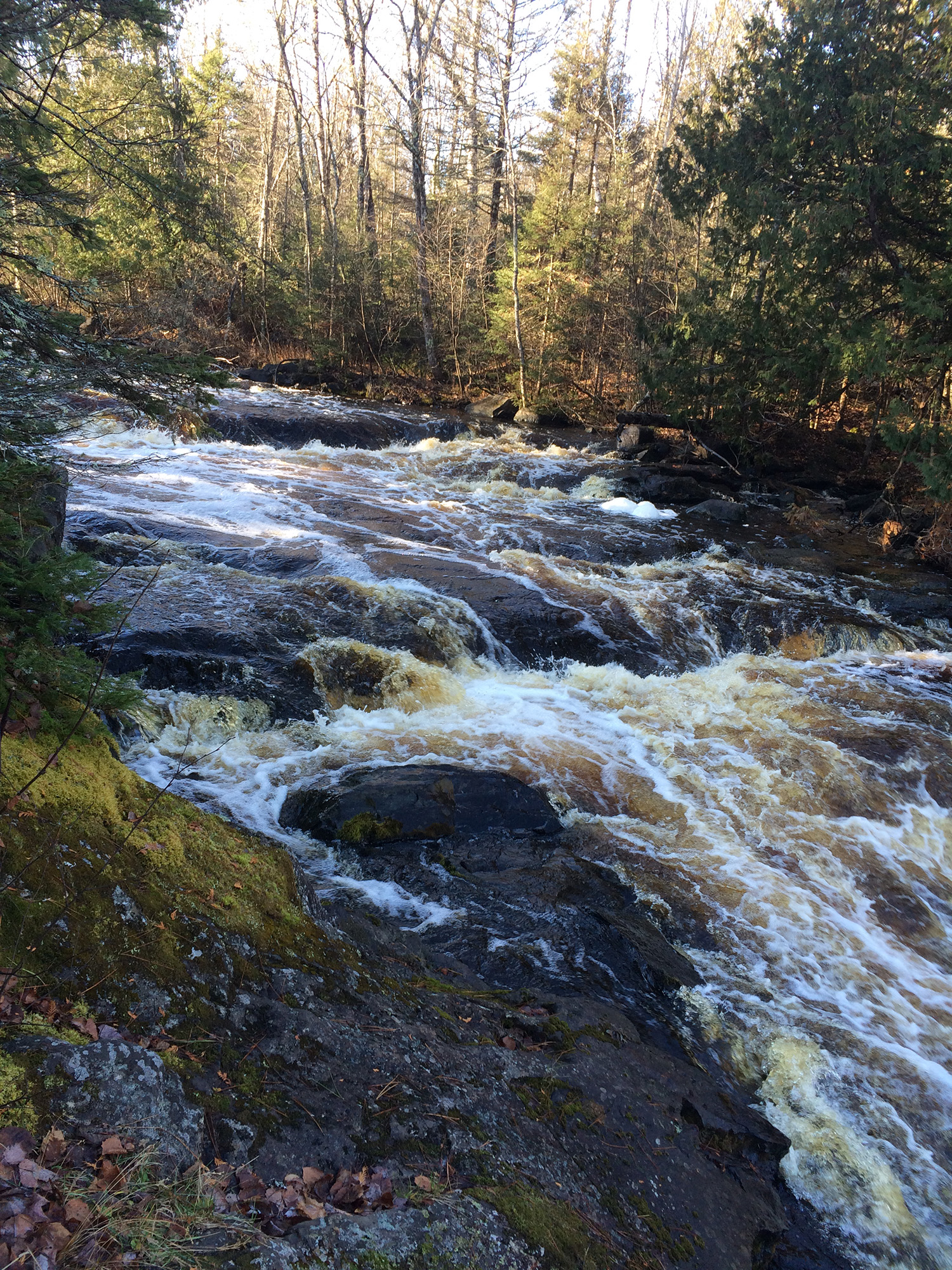
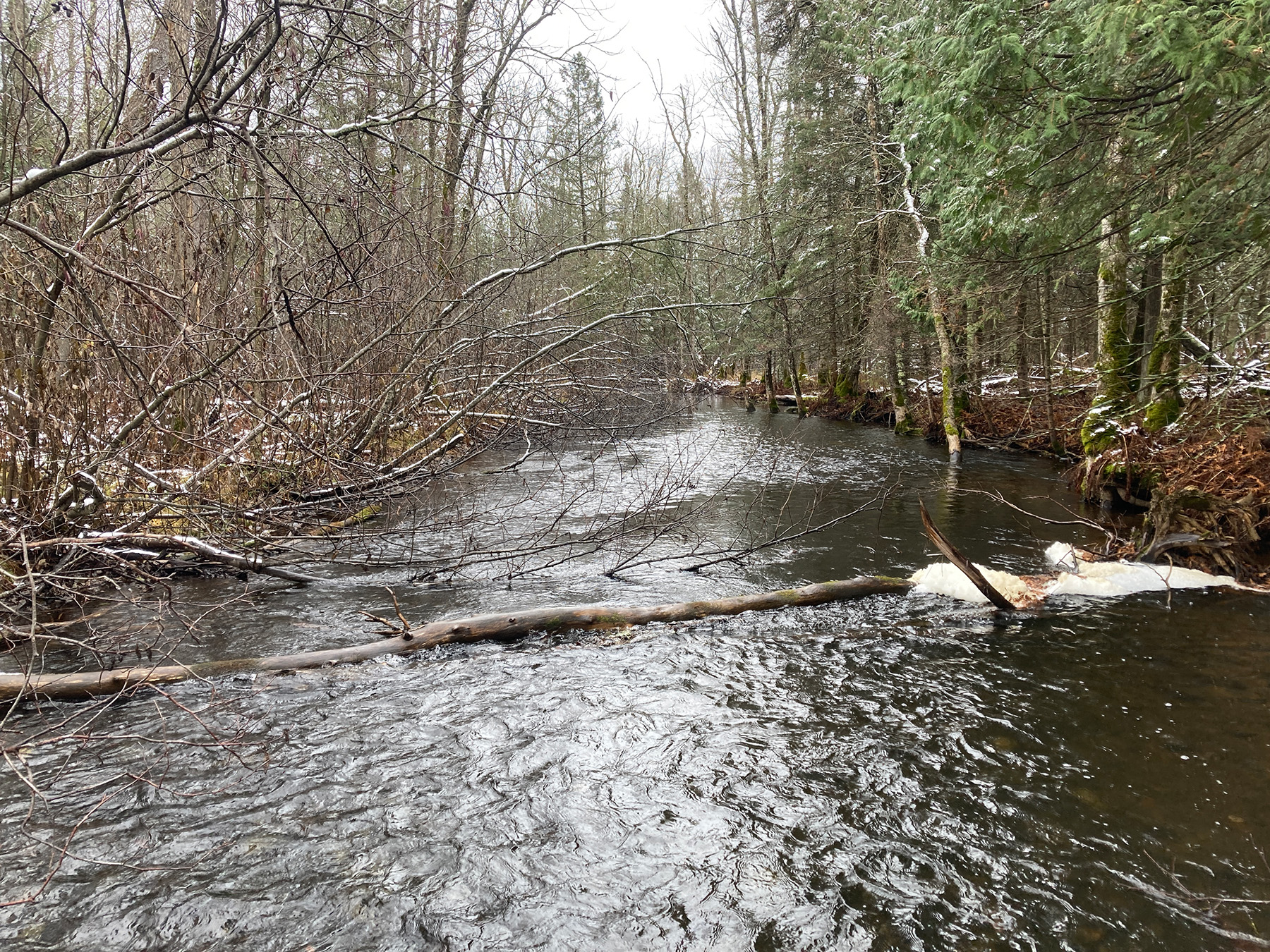
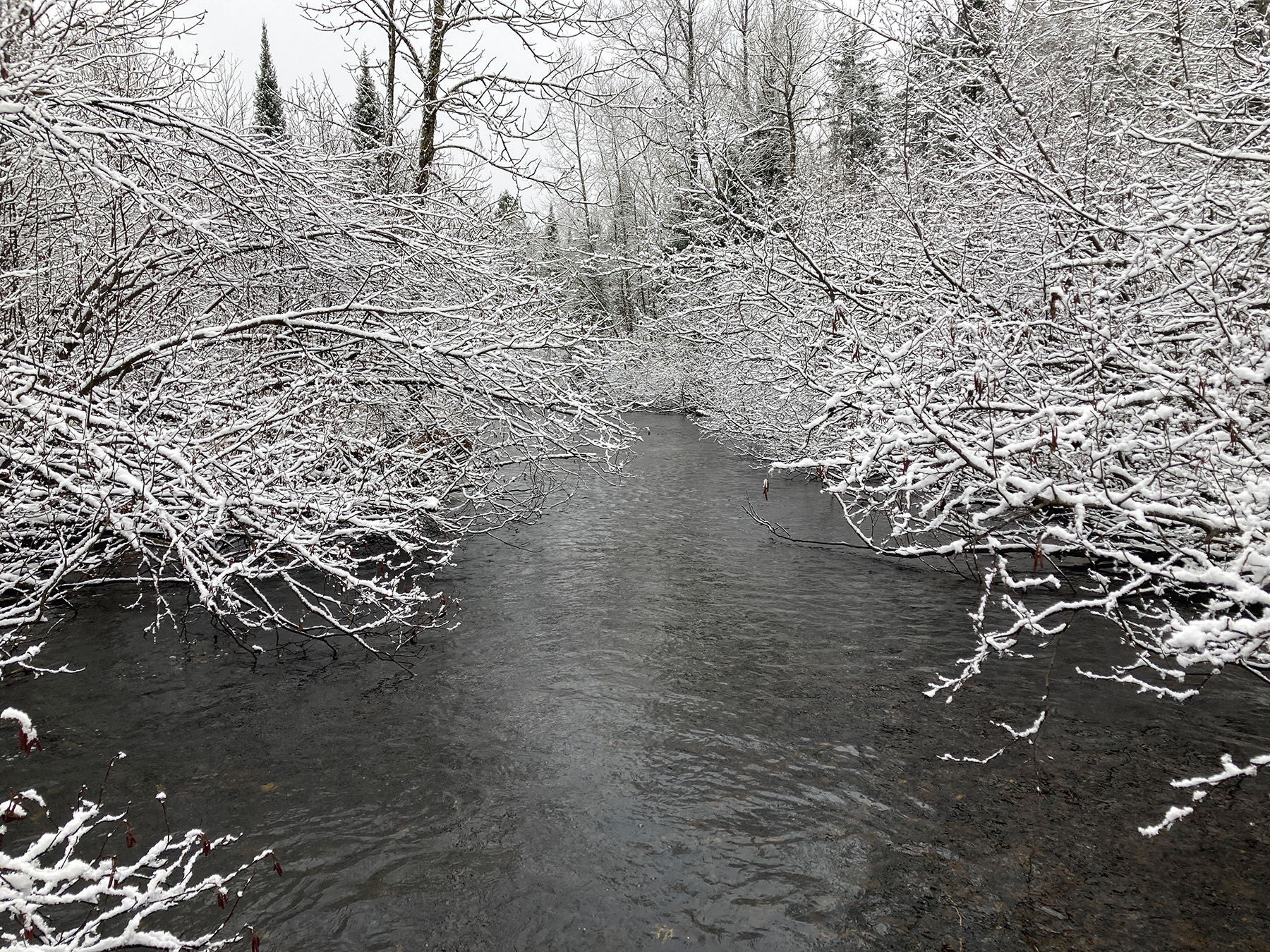
The fact that there isn’t a single stoplight in the entire county, including the town of Florence, is a matter of pride. What the county lacks in stoplights and population it makes up for in streams and fish. Collaborating with a host of partners, TU has been working hard to improve the health of the area’s streams. The Pine and Popple rivers are two of the county’s crown jewels.
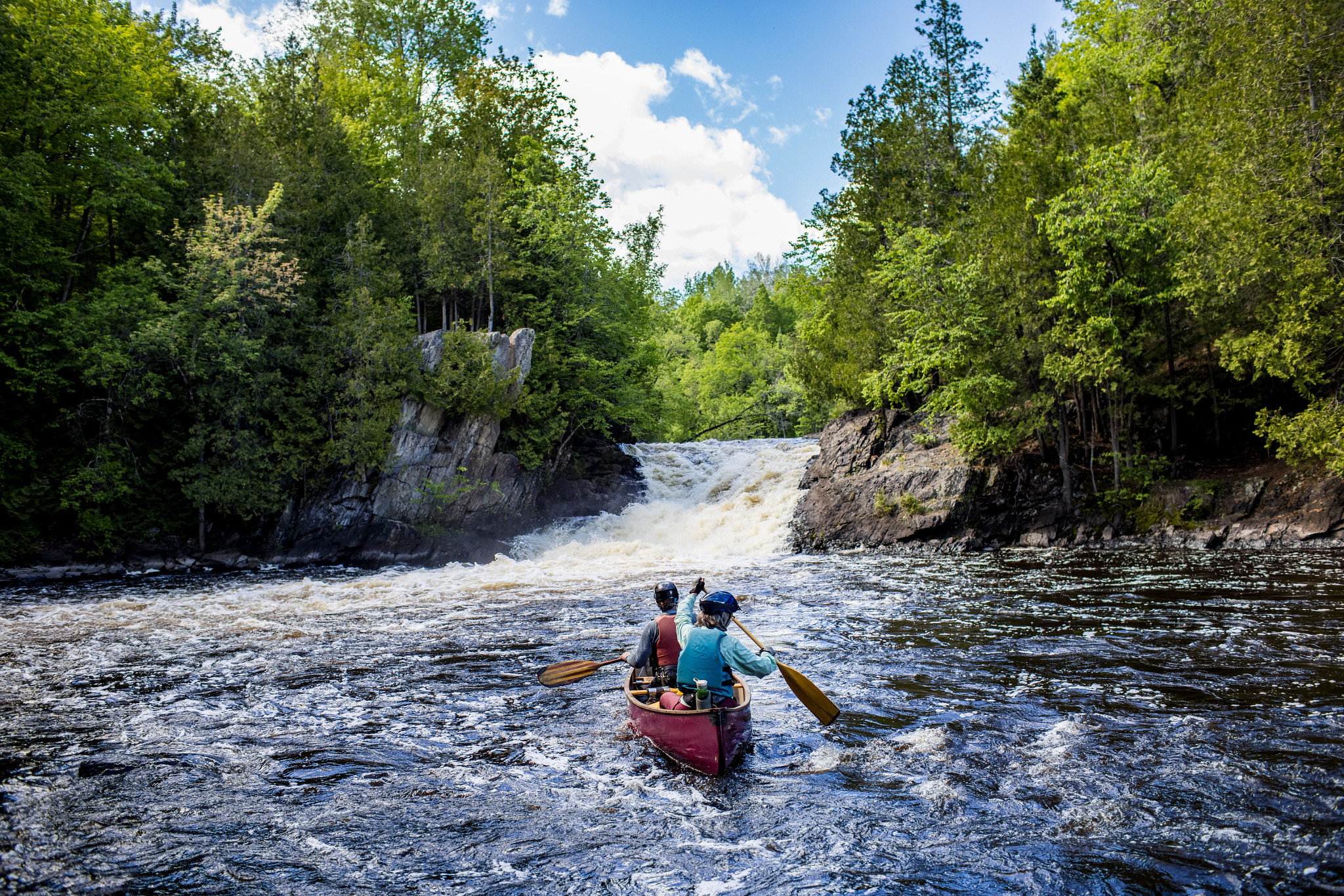
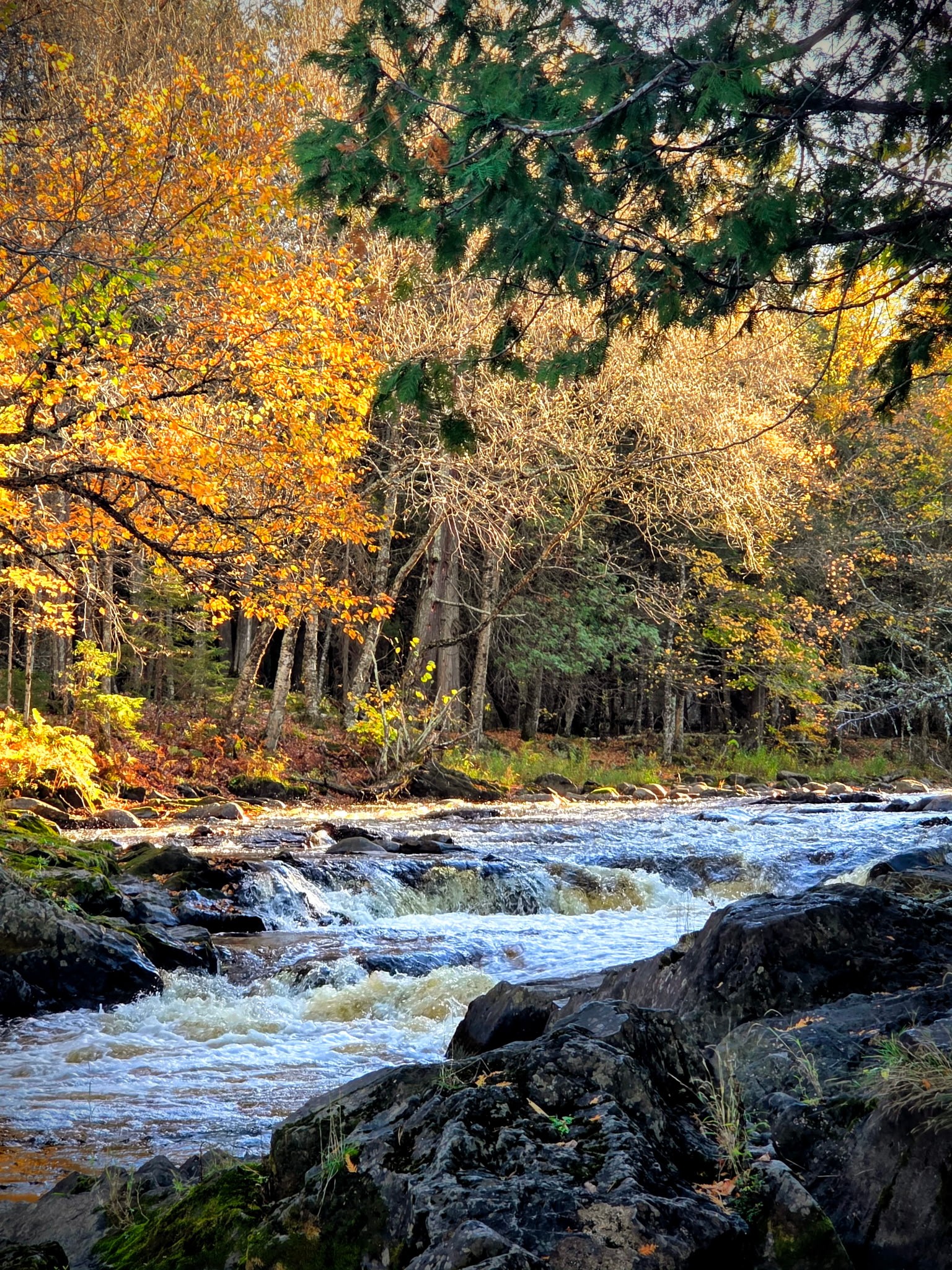
The winding, scenic rivers draw lots of paddlers and are so appreciated by locals that they inspired the construction of the Wild Rivers Interpretive Center, a joint project of the U.S. Forest Service and Florence. While those two rivers get a little too warm in the heat of summer, trout from many tributaries move between the fertile larger rivers and the smaller, cooler streams.
“It’s amazing angling with light pressure,” says Chris Collier, who manages TU’s projects in the region.
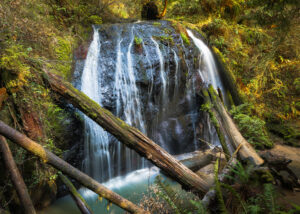
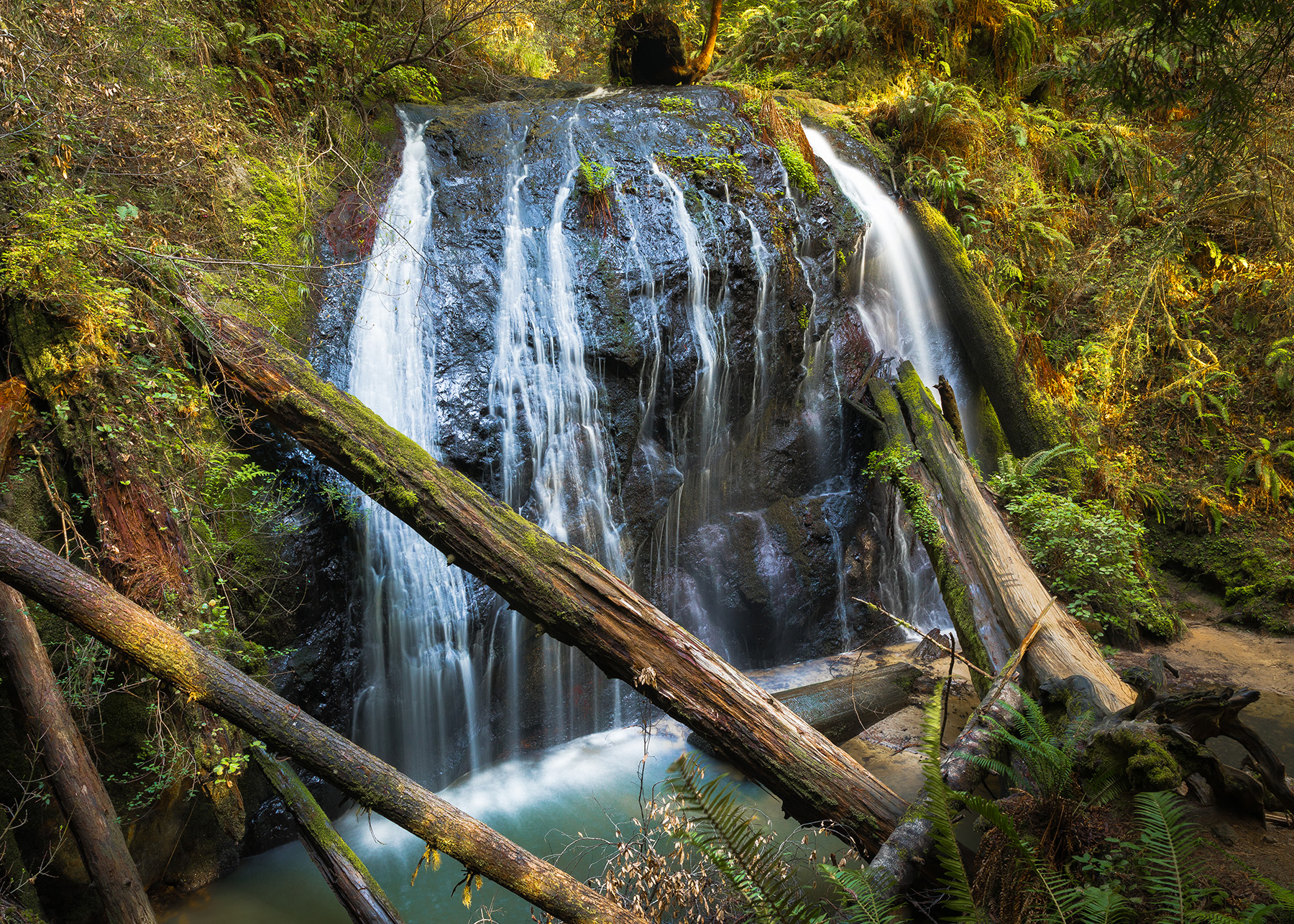
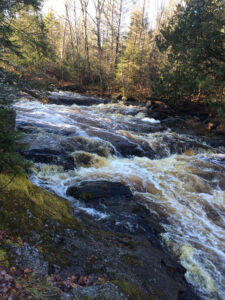
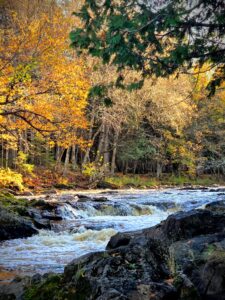
“The Pine and Popple Wild Rivers were uniquely set aside by state law in 1965 and Florence County has been promoting the Wild Rivers as a destination since 2014,” said Wendy Gelhoff, director at the Wild River Interpretive Center. “These unique rivers offer activities for many types of outdoor recreation: trout fishing, paddling, hiking, bird watching, and tubing. There are also eight waterfalls to explore and photograph, including Breakwater Falls, which is the 6th largest waterfall in Wisconsin.”
“Many people who spend time on the rivers share that they feel like they are in Canada thanks to the undeveloped and sometimes rugged terrain they encounter along the state, county, and federal owned lands that protect these Wild Rivers.”
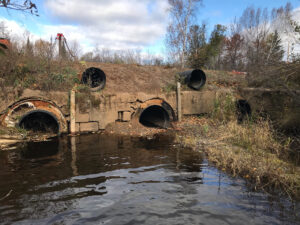
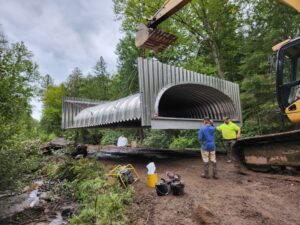
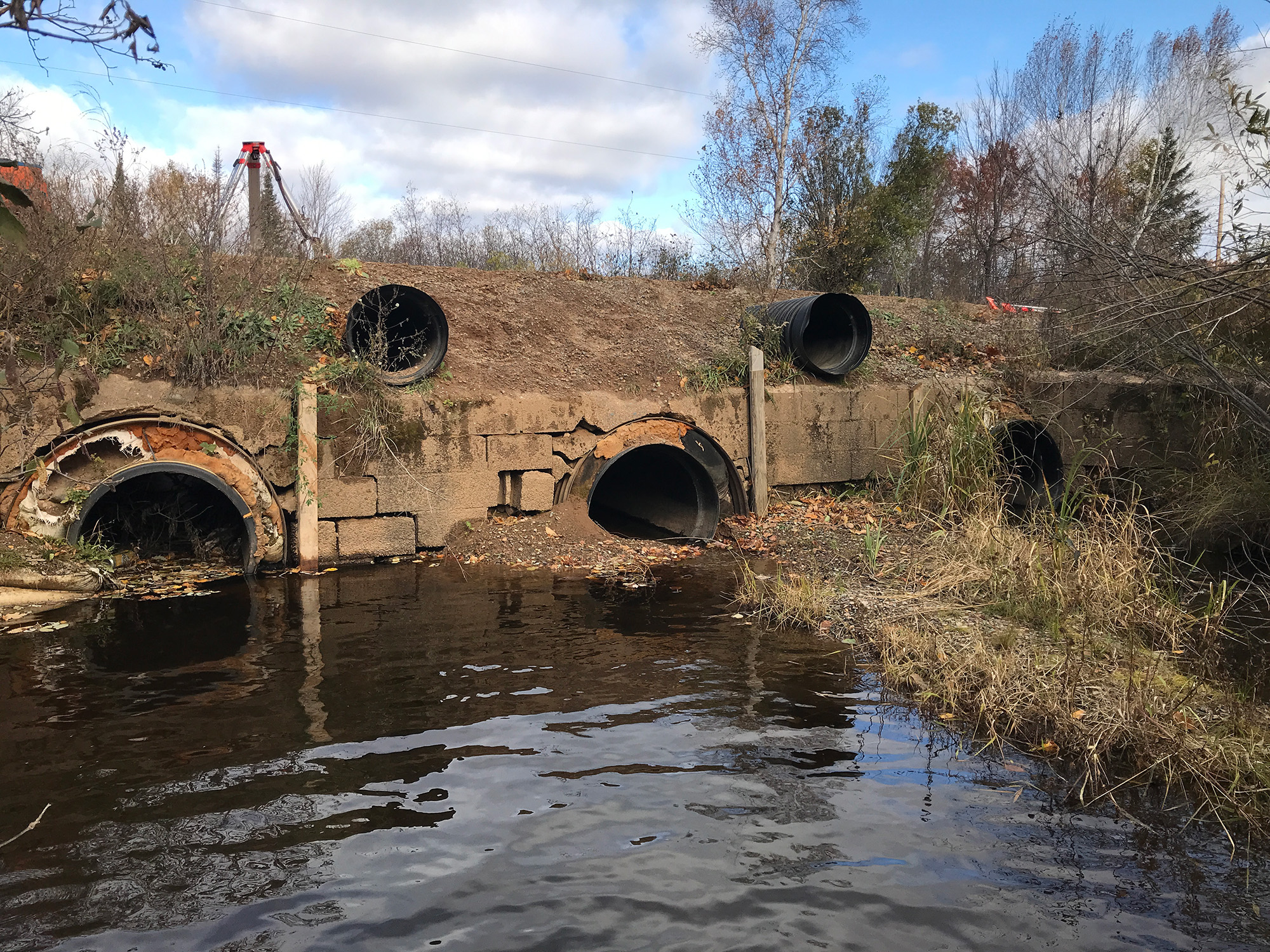
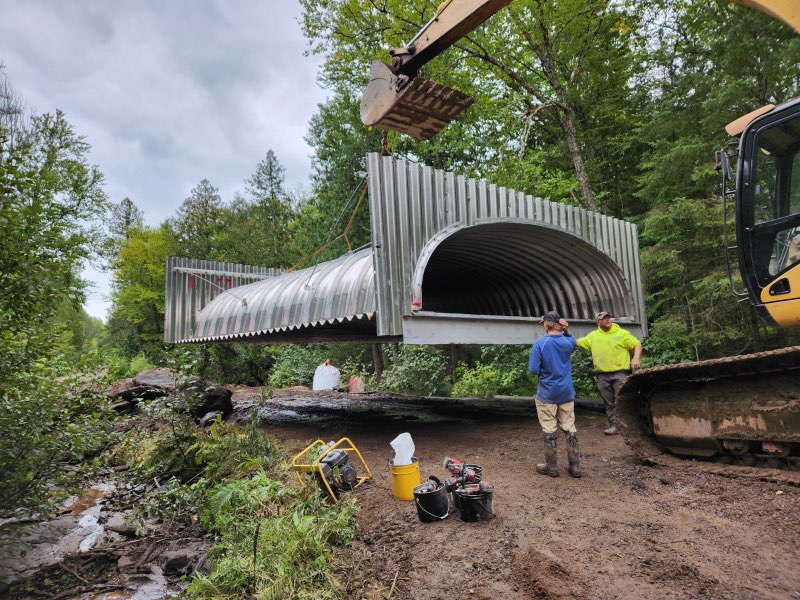
Much of TU’s work with partners such as the county’s land conservation office, the Wisconsin Department of Natural Resources, and the Forest Service consists of addressing barriers to fish passage, removing undersized and perched culverts and replacing them with fish- and paddler-friendly structures.
TU has completed seven such projects to date, with several more in the works.
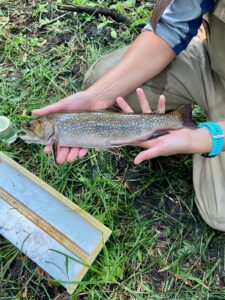
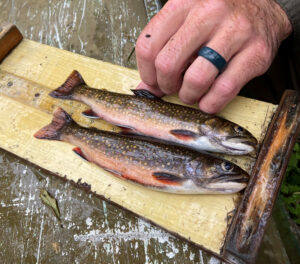
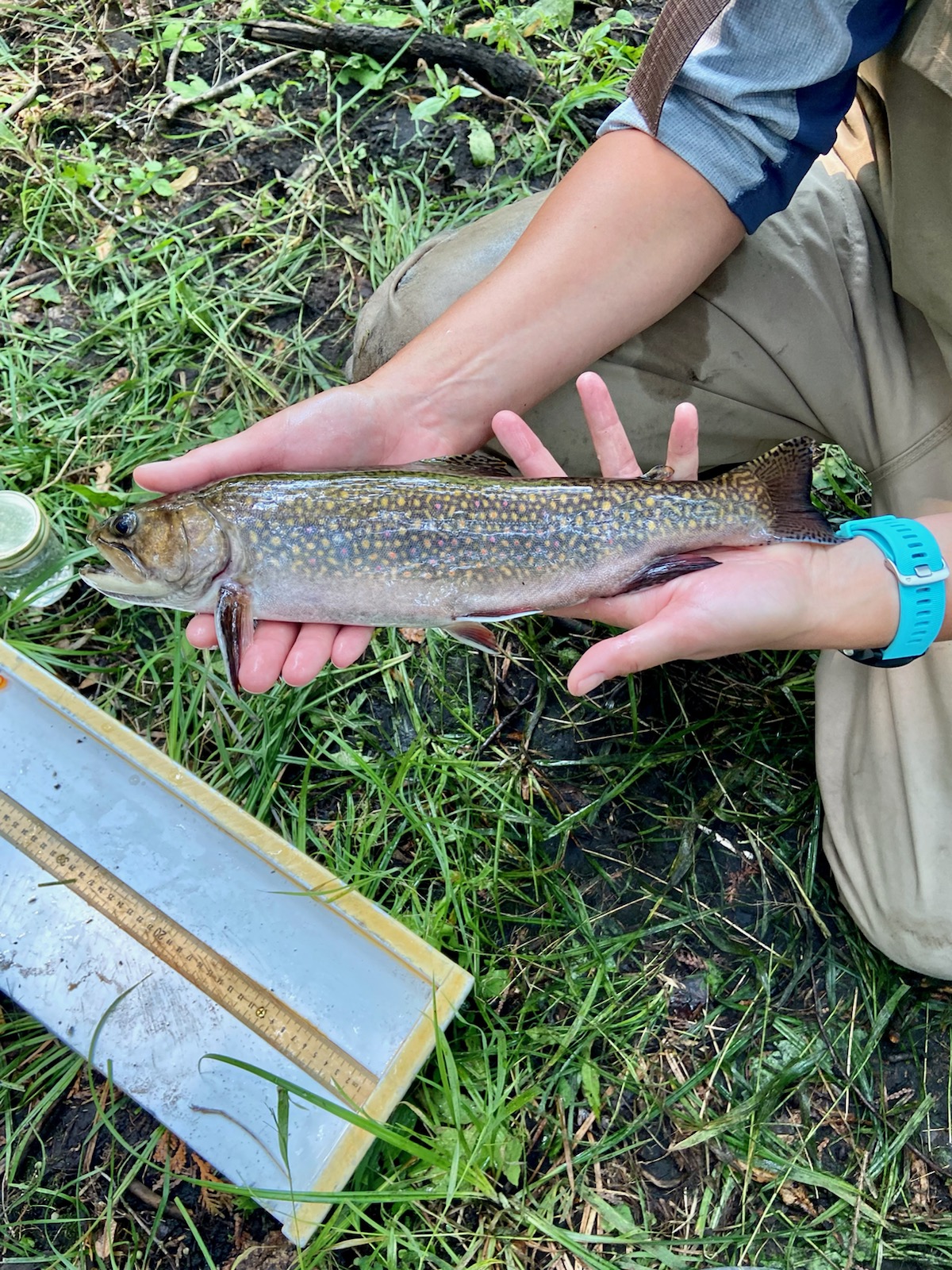
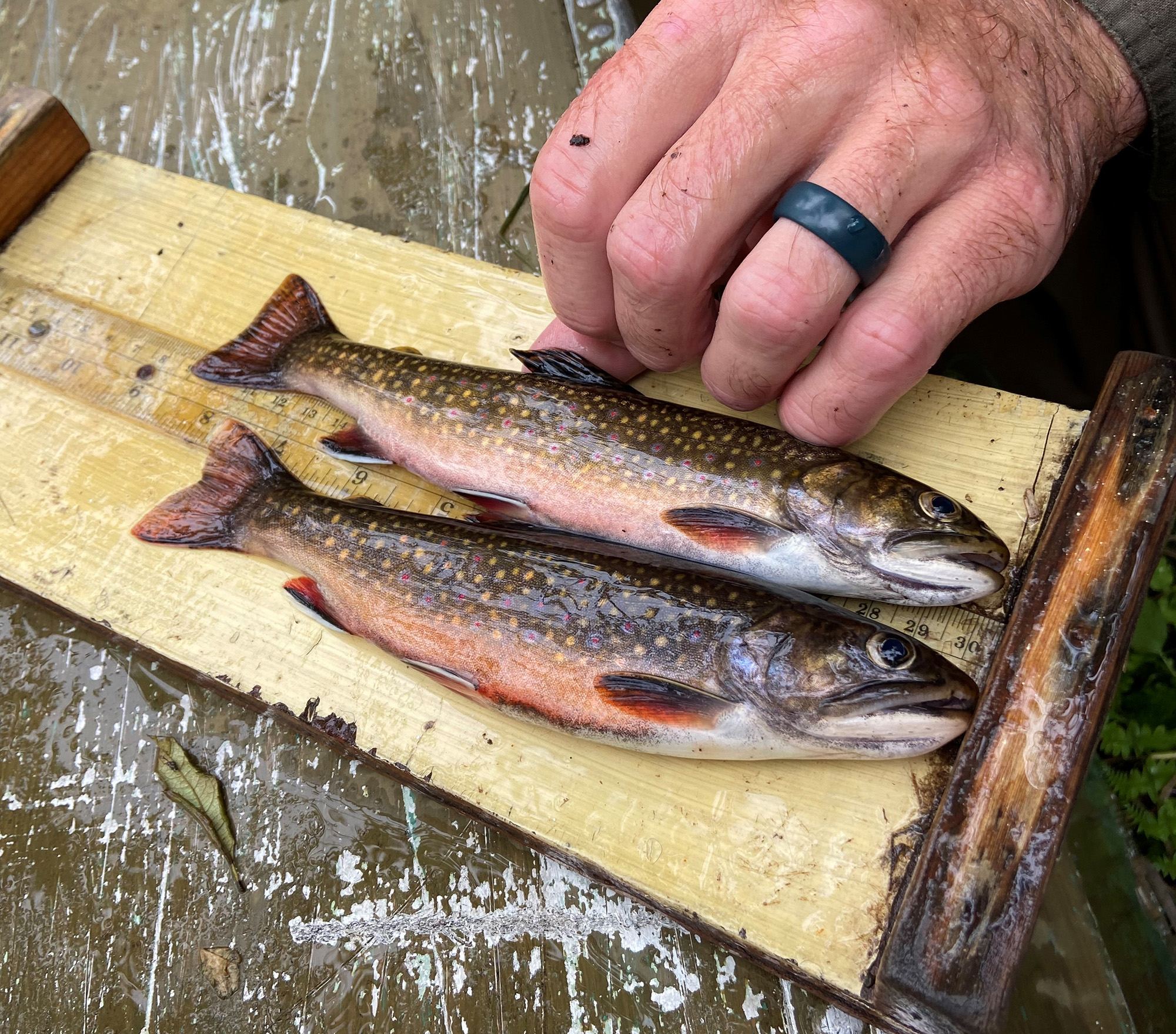
Expanding the amount of habitat the region’s native brook trout can reach for feeding, spawning and finding coldwater refugia during the heat of summer means that those already robust trout populations will just keep getting better.
Honorable Mentions: Rockland, New York
Rockland, New York
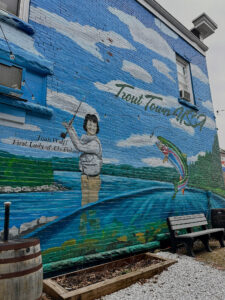
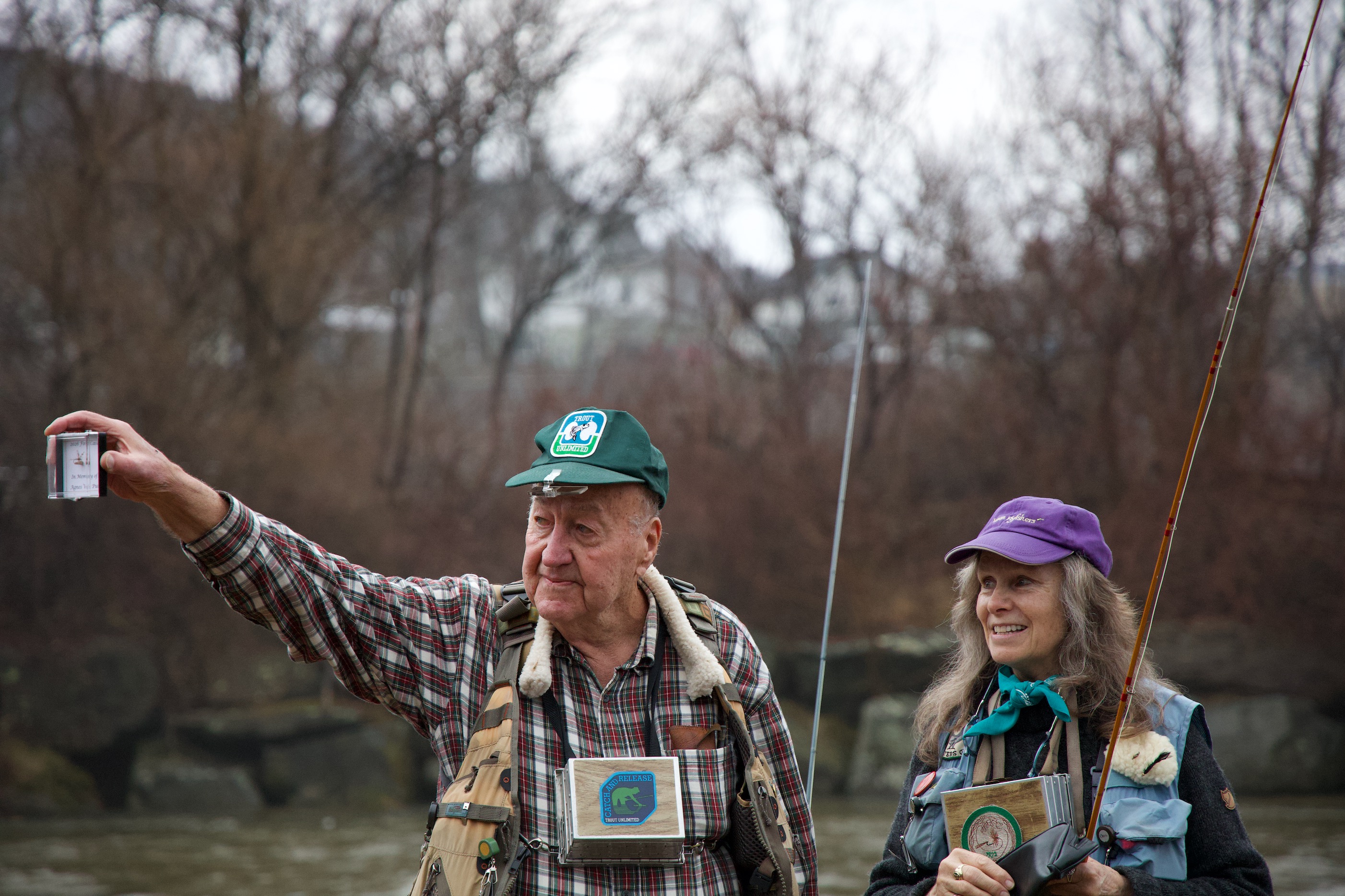
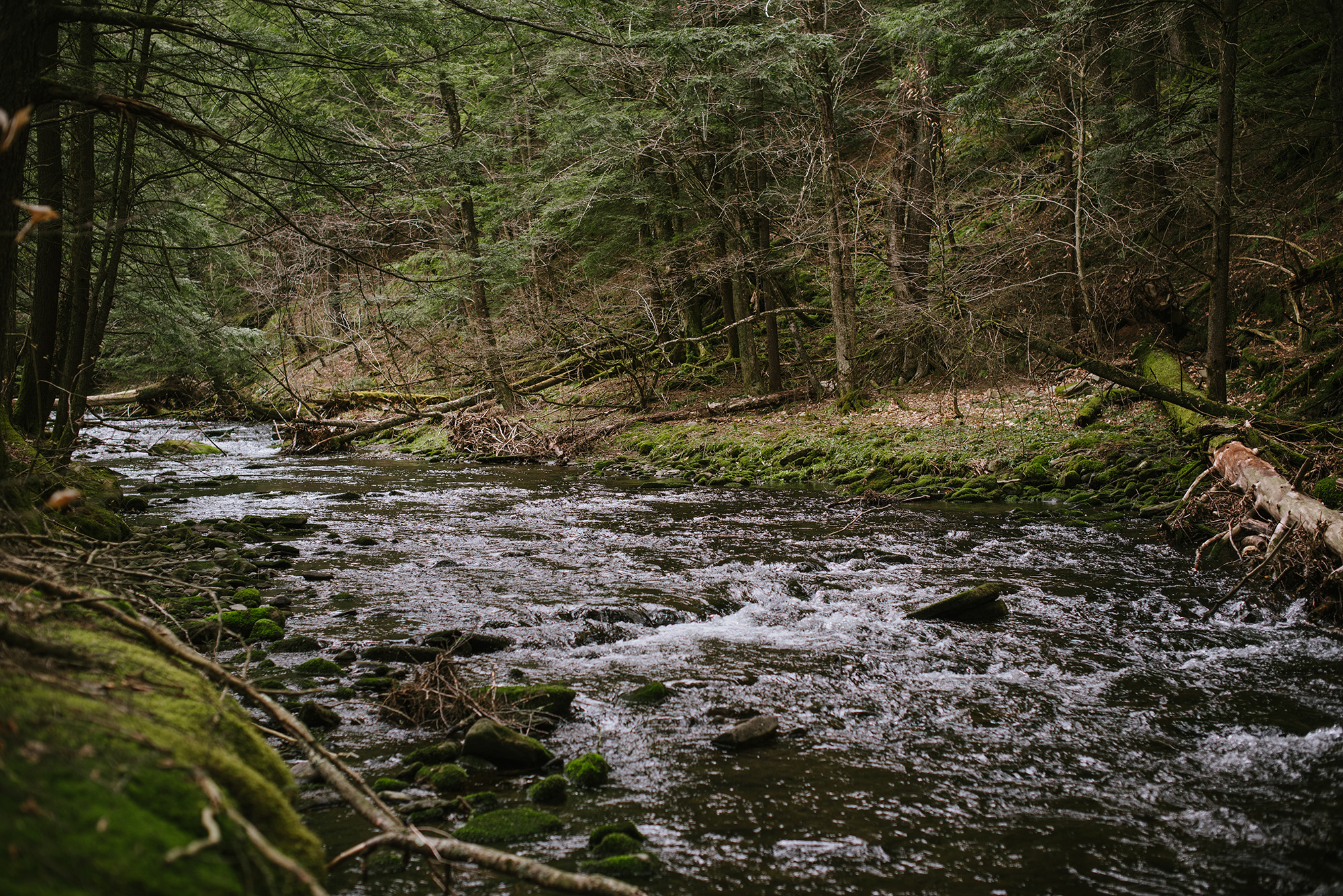
Nestled at the junction of famous trout streams the Beaver Kill and the Willowemoc Creek, the Town of Rockland, New York, has leaned into its identity as a trout fishing mecca.
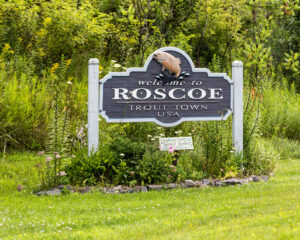
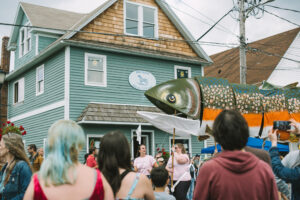
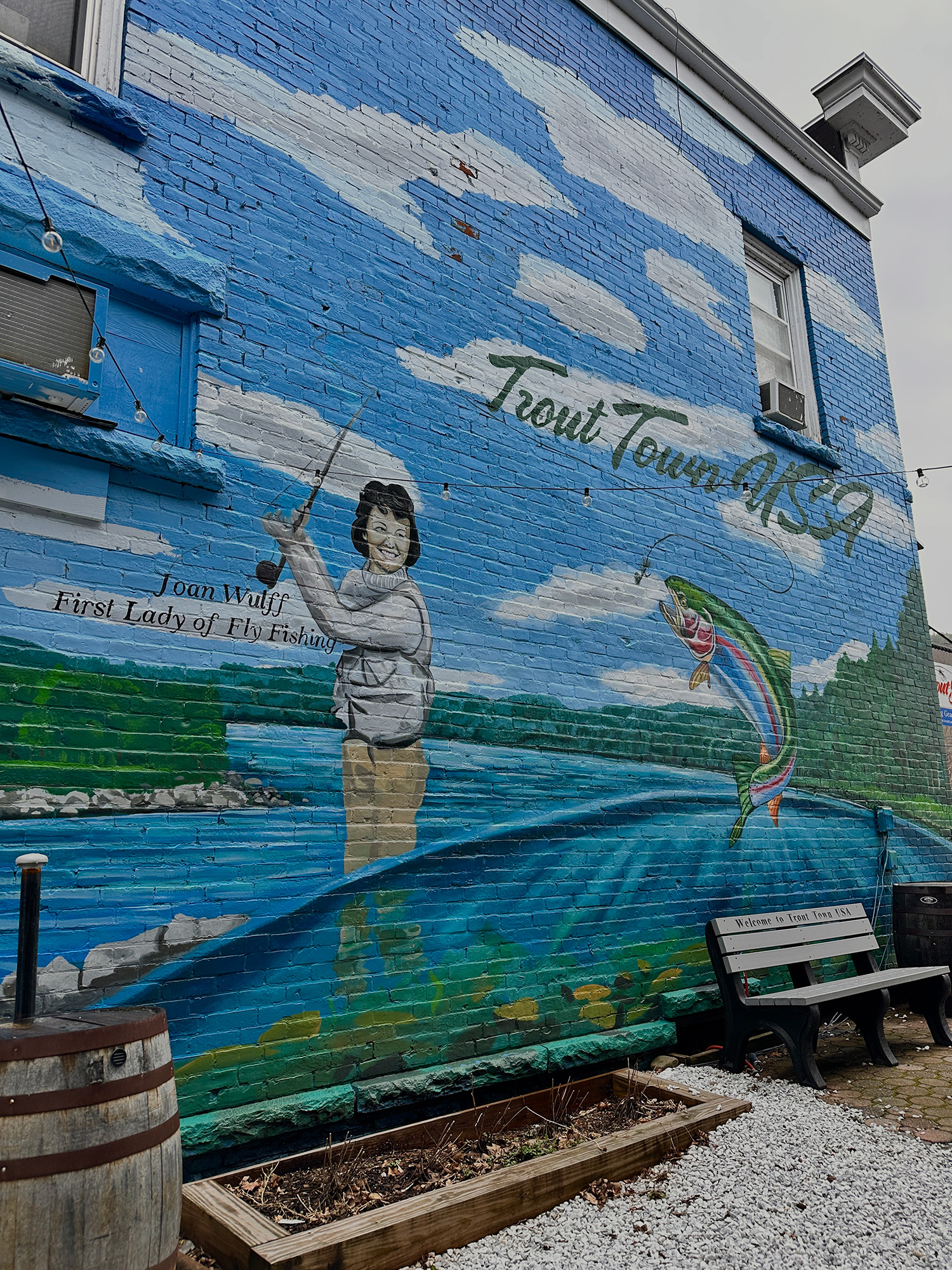
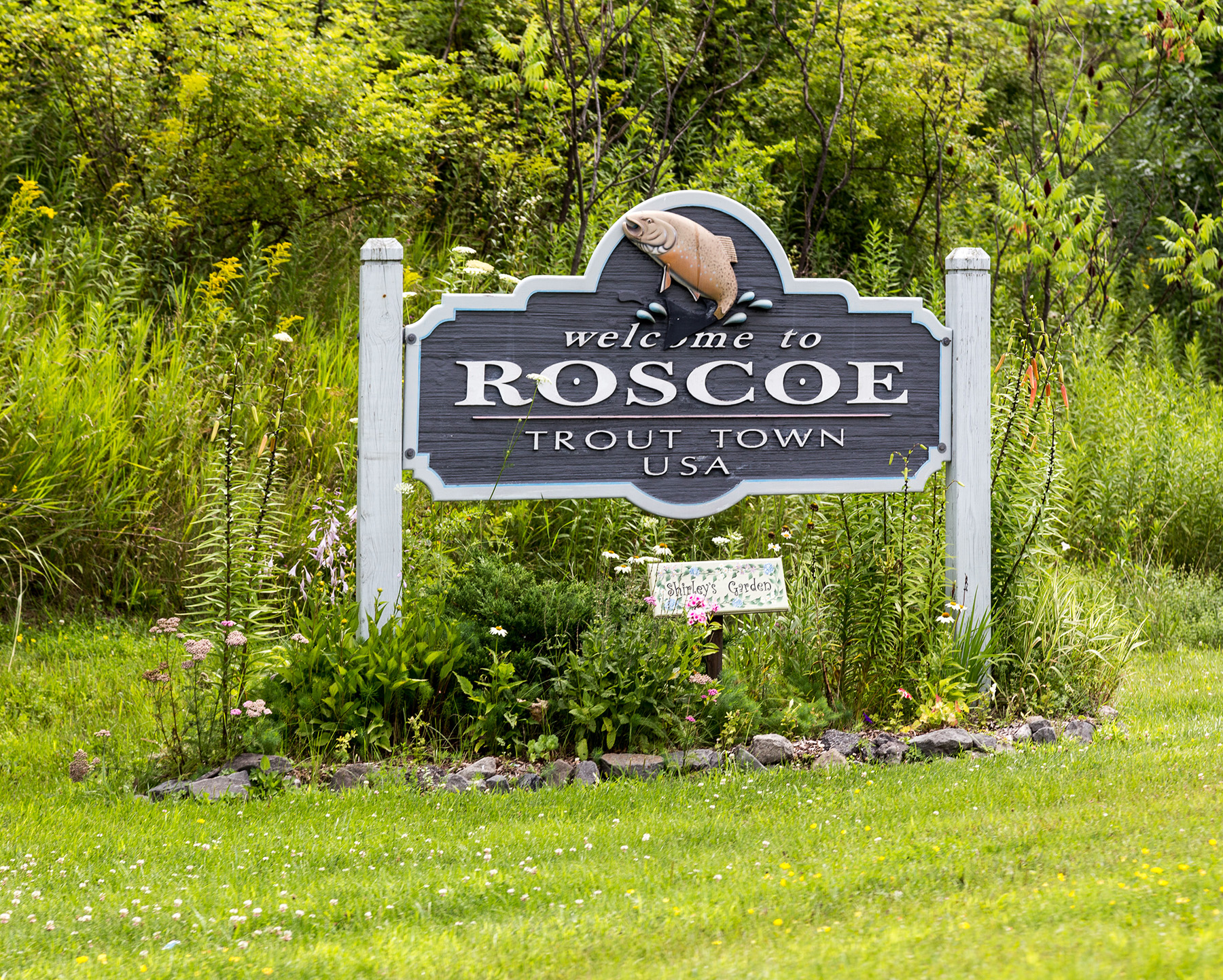
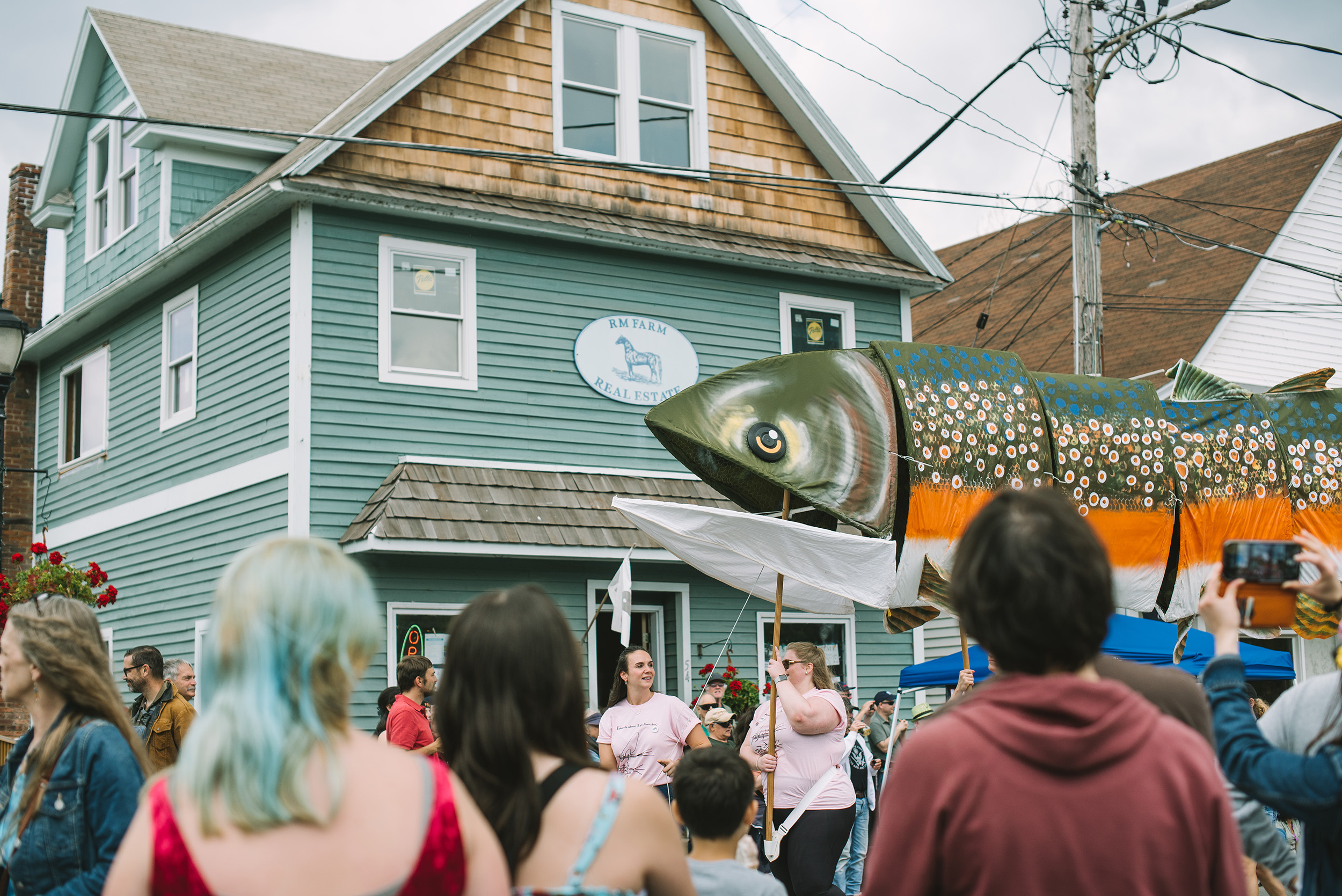
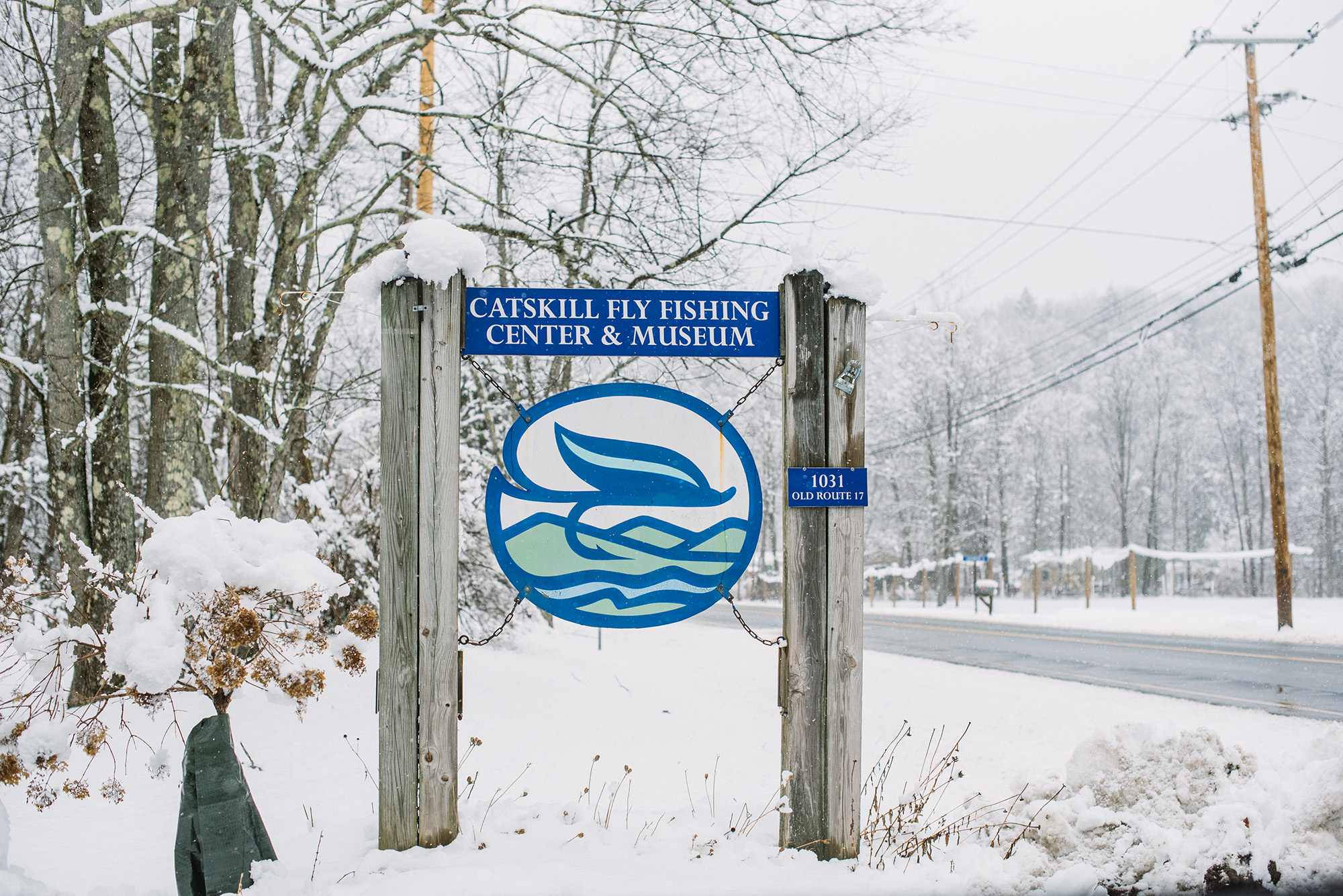
How much so? Roscoe, a small hamlet within Rockland, has adopted the moniker “Trout Town USA.” The Catskill Fly Fishing Center and Museum in Livingston Manor — another Rockland hamlet — celebrates a rich angling history and culture that just keeps getting better. Trout and trout angling are a cornerstone of the local economy.
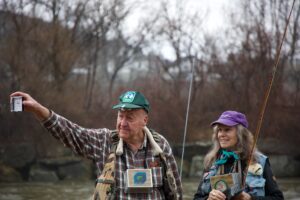
Where there are trout streams, there is a need to ensure that those trout streams are vibrant and healthy. Municipal leaders and area residents in and around Roscoe and Livington Manor — including members of the revitalized Beamoc TU chapter —have eagerly collaborated with Trout Unlimited and other partners, including Friends of the Upper Delaware, New York Department of Environmental Conservation, and the U.S. Fish and Wildlife Service, on a vast array of restoration projects on local waterways.
“Recognizing that we are a natural amenity-based economy, the Town of Rockland has been progressive, thoughtful and balanced in its approach to conservation and development,” said Jennifer Grossman, a local resident, business owner and planning board chairperson.
“Trout Unlimited has been a critical part of our success, providing us with verified scientific data, creative result-oriented strategies, and access to competitive grant capital. Their community commitment is unparalleled, and the time and attention they offer us is truly invaluable.”
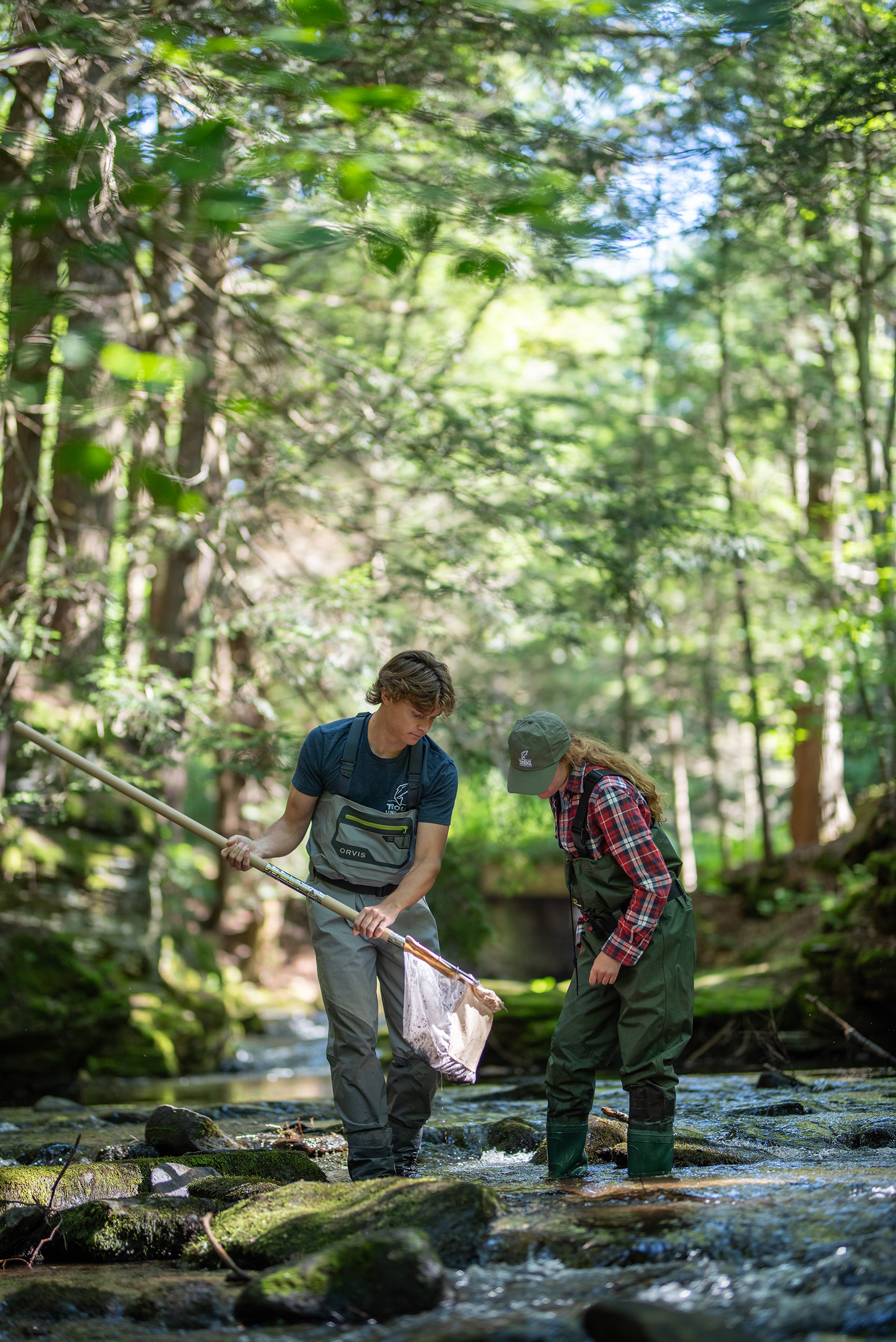
The work in the area, part of TU’s Upper Delaware Priority Waters, spans the restoration spectrum. Crews have removed dams on small tributaries to reconnect stream sections. They have shored up riparian corridors with extensive tree-plantings to bolster shade over streams and improve erosion protection. Massive instream habitat projects, including the addition of large wood and rock structures, have improved habitat for trout and other stream dwellers and helped protect infrastructure by making streams more resilient to floods. In-depth habitat surveys and water temperature surveys have helped identify priority areas for restoration work.
The results are stunning. Streams that were already good trout fisheries are now even better.
Improving wild trout populations have inspired state fisheries officials to move away from stocking some stream sections.