Critical Minerals: A Hunting and Fishing Perspective
Forging a path forward to support responsible critical minerals development with conservation values.
As the demand for critical minerals increases—powering everything from renewable energy to electric vehicles—it’s more important than ever to ensure domestic mining is done responsibly.
Trout Unlimited, alongside National Wildlife Federation, Theodore Roosevelt Conservation Partnership, Backcountry Hunters and Anglers, and The Nature Conservancy has released the latest edition of Critical Minerals: A Hunting and Fishing Perspective, outlining a balanced approach to mineral extraction that protects our lands, waters, and outdoor traditions.
Why It Matters
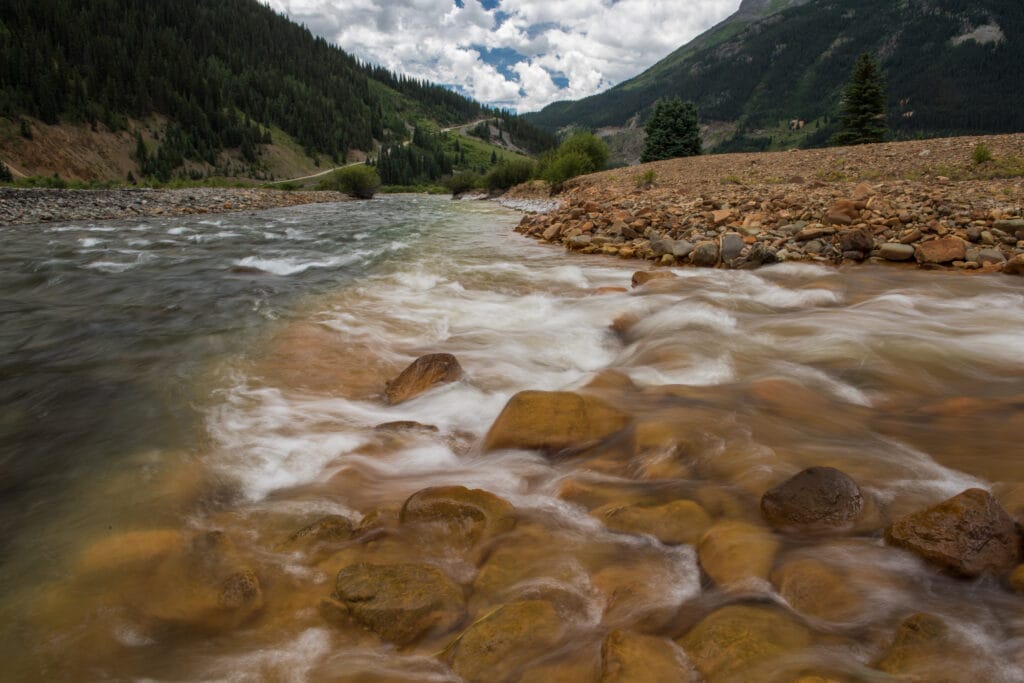
Half of known critical mineral deposits in the U.S. are located in trout and salmon habitat. One in ten are in currently protected public lands, such as Wilderness and roadless areas.
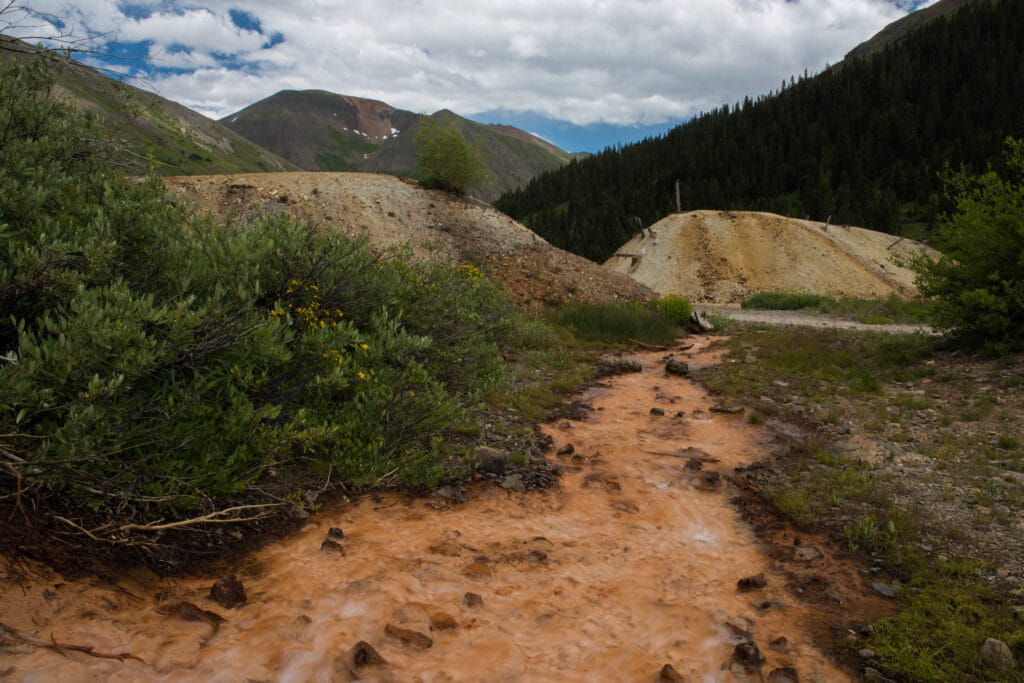
Irresponsible mining can lead to toxic pollution, habitat destruction, and loss of unique outdoor recreation opportunities.
Smart policy and planning can mitigate, or even prevent, damage to habitat while securing a sustainable domestic mineral supply.
A Better Way Forward
The report highlights Tenets for Responsible Critical Mineral Development:
Frequently asked questions
Take action
Join us in supporting responsible mining policies that balance conservation with resource needs.