

Contact:
- Chris Wood, President and CEO, Trout Unlimited – chris.wood@tu.org, 571-274-0601
- Corey Fisher, Public Lands Policy Director, Trout Unlimited – corey.fisher@tu.org
- Zoe Bommarito, National Communications Director, Trout Unlimited – zoe.bommarito@tu.org, 517-604-1844
Washington, D.C. – Today, the U.S. Department of Agriculture announced that they filed a proposed rule that would eliminate widely-supported protections on more than 45 million acres of roadless public land throughout the United States.
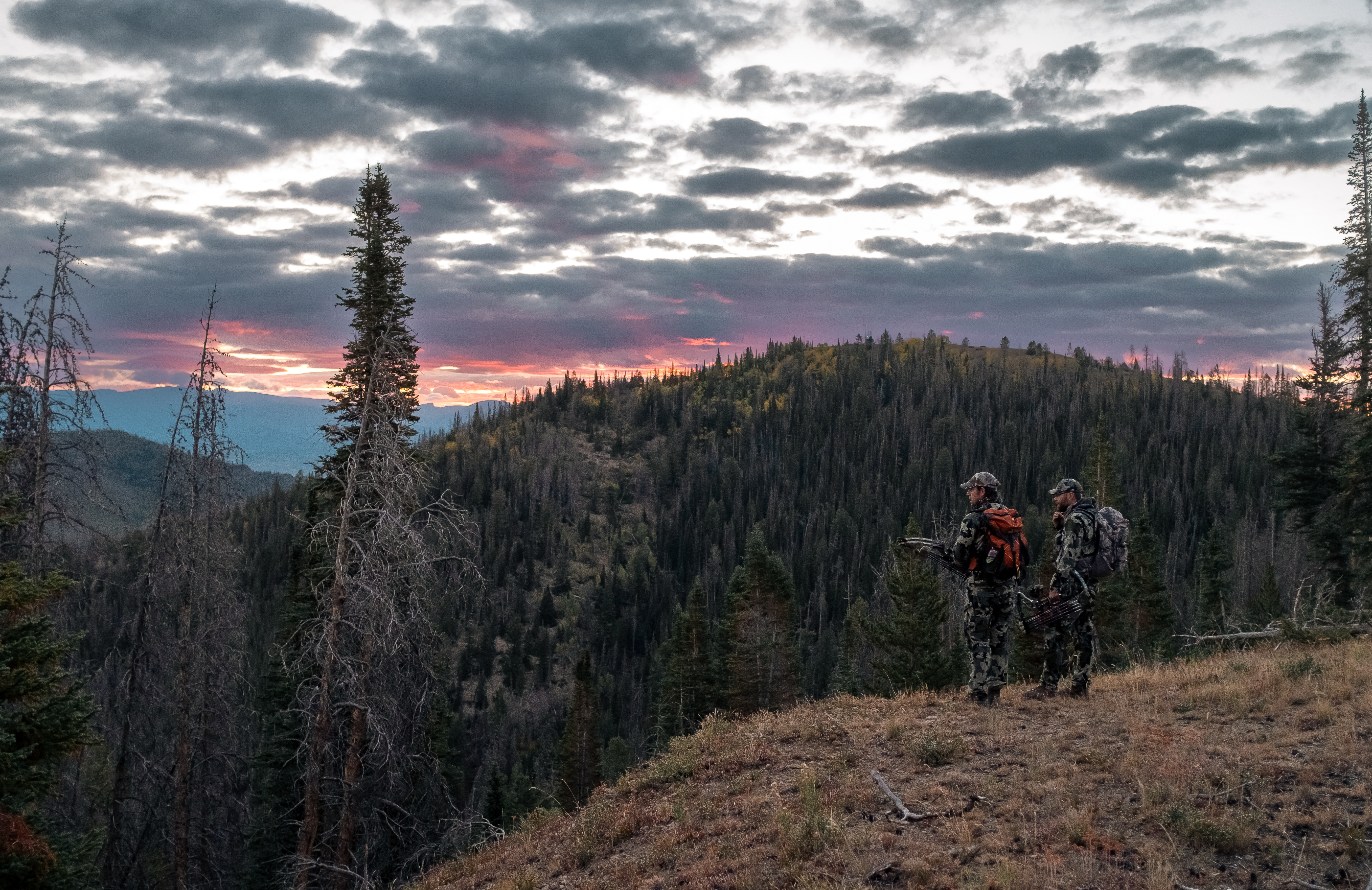
Roadless areas serve as the last best strongholds for native fish and wildlife, providing high quality, intact habitat for trout, salmon, deer, and elk, among other species. These public lands provide clean water and important habitat for fish and wildlife, especially native trout and salmon.
“There’s absolutely no need to reverse the Roadless Rule – a policy that for 25 years has made hunting and fishing better, protected drinking water and threatened and endangered species,” said Chris Wood, president and CEO of Trout Unlimited. Wood was an architect of the rule 25 years ago when he worked for the chief of the Forest Service.
“Arguments that the 2001 Roadless Rule prevents forest health treatments in roadless areas are belied by the Forest Service’s own data. Its research demonstrates that treatments to reduce the risk of unnaturally intense fires actually occur more often in roadless areas than they do on other forested areas of the national forest system.”
Research supported by the Forest Service’s Rocky Mountain Research Station concluded that the 2001 Roadless Rule has not prevented fuel treatment or led to substantially more fire, and fire risk reduction projects in roadless areas have actually been more numerous on a per-square kilometer basis than elsewhere on our national forests. Analysis by Trout Unlimited based on Forest Service data found that hazardous fuels treatment projects in roadless areas have reduced fire risk on nearly two million acres across the nation. Moreover, 85% of all wildfires are human-caused and 78% of human-caused fires on National Forests nationwide start within half a mile of a road.
“This is a classic example of a solution in search of a problem. Rescinding the Roadless Rule will compromise the social license the Forest Service needs to conduct more forest health treatments adjacent to communities of people—in other words, in places that are not roadless areas,” continued Wood. “The Roadless Rule is and always has been about valuing our public lands and the open space, prime hunting and fishing, clean drinking water, and freedom they provide. Instead of repealing it, the Forest Service should shelve this idea and work with stakeholders on better ways of balancing protecting roadless areas and managing our national forests to mitigate the risks of unnaturally intense wildfires.”
Additional information and a draft environmental impact statement is expected to be released soon. Read Trout Unlimited’s report Roadless: America’s Sporting Lands to learn more about the importance of roadless areas for fish, wildlife, and our hunting and angling traditions.
###
Trout Unlimited is the nation’s leading conservation organization working to care for and recover rivers and streams and their trout and salmon populations. We bring people together across the country to be champions for their rivers and help make our water cleaner and our communities healthier. Founded by a small band of Michigan anglers in 1959, we have grown into a national organization with more than 350 staff, 400 chapters, and 300,000 members and supporters. We bring science-driven restoration know-how, state and national policy muscle, and local volunteer energy to bear on behalf of clean water, healthy trout and salmon and thriving communities.