
June 5, 2026, will mark the 50th anniversary of the catastrophic failure of Teton Dam in eastern Idaho.
The dam, which had just been completed in the fall of 1975, was filling for the first time when leaks appeared on its face early on the morning of June 5, 1976. While workers quickly attempted to plug the leaks with bulldozers, the impoundment catastrophically failed before noon, sending 80 billion gallons of water gushing downstream, killing 11 people, thousands of livestock and leaving a trail of destruction over 100 miles long.
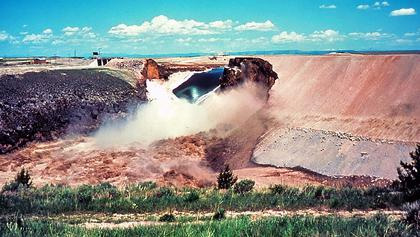
This was a defining moment in Idaho’s history that reshaped the landscape, communities and the Teton River Itself.
A history of protection
Trout Unlimited opposed the dam when the Bureau of Reclamation originally proposed the idea back in the early 1970’s.
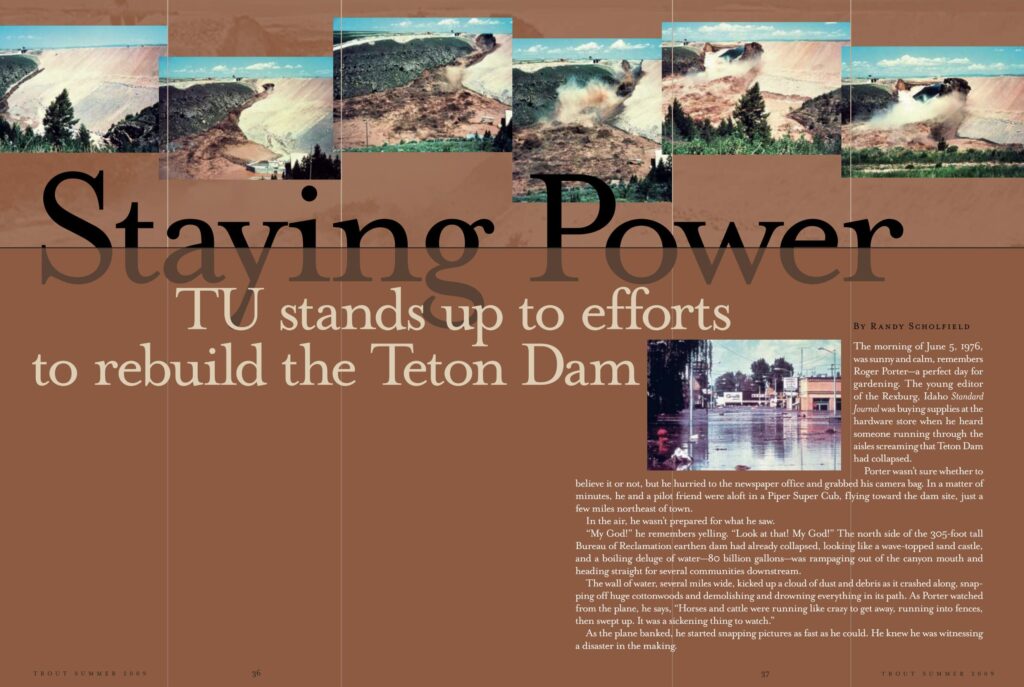
Although legal challenges were ultimately unsuccessful, the effort demonstrated TU’s commitment to native Yellowstone cutthroat trout, the Teton River fishery and those who depend on it.
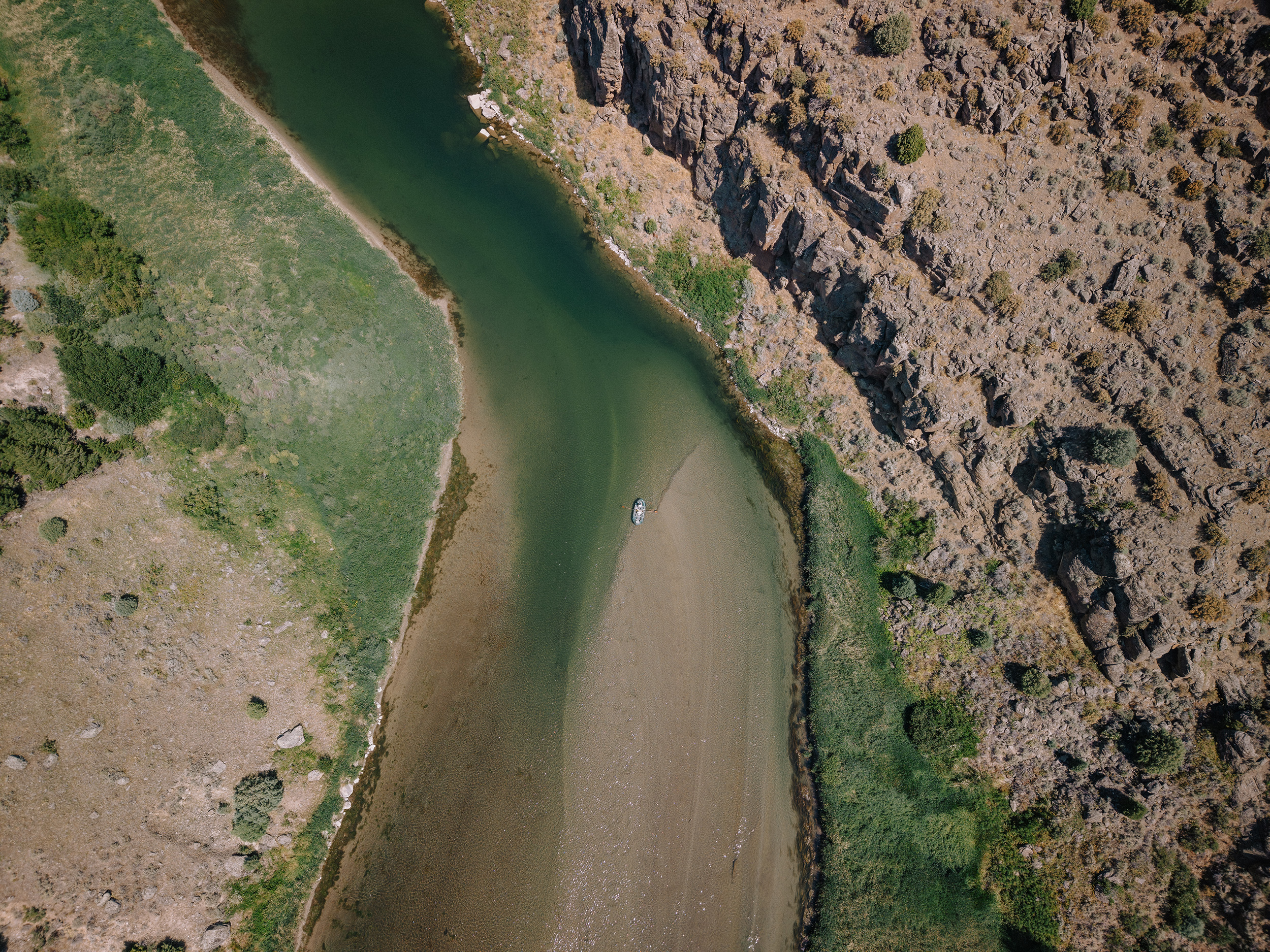
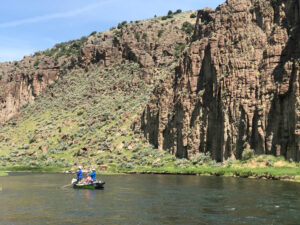
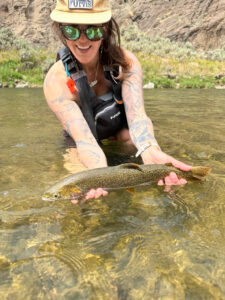
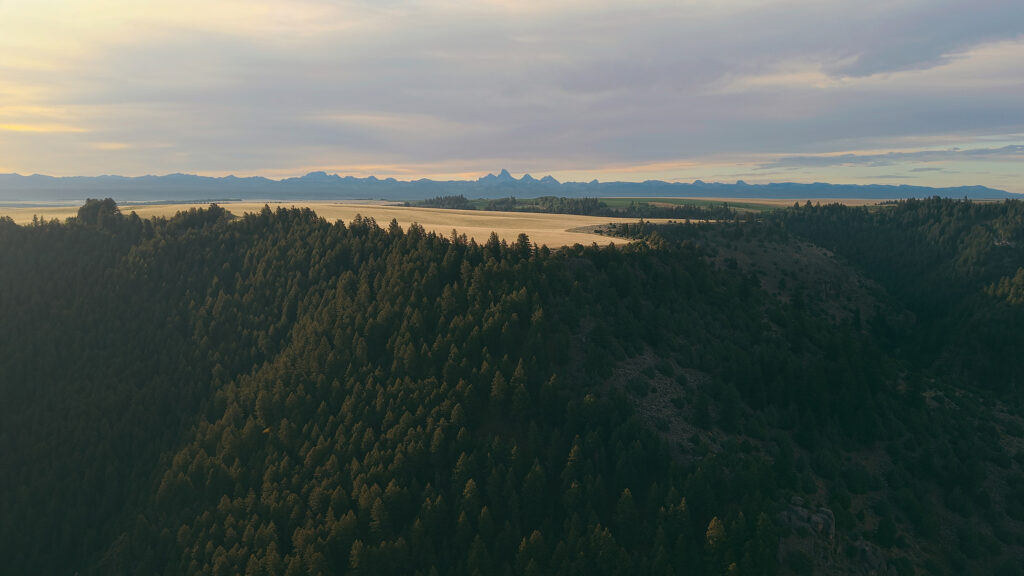
The canyon is one of the last strongholds of native Yellowstone cutthroat trout. It also provides important refuge for trumpeter swans, bald eagles and winter herds of mule deer and elk.
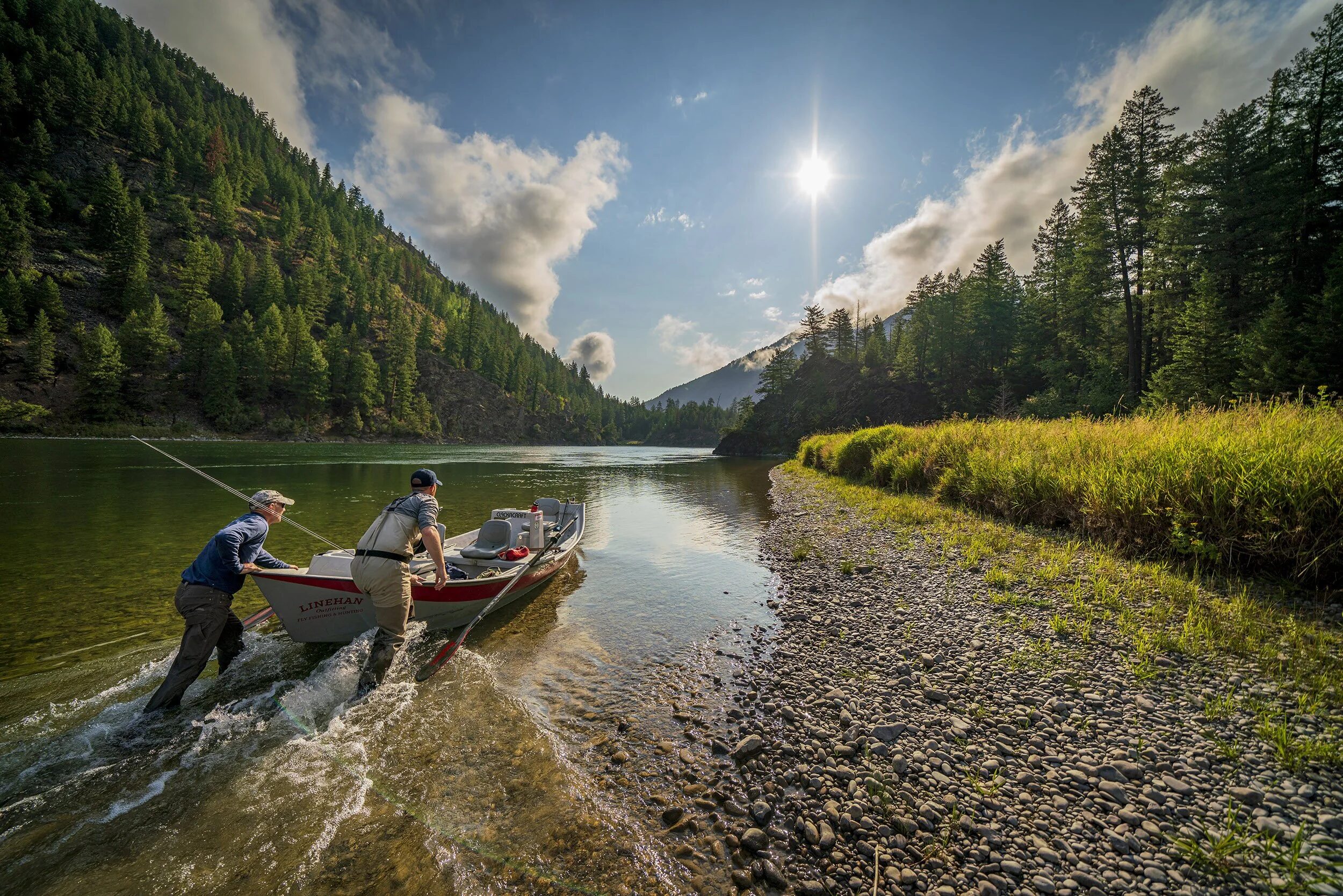
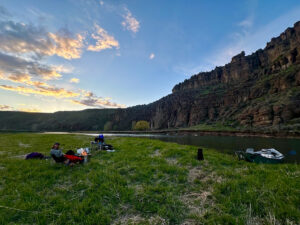
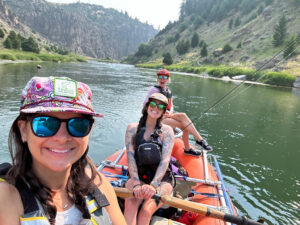
It also contributes to significant economic benefits with several outfitters guiding fishing trips through the scenic canyon. Recreational boaters and hunters also frequent it, all spending money in local restaurants, shops and hotels.
Should it be rebuilt?
Over the years, various people have raised the idea of rebuilding Teton Dam, and each time, the idea has failed to gain much traction.
The Bureau of Reclamation, in partnership with the Idaho Water Resource Board, most recently analyzed rebuilding Teton Dam in the multi-year Henrys Fork Basin Study that was completed in 2015. Although replacement of Teton Dam scored relatively high in the ability to enhance water supply, it received low marks in total cost, cost per acre-foot, impacts and social acceptability.
“While there is significant potential for new surface water storage in these alternatives, social, cultural, and environmental considerations would be challenging to overcome.”
– U.S. Bureau of Reclamation & Idaho Water Resource Board, Henrys Fork Basin Study final report, U.S. Department of the Interior, Bureau of Reclamation (2015), p. ES-7. “Henrys Fork Basin Study”.
The Idaho Legislature resurrected the idea of reconstructing the dam through adoption of a joint memorial in 2025 urging federal and state officials to conduct studies to identify additional water storage in Idaho. The Idaho Water Resources Board is currently seeking to undertake another basin study in partnership with the Bureau of Reclamation—this time to look at water budget imbalances and solutions in the entire Upper Snake River Basin, including Teton Dam.
Collaboration works
TU’s approach has evolved over the past 50 years. TU has learned that building lasting, durable solutions to conservation issues is oftentimes more successful through collaboration than litigation. TU has worked for years to build relationships with various stakeholders, including irrigators, municipalities, public agencies, elected officials and others throughout the West; relationships that allow for difficult conversations while respecting others’ positions.
To that end, TU and others in the Basin have committed to studying all options to increase water availability in the Upper Snake.
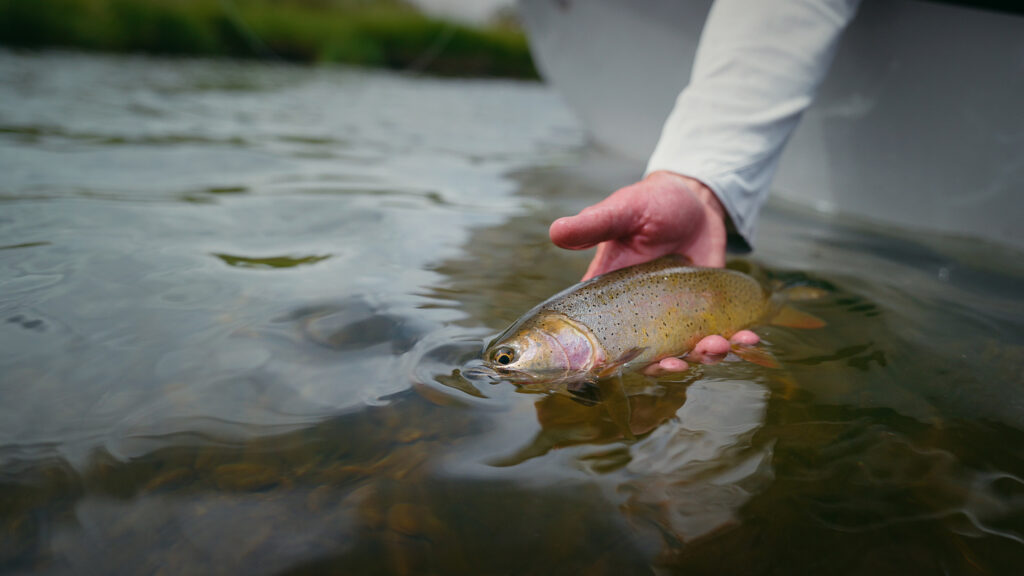
With everyone at the table, TU is hopeful that we can find a solution that meets all stakeholder needs: a solution that protects water users and agricultural interests, but that also ensures the persistence of an iconic native trout species, the beautiful free-flowing river that sustains them and the communities that live, work and recreate in eastern Idaho and beyond.