
“There he is.”
Stepping over deadfall and keeping a distance, we followed and periodically bugled to a herd of elk. I was leaning with my rifle against a tree when the rag-horn bull separated from the herd in response to Scott’s bugle.
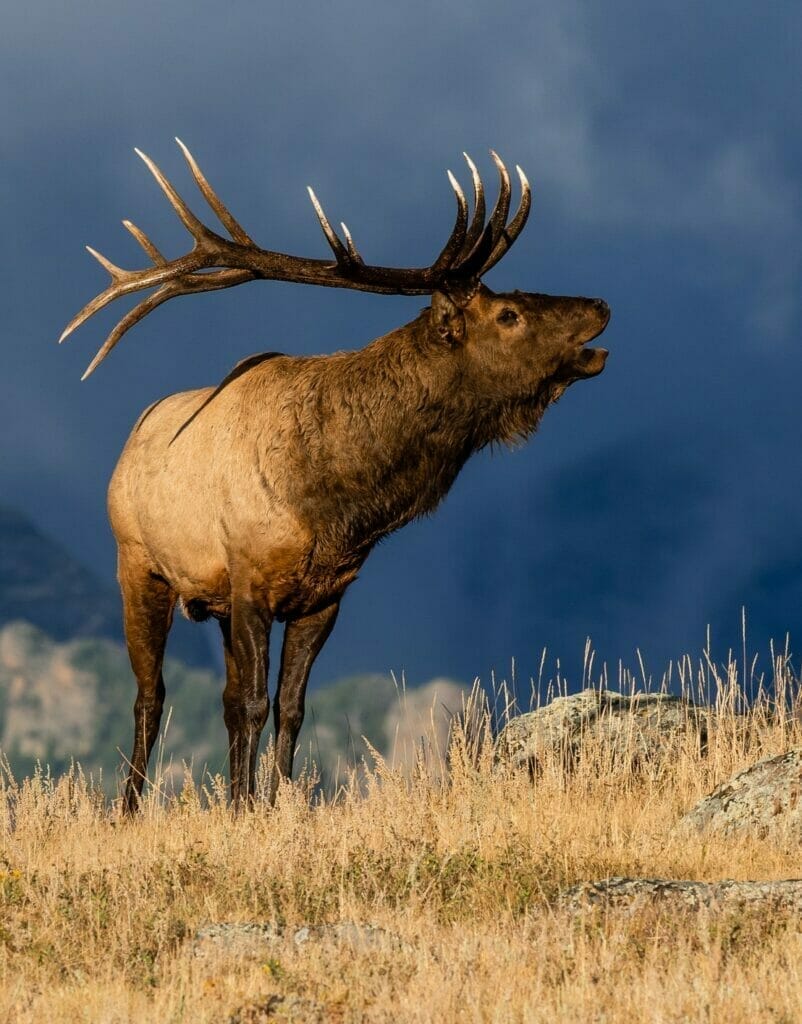
After I shot the elk, Scott looked over and said, “Thank goodness for Idaho’s roadless areas!”
Scott’s appreciation was well deserved.
Idaho has some of the finest elk habitat and longest center-file rifle seasons in the West because of its roadless lands. Scott Stouder and I would later lead efforts to protect about nine million acres of Idaho’s roadless lands.
Happily, Idaho and Colorado were exempted from the Department of Agriculture’s recent proposal to rescind the protections of the Roadless Area Conservation Rule from 45 million other acres of publicly owned land. But what makes sense in Idaho and Colorado makes sense across the country. Hunters and anglers need to make their voices heard to protect all of America’s roadless areas from this misguided proposal.
Roadless areas of the national forests contain less than two percent of the American land mass but provide habitat for 25 percent of its threatened and endangered species. They supply drinking water to more than 60 million Americans. They are, literally, happy hunting grounds for hunters and anglers.
A good place for firsts
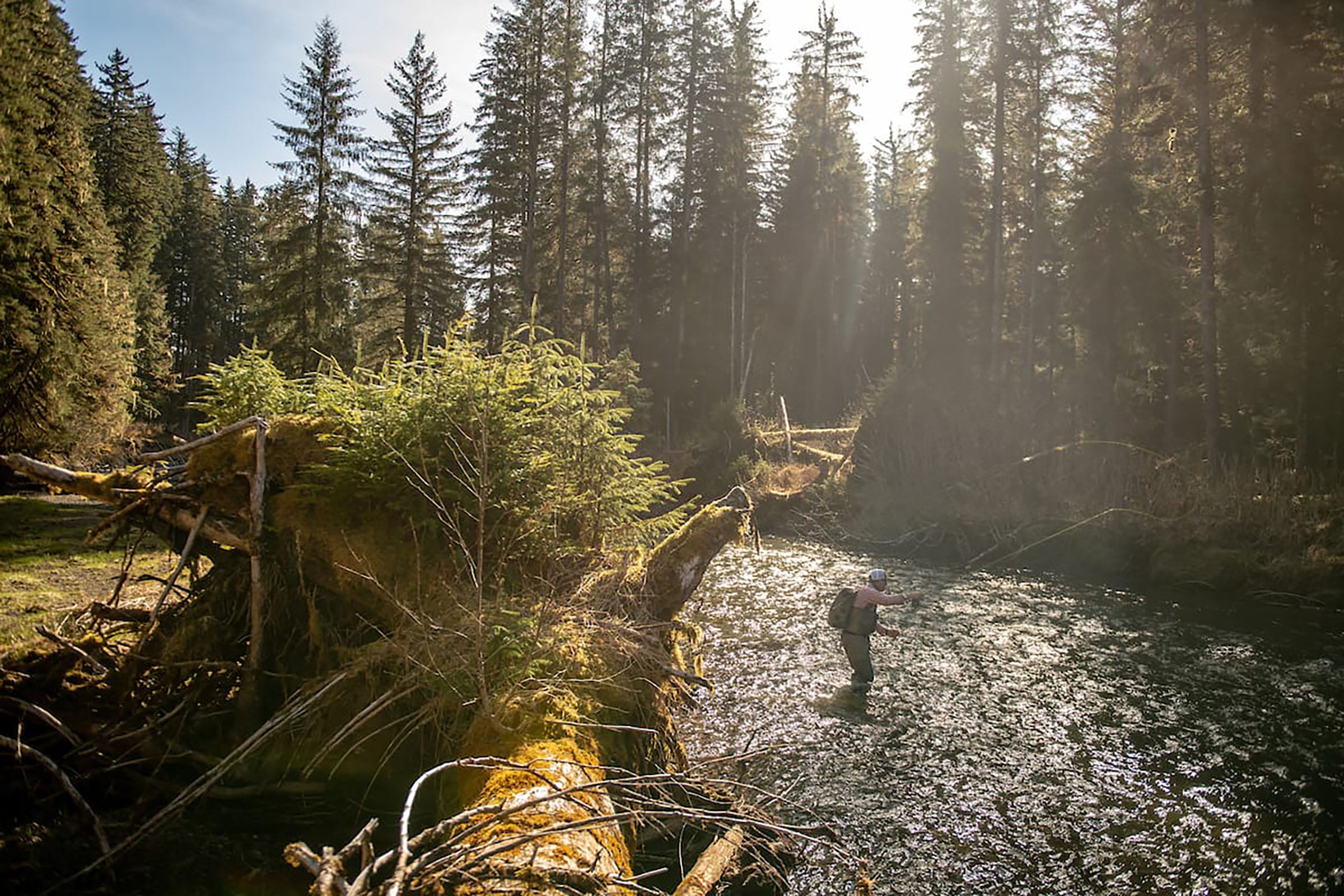
I caught my first steelhead in the Port Houghton roadless area on the Tongass National Forest in Alaska. I wish I could claim that was because of my angling prowess. In reality, it is because about 68 percent of southeast Alaska steelhead populations are found in roadless watersheds. About 73 percent of Southeast Alaska chinook (or “king”) and coho (or “silver”) salmon populations are found in roadless watersheds.
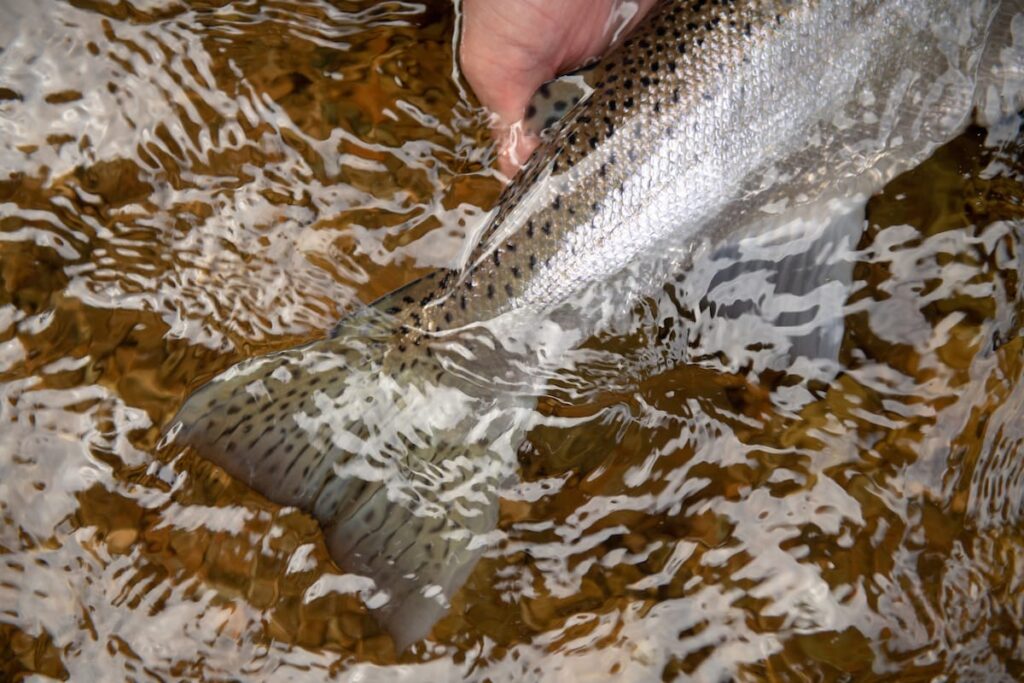
Because of its roadless areas, Alaska remains one of the few places in America where people do not say, “You should have been here 20 years ago. The fishing was spectacular then.”
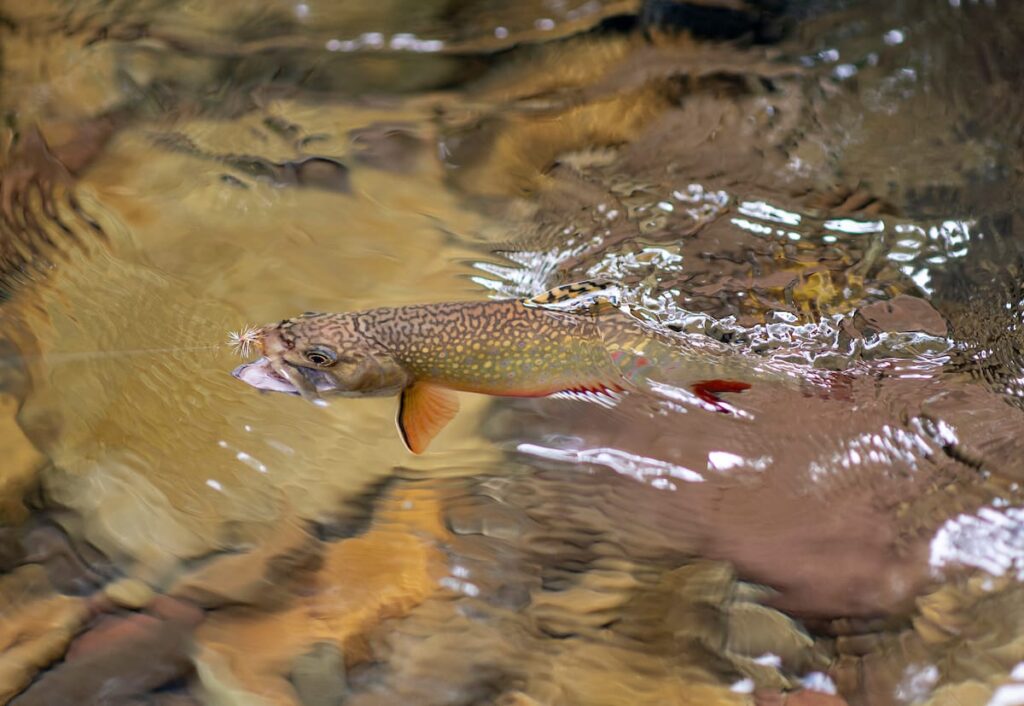
I caught my first trout on a fly in the New Haven River in Vermont. (It was an accident. I was untangling a knot and a trout took the dangling zug bug). But it was to the New Haven’s roadless headwaters I would retreat to fish for small native brookies. There I would ponder school, girlfriends and the big “what comes next?” questions of a 20-year-old.
Roadless isn’t just for hunting and fishing
The fishing, hunting and clean water values of roadless areas alone make them worth protecting. They are the anchor to the nearly $400 billion hunting and fishing economy in the United States. Their other values remain equally important.
The debate over the proposal to remove roadless protections is completely unnecessary. The Forest Service’s own data demonstrates that forest health treatments— including the cutting of trees—occurs at a good clip in roadless areas. The agency has no problem fighting fire in these landscapes. And, again, as the Forest Service’s own data demonstrates, 85 percent of forest fires are started by people, and about 78 percent occur within a half mile of a road.
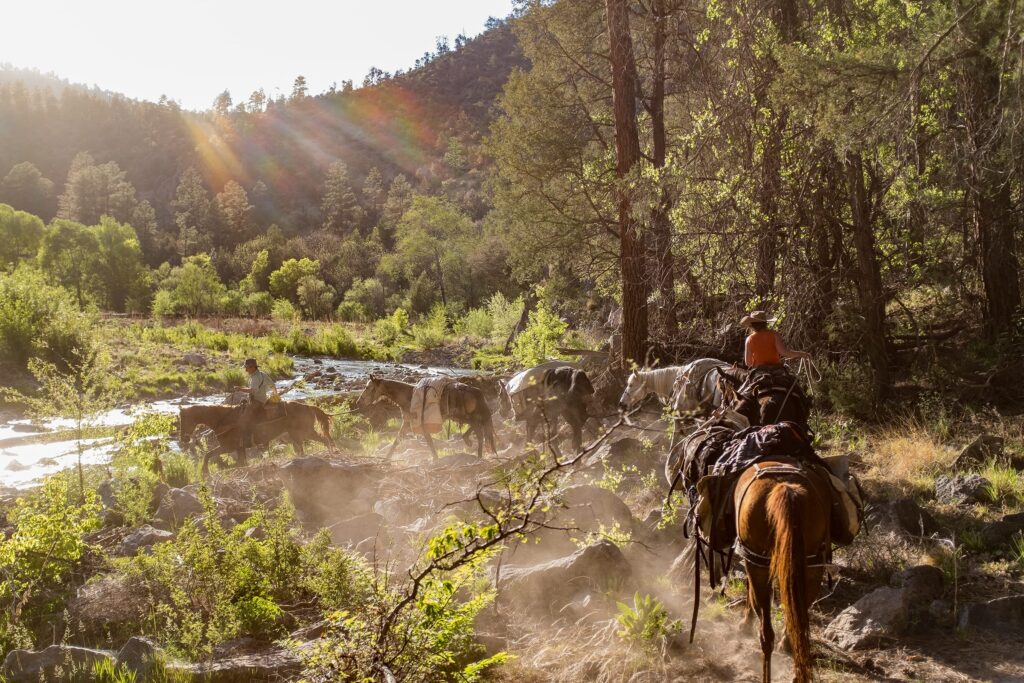
Roadless areas are available for energy development and mining. They are open for both livestock grazing and off-road vehicle use. The timber industry knows the trees that remain in these lands are typically low value. Their value of roadless areas remains in leaving them intact.
Leave them intact
Roadless areas are what remain of the landscapes that helped to define the character and mettle of America. While their value for hunting and fishing is undeniable, it is their importance to future generations that makes them irreplaceable.
While the Department of Agriculture contemplates removing safeguards for roadless areas, it is important to remember that these landscapes are not just another agricultural commodity to be harvested, brought to market and sold. It’s time for hunters and anglers to tell the Department of Agriculture to do the right thing and simply leave them intact..
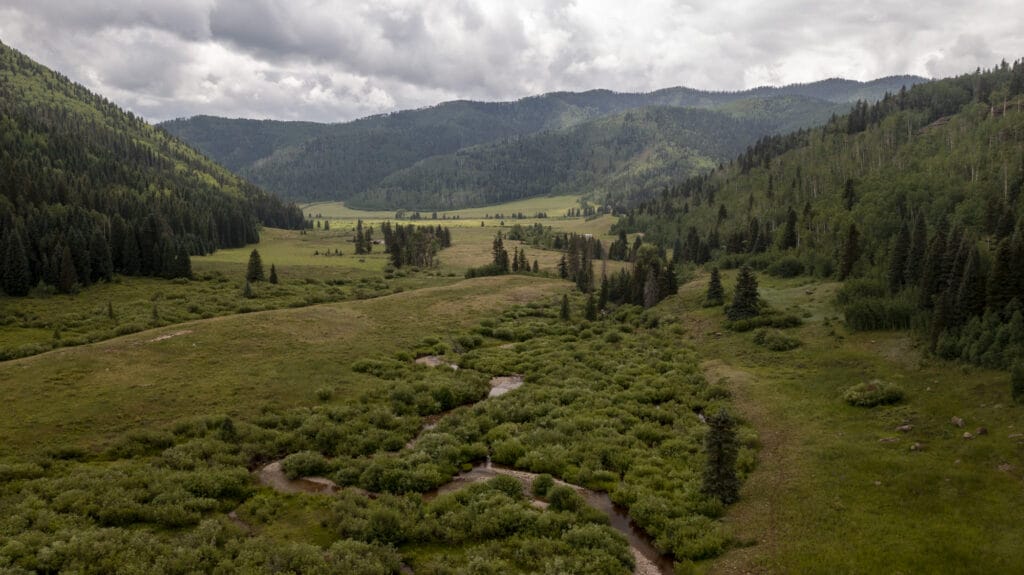
Read the Full Roadless Report
Learn more about America’s last-best intact public lands. And then take action to tell Congress to protect them today.