
Five rural communities across the country are staking their futures on conservation
Contact:
- Nick Gann, Rocky Mountain Communications Director, nick.gann@tu.org
Resources:
Link: Conservation Towns Landing Page
Link: Philipsburg Photo Album
Link: Conservation Towns Film Link
Arlington, VA – Trout Unlimited (TU) is recognizing five rural communities around the country as “Conservation Towns”—communities that are successfully incorporating their unique cultures and landscapes, their rivers and streams, and their hunting, fishing and outdoor recreation opportunities into long-term blueprints for economic success. These communities provide unique examples of innovation, civic engagement, and collaboration that provide a model for rural communities navigating change across America.
“America has hundreds of ‘resource dependent’ towns that barely survived the boom-and-bust cycles of commodity development,” said Chris Wood, TU’s president and CEO. “Many of those towns remain resource dependent, but the resources they depend on today are hunting and fishing, public lands—especially roadless areas—clean water and the wild landscapes that sustain our great nation.
“America needs to develop our natural resources, and conservation towns are a celebration of how to do that in a smart and collaborative manner. Trout Unlimited works with large and small communities across the country helping them to care for and recover our nation’s cherished public lands and waters. We’re proud to spotlight these communities, their river champions, and the innovative approaches they’ve taken to make the lives of people in their community better.”
With more than 300,000 members and supporters, 400 chapters, and nearly 400 staff members working across the country, TU had hundreds of potential examples to choose from for the inaugural list of communities.
Five communities were recognized as Trout Unlimited’s Conservation Towns:
1. Philipsburg, Mont. (800 people)
2. Gunnison, Colo. (6,800 people)
3. Fort Bragg, Calif. (7,000 people)
4. Florence, Wis. (2,300 people)
5. Rockland, N.Y. (3,300 people)
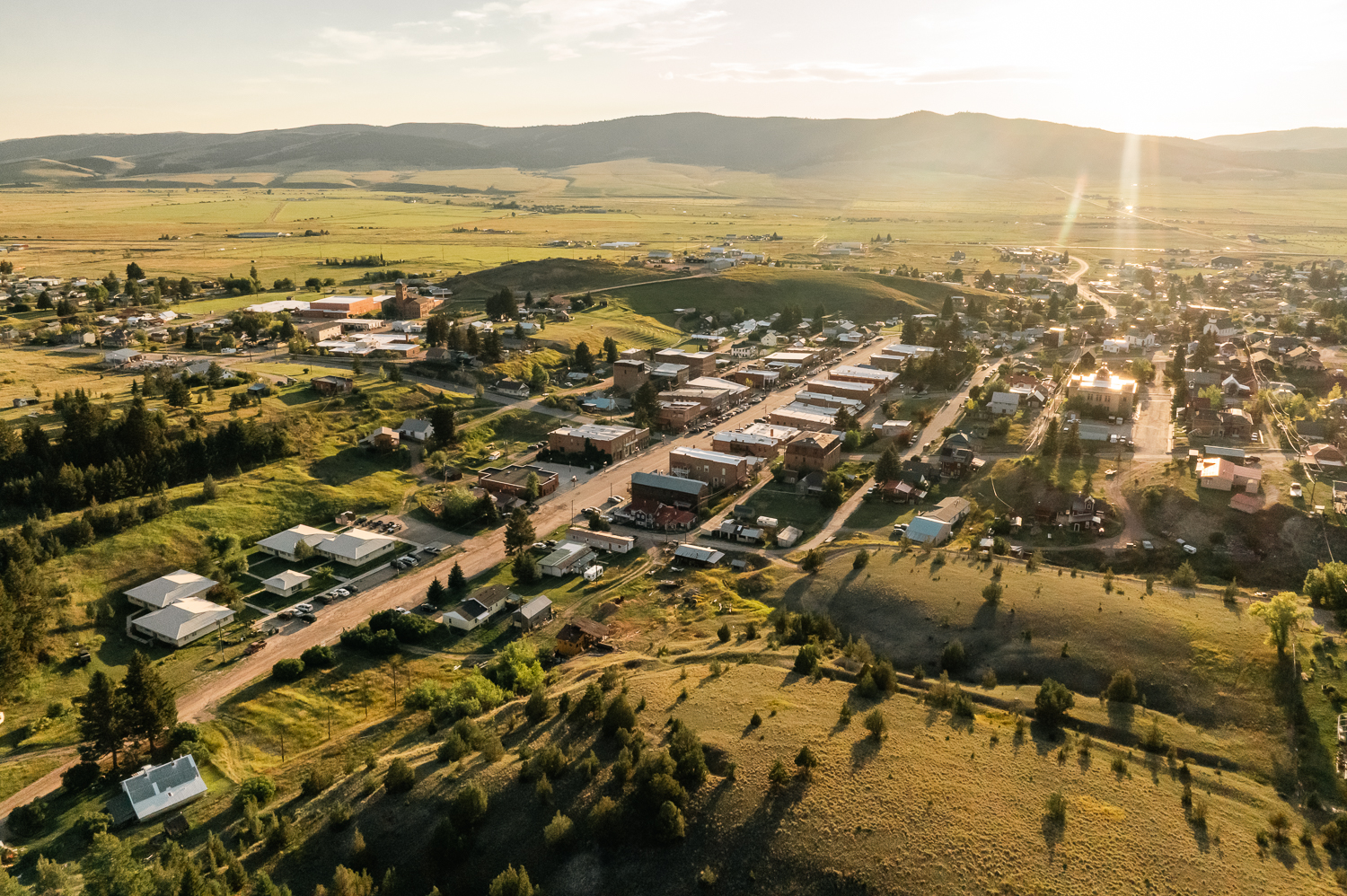
Philipsburg, Mont.: Nestled along the Continental Divide in southwest Montana, Philipsburg weathered the boom-and-bust cycles of silver and sapphire mining until the final bust at the end of the 20th century.
What remained were dozens of abandoned mines scattered across the national forests, neighboring ghost towns, and a community worried about its future. Down the road near Anaconda, the Upper Clark Fork’s tributaries were particularly degraded. They became part of the largest geographic complex of Superfund sites in the country.
A band of proud local people never gave up on their community. They worked to revitalize their economy by reinvesting in what makes the area unique: its wild landscapes and public lands, its Blue Ribbon fisheries, and a deep sense of place. Trout Unlimited is documenting these efforts in a short film showcasing the revitalization of the community and its cherished public lands and waters.
“It’s an incredible honor to be recognized nationally for the work our small but dedicated, community accomplished over the past few decades,” said Anne Fillmore, mayor of Philipsburg. “We pride ourselves on preserving our unique landscapes and rivers for future generations without having forgotten our past. We thank Trout Unlimited for seeing that and supporting our vision for the future.”
As the self-proclaimed “Last Best Place in the Last Best Place,” Philipsburg realized it could continue to live off the land by shifting its focus from industries of the past century to recreation and restoration.
Since then, TU has been building partnerships in the region with state and federal agencies, local landowners and other entities to reconnect critical bull trout habitat in nearby national forests, restore river systems spanning public and private lands, work collaboratively with local ranchers, remove outdated mining infrastructure, and create more angling opportunities.
Since 2010, more than $9 million has been invested by TU and agency partners across 50+ restoration projects throughout Beaverhead-Deerlodge and Lolo National Forests, Bureau of Land Management lands, and watersheds such as the Upper Clark Fork River and Flint and Rock Creeks. More projects are on the horizon.
“Given the variety of landscapes, the complexity of restoration efforts, and the commitment of the local community, Philipsburg was the natural choice to be Trout Unlimited’s first Conservation Town,” said Casey Hackathorn, TU’s Montana state director. “Philipsburg’s story is special in that its revitalization was based in part upon the incredible quality of its water resources and close network of partners—ranging from state and federal agencies to local landowners—who are all focused on restoring these impacted landscapes and waterways.”
Gunnison, Colo.: With abundant public access and a strong culture of stewardship, Gunnison remains closely connected to the rivers and landscapes that sustain it. The Gunnison and Taylor Rivers, both designated Gold Medal waters, flow through the valley, while the Lake Fork and its tributaries support another premier trout fishery. TU is working with the Natural Resources Conservation Service to test “Auto Tarp” technology that allows irrigators to remotely control headgates for more efficient water management. The system was developed by a TU staff member in his garage after experiencing the impacts of persistent drought in the valley and recognizing the technology’s potential for ranchers. To date, eight ranches in the Gunnison and Rio Grande watersheds have implemented the system, with additional operations expected to adopt the technology in the coming years.
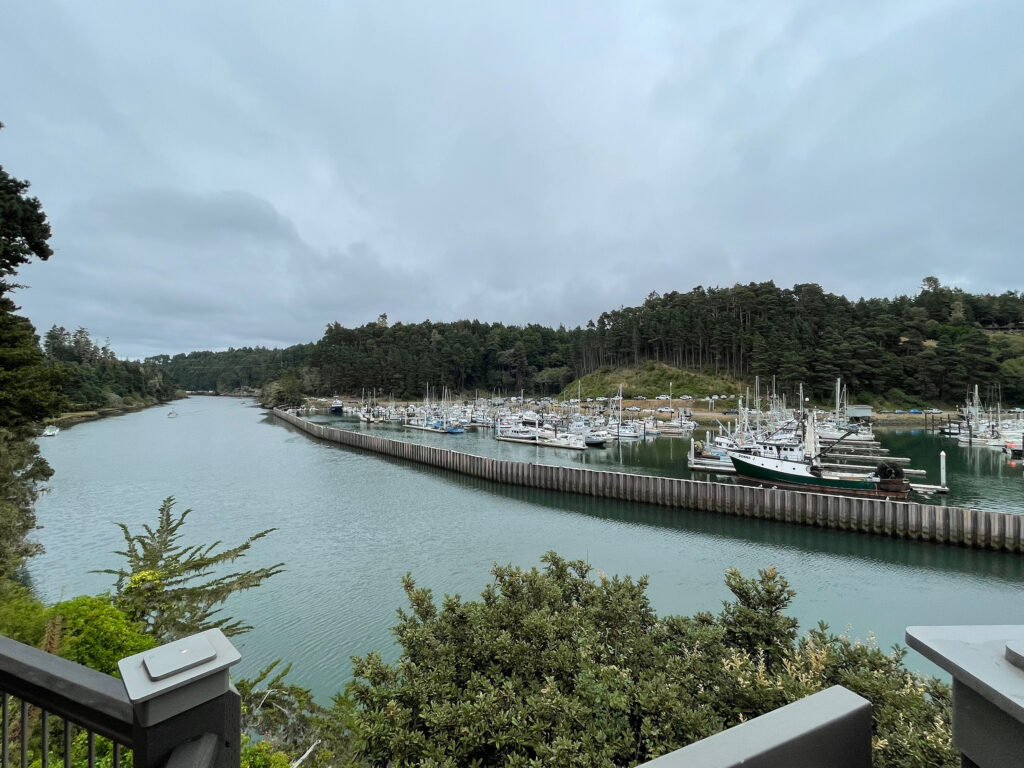
Fort Bragg, Calif.: From the Noyo River to the Ten Mile River, Fort Bragg is surrounded by critical habitat for coho salmon and steelhead trout. Thanks to strong local leadership and community support, the town has embraced efforts to restore these iconic species, backing projects through the North Coast Coho Project and partnering with agencies, nonprofits, and landowners to improve habitat and stream flows. Fort Bragg’s “Blue Economy” vision recognizes that a thriving coastal economy depends on healthy ecosystems. By investing in habitat restoration, sustainable fisheries, and working waterfronts, the community is showing how conservation and economic vitality can go hand in hand.
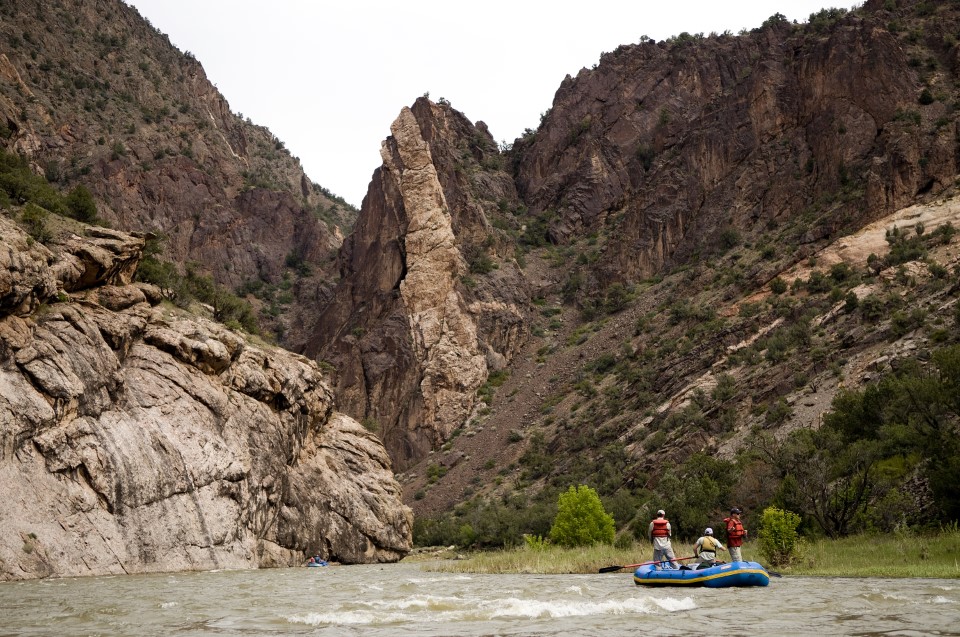
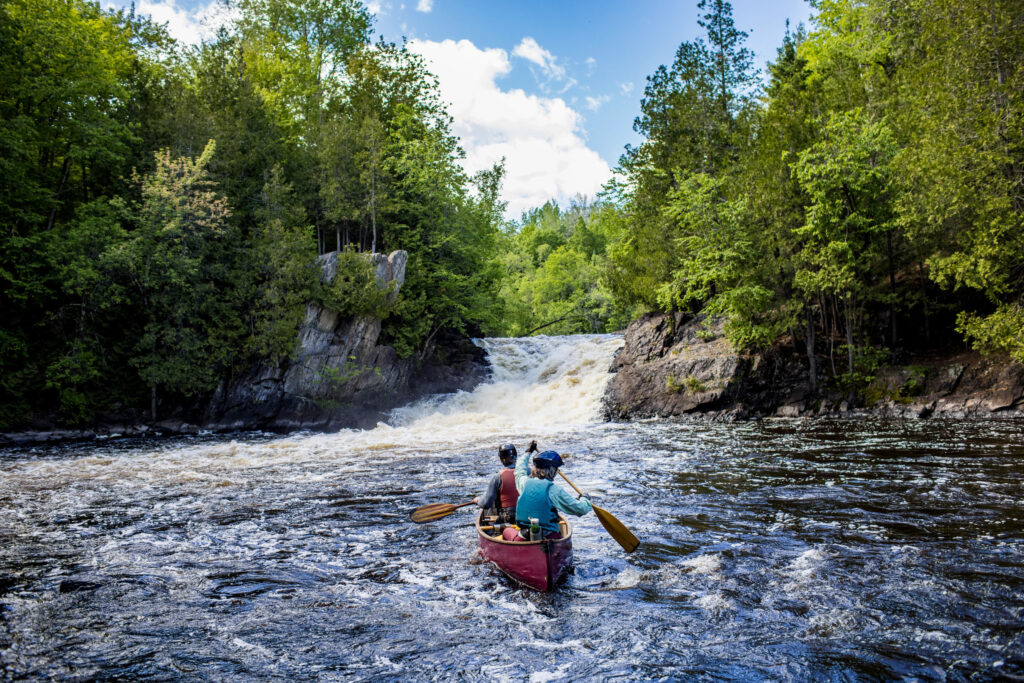
Florence, Wis.: Residents of Florence and the county of the same name take pride in the area’s wild remoteness. The Pine and Popple rivers are two of the county’s crown jewels. The winding, scenic rivers draw lots of paddlers and are so appreciated by locals that they inspired the construction of the Wild Rivers Interpretive Center, a joint project of the Forest Service and the town of Florence. When those two rivers get a little too warm in the heat of summer, trout from many tributaries move between the fertile larger rivers and the smaller, cooler streams. It’s amazing angling with light pressure. Collaborating with a host of partners, TU has been making things even better by working hard to improve the health of the area’s streams.
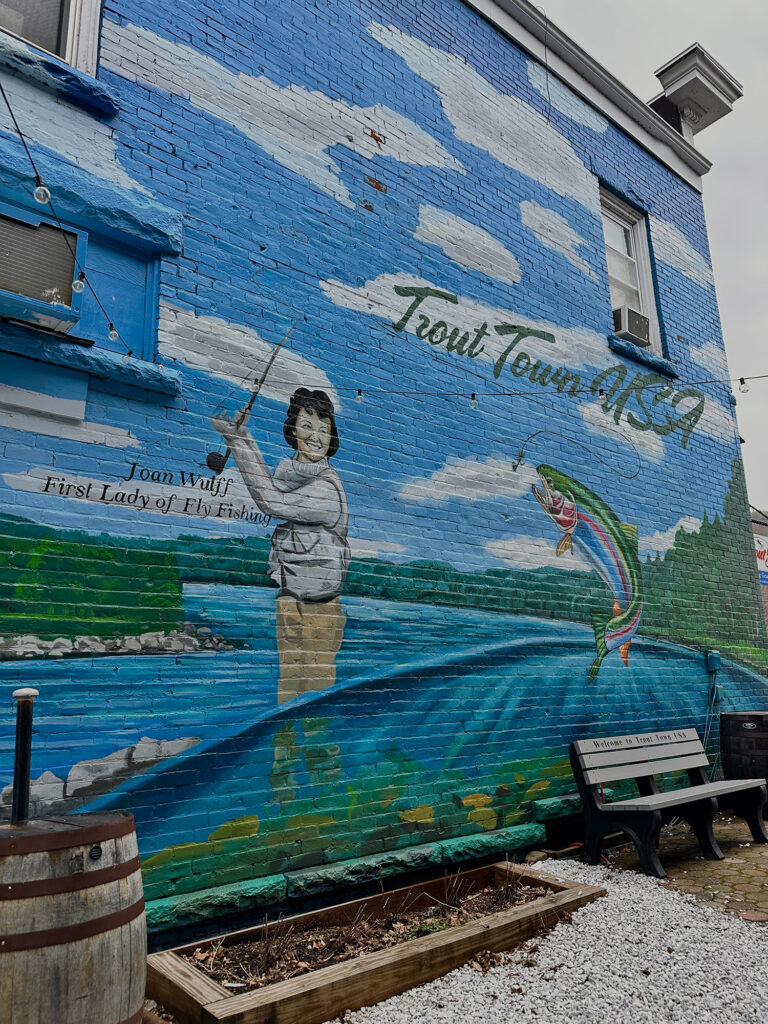
Rockland, N.Y.: Roscoe, a small hamlet within Rockland, has adopted the moniker “Trout Town USA.” The Catskill Fly Fishing Center and Museum in Livingston Manor—another Rockland hamlet—celebrates a rich angling history and culture that just keeps getting better. Trout and trout angling are a cornerstone of the local economy. Municipal leaders and area residents in and around Roscoe and Livington Manor have eagerly collaborated with TU and other partners, including Friends of the Upper Delaware, New York Department of Environmental Conservation, the U.S. Fish and Wildlife Service, on a vast array of restoration projects on local waterways, including the famed Beaver Kill and Willowemoc Creek.
###
Trout Unlimited is the nation’s leading conservation organization working to care for and recover rivers and streams and their trout and salmon populations. We bring people together across the country to be champions for their rivers and help make our water cleaner and our communities healthier. Founded by a small band of Michigan anglers in 1959, we have grown into a national organization with more than 400 staff, 400 chapters, and 300,000 members and supporters. We bring science-driven restoration know-how, state and national policy muscle, and local volunteer energy to bear on behalf of clean water, healthy trout and salmon and thriving communities.