
A field guide to Alaska’s top roadless public lands for fishing
If wild fish and remote public lands are what you live for, look no further than roadless areas within Alaska’s two national forests. The Tongass National Forest, which covers the majority of Southeast Alaska, produces more wild salmon than all other national forests combined. The Chugach National Forest in Southcentral Alaska contains the headwaters of the Kenai River, Alaska’s most popular sportfishing destination.
But here’s the catch (and not the good, fish related kind): the U.S. Department of Agriculture (USDA) is moving to repeal the Roadless Rule, a policy that has helped conserve some of the country’s most productive fish habitat for nearly a quarter century.
The Roadless Rule works for fish, wildlife and the outdoor recreation community by limiting new road building and industrial logging in designated roadless areas, while allowing limited exceptions for activities like habitat restoration, wildfire prevention, community infrastructure and personal use.
Despite broad support—a 2019 survey found that 79 percent of Alaskans support maintaining the Roadless Rule—the USDA has stated its intent to rescind the policy. As anglers, it’s our job to celebrate and defend the places we love to fish.
Below are six of the fishiest roadless areas in Alaska and how to fish them. We hope this inspires you to plan your next bucket-list trip and take action to maintain America’s roadless public lands.
Situk River
Claim to fame: Alaska’s largest and most beloved steelhead fishery
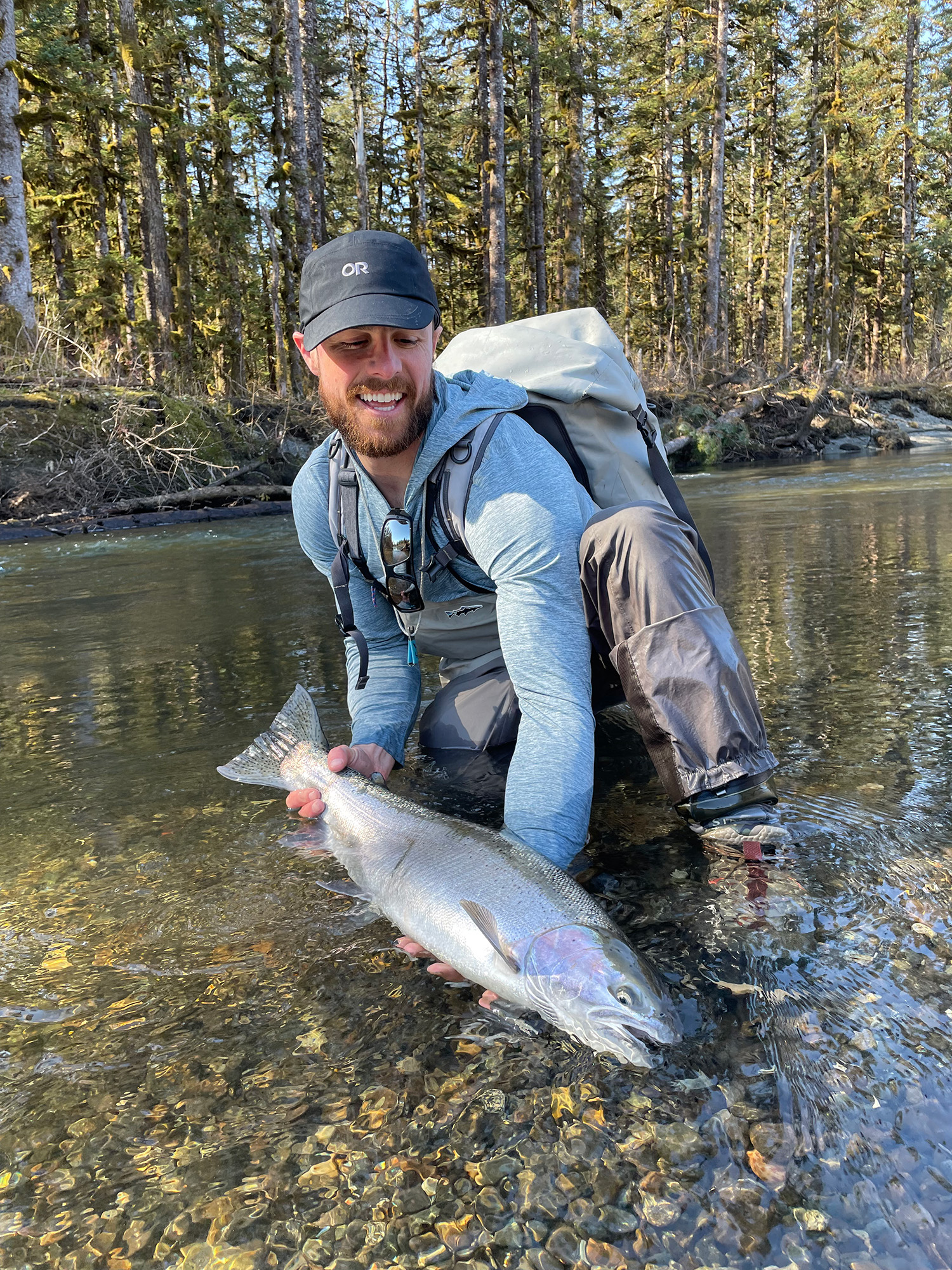
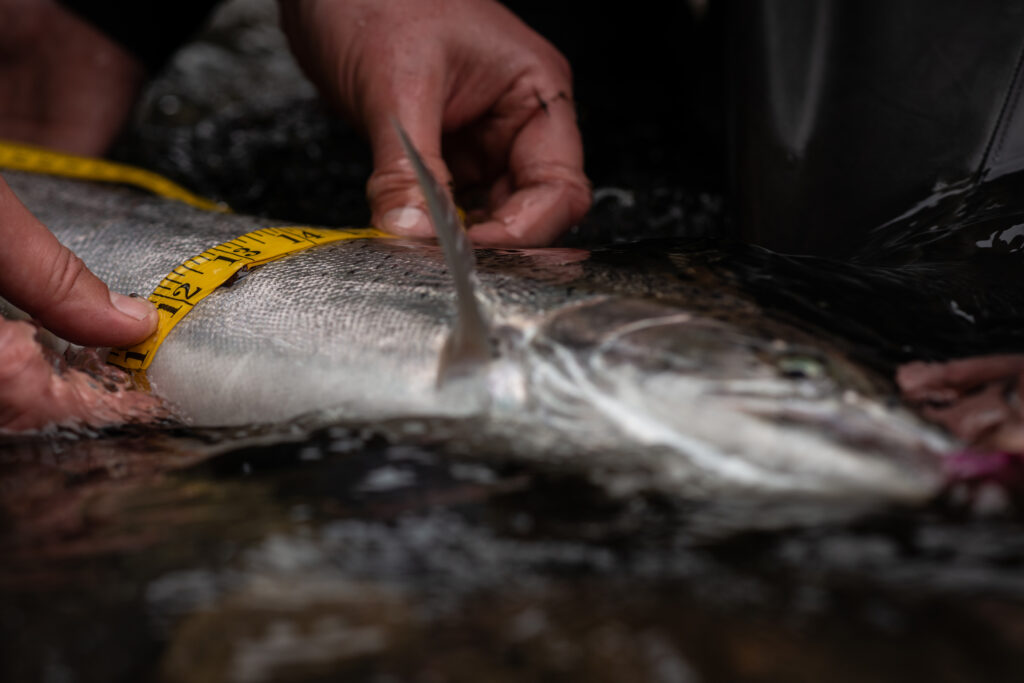
A steelhead and a sunny day in Southeast Alaska. It doesn’t get much better, or much more statistically improbable than this.
Location: Yakutat in the Tongass National Forest
Fish species present: Steelhead, all five species of Pacific salmon and Dolly Varden
Fun fact: Anglers land an average of ~7,934 steelhead a year, making the Situk one of the few places on earth where beating the legendary “1,000‑cast” rule feels feasible.
When you go: Alaska Airlines flies directly to Yakutat, and multiple guides and outfitters serve the region.
Kadake Creek
Claim to fame: This creek is the largest producer of salmon on the famed Kuiu Island.
Kuiu Island may be best known for its prolific hunting, but its remarkable fishing opportunities should not be overlooked.
Location: Northeast side of Kuiu Island in the Tongass National Forest
Fish species present: Sockeye, coho, chum and pink salmon, steelhead, cutthroat trout and Dolly Varden
Fun fact: This creek’s wild character is so remarkable the Forest Service recommended 23 miles of it to Congress for inclusion in the National Wild and Scenic Rivers System.
When you go: Take a float plane from Petersburg or by boat from the town of Kake. Check out the USFS Kadake Bay public use cabin.
The Russian River
Claim to fame: The Russian is perhaps the best place to catch massive rainbows, stock up on sockeye and see wild brown bears all within a day trip of Alaska’s biggest city.
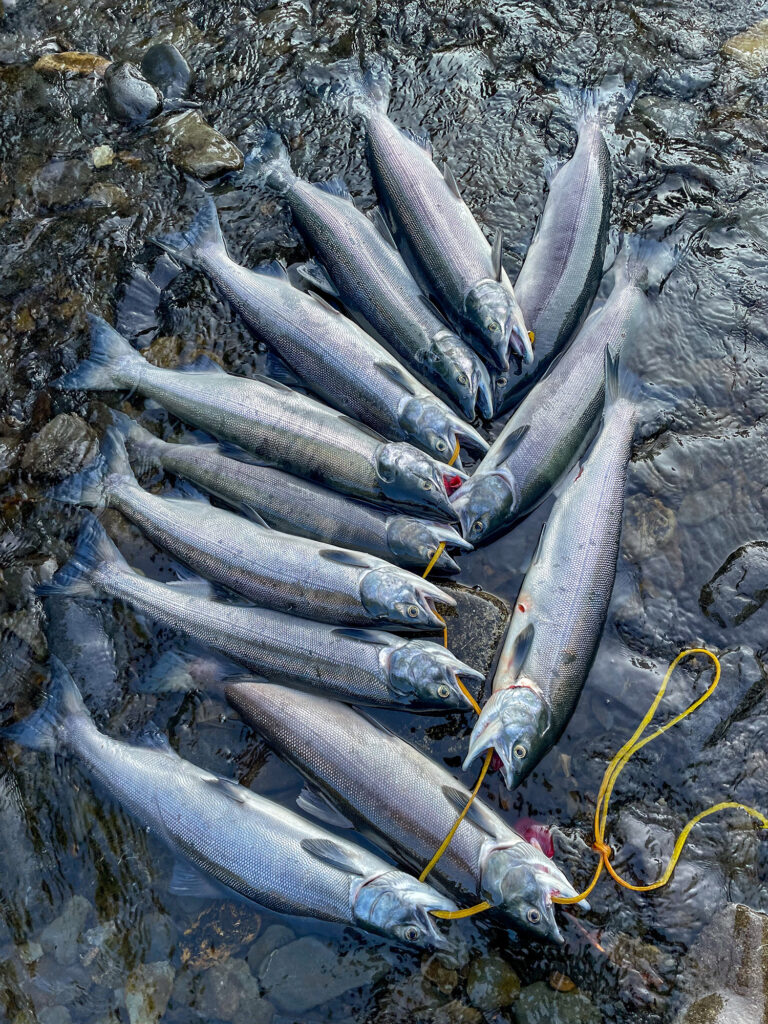
Not your average grocery store. The Russian River is a popular place to fill the freezer for many inhabitants of Alaska’s largest city.
Location: On the Kenai Peninsula in the Chugach National Forest
Fish species present: Chinook, coho and sockeye salmon, rainbow trout and Dolly Varden
Fun fact: There are two runs of sockeye each year, in mid-June and mid-July, and a run of coho in August.
When you go: Many anglers stay at the USFS’s Russian River campground, though there are multiple other public campgrounds in a close radius.
Sitkoh River Watershed
Claim to fame: It is one of the most studied and well-documented anadromous systems in the Tongass making it a data-rich fishery (a rarity in remote Alaska).
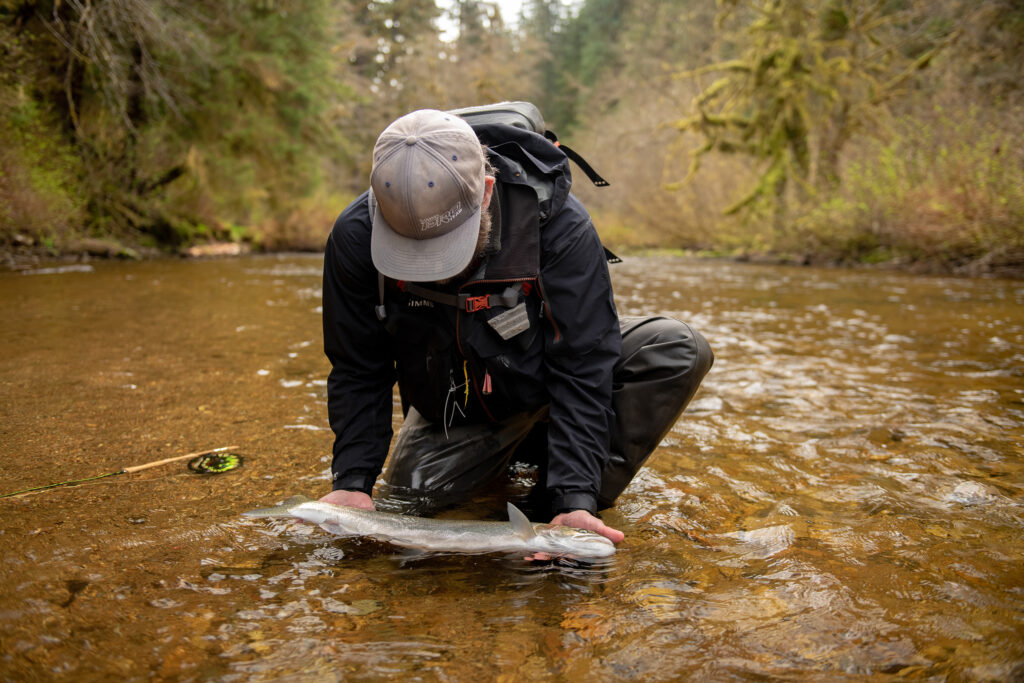
An angler displays the proper reverence (and fish handling) of a Sitkoh Creek steelhead.
Location: Southeast Chichagof Island in the Tongass National Forest
Fish species present: Coho, chum, sockeye, and pink salmon, steelhead, cutthroat trout and Dolly Varden
Fun fact: The steelhead run in Sitkoh Creek is considered valuable, with yearly counts often exceeding 750 adults.
When you go: It is one of the few recreation opportunities in Southeast Alaska that provides trail access along a stream from tidewater to a lake and recreation cabin destination. There are two USFS cabins on the lake.
Sweetwater Lake
Claim to fame: It is part of the largest island river system in the region, a notable superlative in a region with over 1000 islands.
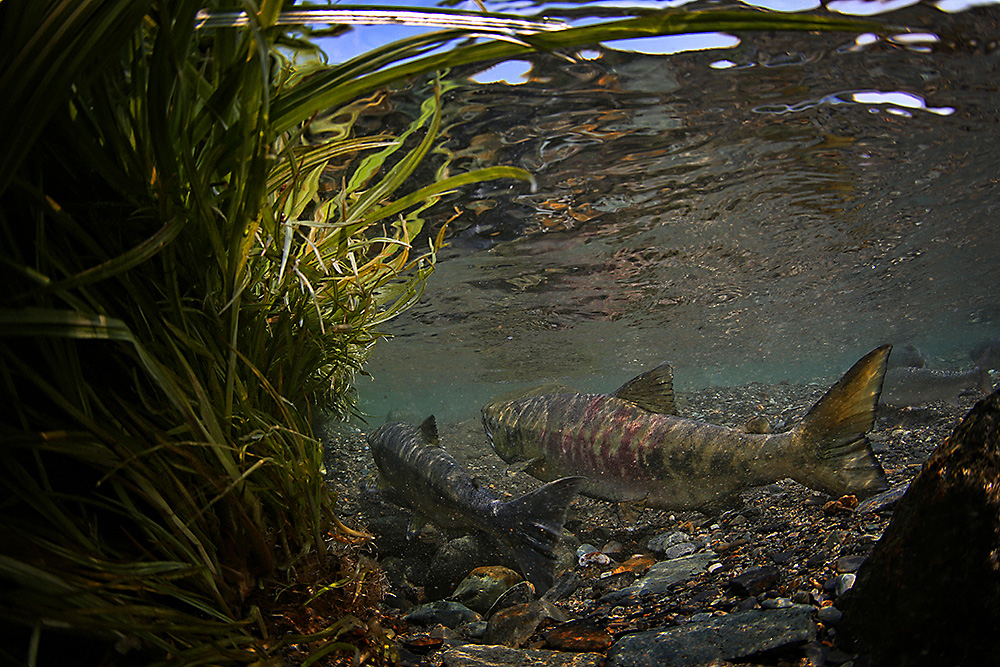
Chum of the forest. These chum salmon will soon spawn and die, leaving behind nutrients that will help sustain the lush forests of Prince of Wales Island. Photo courtesy of Earl Harper.
Location: Northern Prince of Wales Island in the Tongass National Forest
Fish species present: Coho, chum, sockeye and salmon, cutthroat trout, steelhead and Dolly Varden
Fun fact: The only known inland-nesting bald eagles in Southeast Alaska live here.
When you go: Excellent recreational opportunities abound in this watershed complex, which is especially popular with local guides and canoeists. Stay at the USFS Sweet Water public use cabin.
Neka River
Claim to fame: This river is so remote and rugged that Netflix filmed a survivalist competition TV show here.
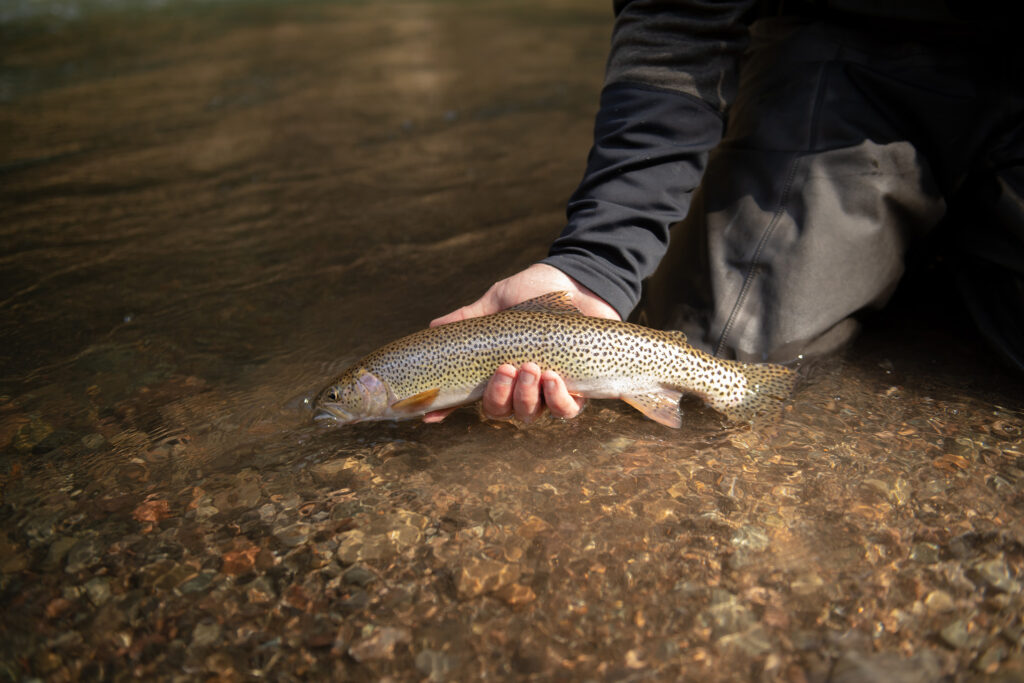
Coastal cutthroat trout’s feisty disposition makes for an exciting catch regardless of size.
Location: On Chichagof Island, 15 miles from the town of Hoonah in the Tongass National Forest
Fish species present: All five species of Pacific salmon and Dolly Varden. Steelhead and cutthroat trout, although not officially listed, have been anecdotally reported as well. , have been anecdotally reported as well.
Fun fact: There is also excellent bird watching, thanks to abundant waterfowl rearing and nesting areas.
When you go: Don’t miss the natural hot springs that is piped into a wooden hot tub.
Alaska’s roadless areas offer some of the finest backcountry fishing opportunities in the United States.
Join us in celebrating these special places and urging USDA to maintain the Roadless Rule so future generations (and our future selves!) can continue to experience the awe and joy of these remote and wild fishing grounds.
Urgent Action: Keep it Roadless
Submit your comment now and urge the USDA to keep strong protections in place for roadless areas. Your personal note about why the roadless rule matters to you makes a real difference.