
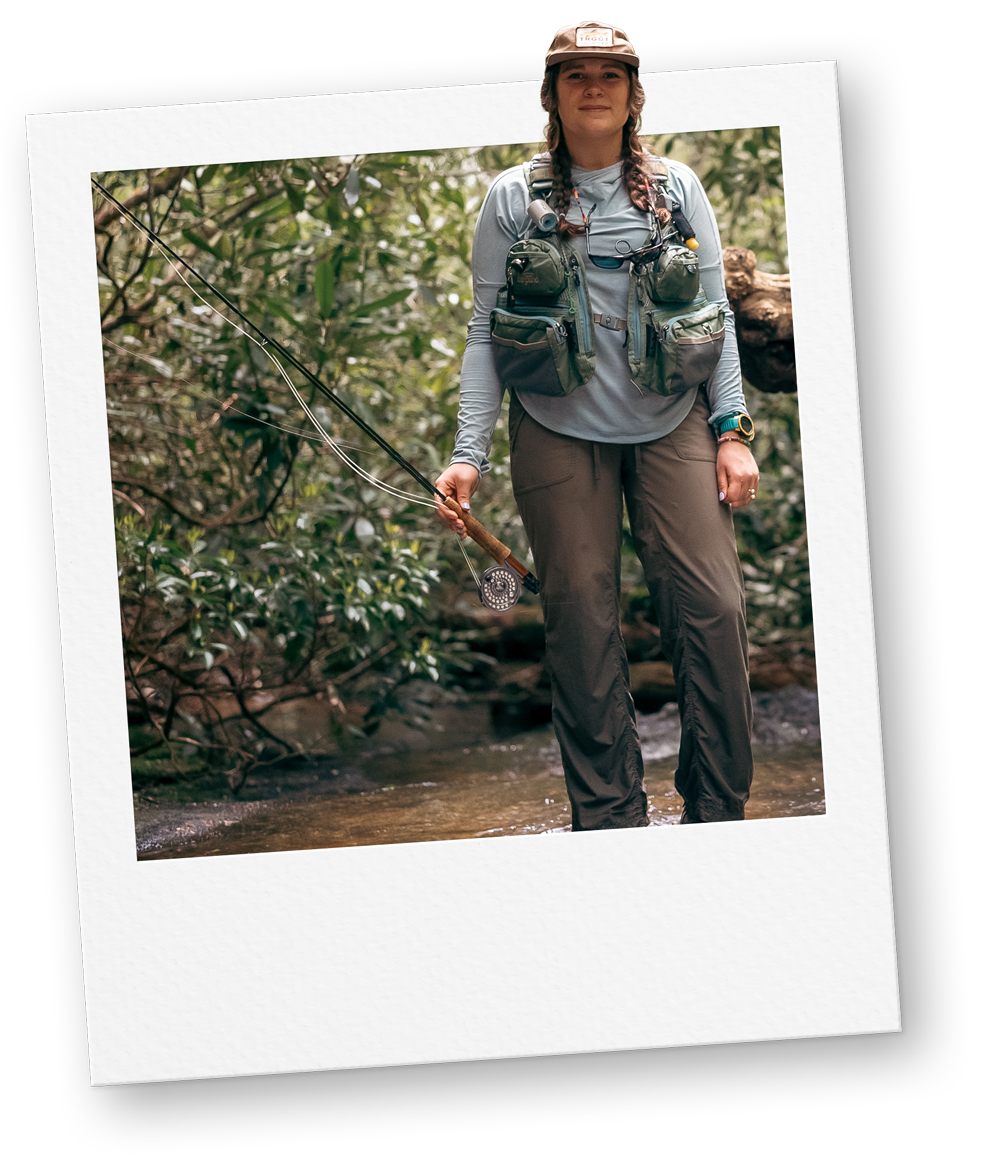

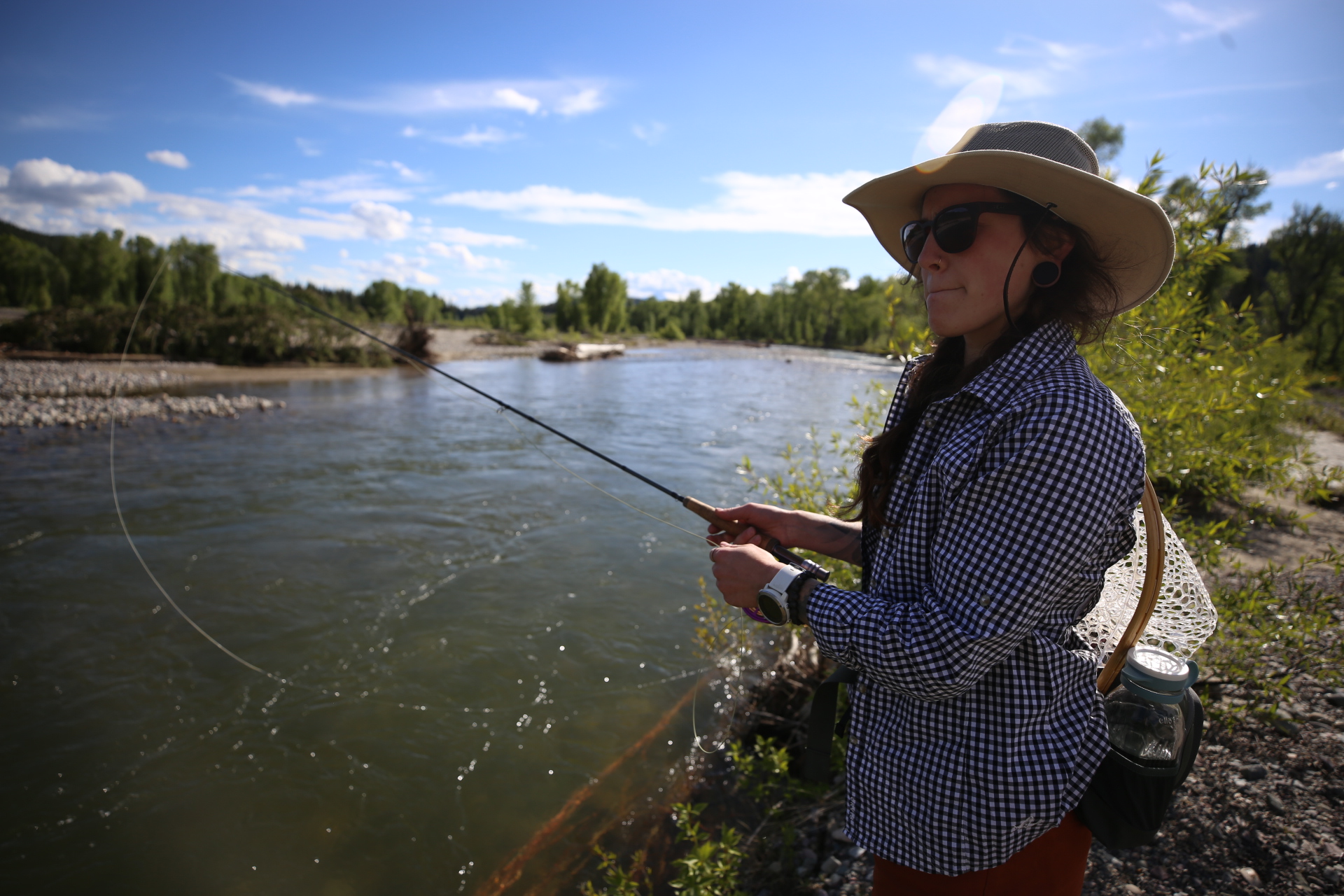
Generally speaking, hitchhiking in remote, mountainous areas is probably not a good idea. Simply put, there are a lot more bad possibilities than good ones. It’s certainly not a situation where one might expect to find a job that would change the direction of their life.
But in 2019, somewhere between Wyoming’s Wind River Range and Teton Valley, Idaho, in the passenger seat of a stranger’s car, M.E. Sorci made a phone call that had just that effect.
Creating an outdoor life
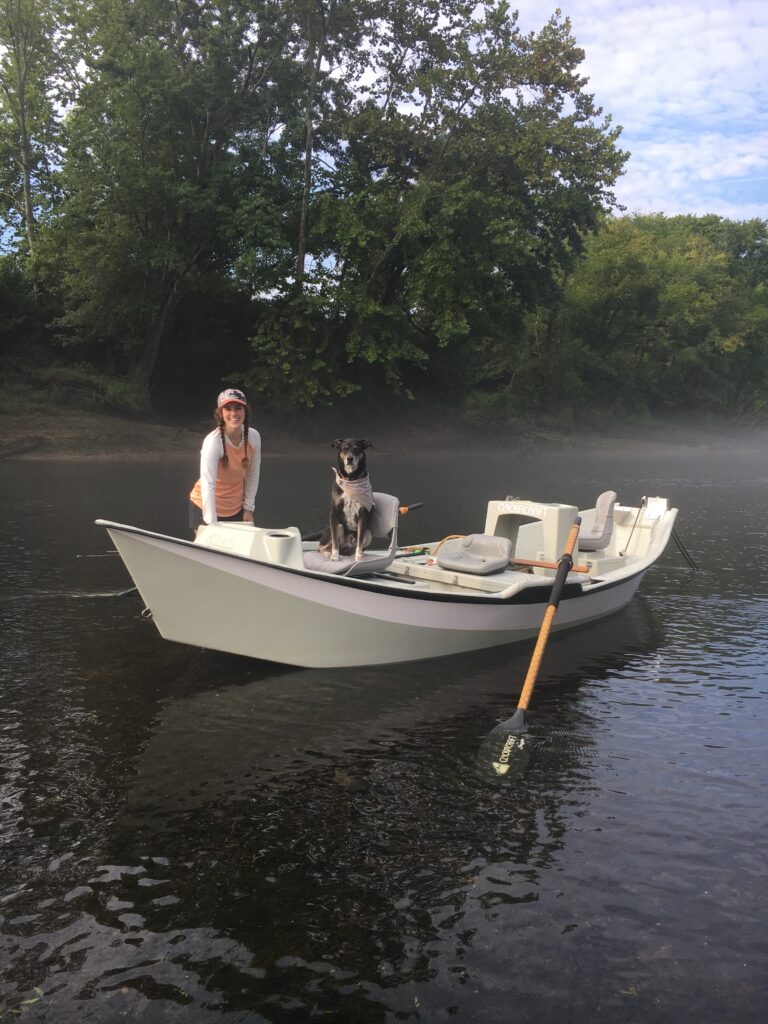
M.E. (short for Mary Elizabeth) Sorci grew up in Nashville, Tenn., a city known far more for its country music heritage than as an outdoor recreation hub. But just outside the city limits, Sorci found an amazing natural world to explore.
“The trails, rivers, creeks and forests of middle Tennessee were the backdrops of my childhood,” she recalled. “Growing up in metro Nashville, you might not expect abundant access to wild places, but that’s what I admired most about the community—where there’s a will, there’s a way.”
Throughout high school and college, Sorci was an avid rock climber, but eventually it was the waterways of Tennessee that captivated her in a profound way.
“As cliché as it sounds, the first time I stood in a river was monumental for me,” Sorci said. “It felt different from climbing or trail running. Standing there as the current split around my calves, I realized that even my presence altered its flow. However small, I was part of that ecosystem.”
First step in a fly-fishing career
Sorci dove headfirst into the fishing world, starting her career at a local Nashville fly shop in 2011. The fly-fishing industry can intimidate some, especially women, but Sorci found a life-changing mentor at the shop: her boss, Grumpy.
“He’d fished his whole life and was eager to pass along everything he knew,” Sorci said. “He stood up for me, being a gal in the fly shop…he pushed me to teach classes when I thought I wasn’t ready, explore new waters, tie new patterns and eventually to guide.”
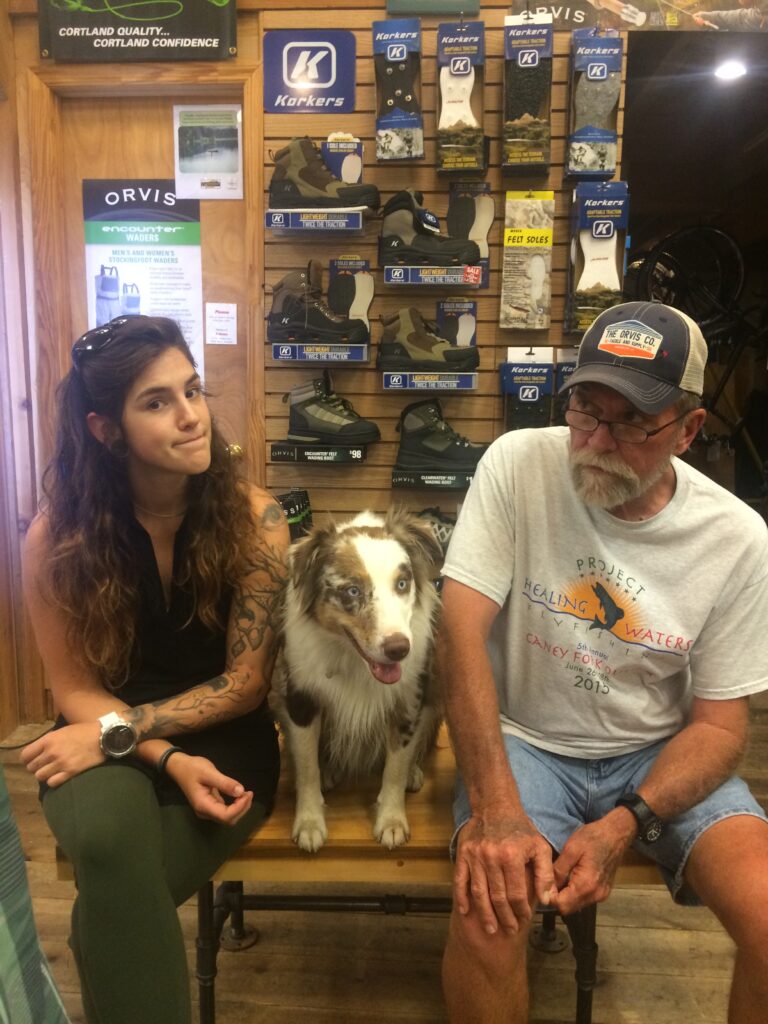
Along with a passion for entomology, it was guiding that first brought Sorci westward to Teton Valley, Idaho, where she attended the Reel Women Guide School.
“I learned to row and discovered something just as important: a community of people, especially women, who loved rivers and bugs as much as I did,” she said.
Sorci had taken a summer break from working in Tennessee to explore the northern Rockies, spending three months backpacking and fishing throughout Wyoming and Idaho.
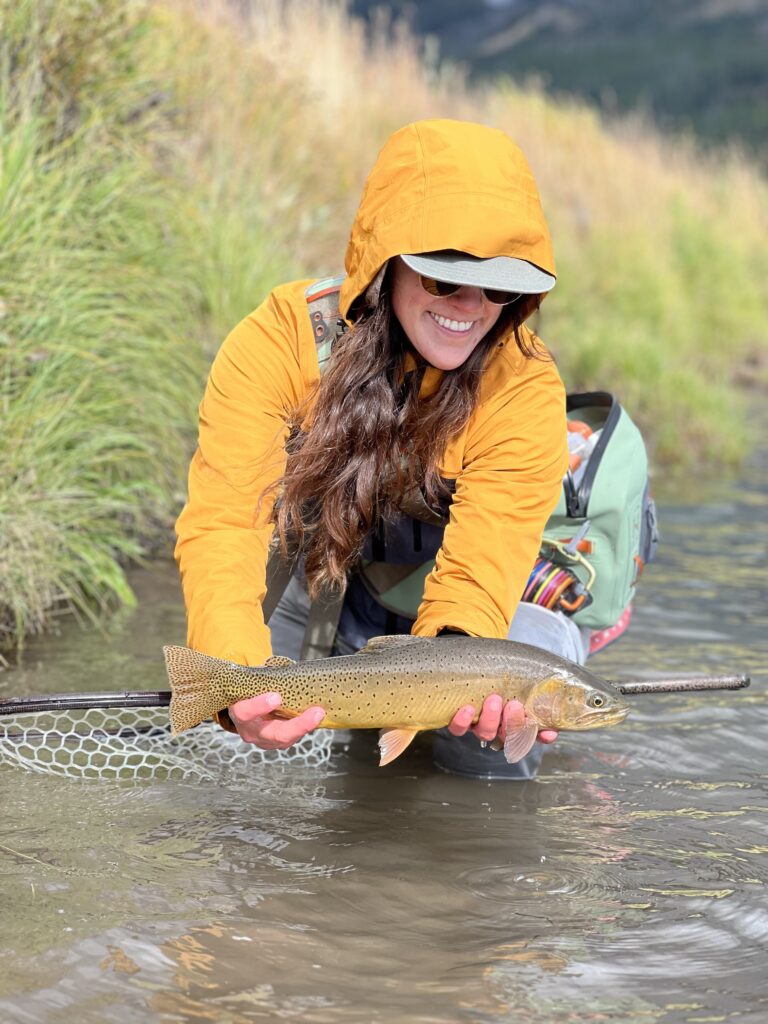
It was on that trip, in a stranger’s car, when she called a woman she had met at guide school, Maggie Heumann. She asked Heumann, now a Trout Unlimited staffer, for a job in the fly shop Maggie managed at the time.
Shortly after, Sorci was back in Nashville, packing up her life, throwing it in her car and moving west to Teton Valley, Idaho.
During the first year she spent in her new locale, she spent as much time outdoors as possible.
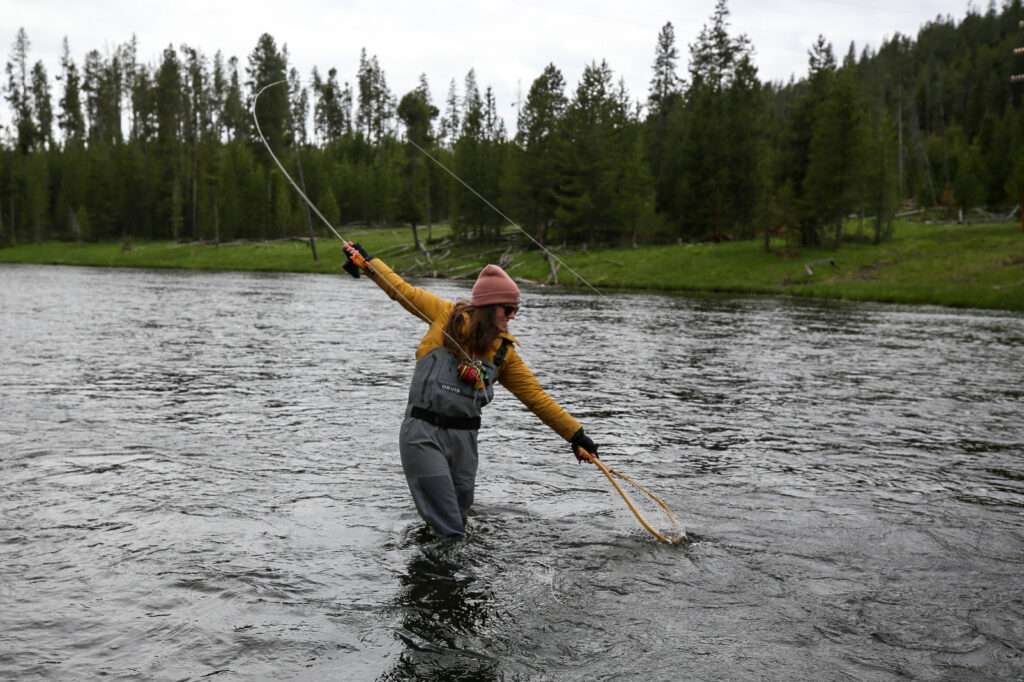
“It was the same as when I was in Tennessee,” said Sorci, who loved the camping and outdoor lifestyle commonly found in the West. “I worked my job, and the rest of the time I just tried to squeeze all the fishing in I could.”
Giving back
For Sorci, giving back is second nature, especially to the rivers she loves.
“It’s one of the things that Grumpy instilled in me,” she said. “To him, giving back to the rivers and community was as important as showing up to the river with your pants on.”
Prior to joining the board of the Teton Valley chapter of Trout Unlimited, Sorci volunteered with Casting for Recovery and Project Healing Waters.
In addition to Grumpy’s mentorship, she traces this drive to effect positive change back to her first time standing shin-deep in a free-flowing river.
“In that quiet moment, I began to understand responsibility in a new way,” Sorci reflected. “If simply standing in the river changed it, then every step I took afterward mattered. I could move through these places carelessly, or I could move through them with intention.”
For years, the Teton Valley chapter existed in a relatively dormant state. Sorci and a handful of other volunteers stepped up and took the reins of the chapter to revitalize it.
Chapter comes to life
Breathing life into a dormant chapter is a difficult task, but in a community like Teton Valley—where nearly everyone has a connection to its rivers, fish and forests—it wasn’t long before M.E. and her fellow volunteers found the chapter thriving once again.
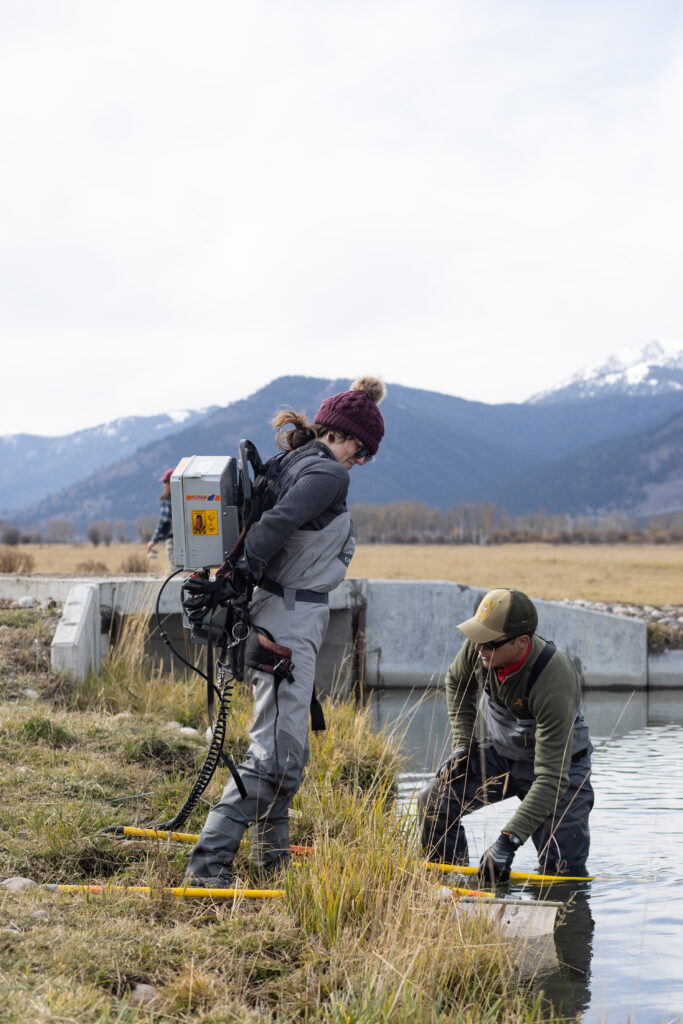
“We’ve been blown away by the community’s response,” she said. “People show up—for river cleanups, macroinvertebrate sampling, educational events and even our annual socials. There’s been an immediate and genuine buy-in. That kind of engagement creates momentum. It transforms conservation from an abstract idea into something tangible and collective. I’ve seen firsthand how community involvement can quickly create a vibrant, energized network of anglers and river stewards.”
Today, Sorci serves as Idaho’s representative on TU’s National Leadership Council, bringing her passion, expertise and positivity—an essential tool for any conservationist—to bear at the state and national level.
“Too often, we operate as a reactive society rather than a proactive one,” she said. “If we want to stay ahead of the changes affecting our rivers, forests and fisheries, our generation must engage now.
“At the end of the day, I want resilient rivers—places that can endure change and continue to sustain—and I also want a resilient community—one that can echo the conversations and stand together to give voice to these wild, flowing spaces.”
Fishery Spotlight: The Teton River
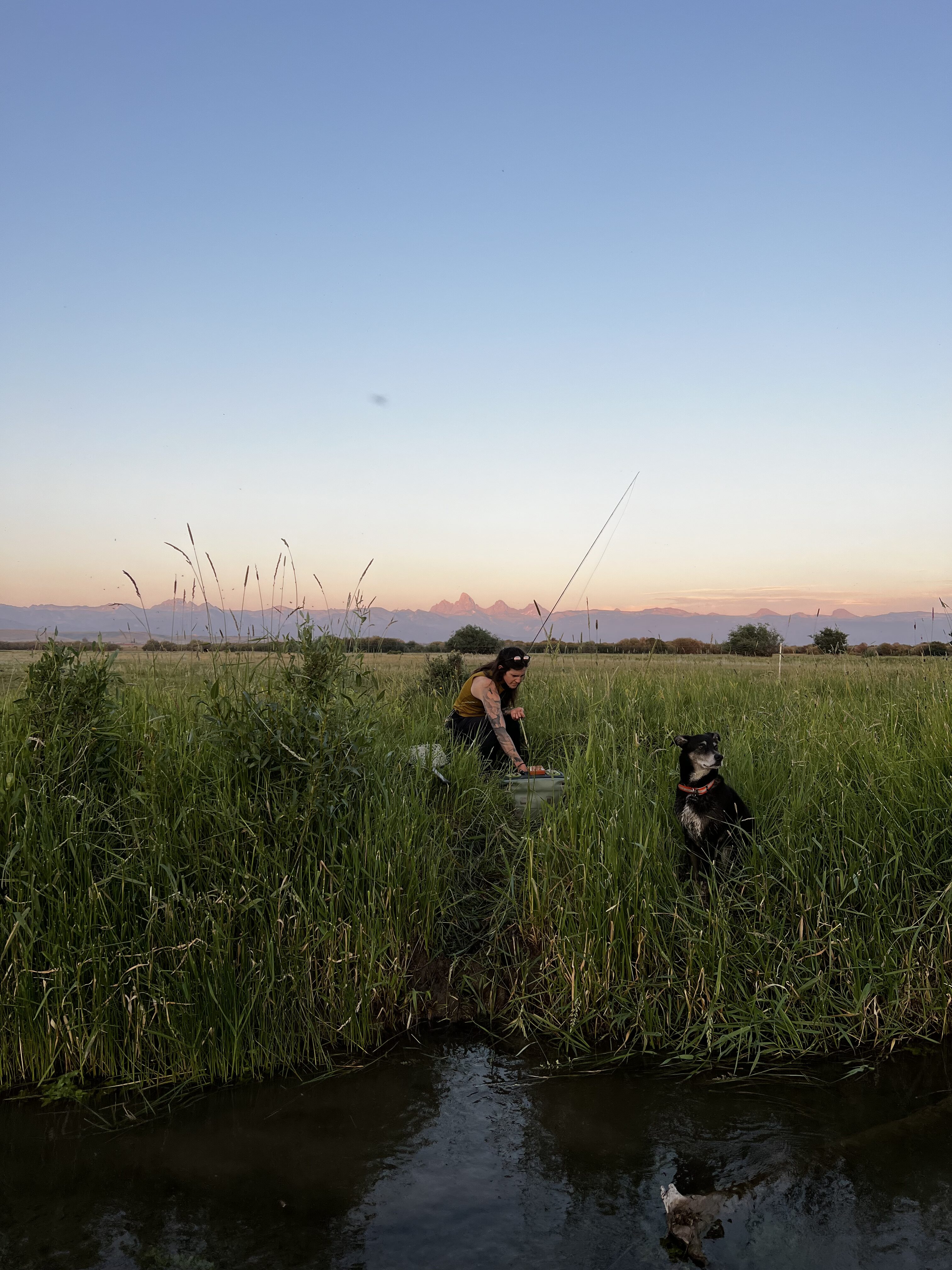
While it is often overshadowed by its legendary neighbors the Henry’s Fork and South Fork of the Snake, those in the know consider the Teton River as special a fishery as any in the Greater Yellowstone ecosystem.
Bubbling up from the valley floor, the Teton originates as a spring creek cradled between the Teton and Big Hole mountains before plunging into a deep canyon with numerous rapids. Trophy-sized Yellowstone cutthroat trout are the main quarry, and the hatches of aquatic insects are prolific.
But the Teton has a checkered past, and an uncertain future. In 1976 the newly built Teton Dam, an earthen structure more than 300 feet high, collapsed, causing a disastrous flood that devastated the nearby town of Rexburg and killed 11 people.
Today, there are people seeking to rebuild the dam in the interest of irrigation and water storage. The construction of a new Teton Dam would submerge miles upstream underneath a reservoir, drowning yet another of the West’s majestic canyons.
In an effort to stop the construction of another dam, many conservationists are calling for the Teton to be granted permanant protetctions to ensure future generations have the opportunity to float and fish in this incredible place.
Every River Needs a Champion
The same free-flowing rivers that sustain trout and salmon bring clean water into our homes, give life to vibrant communities and feed a passion for angling and the outdoors.
Today, our fisheries and rivers face enormous challenges. At Trout Unlimited, we are doing something about it, and we need your help. Sign up to be a champion for your rivers, and help us unlock the unlimited power of conservation.