

March Browns, BWOs, Mother’s Day Caddis, oh my!
Although nymphing and streamer fishing can produce great results in the spring in the Driftless area, the season can also offer surprisingly good dry fly fishing action. My personal favorite is still hopper season since fewer folks are out on the water, but the number of bugs on the water in the spring is second to none.
First of all, this information has been available long before I started fly fishing. I’m not inventing the wheel here, just sharing my thoughts. You can find hatch charts on multiple places online. I also highly recommend the Driftless Anger blog for current hatches in the Viroqua, Wisc., area. I’ve found that this translates quite well to the rest of the Driftless.
Now for the good stuff. Hatches.
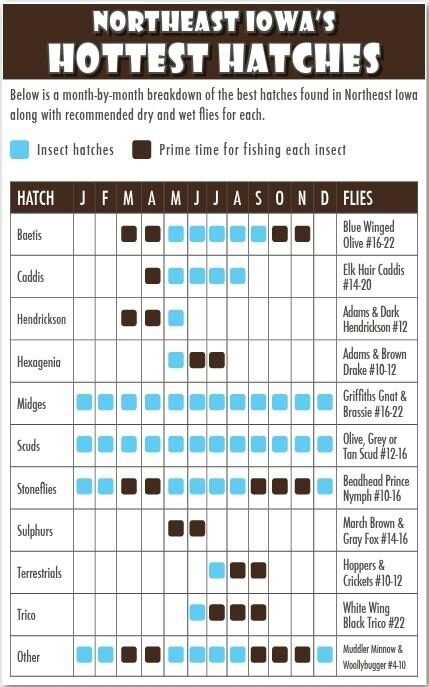
Trout that have survived winter are hungry. As the water warms, their metabolism begins to increase, and their need for calories is at one its highest levels of the year. For the bulk of the Driftless, mayflies (Baetis) are the first major hatches to occur. Some areas will get stoneflies (Plecoptera), which can be a ton of fun. These are big meals for trout and can help them recover from winter.
The next major order of insects are caddisflies (Trichoptera). Depending on the stream characteristics, water quality, and habitat, you could see any or all of these hatches. You may have caught that I said “habitat.” Yes, these insects need habitat, too. There wouldn’t be trout without these insects so the work that TU does not only focuses on helping trout, but we helps these macroinvertebrates too by making sure there is plenty of wood and exposed rock in the stream bed for these bugs to use too.
Some folks will get a little carried away with needing to know exactly which species of insect is hatching. What you really need to know is which order or insect in hatching.
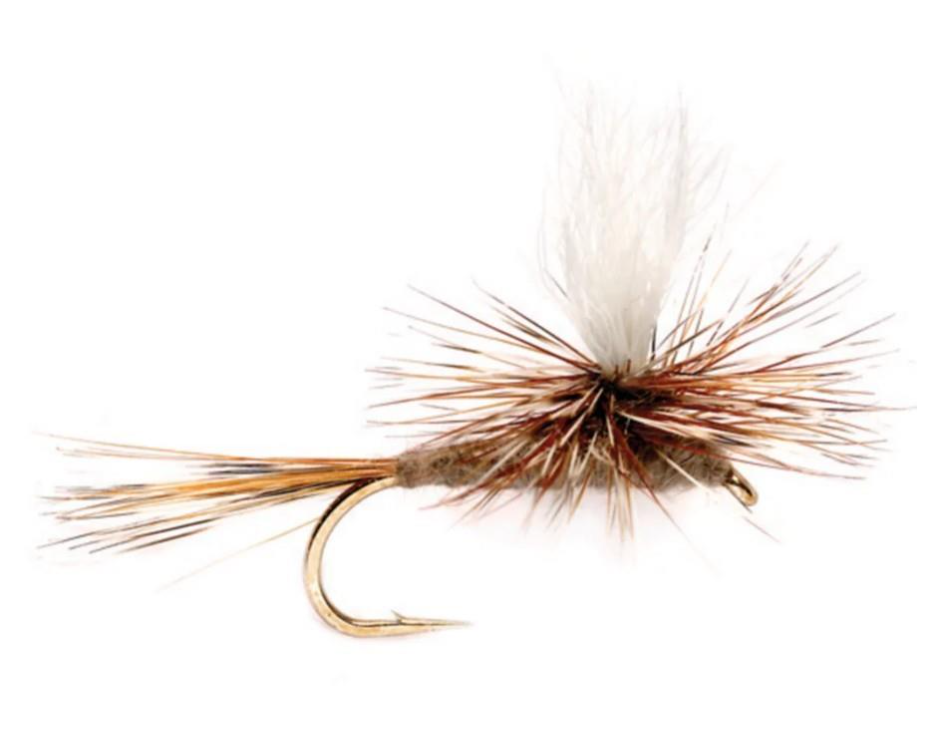
As I mentioned above, the main three are mayflies, stoneflies, and caddisflies. You can find a wide variety of flies that cover these three orders. Typically mayflies are imitated by Adams style flies, caddis are typically a variation of an Elk Hair Caddis, and stoneflies are typcally imitated by a Stimulator, Yellow Sally, or a foam bug.
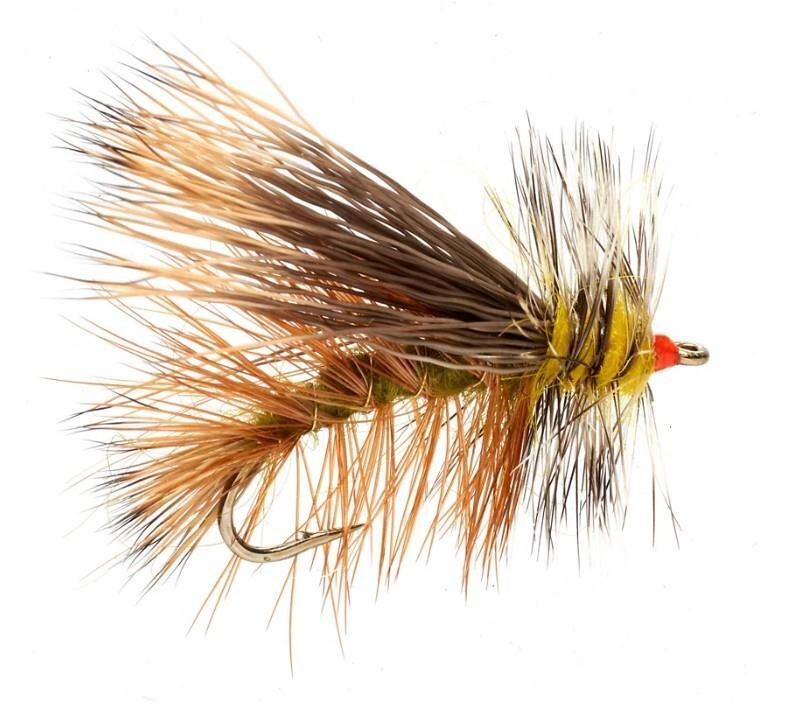
The most important thing to remember is shape and size, followed by color. Trout key in on the size mostly, and as long as the color is close, you should have success.
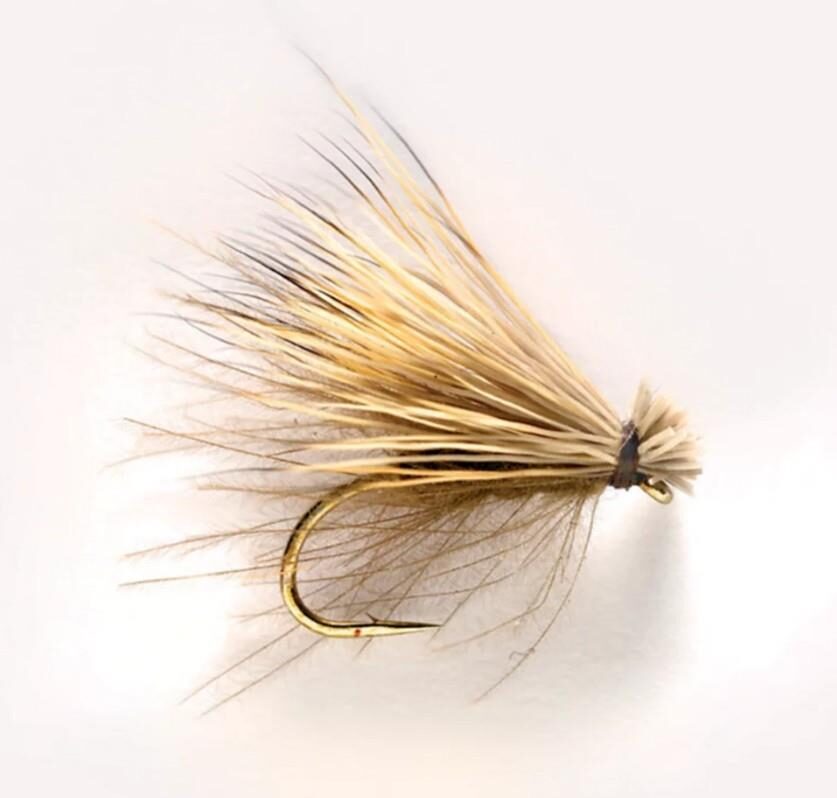
The other thing to remember is your tippet size. The smaller the better when you have clear water. Trout can be very spooky at times, so watch your drifts too and make sure you’re not slapping the flies on the water. Gentle presentations will catch you more fish.
There are two other hatches you can watch out for. Midges happen throughout the year and can be quite effective in the spring. Last but not least, is another of my favorites: the “streamer hatch.” If you get a little high water that is stained, streamers can be quite effective, especially for big trout.