
Restoration

It All Flows Downstream  

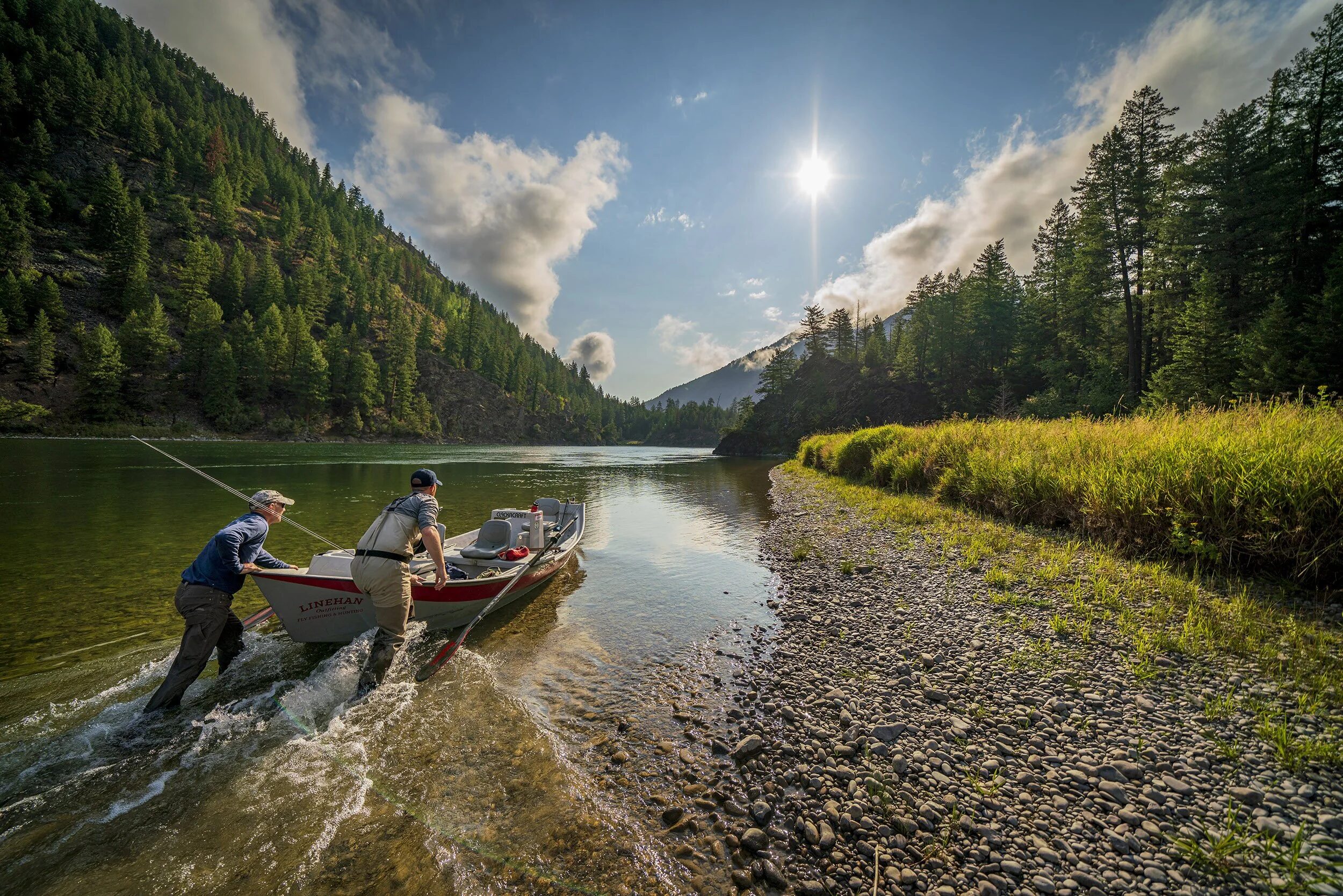
Scenic views along the Beaver Creek float. Photo by Matt Albert.

Restoration work upstream is bolstering fish populations on a Wild and Scenic River 

Alaska is home to many spectacular rivers. Anglers and adventure seekers from around the globe visit to experience wilderness floats, breath-taking scenery, and phenomenal fishing opportunities. One such adventure is on interior Alaska’s Beaver Creek, a Wild and Scenic River. This clear water river flows past the jagged limestone peaks of the White Mountains National Recreation Area, through the Yukon Flats National Wildlife Refuge, and eventually joins the mighty Yukon River. Beaver Creek offers excellent fishing for Arctic grayling. Wildlife and bird viewing opportunities are abundant as well. The 360-mile float has been called the longest road to road float in North America. Most floaters begin their journey down Beaver Creek by putting in at its Nome Creek tributary. A major river restoration project is happening just upstream of that spot. Work being done at Nome Creek is repairing degraded fish and wildlife habitat, improving water quality and fishing opportunities throughout the system.  

Over a century ago, prospectors struck gold in Nome and Ophir Creeks and the Beaver Creek Mining District was created. In 1927, the first of several dredge mining efforts began in Nome Creek. Dredge mining operations continued off and on through the 1950s and small-scale mining continued through the 1980s. This historic dredge mining significantly altered the habitat in and around Nome Creek. The stream channel was redirected, and large amounts of rock and soil were displaced.  This left fast moving water lacking deep pools for fish to rest, severe bank erosion, and mine tailings along the stream with little topsoil and vegetation. The resulting straight channel made the stream more susceptible to dangerous flooding.  

An unstable eroding streambank, created by a terrace of mine tailings, that is limiting access to the floodplain along Nome Creek. Photo by BLM.

Investing in fish and recreation  

Today, we have a deeper understanding of the importance of healthy streams and how historic mining practices can negatively impact fish and wildlife. That’s why the Bureau of Land Management (BLM) is working to restore a large section of Nome Creek. The BLM manages 70 million acres of land across Alaska. Much of this land is both important fish habitat and open to mineral exploration. To counteract the damage pre-1990 historic mining has caused, the BLM has teamed up with miners and scientists to test and improve stream reclamation techniques used by miners and apply that knowledge to restore habitats impacted by legacy mining. The Bureau began to focus on applied research of stream rehabilitation techniques in the upper Yukon Region in 2013. Nome Creek is the latest project in this effort.  

“The Nome Creek restoration project is expanding our portfolio of work to improve and refine stream reclamation approaches , while also bringing many recreation benefits,” said Matt Varner, fisheries resources lead for the BLM’s Alaska Aquatic Resources Program.  

The BLM maintains an impressive suite of recreational opportunities in the one-million-acre White Mountains National Recreation Area that surrounds Nome and Beaver Creeks. Three campgrounds, 13 public use cabins, scenic floats, fishing opportunities, and 250 miles of groomed winter trails draw visitors year-round. The popularity of this area and the extent of habitat degradation in Nome Creek made it an easy choice for the BLM to expand their restoration efforts.  

An angler hooked up to a trophy grayling in the Nome Creek restoration area. Larger grayling especially like the new pool habitat. Photo by Trout Unlimited.

Healthy headwaters are good for the whole watershed 

Since 2013, the BLM has restored over one mile of the main channel of Nome Creek and extensive amounts of side channel and floodplain habitat. Freshly excavated pools now provide a better home for fish by creating places where they can find cover and food during high and low water levels.  The high tailings piles that once surrounded the creek have been graded down and planted with native vegetation, reducing erosion and improving water quality. The creek has been reconnected with its floodplain, helping to mitigate flood damage to the bridge and roads downstream.  

When you visit Nome Creek today, the best places to catch and release grayling are within the area the BLM has restored. Cast a dry fly into any one of the newly excavated pools and the chances are high that a grayling will charge up from the depths and smash your fly. Darrin McLeod is a civil engineer with the BLM who is working on the project. He’s loved fishing since he was a young boy, and he passed that love on to his son. Darrin and his family have spent a lot of time camping and fishing along Nome Creek. “The next generation will really feel the benefits of this project,” Darrin said. “It feels good to know we’re preserving fishing opportunities for years to come.” 

A Nome Creek grayling. Photo by Trout Unlimited

This restoration project is enhancing fishing opportunities in Nome Creek, but its benefits extend far beyond that creek alone. The Alaska Department of Fish and Game conducted a radiotelemetry study on the grayling populations in Beaver and Nome Creeks from 2021 to 2023. They found that some grayling migrated over 100 miles between their overwintering, spring spawning, and oversummering spots. In winter, grayling need access to deep pools with sufficient oxygen levels and food. In spring, spawning occurs and they need access to areas with pea-sized gravel. In summer, larger grayling prefer smaller tributaries with greater access to food. These changes in seasonal needs lead grayling to migrate throughout Nome and Beaver Creeks. The Nome Creek project is restoring habitat suitable for grayling all throughout the year. Anglers welcome these bolstered fish populations and their subsequent improved chances at shaking hands with “Sailfish of the North” that they bring.  

Benefits beyond fish  

The project’s benefits expand far beyond fish and wildlife. Micah Dagerlund with Southfork Development is one of several local contractors who have worked on the project. He’s worked on Nome Creek for all three years and notes the progress that has been made. “I can see the results in the last three years, everything has held up,” said Micah. “Three years ago, the creek was trying to wash out the bridge. The BLM was seriously considering having to replace the bridge that provides access to the whole valley and now they don’t have to.”  

A restored section of Nome Creek. The structure in the center of the stream is called a log j-hook. It provides grade control, dissipates energy, deflects stream flow to the center of the channel, and creates a pool downstream. Photo by Trout Unlimited.

Restoration investments help prevent washouts that can cause expensive emergency repairs of important infrastructure. They also boost local economies by putting contractors like Micah to work. Southfork Development is one of several contractors who are employed on the project, and other local vendors supply their materials and fuel.  

Much like the positive impacts to fish, wildlife, and water quality that ripple throughout the watershed, the economic benefits of river restoration projects spread throughout the local  communities. Projects like Nome Creek are good for fish, wildlife, and people.  

Restoration on Nome Creek will continue in 2026. This project is made possible by a partnership between the BLM, the Salcha-Delta Soil and Water Conservation District and Trout Unlimited.  

By Marian Giannulis.