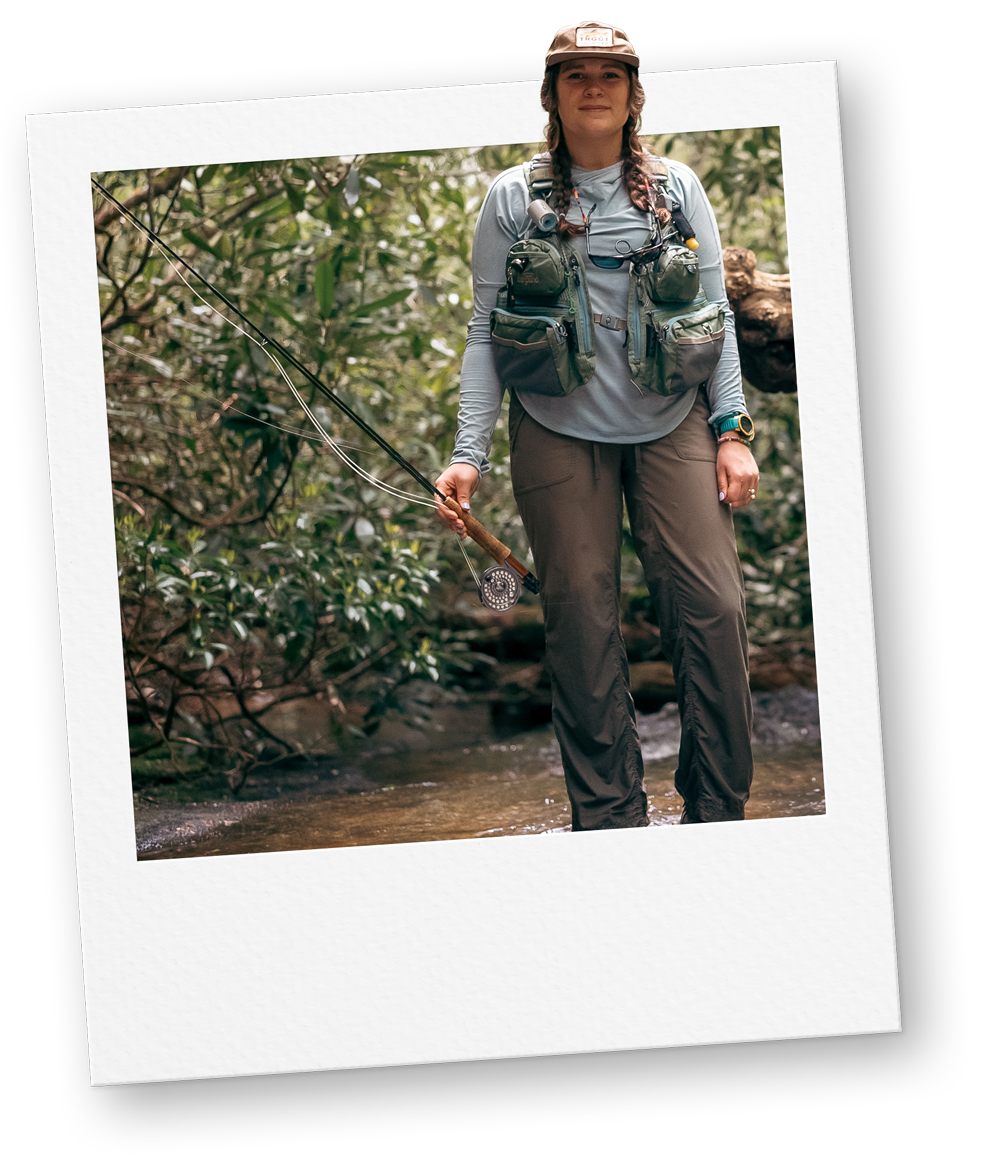
Healthy Rivers for Wildfire Resilience
A Community of Practice Building Wildfire-Resilient Rivers
An intact, lush beaver dam complex after the Bootleg Fire in the Upper Klamath Basin. Photo: Charles Erdman/Trout Unlimited
Welcome to Healthy Rivers for Wildfire Resilience, a new Community of Practice.
For too long, aquatic restoration, pre-wildfire mitigation, and post-wildfire recovery have advanced on separate tracks. We believe it is time to bring them together, and we would love for you to join the effort.
Healthy rivers, floodplains and riparian corridors retain moisture, slow fire spread, reduce burn severity and may speed post-fire recovery while also delivering co-benefits for trout and salmon, water quality, and communities.
Healthy rivers facilitate strategic wildfire management by creating fire breaks and safe zones, and river restoration projects provide a beneficial use for the slash and non-merchantable timber generated during fuels management.
Linking aquatic restoration and wildfire management can improve the efficiency and effectiveness of both.
Outstanding work at this intersection is underway across the West, led by a wide range of practioners, scientists, managers and partnerships. In the upcoming months, we are excited to build a growing collection of collaborative resources including science summaries, practical case studies, how-to guides, trainings, and opportunities to connect with practitioners working to create healthy rivers for wildfire resilience across the West.
We hope you’ll join us!
The more voices and perspectives we have contributing, the more durable our solutions will be.
Sign up for updates and opportunities to collaborate:
Do you have questions or ideas on how to contribute? Please contact:
Warren Colyer, National Restoration Director
Email Warren >
Helen Neville, Senior Scientist
Email Helen >
Emily Olsen, Vice President, Rocky Mountain Region
Email Emily >
Events
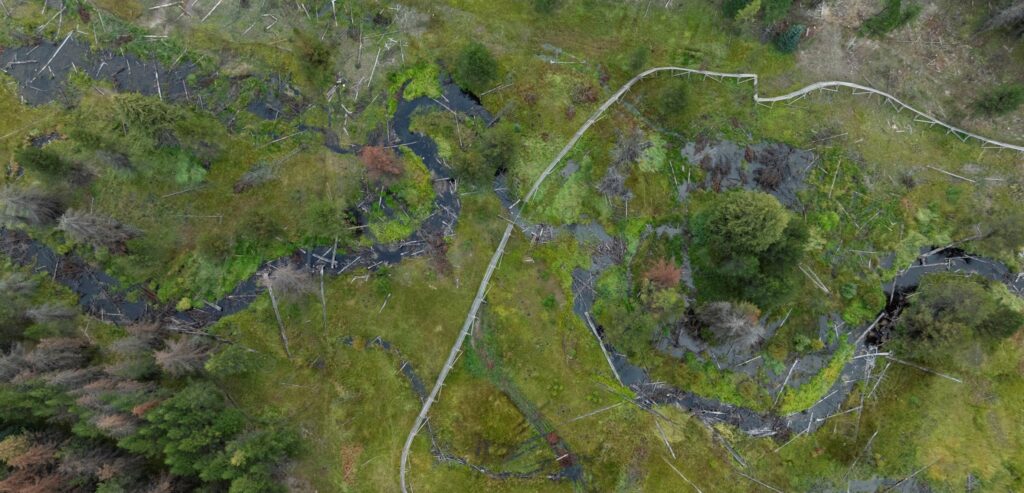
Join Us: Monday, May 18, 2026, 11 AM-12 PM MT
Healthy Rivers for Wildfire Resilience: Ridgetop-to-Ridgetop Approaches to Watershed Restoration on Sheep Creek
Please join us to explore “ridgetop-to-ridgetop” watershed restoration approaches on Sheep Creek (tributary to the Grande Ronde River, NE Oregon).
We’ll discuss how upland fuels reduction and forest management are paired with stream restoration techniques like floodplain reconnection, large wood placement, and beaver dam analogs to build long-term wildfire resilience while improving habitat for salmon, steelhead, bull trout, and other species.
Speakers will cover project design, implementation details, and key lessons learned. Bring your questions, ideas, and local examples to share!
Past Event
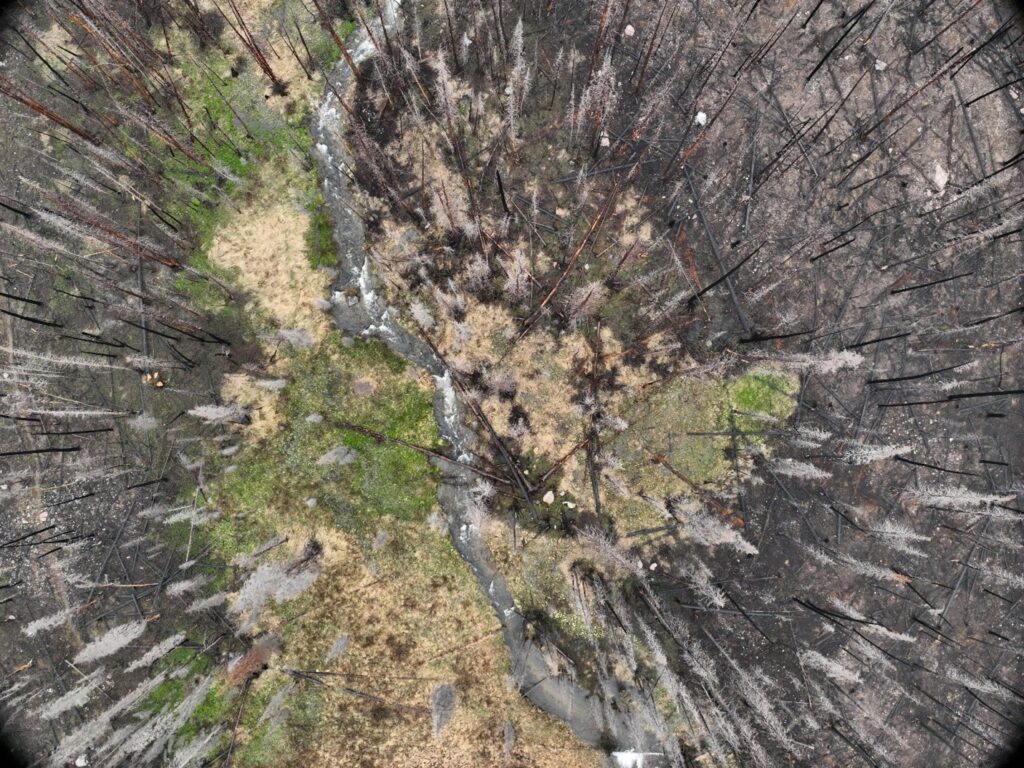
Restoring Fish Habitat in Fire-Prone Landscapes
In November 2025, Trout Unlimited hosted a webinar in partnership with The Nature Conservancy’s Salmon, Forests, and Fire Working Group about the effects of wildfire on aquatic ecosystems and best practices for restoration in the wake of wildfires.
Read the recap below ↓
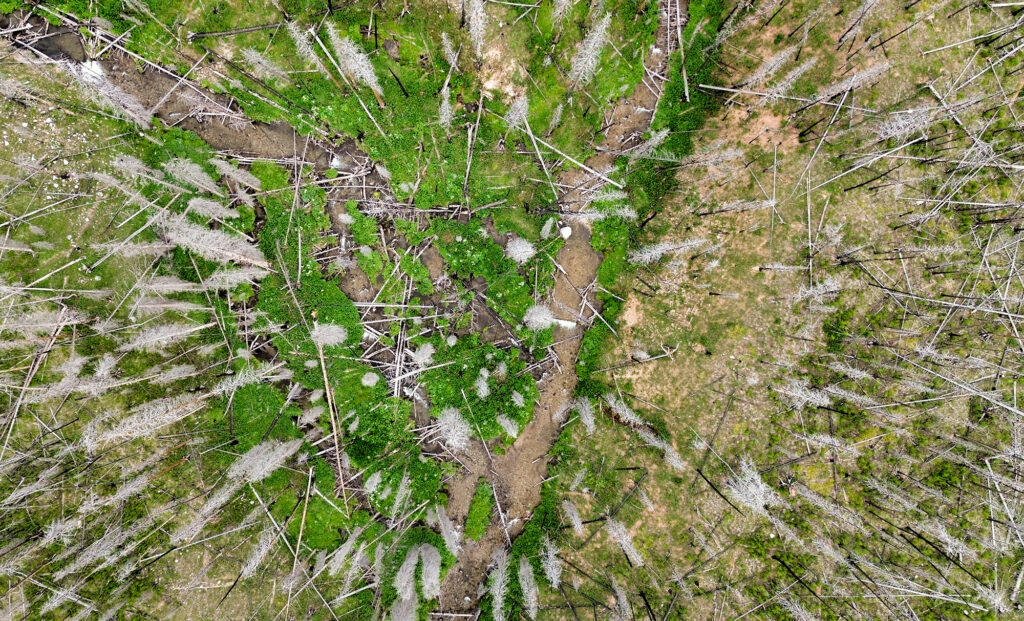
Building Momentum across the West
Practitioners across the West, including Trout Unlimited, are actively developing and leading river restoration projects that build wildfire resilience and facilitate wildfire management. We’re eager to lift up and learn from these important efforts.
The projects below are examples from Trout Unlimited’s work – and we’d love to highlight, link to, and learn from your work too. Please contact us if you’re interested in contributing a case study, project or lesson to this growing list.
Together, we can continue building momentum and demonstrating the scale of our collective efforts across the West.
Case Studies
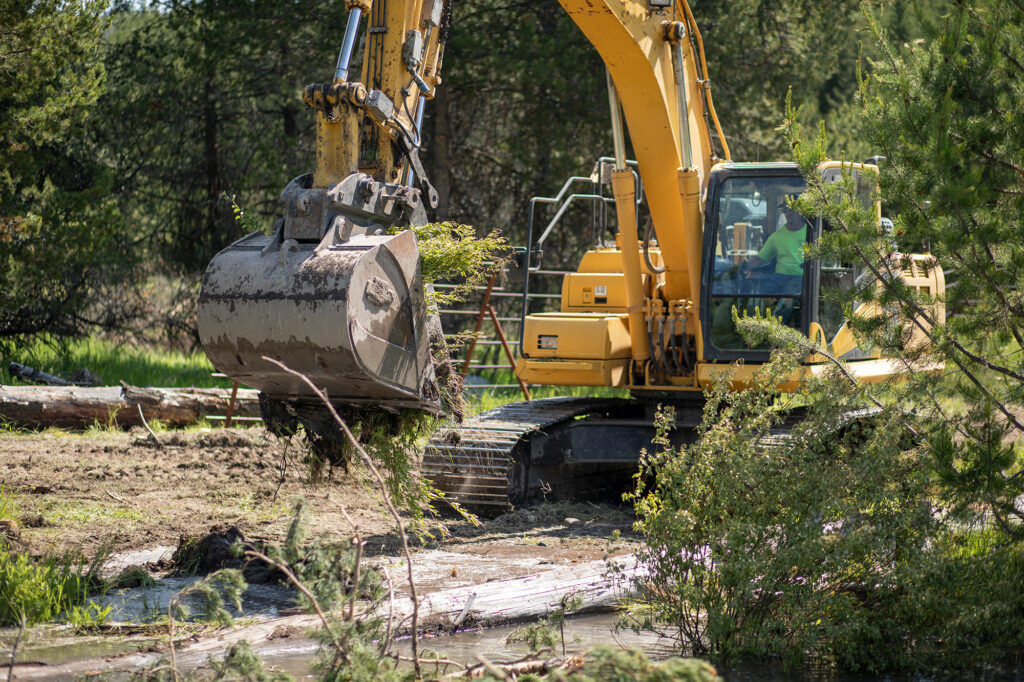
Sheep Creek, Oregon
Building Ecosystem Resilience on Sheep Creek
TU and our partners restored more than 8.6 miles of streams and reconnected 101 acres of wetland habitat on a cold headwater tributary of the Grande Ronde River.
This ridgetop to ridgetop project coordinates aquatic restoration with active forest management by thinning the uplands, using the materials from the thinning project to create large wood structures and beaver dam analogs, and then moving forward with riparian planting to slow water, store moisture, reduce burn severity, create natural fire breaks, and speed post-fire watershed recovery while enhancing habitat for salmon, steelhead, and bull trout, and supporting local economies.
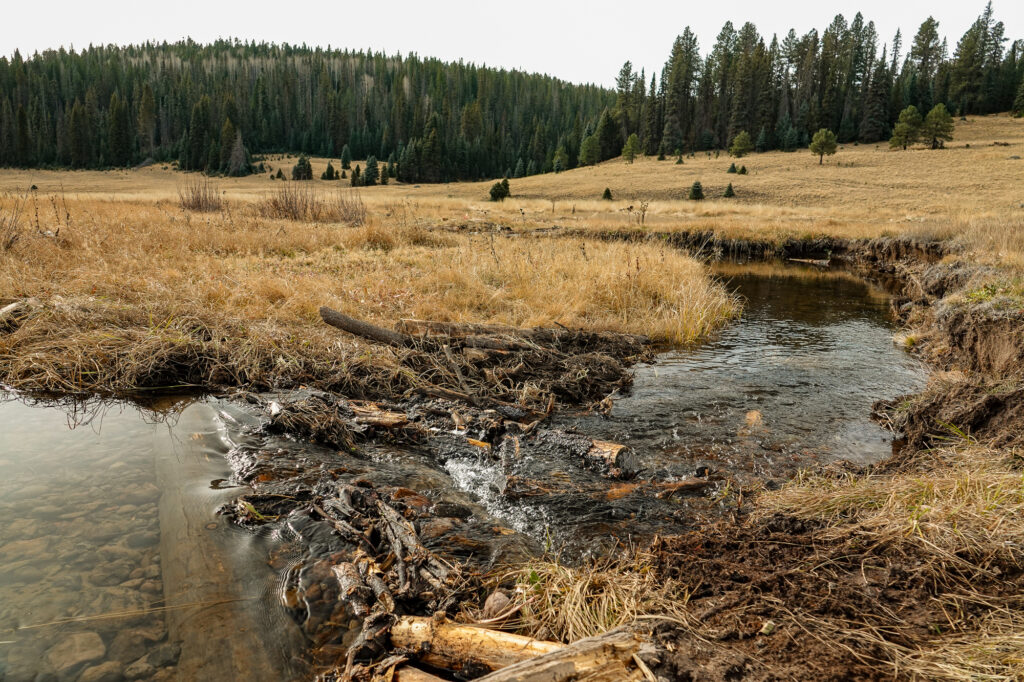
Thompson Burro Meadow Restoration, Arizona
Infrastructure Project Helps Phoenix Valley Water Supply and Arizona’s National Forests
TU and our partners restored 3.5 miles of stream and reconnected 128 acres of wet meadows in the Apache-Sitgreaves National Forest using over 200 wood log jam structures and riparian planting.
In the arid and fire-prone Southwest, this project creates healthier meadows that will better withstand future fire, while also supporting post-fire recovery.
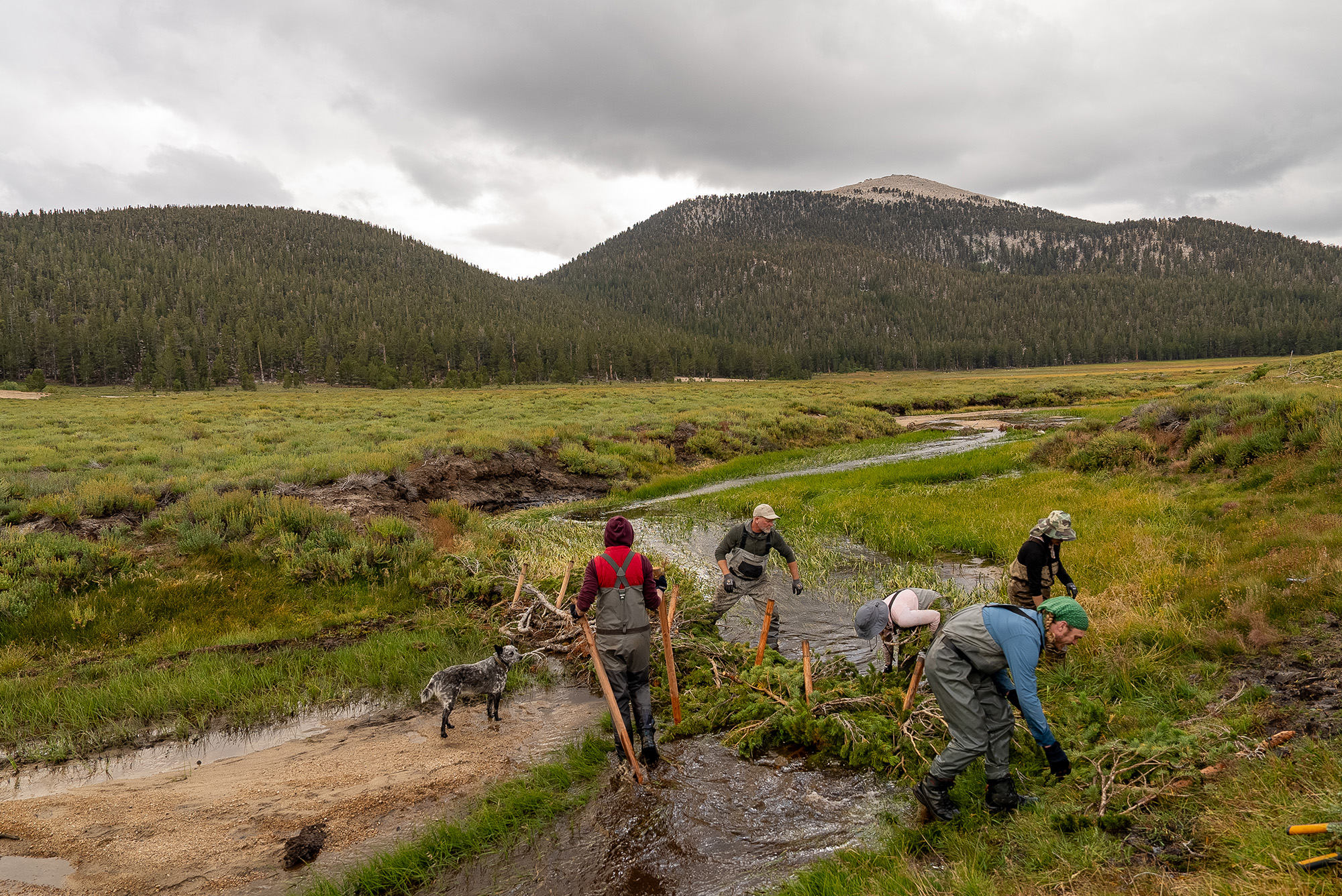
Sequoia Meadows Restoration, California
Precious Mettle
TU and our partners are restoring over 40 miles of headwater streams and nearly 3,000 acres of meadows in the Golden Trout Wilderness using approximately 2,500 beaver dam analog structures and riparian vegetation work.
This project builds wildfire resilience by reducing runoff, limiting erosion after fire, and creating cooler, wetter landscapes that help moderate fire behavior while improving habitat for native golden trout and other species.
Past Webinar
Restoring Fish Habitat in Fire-Prone Landscapes
In November 2025, Trout Unlimited hosted a webinar in partnership with The Nature Conservancy’s Salmon, Forests, and Fire Working Group about the effects of wildfire on aquatic ecosystems and best practices for restoration in the wake of wildfires.
In the webinar, three expert panelists – Dr. Ellen Wohl, Dr. Becky Flitcroft, Dr. Brooke Penaluna, and Dr. Brian Harvey – discuss the ways in which fire regimes have changed owing to human disturbance while also offering a hopeful perspective that forests, river systems, and even fish, have co-evolved with fire and are resilient, especially if appropriate conservation and restoration actions are taken in preparation for, and in response to, wildfire.
The webinar recording is available on TU’s YouTube
Further, here are a few links that our panelists mentioned during the webinar:
- OPB: Scientists find surprises under surface of burned forest streams 5 years after Oregon’s Labor Day fires
- Orvis Podcst: Wildfires and Trout with Becky Flitcroft
- NW Fire Science Consortium: Fish and Fire: Habitat and History in the Northwest
- Landscapes on Fire: Impacts on Uplands, Rivers, and Communities
Discussion topics and speaker biographies: