Why anglers love brook trout, and how to catch them

Every entry in our sweepstakes powers our work keeping rivers cold and fish thriving.
Every entry in our sweepstakes powers our work keeping rivers cold and fish thriving.
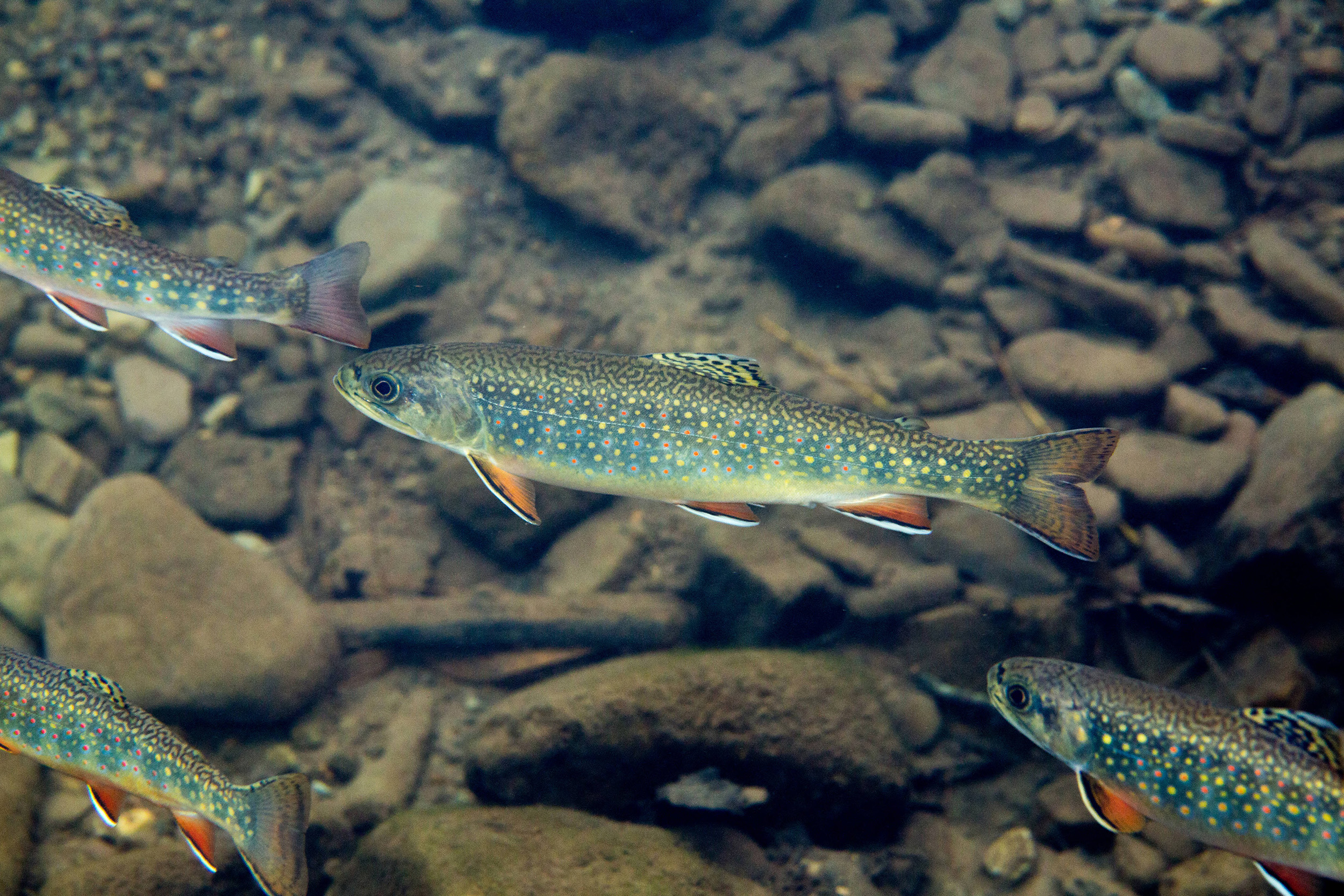
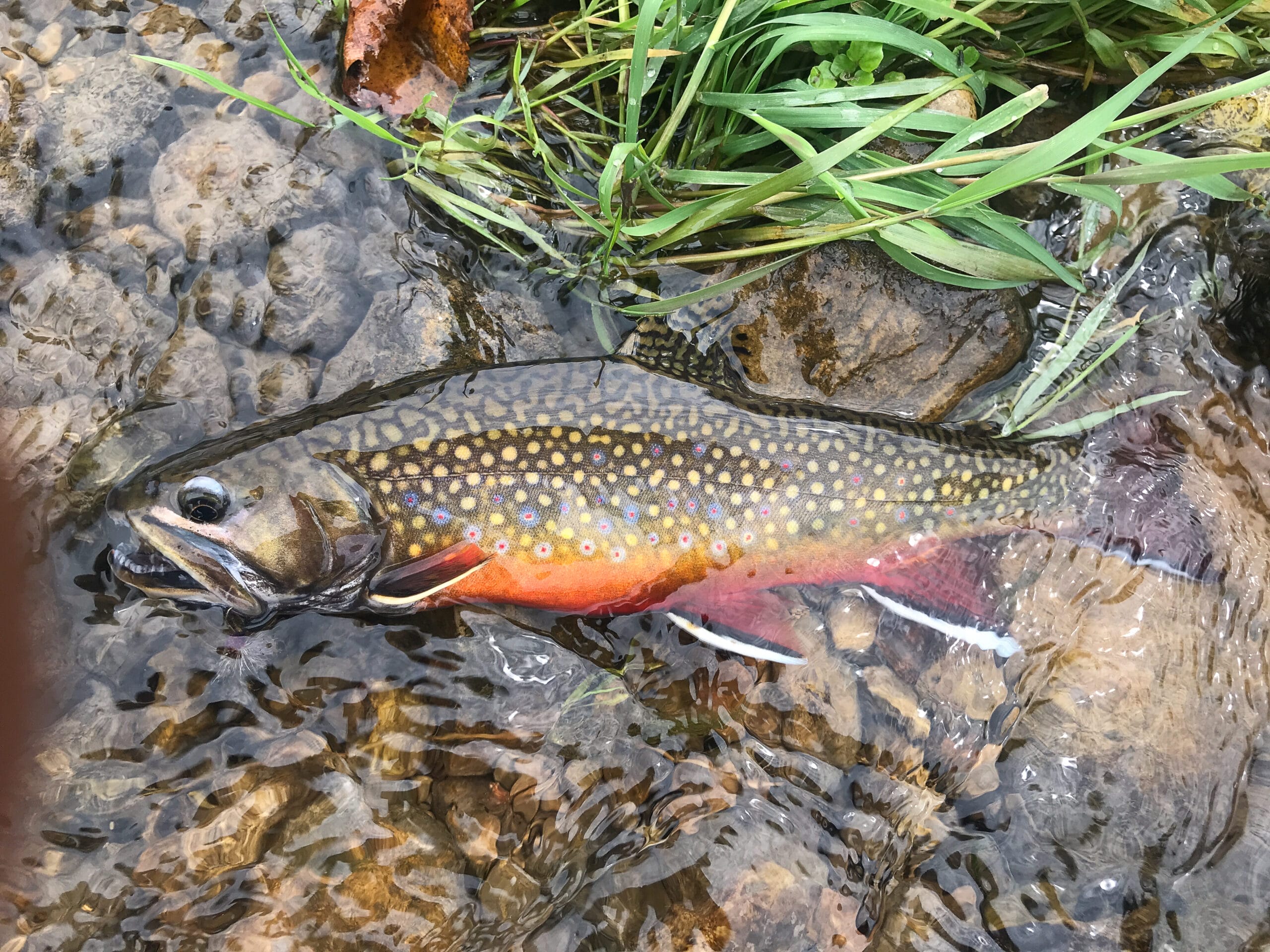
Well, that gorgeous coloration is one thing. An argument can be made — and has been made often — that only trout native to the eastern half of North America is the prettiest of all salmonids.
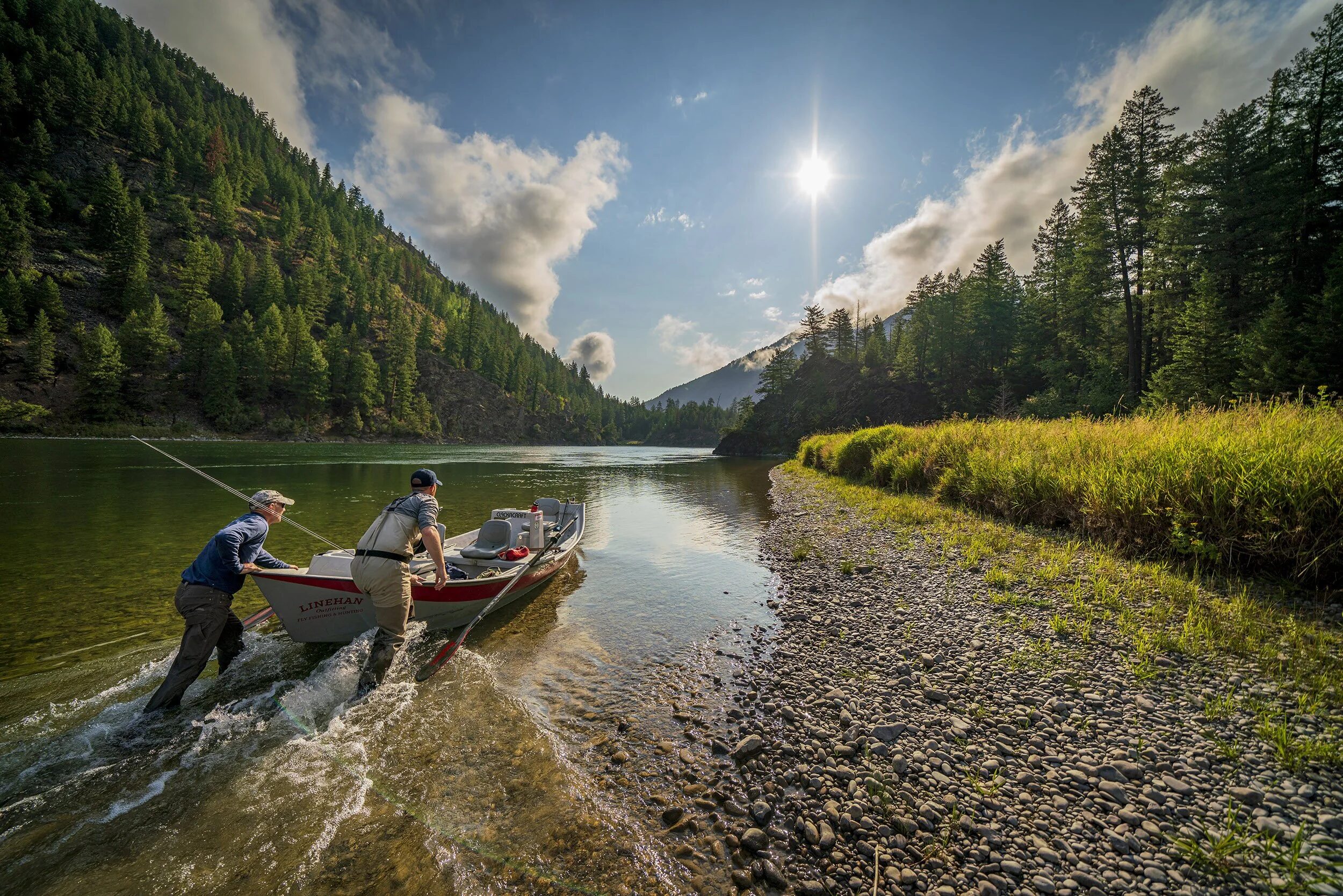
It doesn’t hurt that they live in pretty landscapes, from tumbling mountain streams in the Appalachians to remote ponds deep in the Maine woods to expansive and rowdy rivers in the wilds of Canada.
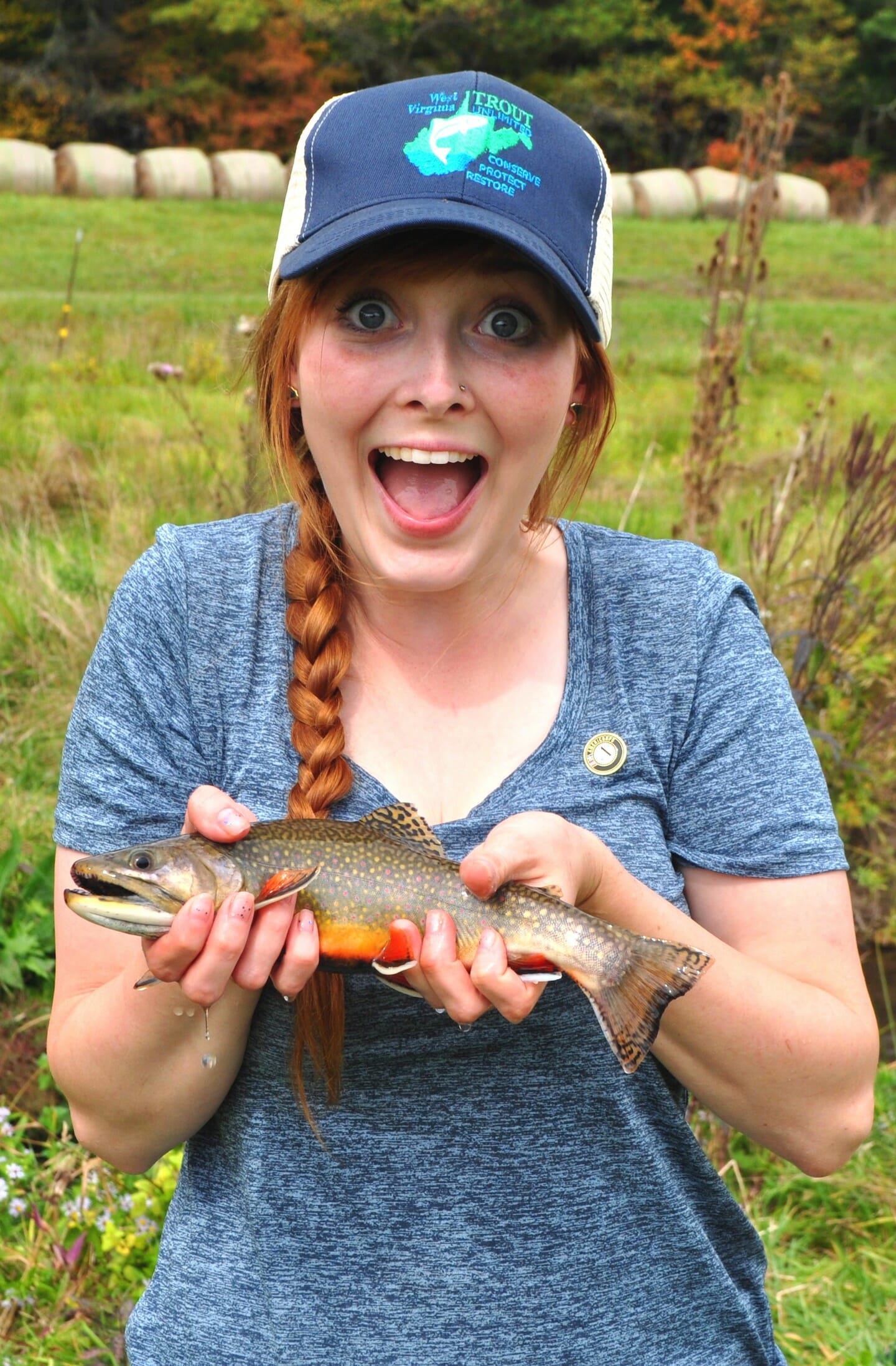
Anglers appreciate that beauty of quarry and landscape. And they also like that brook trout are often eager to rise to dry flies. Brook trout deserve credit for their plucky resilience in the face of challenges both natural and manmade.
The brook trout is not technically a trout. Salvelinus fontinalis is actually a member of the char family, which includes lake trout, Atlantic salmon, bull trout and Arctic char.
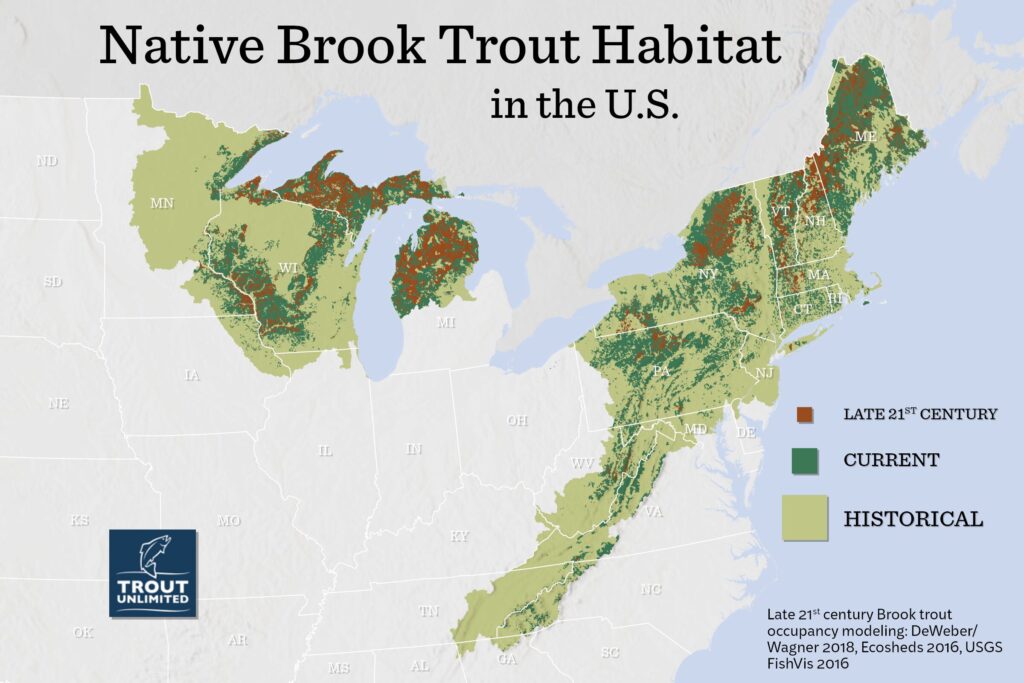
Today, native brook trout are found from the mountains of northern Georgia up the Appalachian Range into Canada and in the upper Midwest, including spring creeks in the Driftless Area. Wild populations descended from long ago stockings can be found throughout trout country in North America.
Some brook trout exhibit unique life histories that differentiate them — not genetically, but behaviorally — from the usually diminutive native brookies found in small mountain streams in the East and upper Midwest and the chilly ponds in the Northeast.
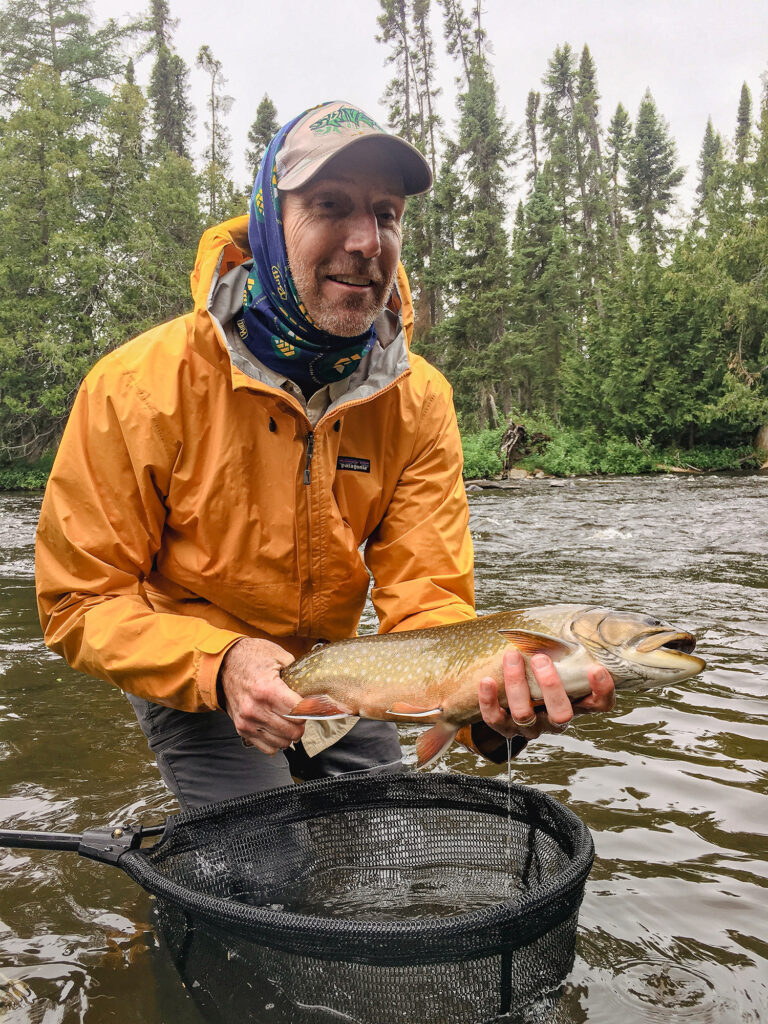
Found in coastal streams in New England, “salter” brook trout move back and forth between freshwater and saltwater environments. These aren’t migrations, in the traditional sense. Rather, the jaunts to saltwater are thought to primarily be for feeding and, potentially, finding cold water refugia.
In the upper Midwest, “coaster” brook trout exhibit similar behavior, moving between Lake Superior and streams feeding that frigid, giant body of water.
Although there are tales of huge salter brookies, most tend to be on the small side. Some coasters, on the other hand, can grow quite large by taking advantage of Lake Superior’s ample forage.
Several watersheds in Maine are also famed for growing brook trout measured in pounds, not ounces. Those fish also take advantage of connected systems, moving between large lakes and streams, for example in the Maggalloway and Kennebago watersheds.
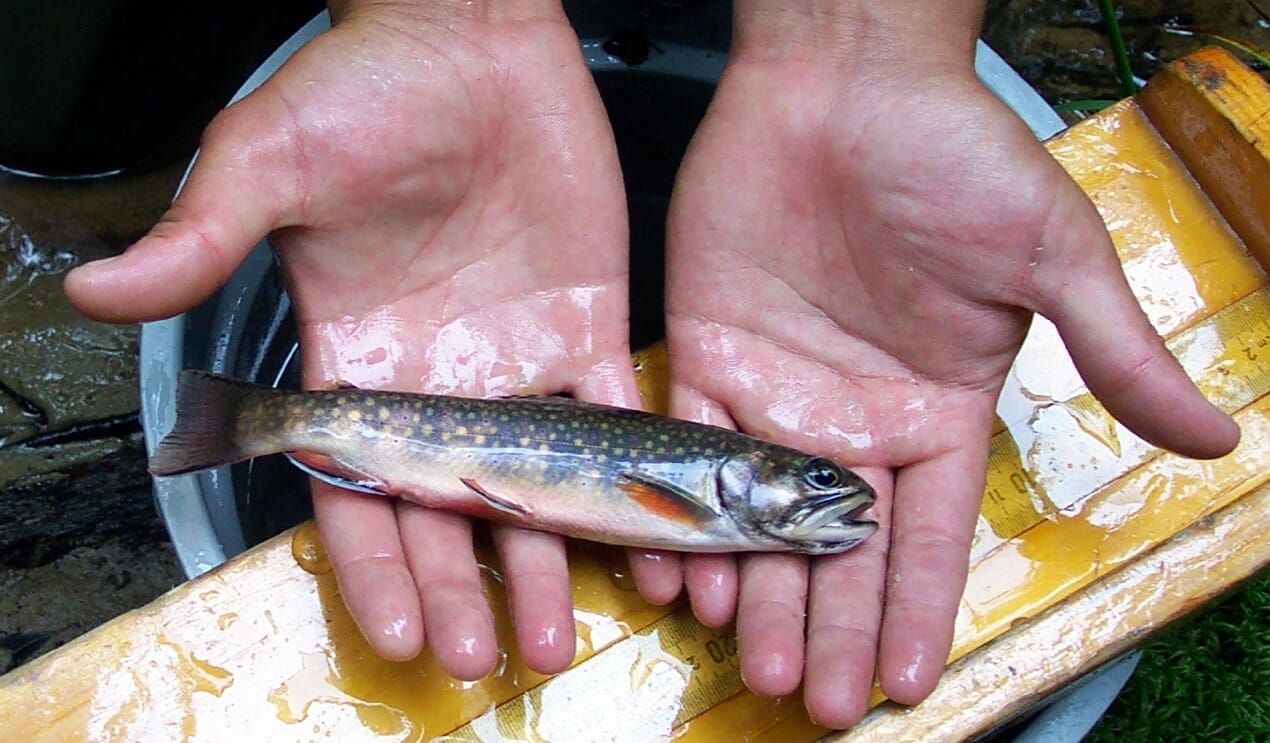
The average size of brook trout in a system is primarily a function of habitat. Small streams hold small fish. Larger streams and lakes, especially those with interconnectivity, produce larger fish.
Recreational angling typically doesn’t have a large-scale impact on population levels. Though it can have localized impacts; for example, when trophy-sized fish congregate in small areas and become vulnerable to fishing pressure.
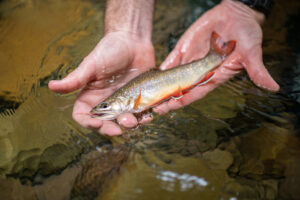
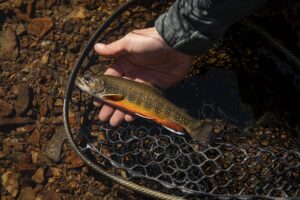
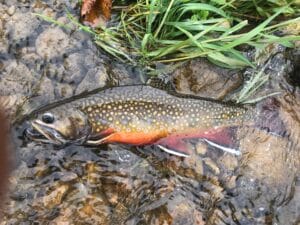
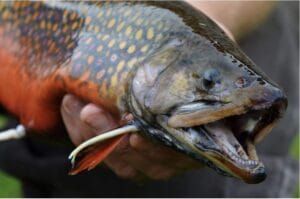
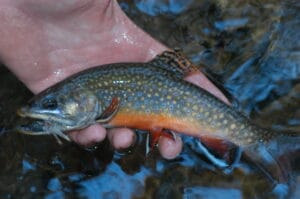
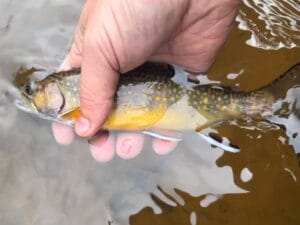
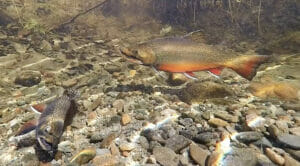
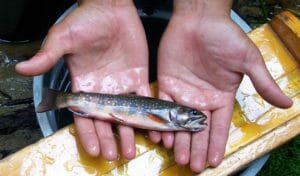
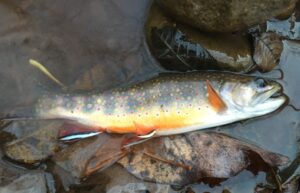
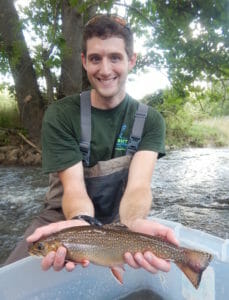
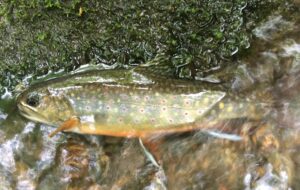
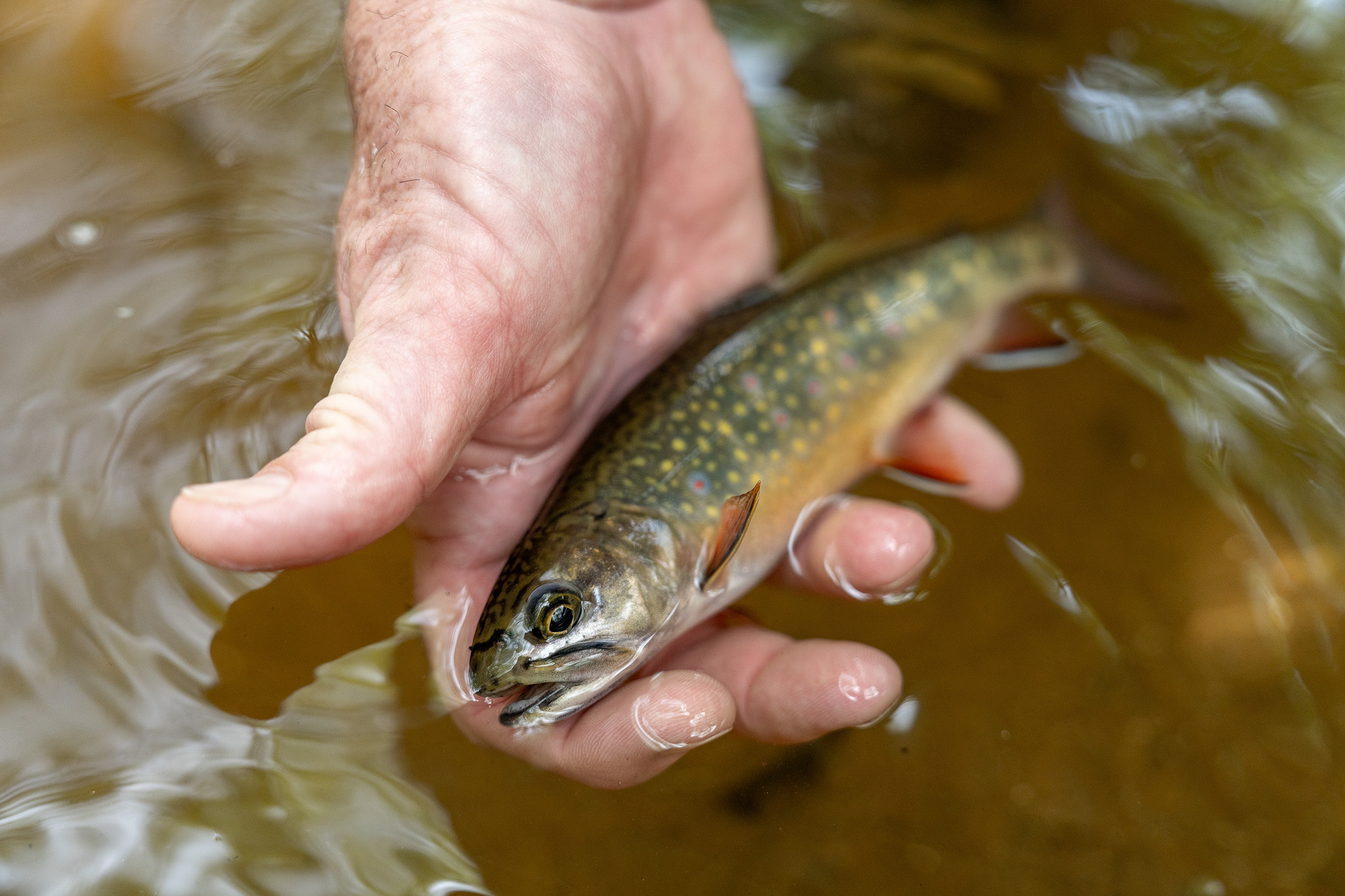
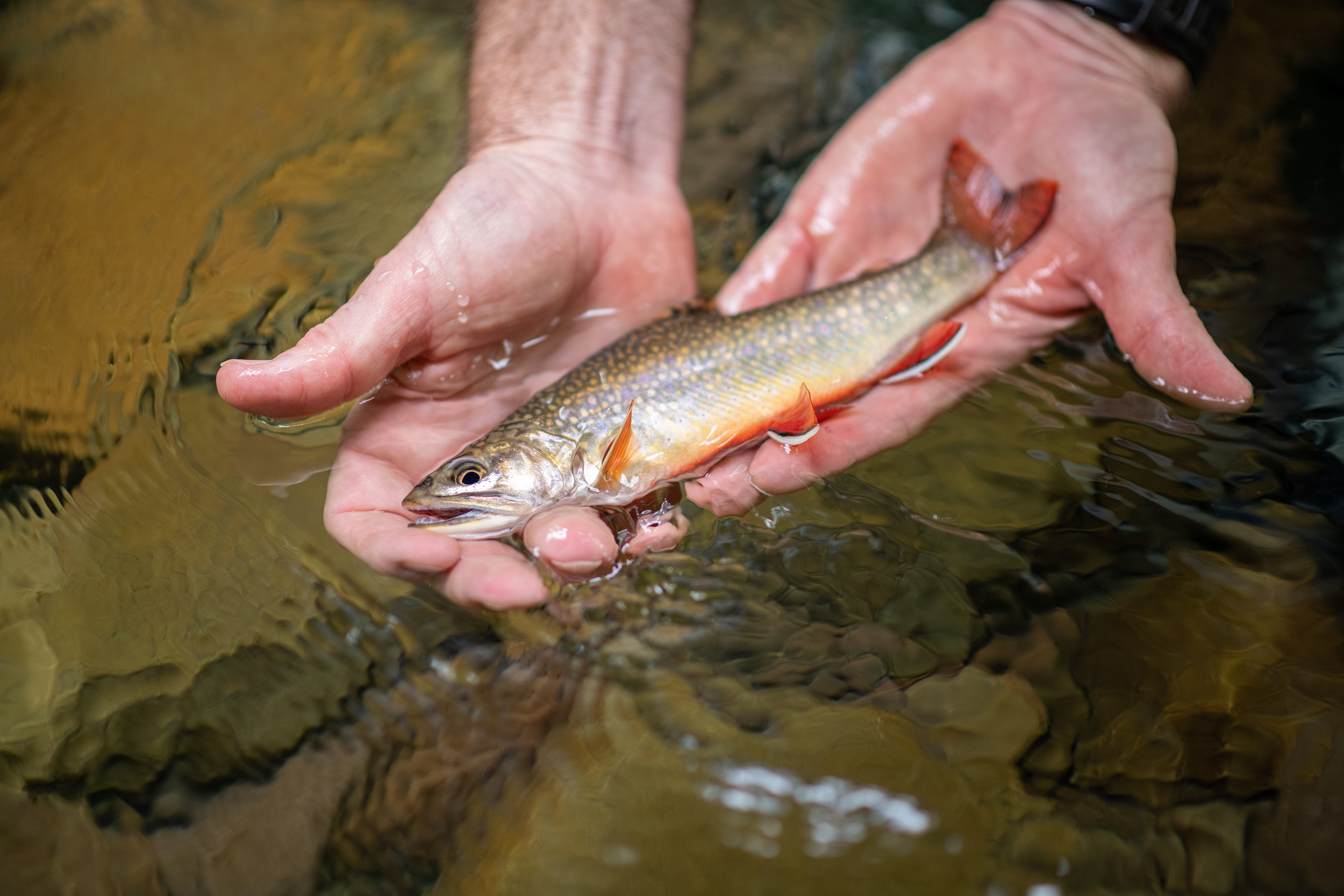
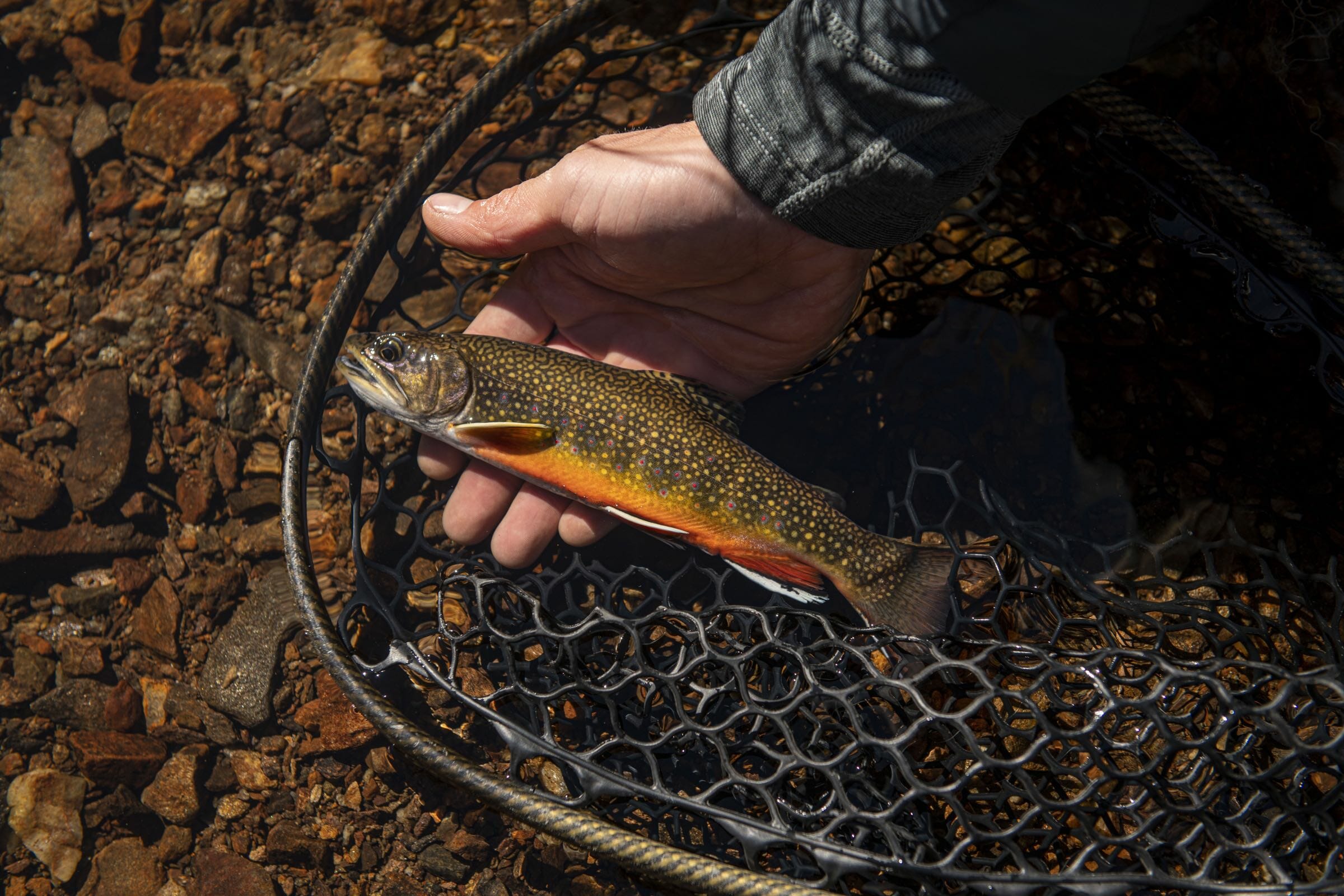
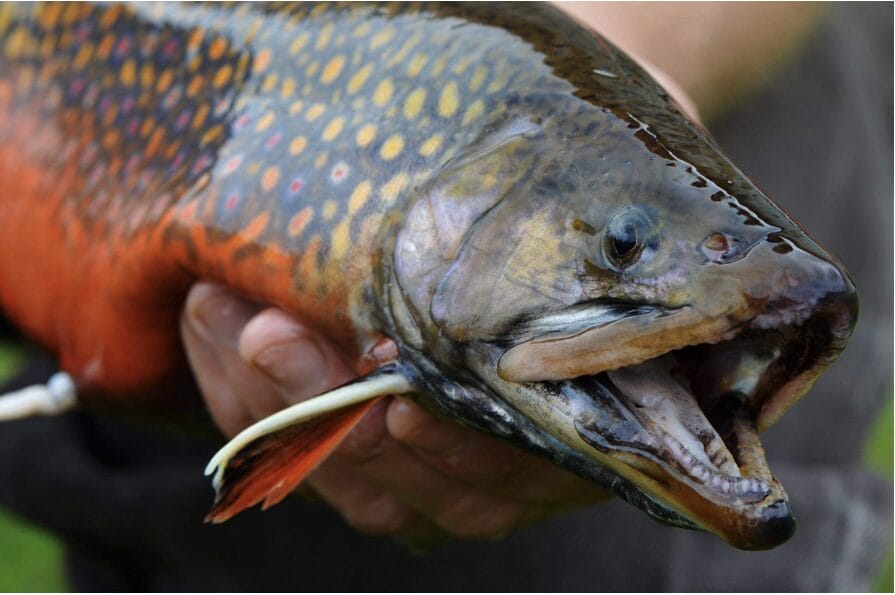
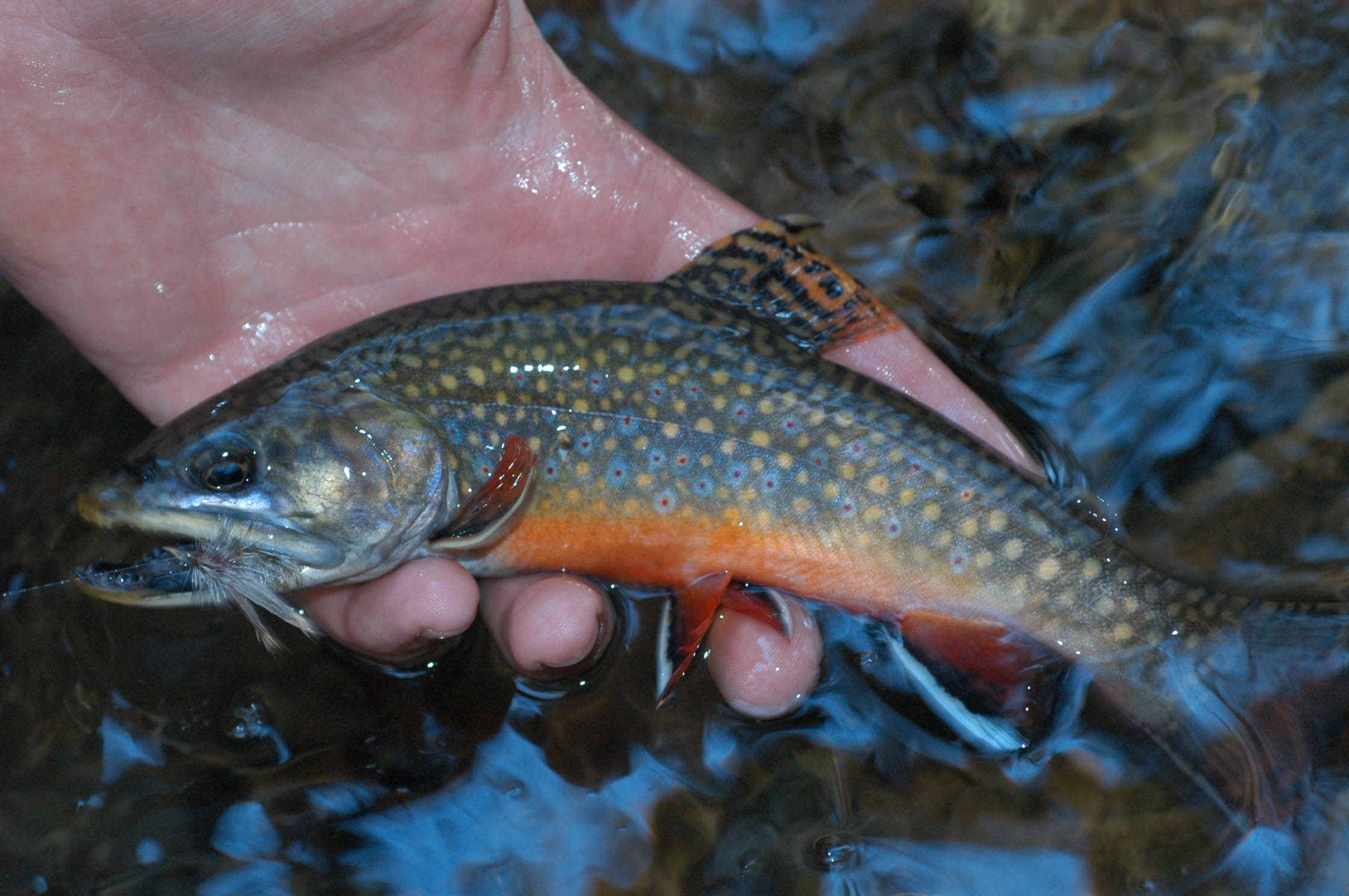
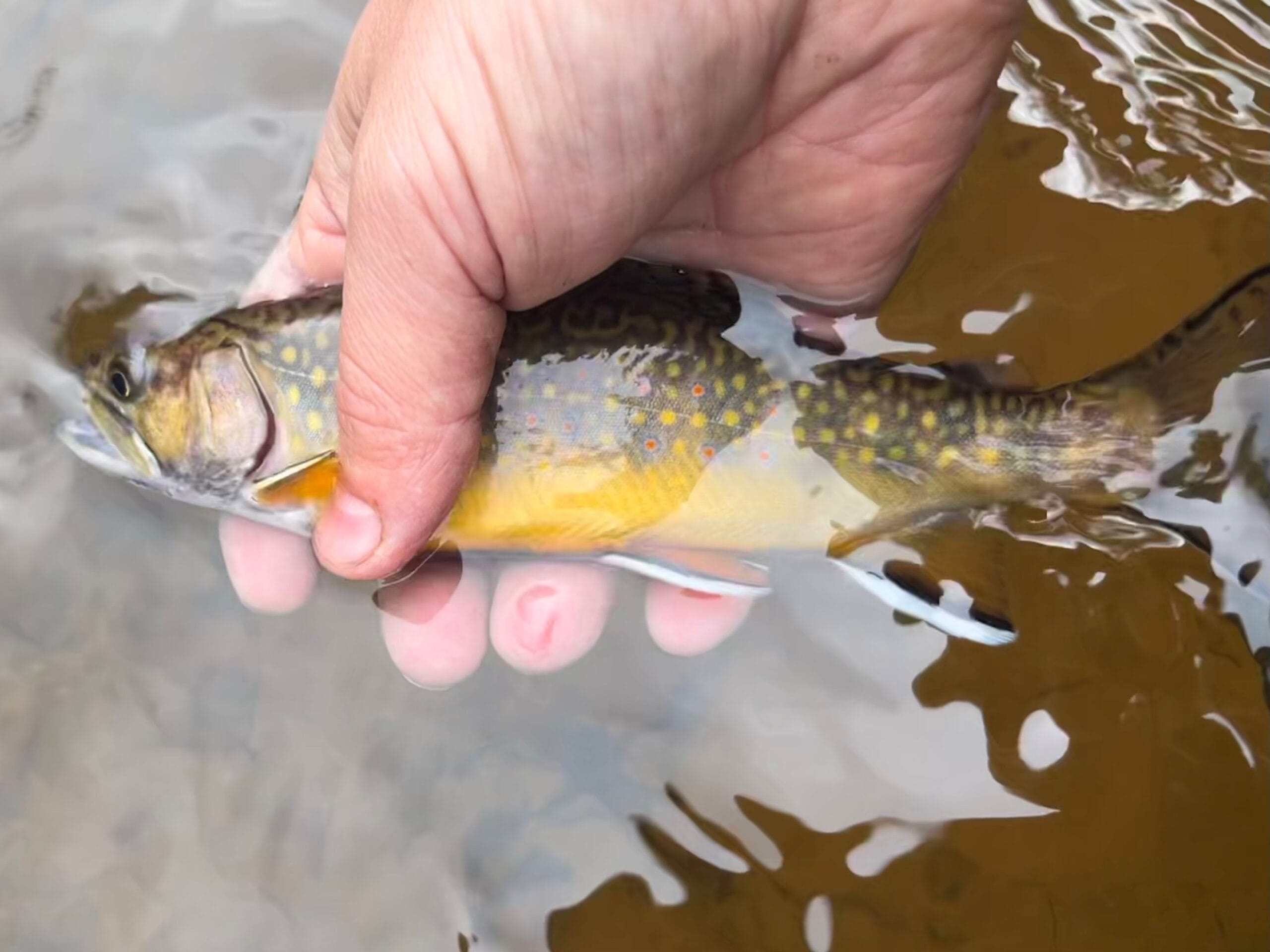
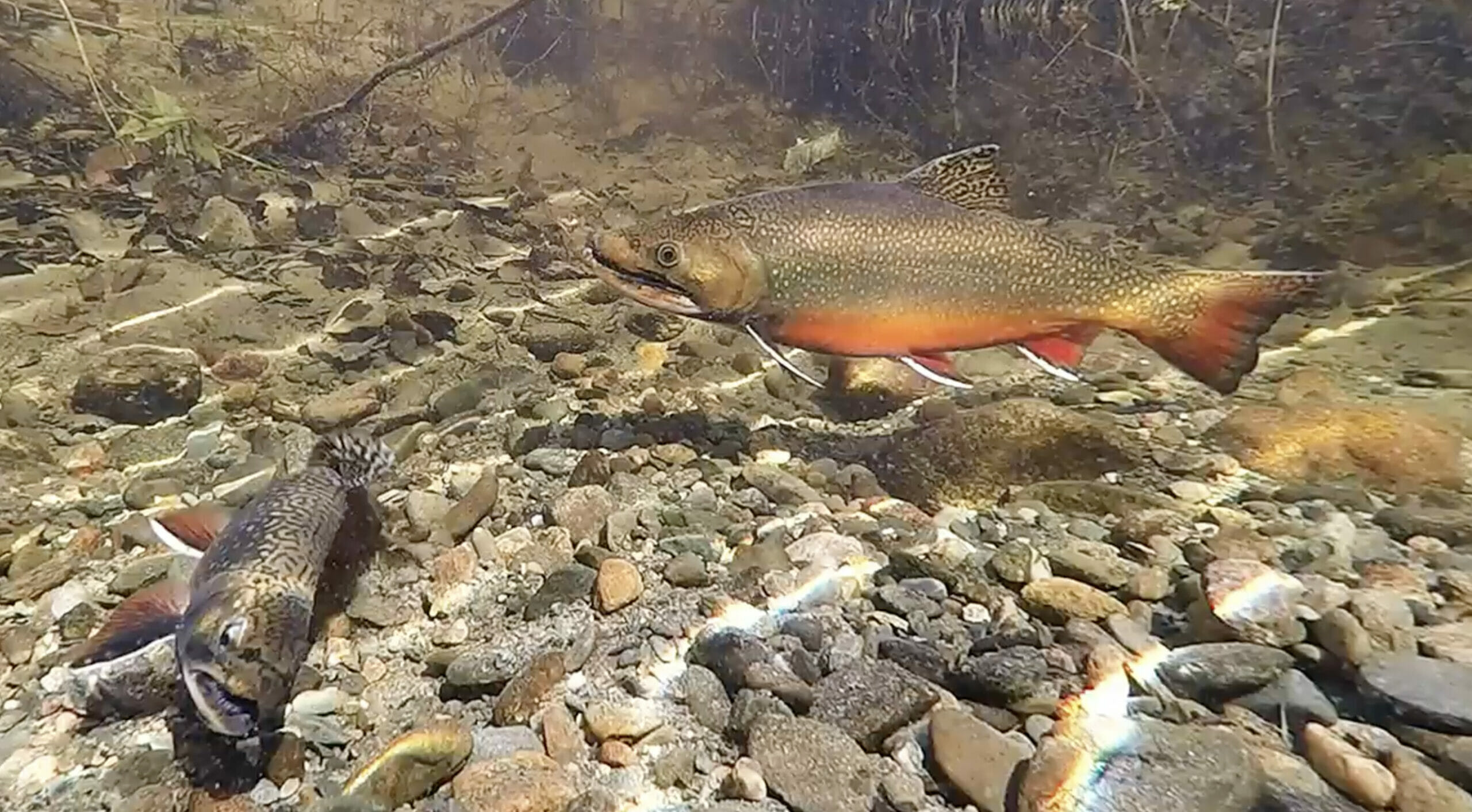
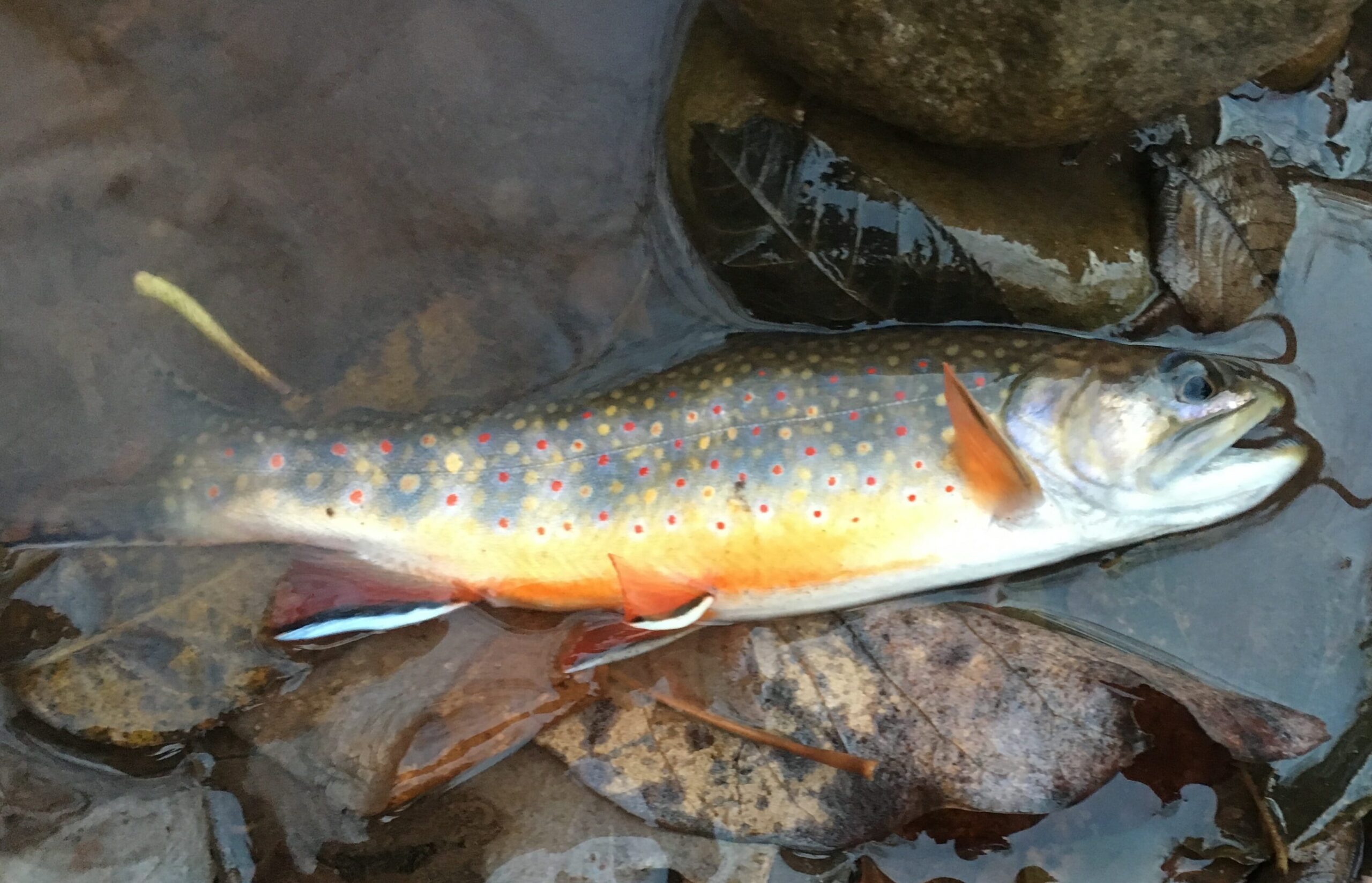
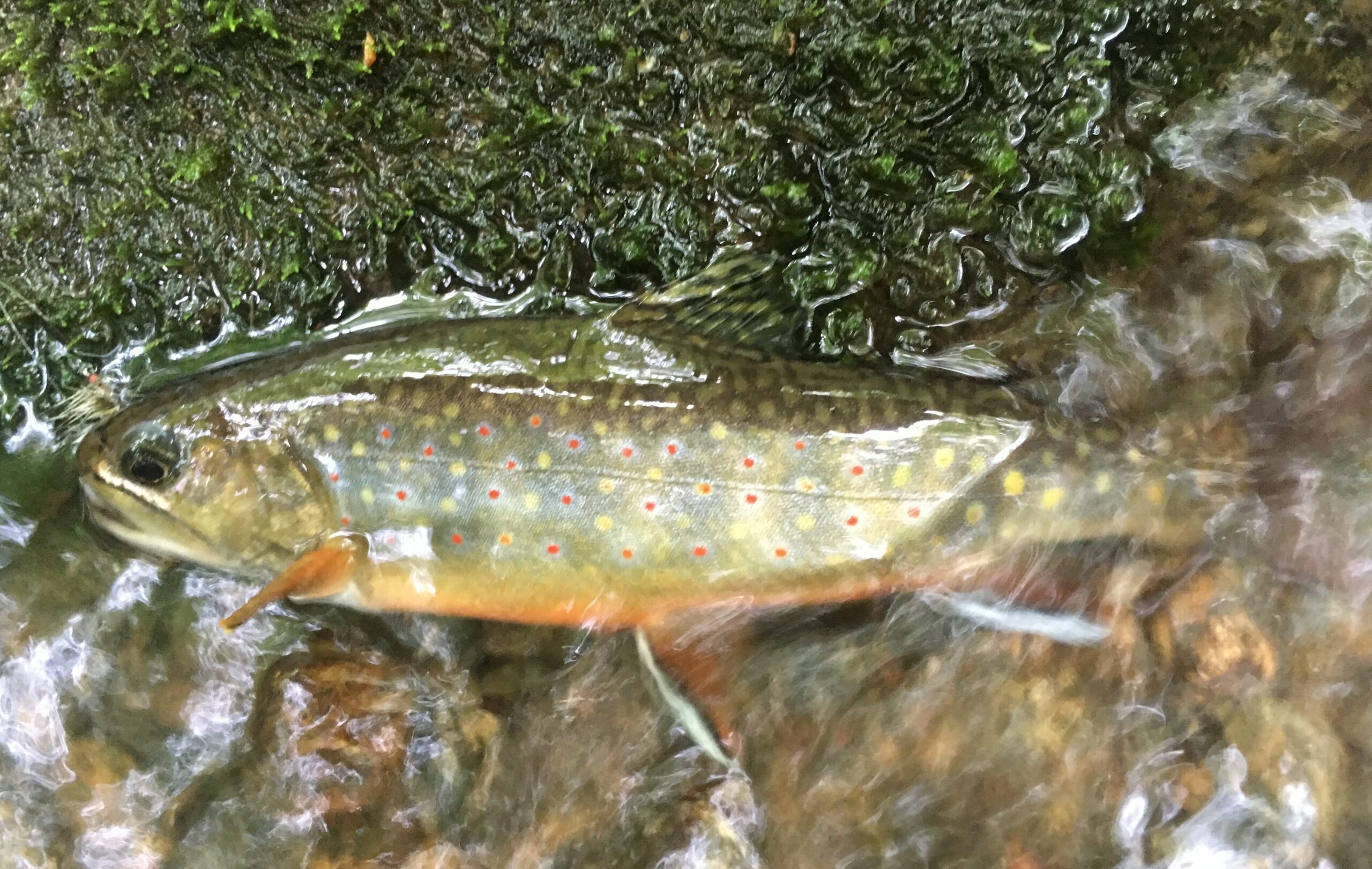
Their backs are green and feature worm-like vermiculations, with flanks dotted with red spots, some of which may be encircled by a blue halo.
Fins are orange and may feature stark white leading edges.
Brook trout spawn in the fall, typically from September into December, depending on water temperatures. They are relatively short-lived, most living just three to five years except in ideal conditions.
Brook trout fry feed on zooplankton, progressing to benthic macroinvertebrates as they grow larger. Larger brook trout can transition to a heartier diet, feeding on fish and other larger prey, including crayfish.
Across their native range, brookies have faced many challenges. Some are natural, including floods, droughts, wildfires and predators. Some are manmade.
Industrial scale logging eliminated stream-shading trees and choked streams with silt from erosion. In some areas, loggers used streams to move timber, sometimes building temporary dams to stockpile logs, and then blowing up the dams to send logs careening downstream to larger rivers.
Acid deposition from air pollution, including from automobile exhaust and coal-fired power plants, rendered many mountain streams across the Appalachians lifeless.
Over the past couple of decades, our rapidly warming climate is causing stream temperatures to rise, pushing brook trout farther up into headwaters. Modeling has shown that Southern Appalachian brook trout are particularly vulnerable in the face of our warming global temperatures.
Manmade barriers such as perched culverts and dams have segmented habitat and kept trout and other steam dwellers from being able to access upstream habitat for feeding, spawning and thermal refugia.
Brook trout face competition from non-native brown and rainbow trout, which can endure warmer water temperatures, and predation from other non-natives, including smallmouth bass and northern pike.
Across the East and Northeast, TU and collaborators are reconnecting habitat by removing fish barriers. As warming temperatures render lower elevation stream segments unable to support trout year-round, access to higher elevation habitat is critical.
Streams once lifeless from acid deposition have rebounded as air pollution has improved in the wake of legislation such as the Clean Air Act. Manually adding limestone to streams has aided in the resurrection of some formerly acid-wracked streams.
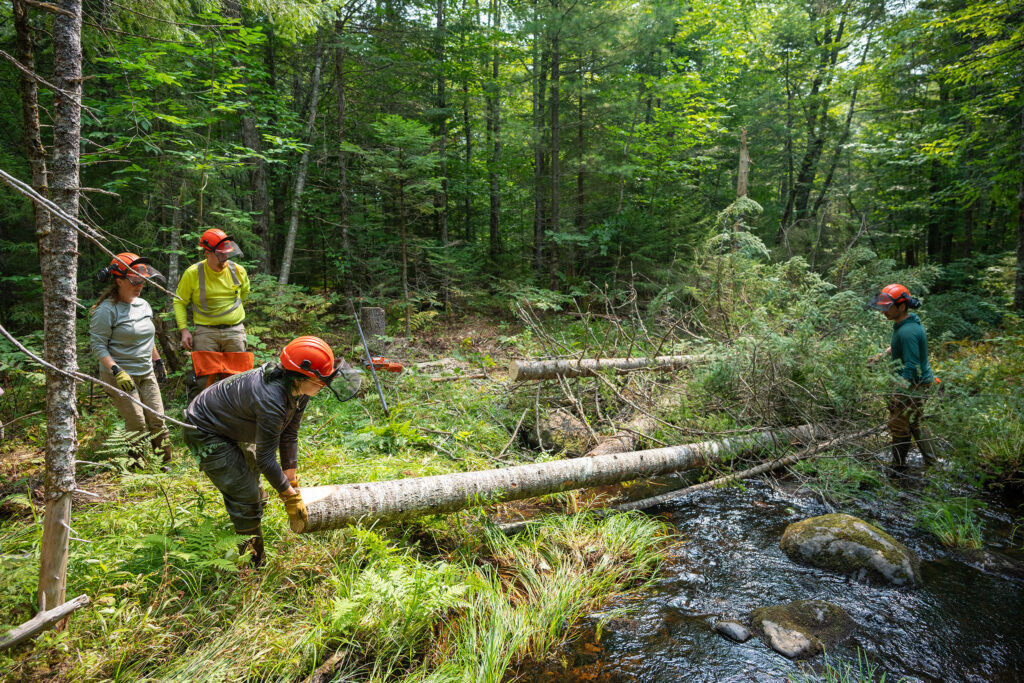
Crews are also improving habitat through strategic wood additions, felling streamside trees into waterways to mimic natural habitat creation that was disrupted when forests were clear cut generations ago.
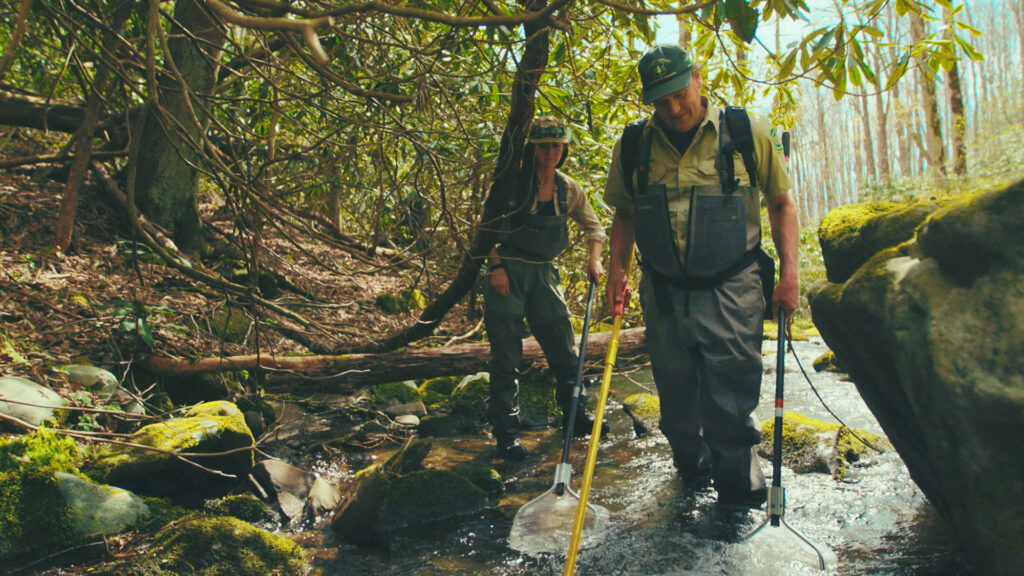
To help prioritize areas where restoration and protection efforts will have the best chance to succeed, TU employs innovative scientific tools. That can include mapping streams with thermal imaging from drones to find spring influences, and compiling detailed conservation portfolios that consider a range of habitat features that impact trout population resilience.
Across much of the brook trout’s native range, the best existing habitat is found on public lands, including millions of acres of National Forests. TU members and supporters have been vocal advocates for those lands as they have faced various pressures, including resource extraction, elimination of protected roadless areas and proposed sales.
In many habitats, brook trout are opportunistic feeders, and that’s part of what makes them so popular among anglers.
Small mountain streams, and the generally little brook trout that live in them, are ideally suited for fly angling.
Many of these streams are not particularly fertile, so the trout tend to be more aggressive than picky. Rarely is it necessary to match the hatch.
Good surface patterns include impressionistic dries, such as a Parachute Adams, Elk Hair caddis or Stimulator, along with small terrestrials such as ants, hoppers and crickets. Underwater offerings can also be basic, and rarely is it necessary to go beyond versatile patterns such as a Hare’s Ear, Copper John or Prince nymph.
That said, these fish are also used to dodging a host of predators, including water snakes, raccoons and herons. A trout that senses movement from above is going to high-tail it for a hiding spot. A clumsy cast that creates a disturbance is also a no-no.
A 7- to 8-foot-long 3-weight rod, with a floating weight forward or double taper line, is a good choice for the subtle presentations in often tight quarters required. An argument could be made that a reel-less tenkara setup is even better.
On small streams it’s almost mandatory to approach pools from downstream. Because trout face upstream into the current while awaiting the arrival of food, they will spook instantly at an angler who approaches from above.
Fishing small mountain streams with spinning gear is tough because even on the lightest of ultralight gear and with tiny lures, it’s hard to not spook fish with casts. Size 0 spinners and tiny, 1/64 oz. jigs can be effective, but spinning gear is best reserved for larger streams and lakes and ponds.
Anglers fishing for brook trout outside their native range should feel no guilt about keeping fish for the pan. Although fishing for native brook trout is mostly a catch-and-release game, there are overpopulated waters where some angler harvest can be beneficial.
Angling techniques change for bigger water and bigger brook trout.
In Canada and on Maine’s larger rivers, where 20-inch-long brook trout are not uncommon, fly anglers will not want to fish with anything lighter than a 5-weight rod to handle larger dries and streamers.
In Lake Superior, trolling can be the best way to connect with big coasters.
Comments