

Contact:
- Steve Kandell, Protection Campaign Center Director, Trout Unlimited – steve.kandell@tu.org, 970-946-5801
- Zoe Bommarito, National Communications Director, Trout Unlimited – zoe.bommarito@tu.org, 517-604-1844
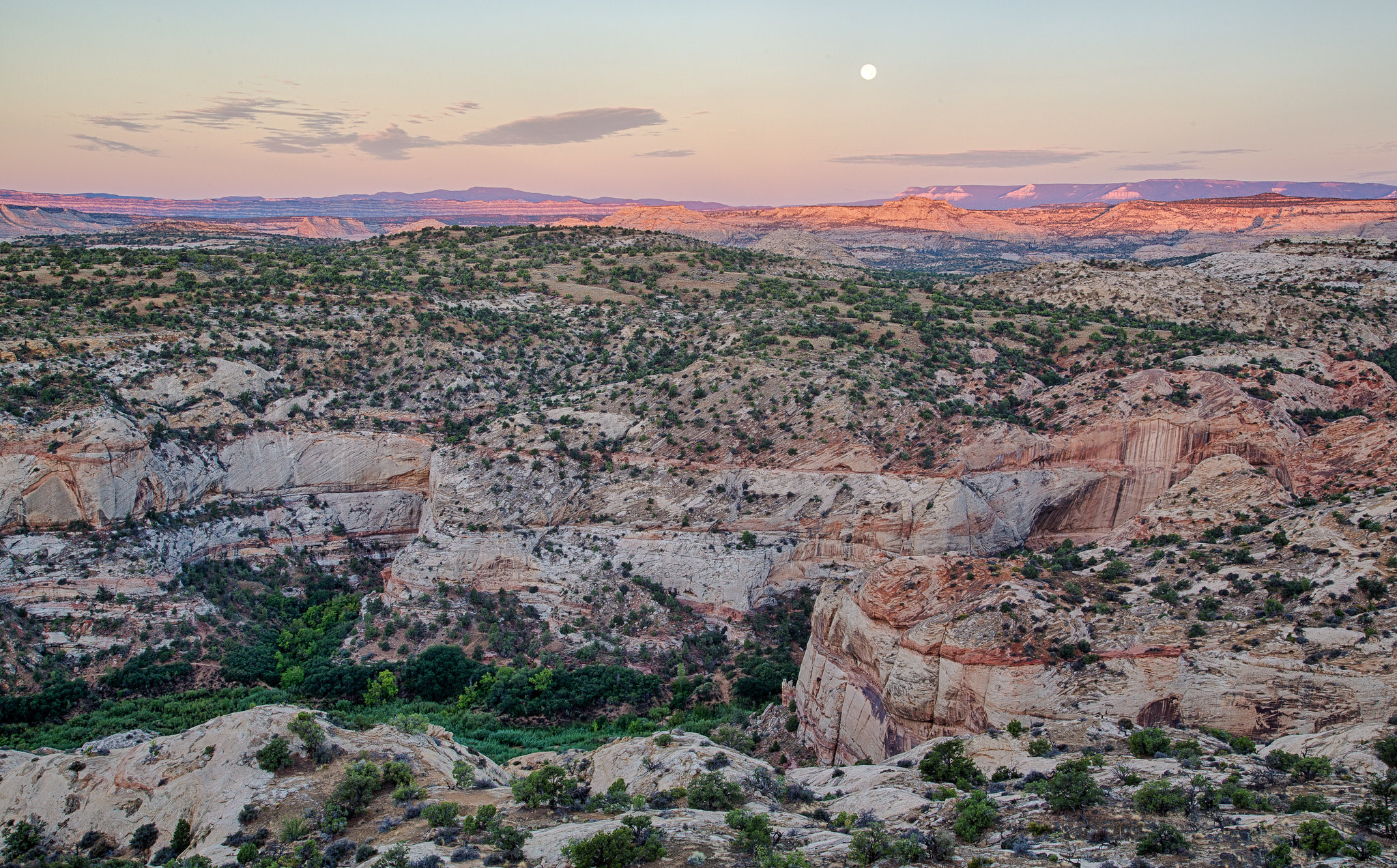
Washington, DC – A new executive order would shrink the boundaries of Utah’s Bear Ears and Grand Staircase-Escalante national monuments. The move to remove protections from the two Utah national monuments calls into question the status of other national monuments across the country and could put high-quality hunting and fishing opportunities at risk.
National monuments are an important part of America’s public land heritage. They contain some of our country’s most unique and undeveloped habitats– consequently, they also provide some of the best hunting and fishing opportunities. For this reason, anglers and hunters have strongly supported monument designation for places such as Colorado’s Browns Canyon, New Mexico’s Rio Grande del Norte, Arizona’s Baaj Nwaavjo I’tah Kukveni – Ancestral Footprints of the Grand Canyon, and California’s Sattitla Highlands national monuments.
In 1906, President Theodore Roosevelt signed the Antiquities Act into law, using the Act to create 18 new national monuments. Since its creation, a total of 18 Presidents—nine Republicans and nine Democrats—have used the Act to set aside national treasures as monuments for the American people to enjoy. While the Act gives the President the authority to create national monuments, the Federal Land Policy and Management Act of 1976 reserves for Congress the authority to modify or revoke national monuments. Actions from the executive branch to reverse or otherwise undermine a single monument could threaten the future of other national monuments and a conservation legacy started by Teddy Roosevelt and continued by 17 other presidents over a 120-year period.
“National monuments managed by the U.S. Forest Service and Bureau of Land Management offer public land anglers and hunters world class sporting opportunities” said Steve Kandell, Protection Campaign Center Director for Trout Unlimited. “One of my best elk hunting seasons was in Bears Ears National Monument. I spent four days in the backcountry, encountering more elk and deer than fellow hunters in the monument. Hunters and anglers should keep our eyes open. What will be next? Will we lose protections for native and wild rainbow trout and unique backcountry fishing opportunities in California’s San Gabriel Mountains and Sattitla Highlands national monuments? Will the protections for Arizona’s Baaj Nwaavjo l’tah Kukveni – Ancestral Footprints of the Grand Canyon National Monument also be removed? Is the Katahdin Woods and Waters National Monument of Maine and its exceptional brook trout fishing next on the list?”
The Antiquities Act has been one of the most effective conservation tools in American history. National monument designations are typically built from the ground up, through years of collaboration among hunters, anglers, Tribes, local communities, and business owners working to conserve the landscapes, waters, and cultural resources that define their regions. These efforts enjoy broad public support and polling throughout the nation.
More information on the Antiquities Act, and the fishing and hunting opportunities within national monuments is available in National Monuments: A Hunting and Fishing Perspective.
###
Trout Unlimited is the nation’s leading conservation organization working to care for and recover rivers and streams and their trout and salmon populations. We bring people together across the country to be champions for their rivers and help make our water cleaner and our communities healthier. Founded by a small band of Michigan anglers in 1959, we have grown into a national organization with more than 350 staff, 400 chapters, and 300,000 members and supporters. We bring science-driven restoration know-how, state and national policy muscle, and local volunteer energy to bear on behalf of clean water, healthy trout and salmon and thriving communities.