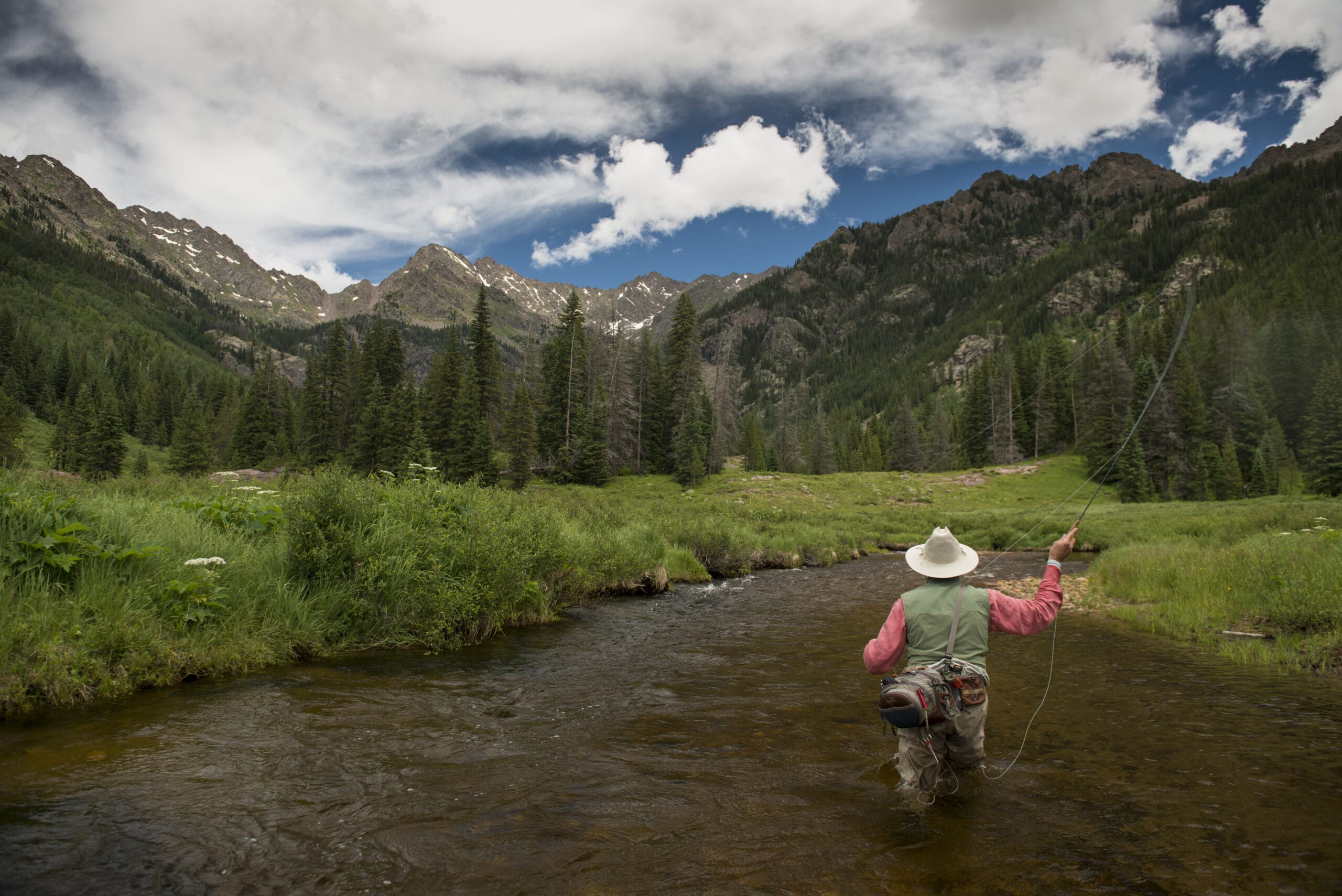
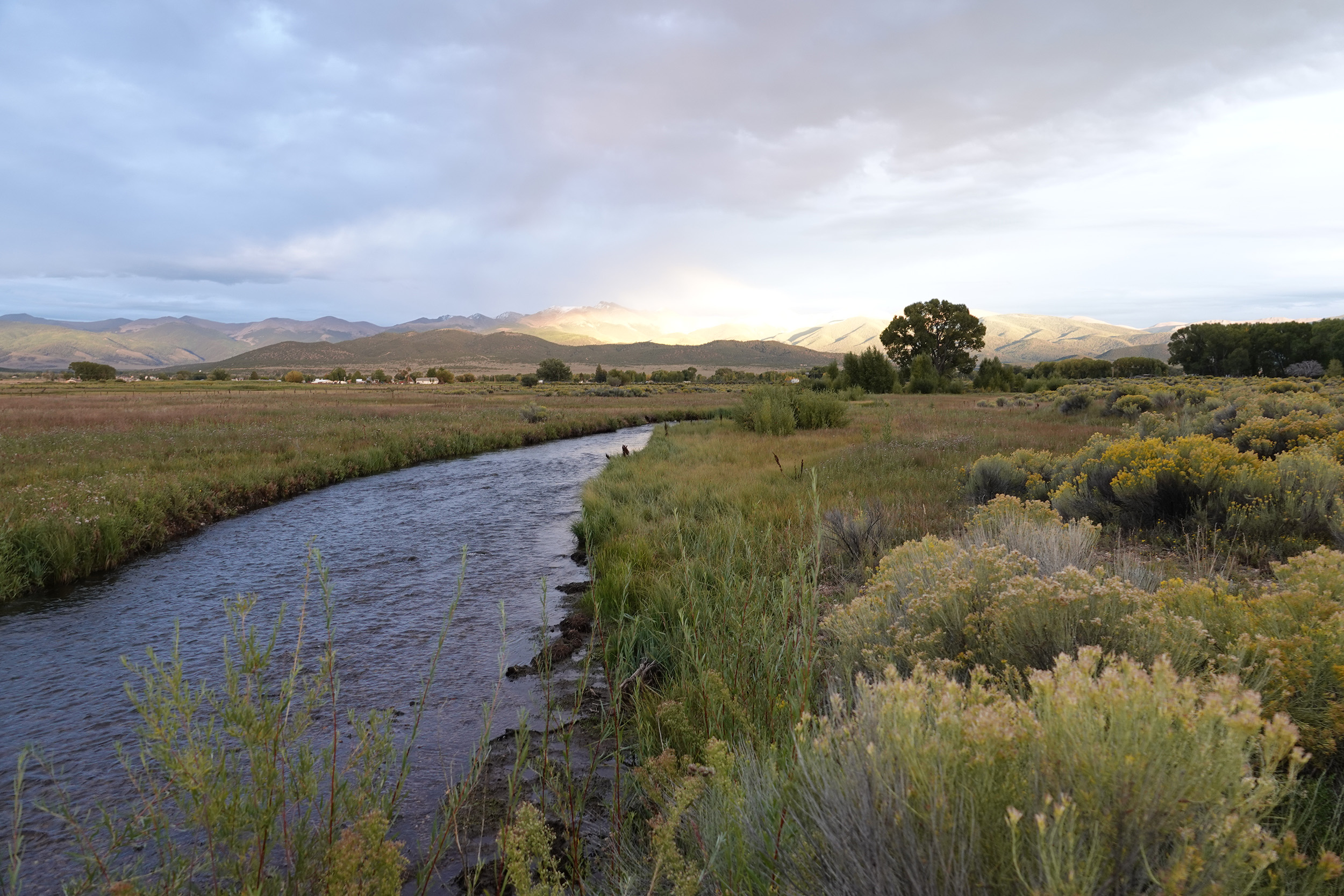
Across the country, drought, extreme heat and severe wildfires are putting pressure on the rivers and streams that sustain fish, wildlife and our communities.
Trout and salmon need cold, clean water. When rivers run low and water temperatures rise, these fish struggle to survive and thrive. Similarly, during drought conditions, communities face water shortages, farmers have less water available for crops, wildfire risk increases and outdoor recreation businesses suffer.
But there is good news: healthy watersheds can help communities and rivers withstand these challenges.
That’s why Trout Unlimited works to restore rivers, improve water management and reduce risk where it matters most.
How drought impacts our rivers, fish and communities
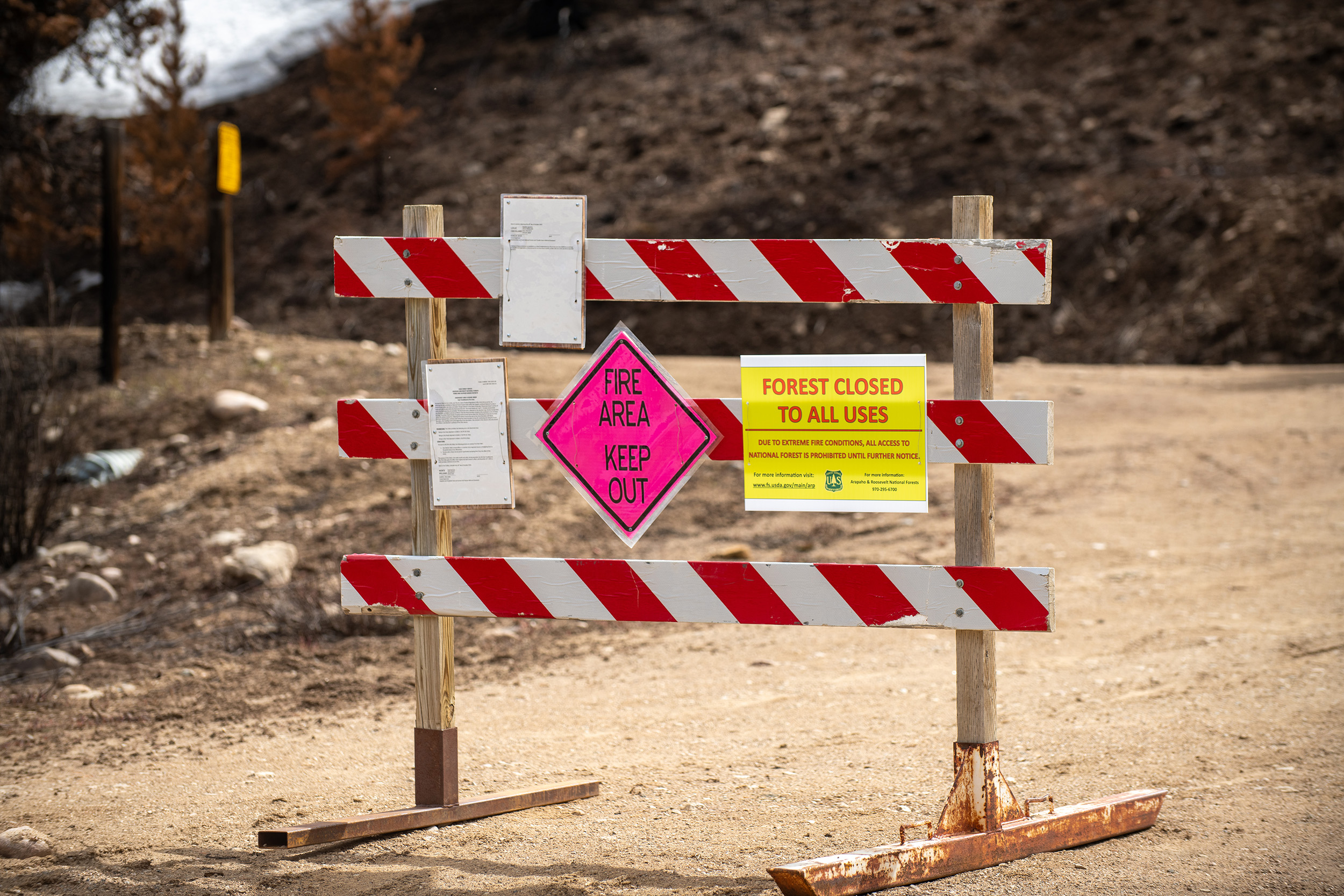
During drought, streamflows decrease, water warms and fish lose the cold, clean habitat they need to survive. Dry conditions can also increase the severity, frequency and spread of wildfires.
The impacts ripple outward:
Trout and salmon lose cold, connected stream habitat.
Communities face increased pressure on drinking water supplies.
Farmers and ranchers have less water available to support operations.
Wildfires become more severe and frequent.
Recreation opportunities decline and guides, outfitters, and other small businesses face economic hardship.
Through policy and on-the-ground restoration projects, Trout Unlimited works across the country to keep water in streams, improve coldwater habitat, and protect rivers and fish.
Healthy rivers provide clean water, sustain fish and wildlife, support local economies and connect communities to the outdoors.
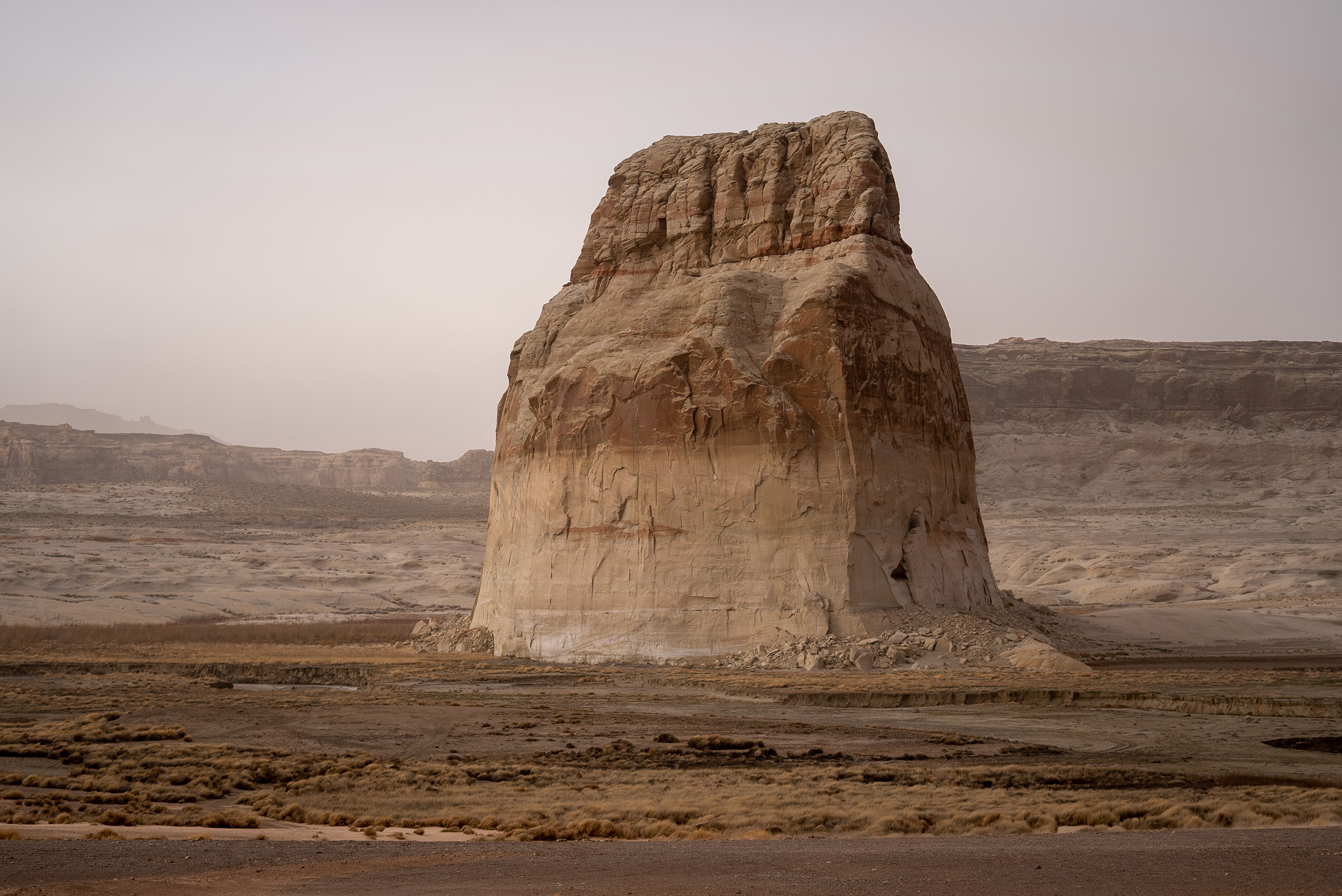
Background photo shows Two Buttes Reservoir in the Colorado River Basin completely dry under Colorado’s severe drought conditions.
How we’re making rivers and streams more resilient
Across the country, Trout Unlimited is restoring rivers and streams in ways that help keep water on the landscape longer, improve habitat and strengthen watersheds against drought and wildfire.
Restoring floodplains and groundwater
Floodplains act like natural savings accounts for water. When rivers can spread out during high flows, water percolates into the ground, replenishing aquifers. That water is released slowly over time, helping streams stay healthier and cooler during dry periods. Wet, connected floodplains also provide critical fire breaks and refuge for fish and wildlife during wildfires.
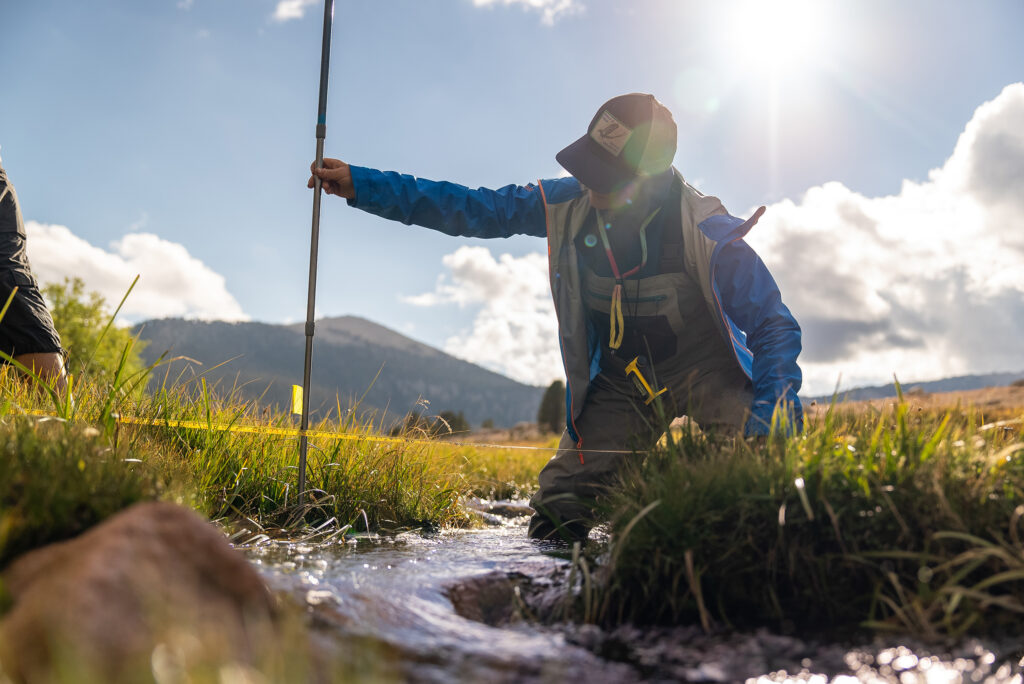
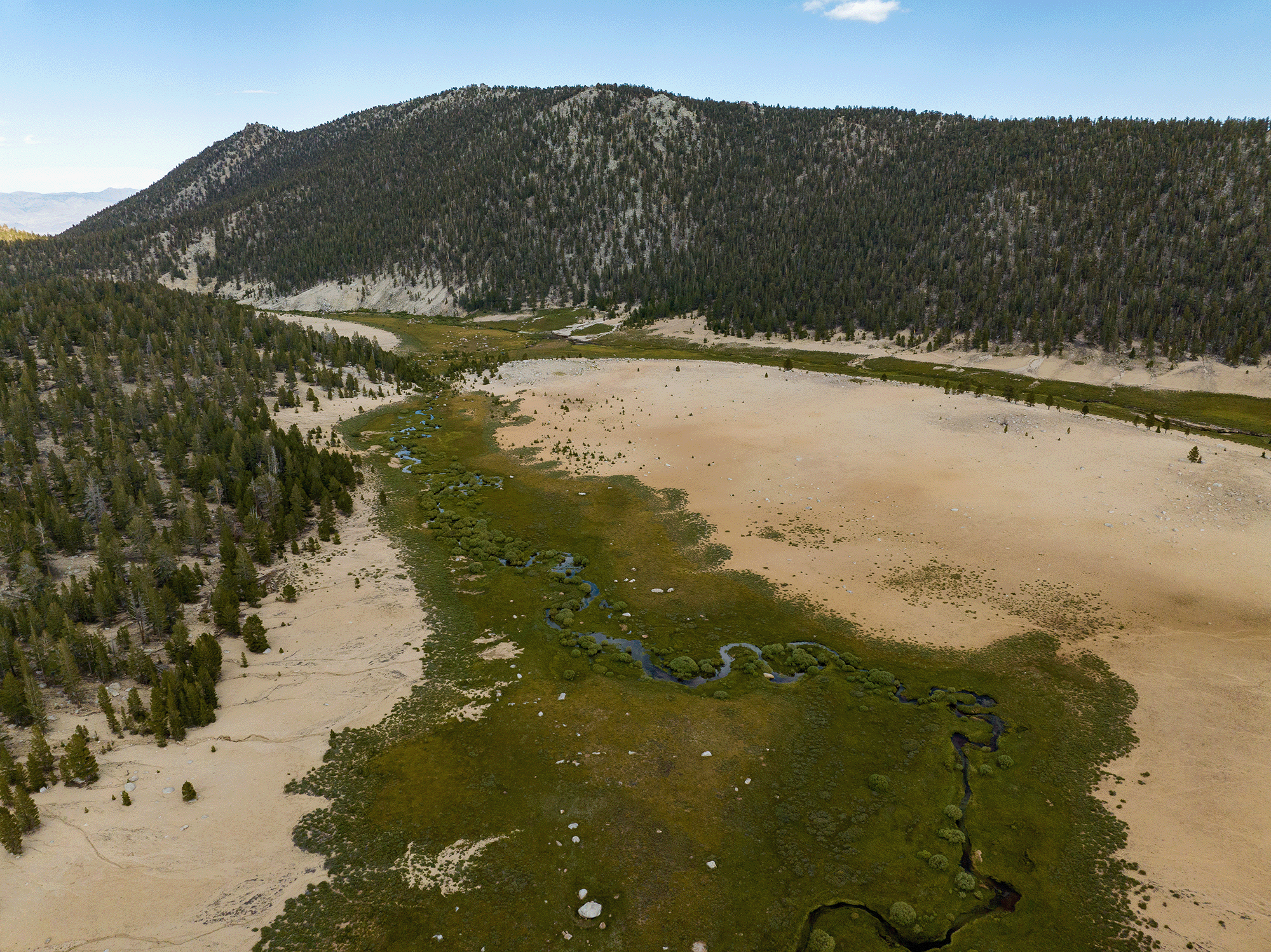
In the native range of California Golden Trout, TU is working with our partners to restore stream habitat and help restore the ability of these high-elevation, headwater meadows in the southern Sierra Nevada to hold water on the landscape.
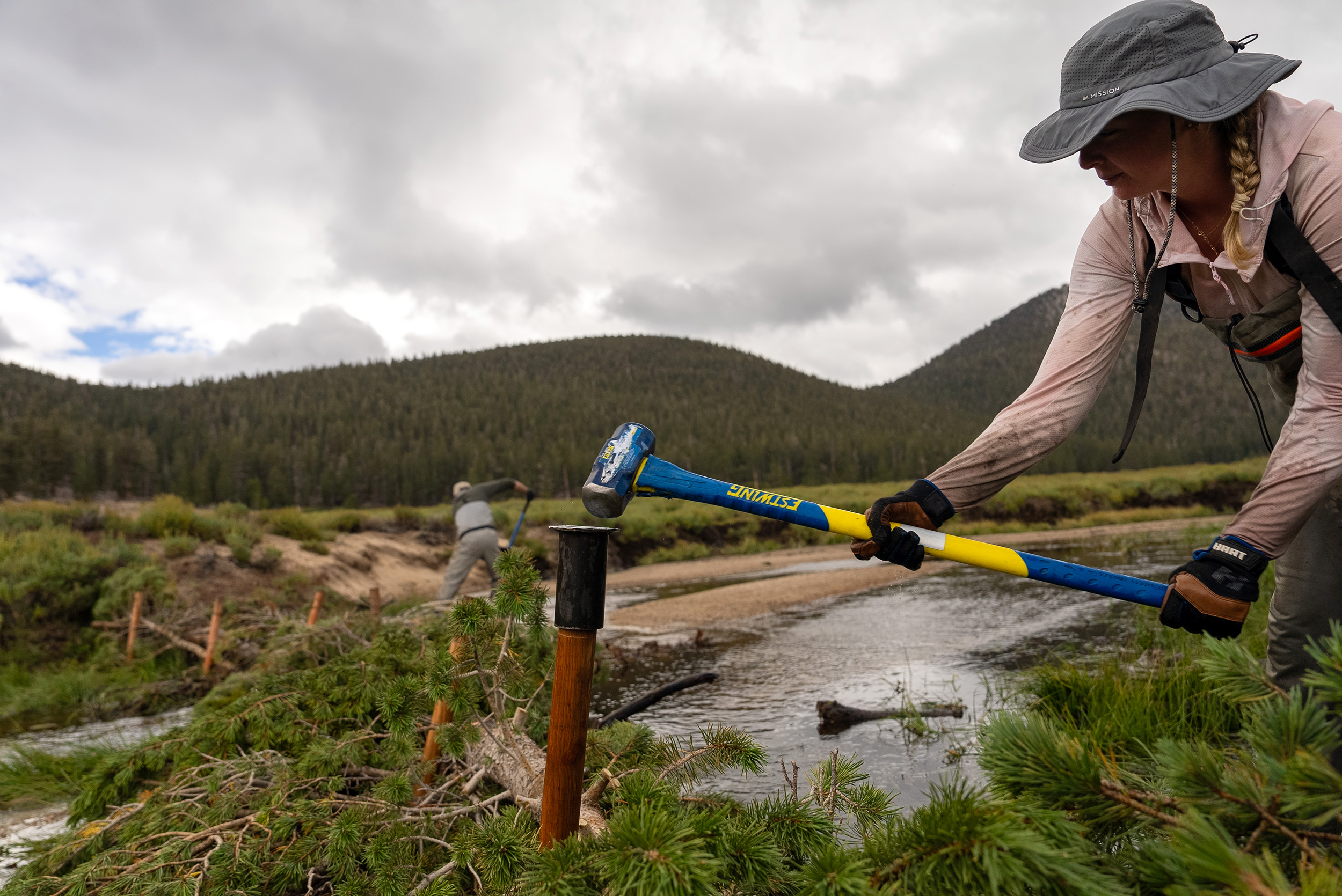
A TU contractor helps build a beaver dam analogs to pool water and spread high flows from an incised stream channel out onto the floodplain where the water can restore riparian vegetation and replenish groundwater.
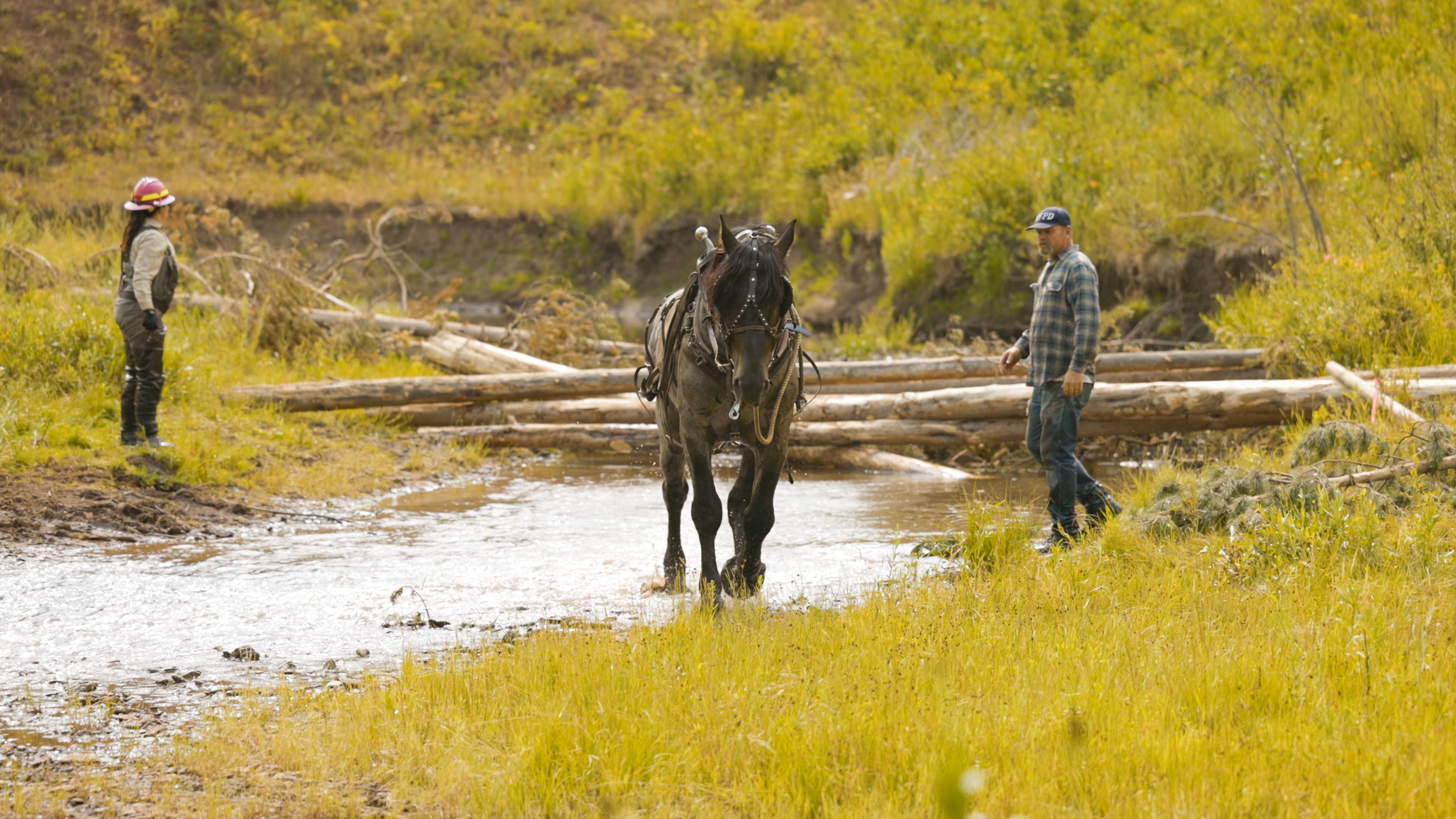
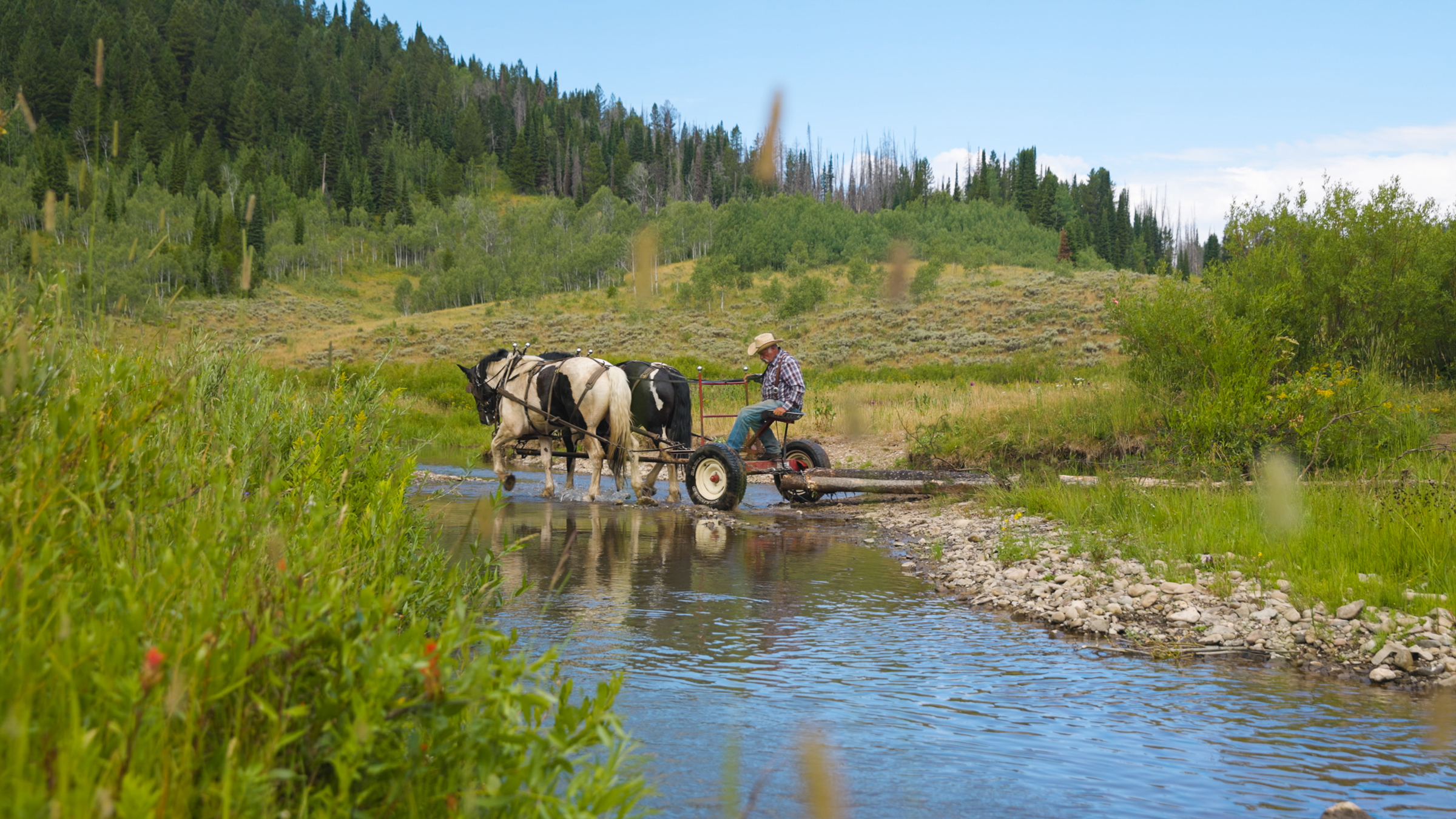
TU’s ongoing restoration efforts at Tincup Creek where we worked closely with Caribou-Targhee National Forest used hand, foot, hoof, and helicopter to bring these restoration projects to life in the Salt River watershed. Filmmaker: Paul Lavold
Draft horse teams were used to pull 800 logs into the stream over two phases. Log structures were placed across the entire channel at riffles to aggrade sediment and elevate the streambed. Filmmaker: Paul Lavold
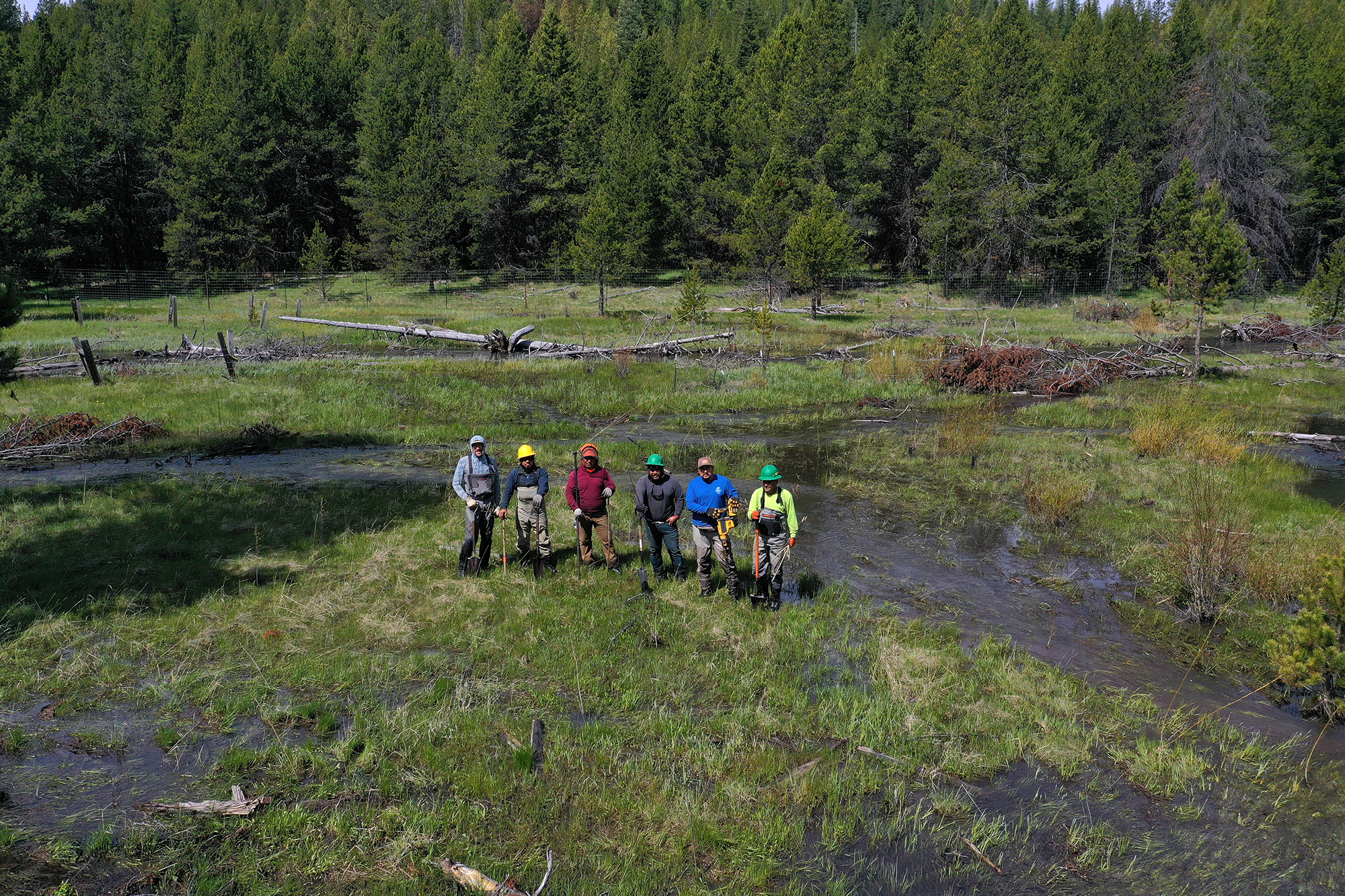
TU restoration staff and local contractors standing in re-wetted floodplains on Sheep Creek in Northeast, Oregon. Photo by Tensegrity Productions.
In Sheep Creek, an Oregon headwater tributary to the Grande Ronde, TU’s work to restore stream habitat and reconnect floodplains is helping the system hold water throughout the summer, improving conditions for fish, downstream communities and wild fire resilience. (Photo by Katie Falkenberg.)
In the native range of California Golden Trout, TU is working with our partners to restore stream habitat and help restore the ability of these high-elevation, headwater meadows in the southern Sierra Nevada to hold water on the landscape.
A TU contractor helps build a beaver dam analogs to pool water and spread high flows from an incised stream channel out onto the floodplain where the water can restore riparian vegetation and replenish groundwater.
TU’s ongoing restoration efforts at Tincup Creek where we worked closely with Caribou-Targhee National Forest used hand, foot, hoof, and helicopter to bring these restoration projects to life in the Salt River watershed. Filmmaker: Paul Lavold
Draft horse teams were used to pull 800 logs into the stream over two phases. Log structures were placed across the entire channel at riffles to aggrade sediment and elevate the streambed. Filmmaker: Paul Lavold
TU restoration staff and local contractors standing in re-wetted floodplains on Sheep Creek in Northeast, Oregon. Photo by Tensegrity Productions.
In Sheep Creek, an Oregon headwater tributary to the Grande Ronde, TU’s work to restore stream habitat and reconnect floodplains is helping the system hold water throughout the summer, improving conditions for fish, downstream communities and wild fire resilience. (Photo by Katie Falkenberg.)
Keeping water in rivers
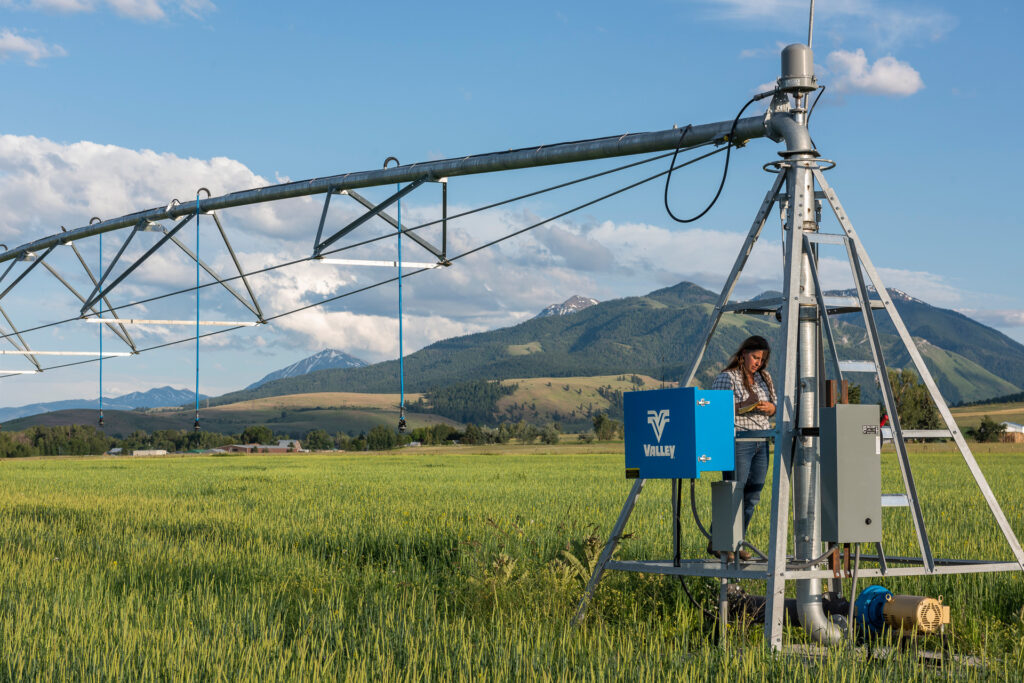
Working with willing landowners, farmers, ranchers and communities to lease water rights and improve irrigation infrastructure, Trout Unlimited helps develop voluntary solutions that support farm operations and keep more water flowing in rivers and streams when fish need it most.
A River’s Reckoning
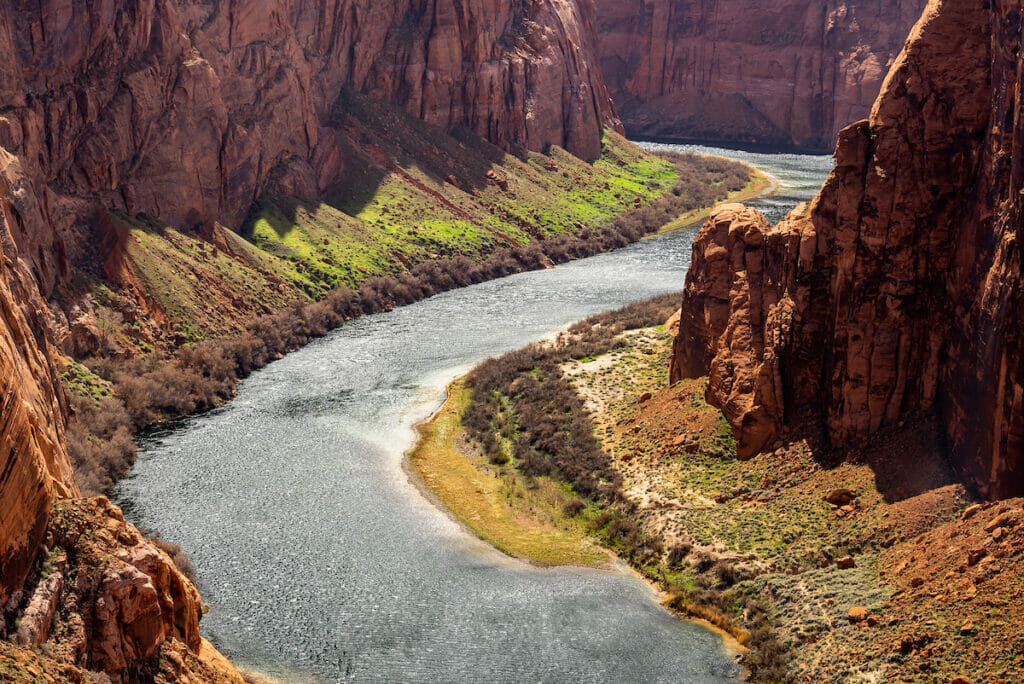
Along the Colorado River, years of drought have placed enormous pressure on communities, agriculture and fisheries that depend on its waters. But stories like this remind us that solutions are possible.
Restoring streams and habitat
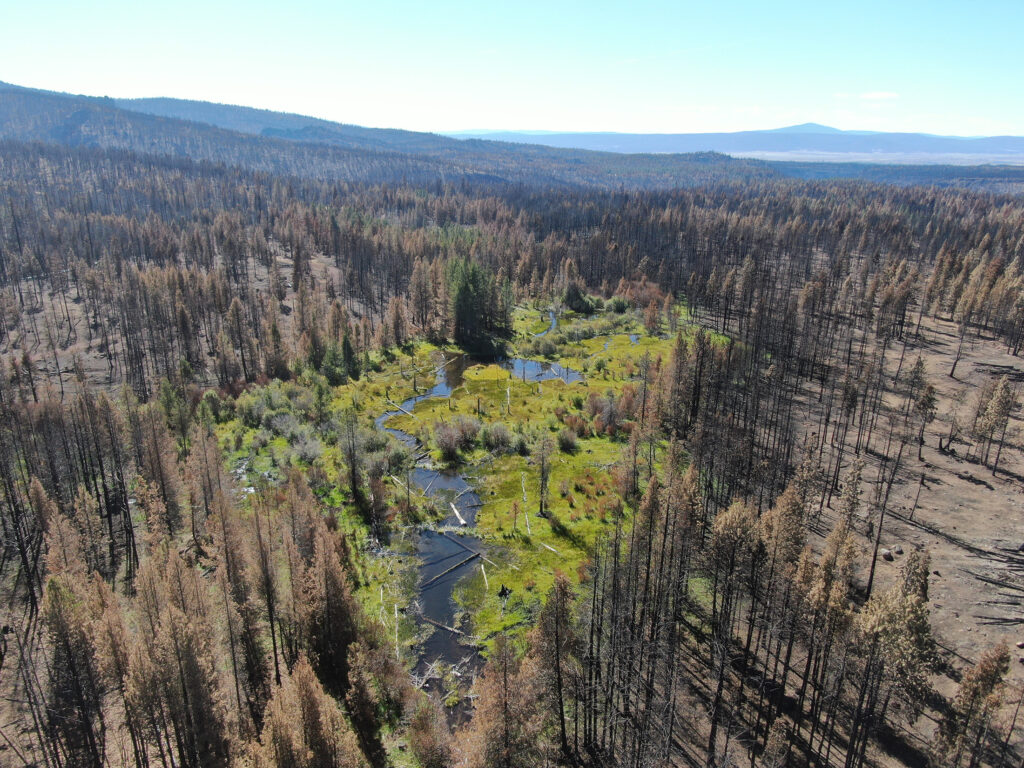
From replacing culverts to reconnecting streams and restoring streamside vegetation, these projects create healthier rivers that are better prepared for drought and wildfire. Low-tech solutions like beaver dam analogues elevate the streambed and raise the water table, acting as natural firebreaks and reducing wildfire severity while providing critical habitat for fish and wildlife.
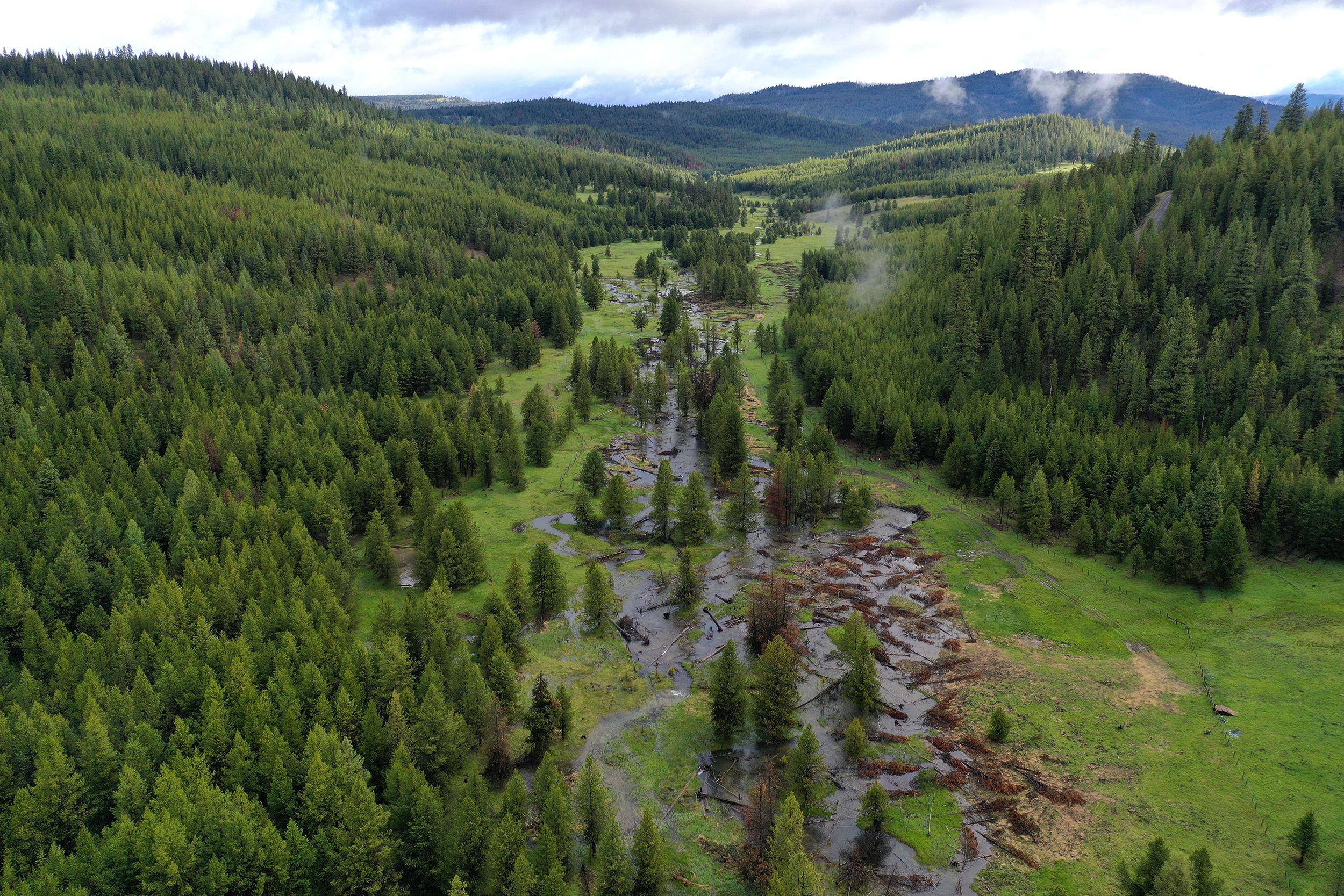
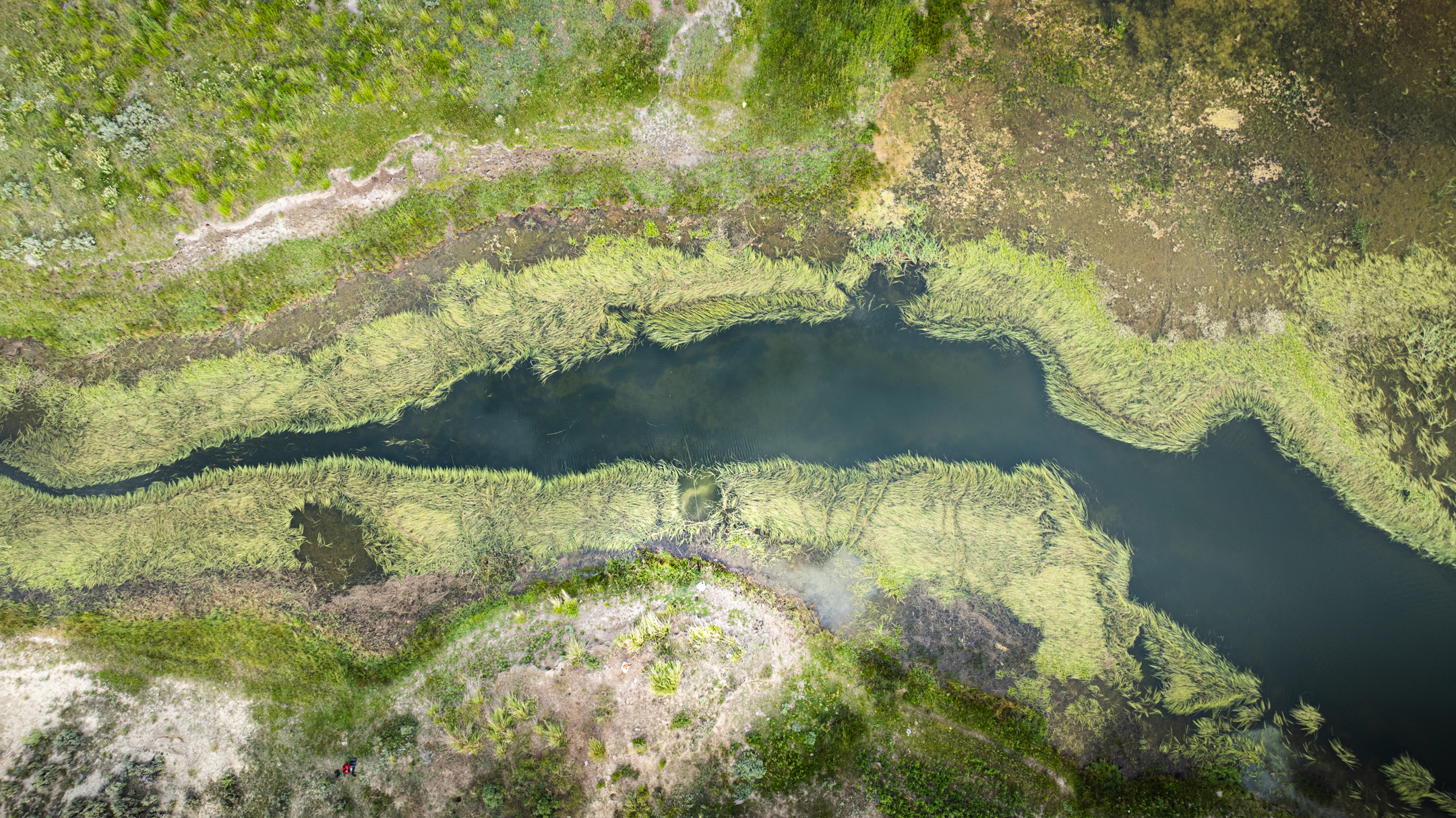
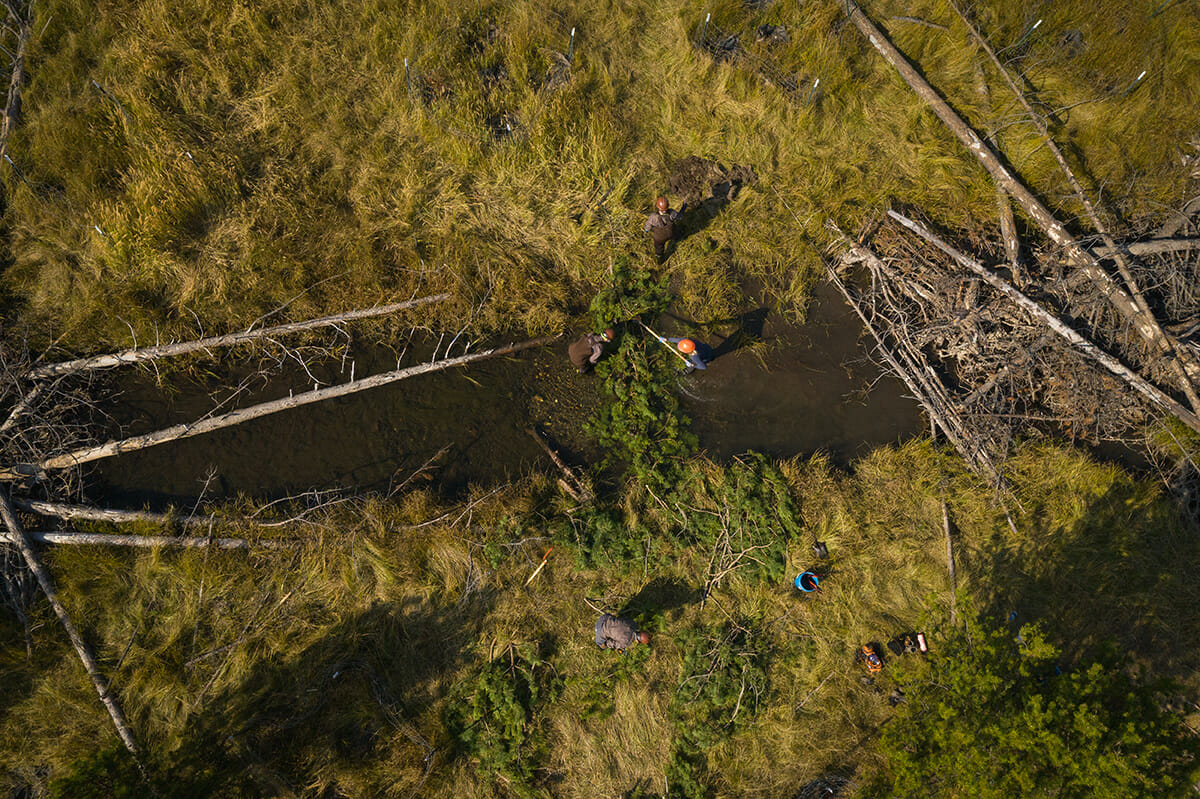
Aerial view of Muddy Creek where TU’s worked for years, and has overseen low-tech, process-based restoration efforts and the installation of man-made beaver dams with support from the Wyoming Conservation Corps.
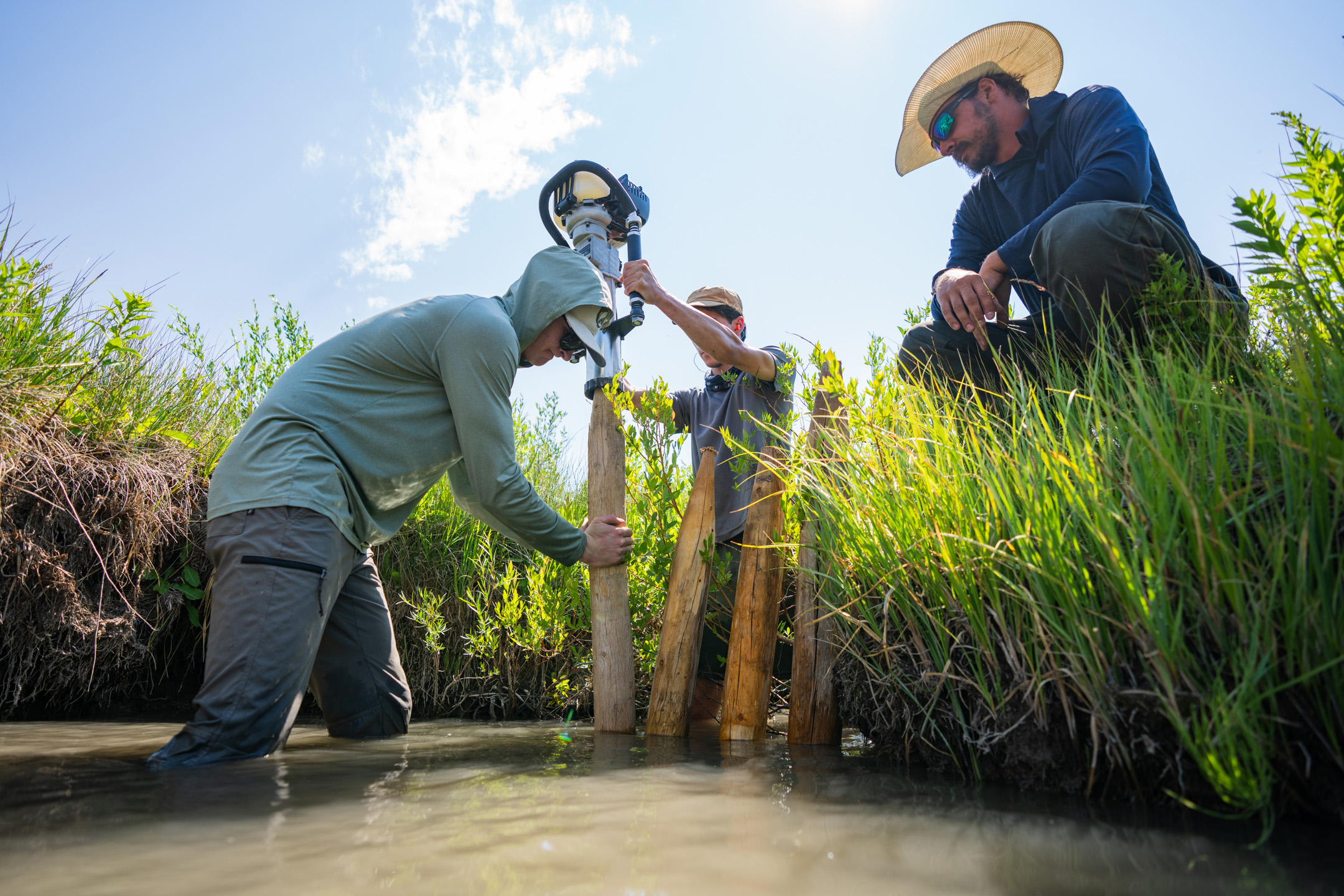
More than 100 man-made beaver dams were installed in Muddy Creek by a collection of partners like Trout Unlimited, work crews, and volunteers as the beginning of a large-scale effort to restore stream habitat within the Muddy Creek watershed.
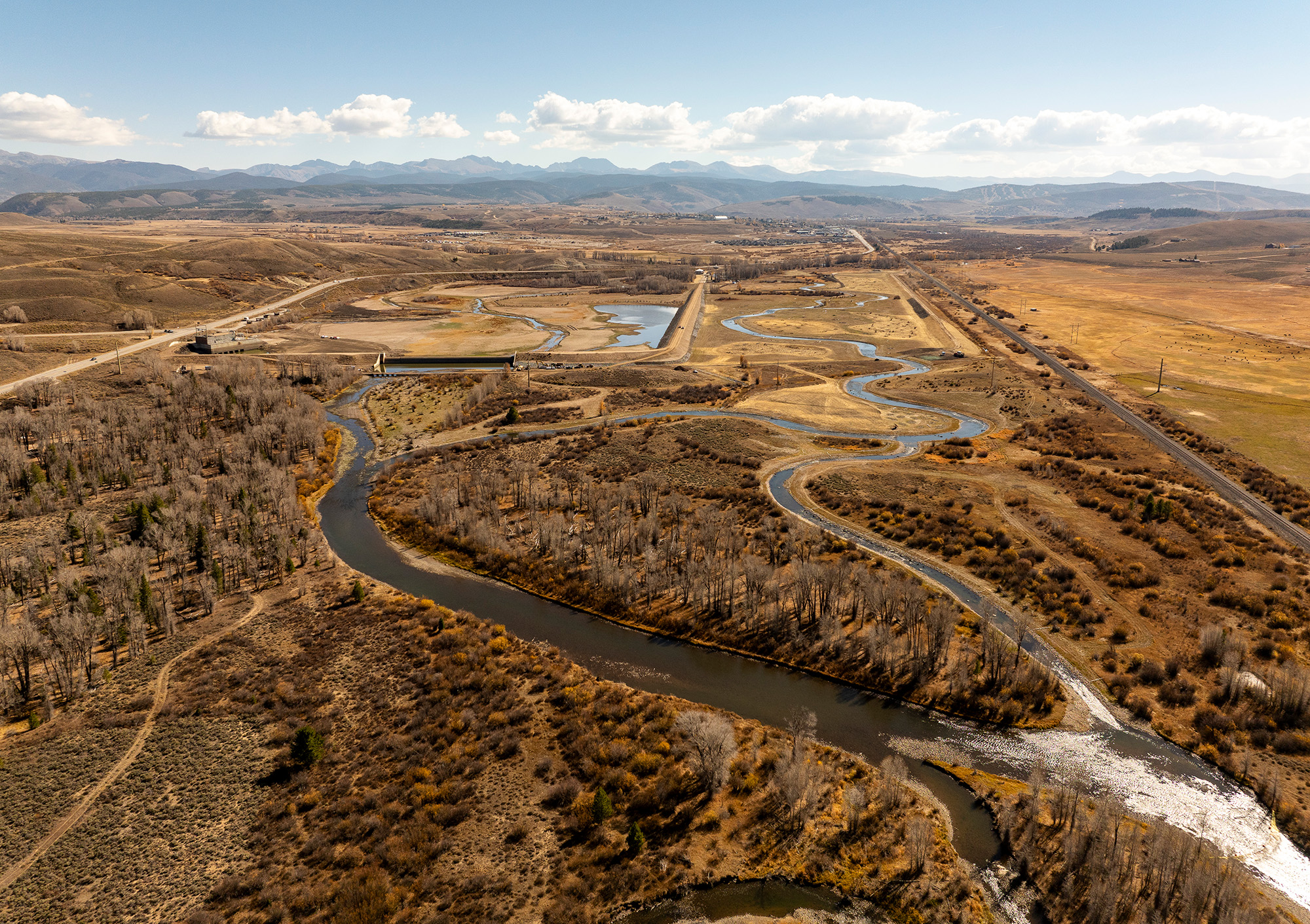
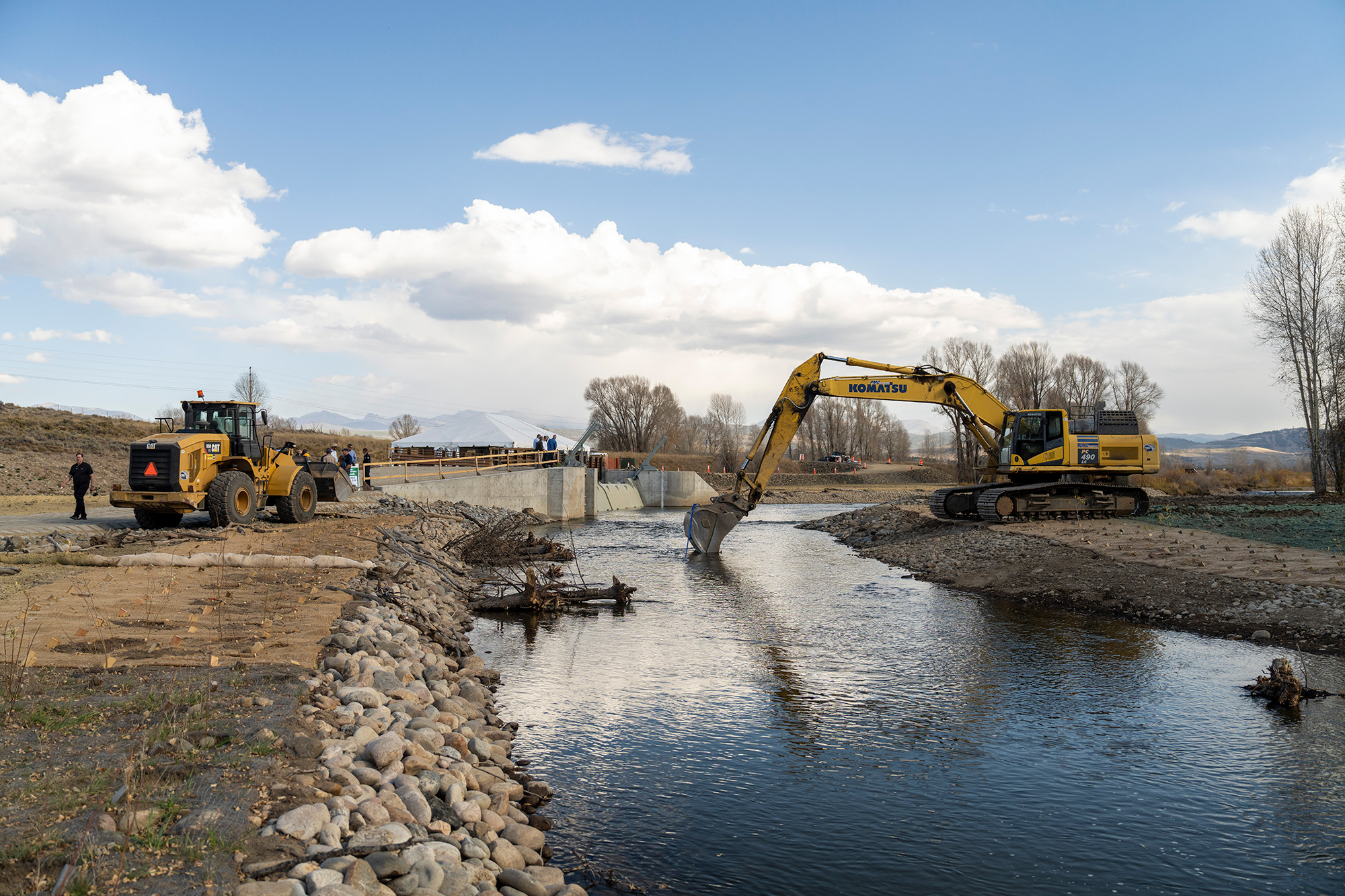
The Colorado River Connectivity Channel reconnected a mile of the river near its headwaters. Also known as the Windy Gap Bypass Project, TU and partners improved this section of river near Granby, Colo., for the benefit of trout and aquatic insects, the community and its recreation-based economy.
Officially completed in 2024, the Colorado River Connectivity Channel was a collaboration among TU, the Northern Colorado Water Conservancy District, Municipal Subdistrict, Grand County, the Upper Colorado River Alliance, and the State of Colorado.
The Sheep Creek Stewardship Project began in 2017. The aquatic restoration portion of the work encompasses 8.6 stream miles and over 180 acres of reconnected historic wetland habitat. Photo by Tensegrity Productions.
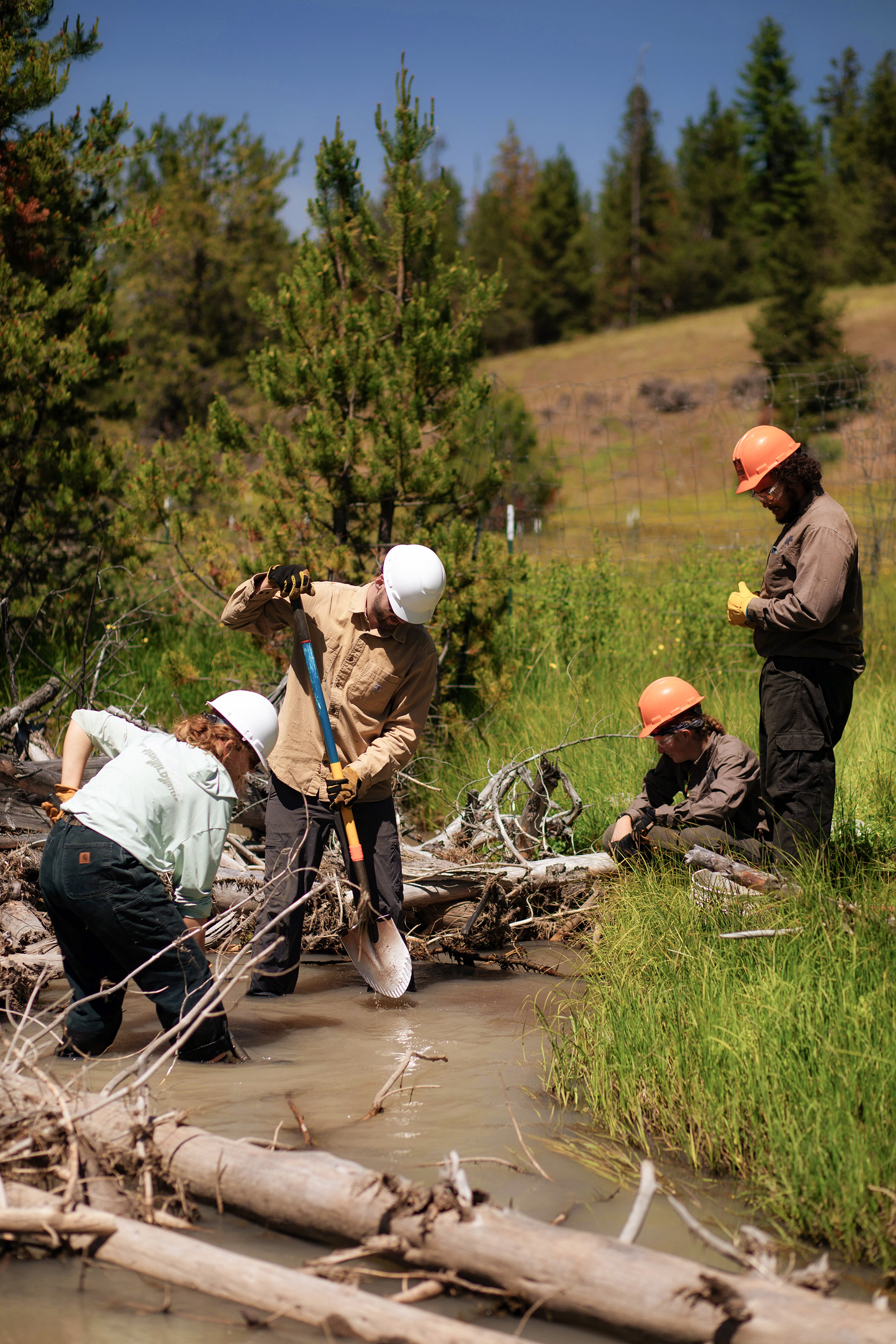
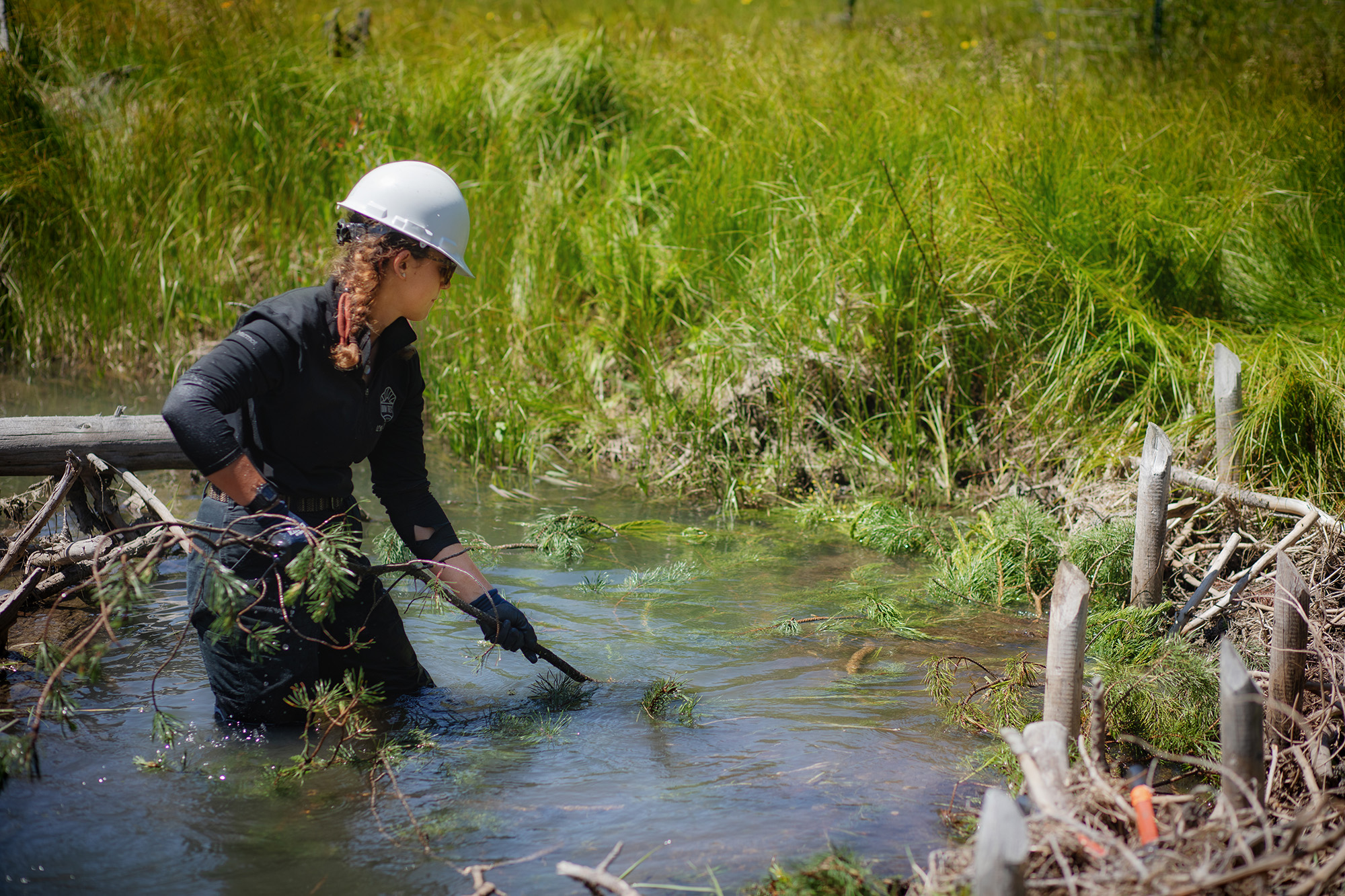
In Northeast Oregon, the TU Hand Crew Initiative spends summer restoring headwater stream habitat in the John Day and Grande Ronde watersheds.
Aerial view of Muddy Creek where TU’s worked for years, and has overseen low-tech, process-based restoration efforts and the installation of man-made beaver dams with support from the Wyoming Conservation Corps.
More than 100 man-made beaver dams were installed in Muddy Creek by a collection of partners like Trout Unlimited, work crews, and volunteers as the beginning of a large-scale effort to restore stream habitat within the Muddy Creek watershed.
The Colorado River Connectivity Channel reconnected a mile of the river near its headwaters. Also known as the Windy Gap Bypass Project, TU and partners improved this section of river near Granby, Colo., for the benefit of trout and aquatic insects, the community and its recreation-based economy.
Officially completed in 2024, the Colorado River Connectivity Channel was a collaboration among TU, the Northern Colorado Water Conservancy District, Municipal Subdistrict, Grand County, the Upper Colorado River Alliance, and the State of Colorado.
The Sheep Creek Stewardship Project began in 2017. The aquatic restoration portion of the work encompasses 8.6 stream miles and over 180 acres of reconnected historic wetland habitat. Photo by Tensegrity Productions.
In Northeast Oregon, the TU Hand Crew Initiative spends summer restoring headwater stream habitat in the John Day and Grande Ronde watersheds.
What anglers can do
Anglers are some of the strongest advocates for healthy rivers. During drought and hot weather, a few simple actions can help protect native trout and salmon.
Give Stressed Rivers a Break
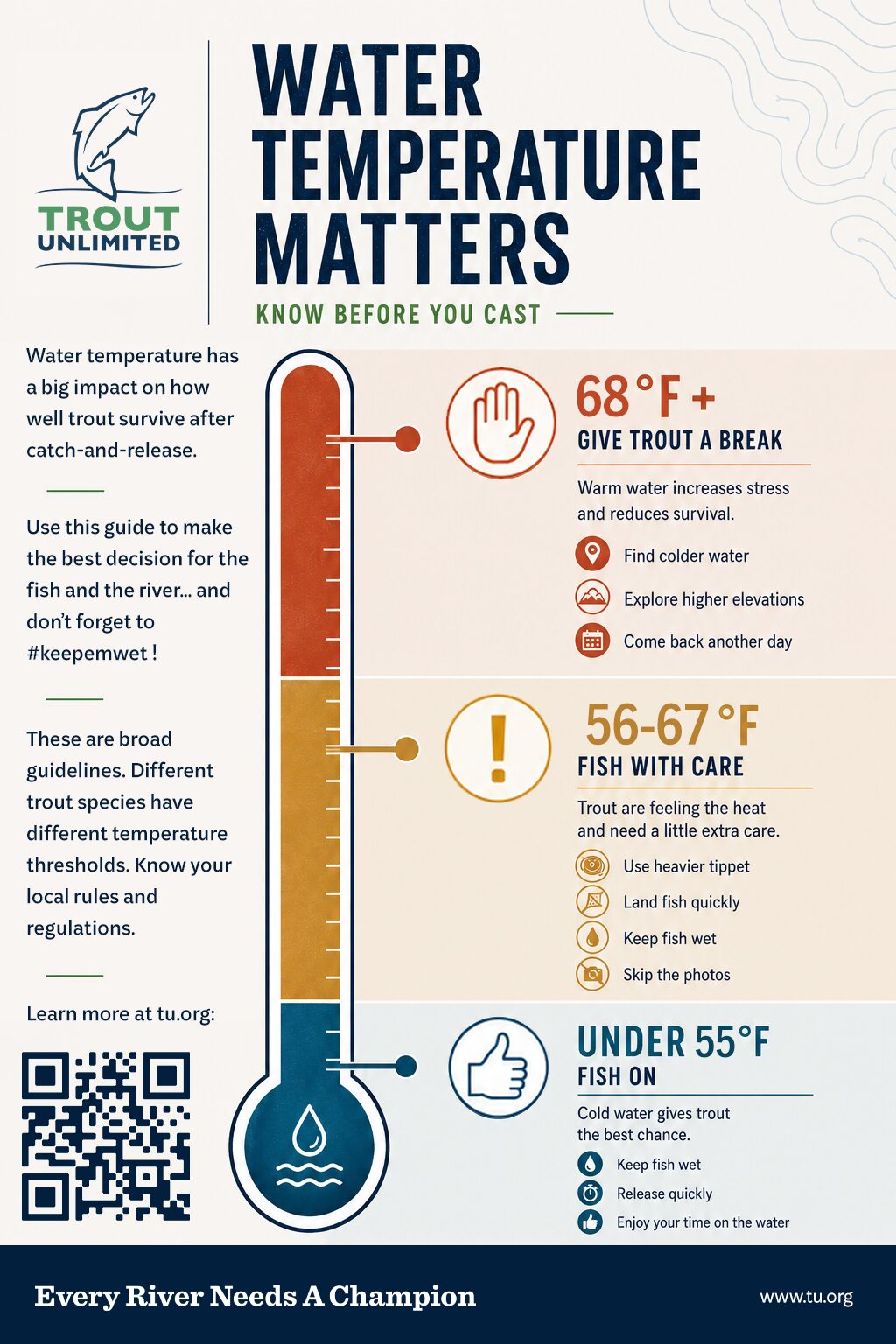
Monitor streamflow and temperature – if a river is running low and warm, consider fishing elsewhere or not at all.
Water temperatures are usually coolest in the morning, making it easier on fish. Always carry a thermometer to monitor water temperatures before fishing.
Keep fish wet
Handle fish carefully and release them quickly whenever possible.
Follow Local Restrictions
Many states and agencies issue drought-related fishing advisories or temporary closures to protect fish during stressful conditions.
Go Higher
Water higher up in mountains will generally be cooler than streams, rivers and lakes down lower. While it may be a little more work to gain some elevation, fishing in colder water puts less stress on trout.
Explore New Opportunities
Warmwater species like bass, carp and pike can provide excellent fishing while reducing pressure on trout and salmon during difficult conditions.
We’re building resources to help anglers discover new places to fish, learn new techniques and make responsible choices when conditions are tough.
Fishing during drought
Too Hot? Be an “ABT” angler – anything but trout
During drought and summer heat, we have to make smart decisions about where and when to fish (and what to fish for). For angler-conservationists who want to be sure there will be fish in the rivers in 2027, 2028, and beyond, we’re sharing ways to still get on the water. Learn how to be an “ABT” angler, adjust your travel plans, become a lake angler, and more.
A broad coalition of more than 70 groups from Arizona, California, Colorado, New Mexico, Utah, Wyoming, and Tribal Nations is urging Congress that immediate federal investment is needed to reduce drought risks, protect critical infrastructure, and preserve the long-term reliability, value, and stability of Colorado River water for all Basin communities and Tribes.
A community of practice linking stream restoration and wildfire management to improve the efficiency and effectiveness of both. We’re bringing together collaborative resources including science summaries, practical case studies, how-to guides, trainings, and opportunities to connect with practitioners working to create healthy rivers for wildfire resilience.
Drought and wildfire are challenges we cannot ignore. But by restoring rivers, improving water management and working together, we can help ensure that fish, wildlife and communities have the water they need.
Healthy watersheds are one of our best defenses against a hotter, drier future.
Together, we can build rivers that are resilient, productive and ready for the challenges ahead.
Stay up to date
Receive conservation news, fishing tips, and science updates right to your inbox by subscribing to Trout Weekly.
Support restoration
Support Trout Unlimited’s work to restore rivers, strengthen watersheds and protect the cold, clean water that fish and communities depend on.
Finding resilience in a summer of reckoning across the Rockies and Southwest We’ve all seen the headlines: fast growing wildfires, record low snowpack, drying reservoirs, heat waves, hoot owl restrictions, mandatory fishing closures and other…
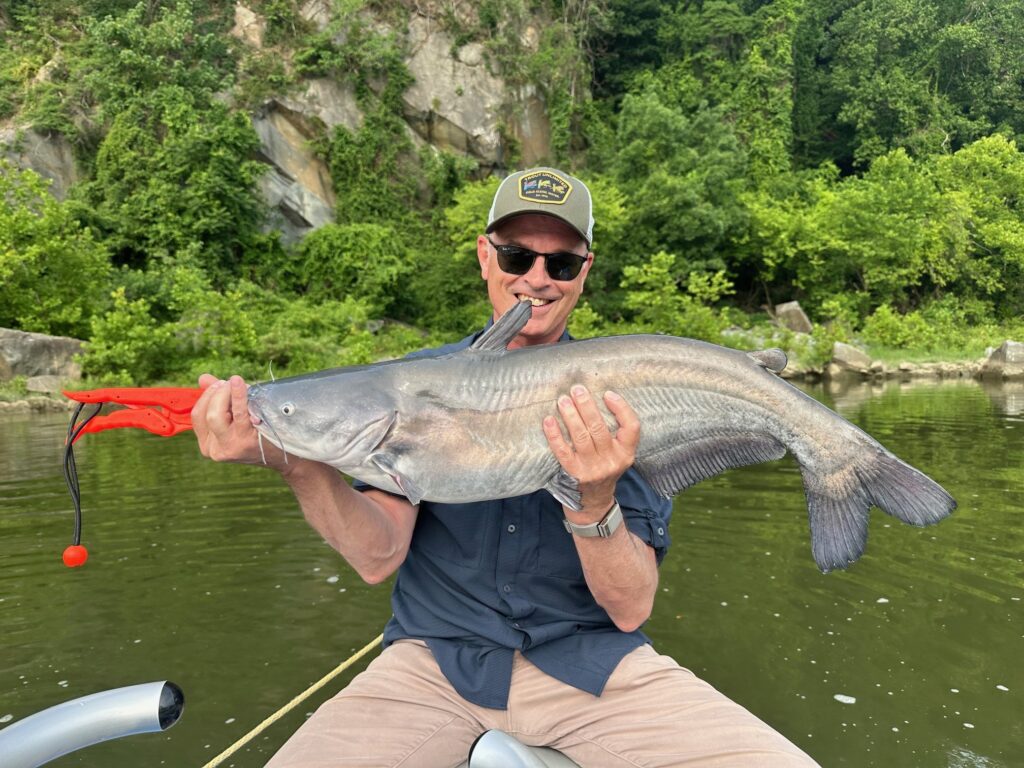
I had a choice this weekend. I could head down to Shenandoah National Park and fish for native brookies or ply the Potomac for blue catfish and perhaps an occasional schoolie striper. I chose the…
The True Cast – Fly fishing through drought
San Luis Valley, Colorado: A case study in trout and farm recovery
To provide the best experiences, we use technologies like cookies to store and/or access device information. Consenting to these technologies will allow us to process data such as browsing behavior or unique IDs on this site. Not consenting or withdrawing consent, may adversely affect certain features and functions.
Functional
Always active
The technical storage or access is strictly necessary for the legitimate purpose of enabling the use of a specific service explicitly requested by the subscriber or user, or for the sole purpose of carrying out the transmission of a communication over an electronic communications network.
Preferences
The technical storage or access is necessary for the legitimate purpose of storing preferences that are not requested by the subscriber or user.
Statistics
The technical storage or access that is used exclusively for statistical purposes.The technical storage or access that is used exclusively for anonymous statistical purposes. Without a subpoena, voluntary compliance on the part of your Internet Service Provider, or additional records from a third party, information stored or retrieved for this purpose alone cannot usually be used to identify you.
Marketing
The technical storage or access is required to create user profiles to send advertising, or to track the user on a website or across several websites for similar marketing purposes.