
Aaron Prussian was chasing salmon 50 miles offshore in a remote part of Southeast Alaska, getting battered by intense weather.
As he headed towards land, the sea suddenly calmed and the water turned glass. A fur seal broke the surface, playfully following the boat and flipping through the air. Albatross and storm petrels flew overhead. Aaron remembers this occasion as one of the most memorable moments in his career as commercial fisherman.
“The ocean is amazing,” he mused. “There’s just so much going on.”
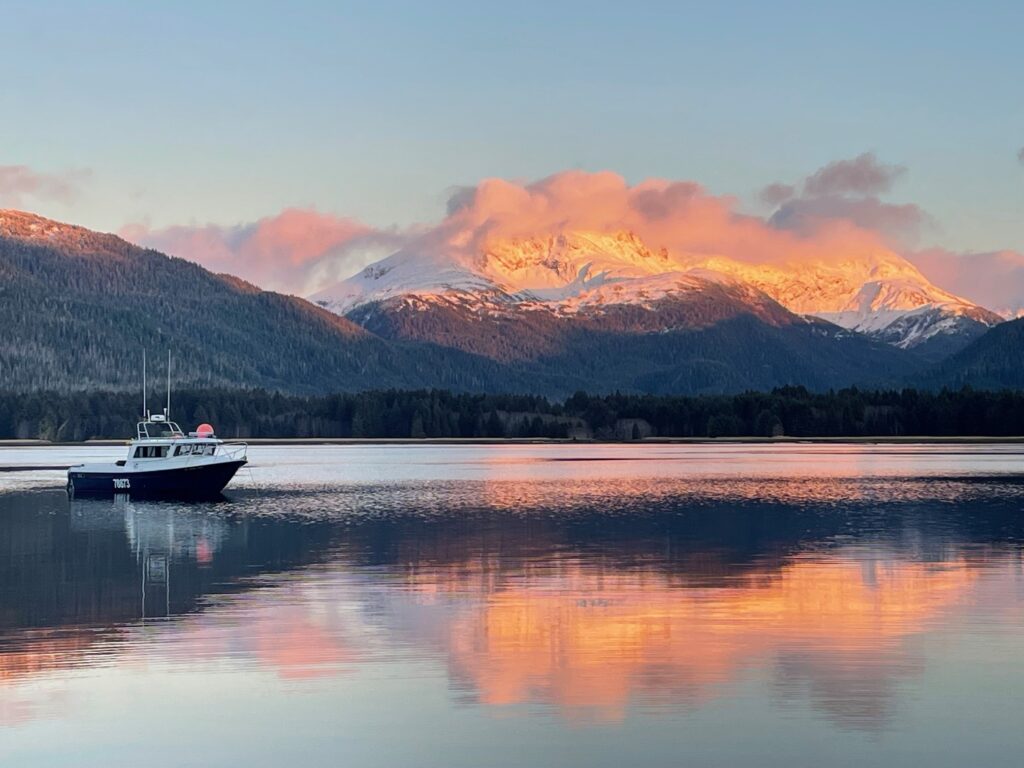
Prussian is a hand-troller, which means he fishes two wire lines off the back of his boat and cranks the 30-pound cannonballs holding his lures at depth by hand. He catches Chinook, coho and chum salmon one at a time. This hook-and-line fishery is an important source of income for so many Southeast Alaskan families like Prussian’s, employing approximately one out of every 50 people in the region.
Commercial fishing is such a large industry in Southeast Alaska because the Tongass National Forest, a designated Trout Unlimited Priority Water, comprises 16.7 million acres of the region and is home to nearly 13,000 miles of salmon producing streams. In this part of Alaska, the combined industries of fishing and tourism power 26 percent of the economy.
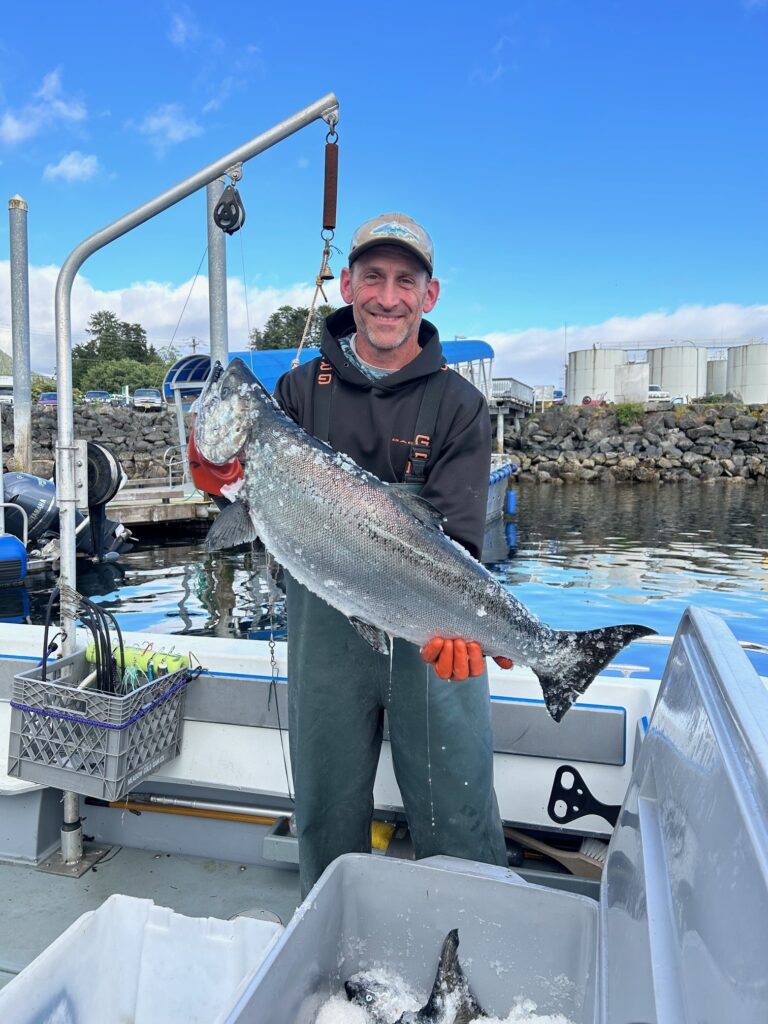
The health of the forest is inextricably linked to the prosperity of the region’s residents. Like so many other Alaskans, Prussian’s livelihood is driven by the intact habitat of the forest, and like many other Alaskans, he is helping ensure the forest keeps working for the fish, wildlife and communities that depend on it.
A love for aquatic organisms
Prussian grew up in Ann Arbor, Mich., with an active family. His youth was filled with tennis, running and lots of time exploring the outdoors. His family didn’t fish, but he developed a love for fish and the waters they inhabit on his own.
“I remember the first time I found crayfish in a local stream,” he said. “I thought ‘This is crazy fun!’ I’ve been hooked on spending time in streams ever since, chasing fish, crayfish or whatever I can find.”
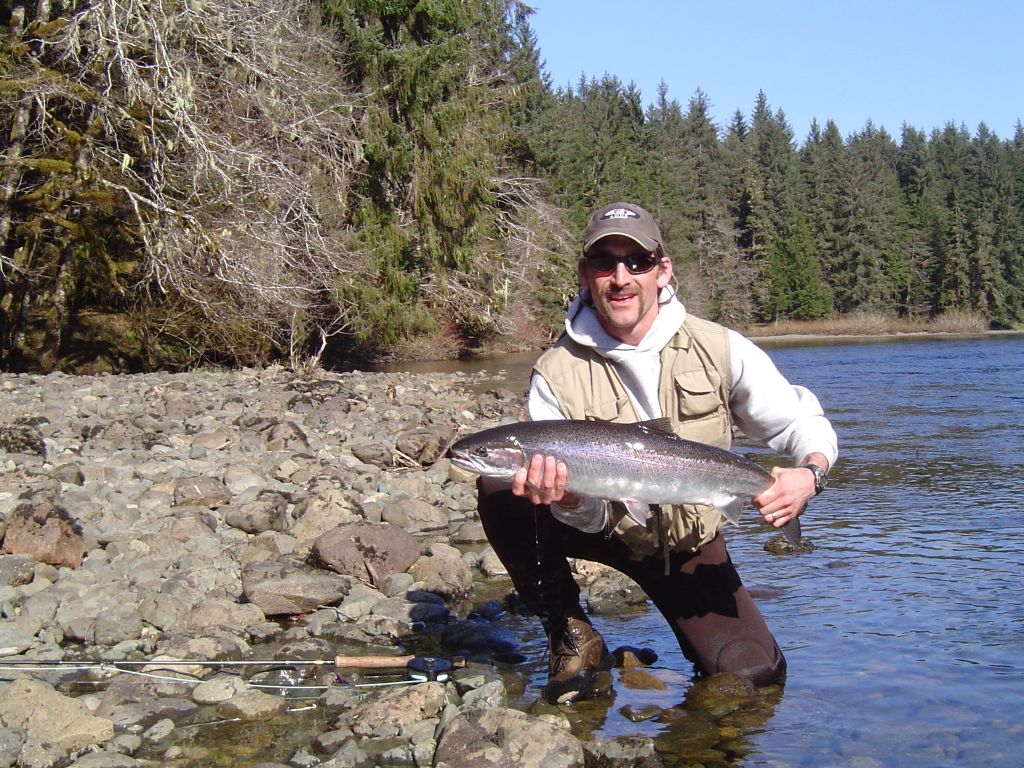
That fascination with streams has helped guide Prussian’s life ever since. After graduating from college with a biology degree, Aaron spent the summer studying at the Rocky Mountain Biological Laboratory, a renowned field station in Colorado. There he got his first real taste of fisheries science.
“I spent time that summer studying field ecology,” Prussian said. “When I spent time in streams, looking for insects and fish, I thought this is all I ever want to do.”
North to Alaska
Prussian’s college career led him to Alaska. After completing his undergraduate degree, he supported forestry and stream ecology research for the Forest Service in Juneau over several summers. His graduate degree brought him back to Alaska again, for several summers of fisheries research across Southcentral and Interior Alaska. Prussian couldn’t resist the wild lands and fish-filled streams of Alaska. He eventually settled on Prince of Wales Island, the fourth largest island in the United States situated at the southern tip of Southeast Alaska. It was here that he started his family and was immersed in the wonders and challenges of life in remote Alaska.
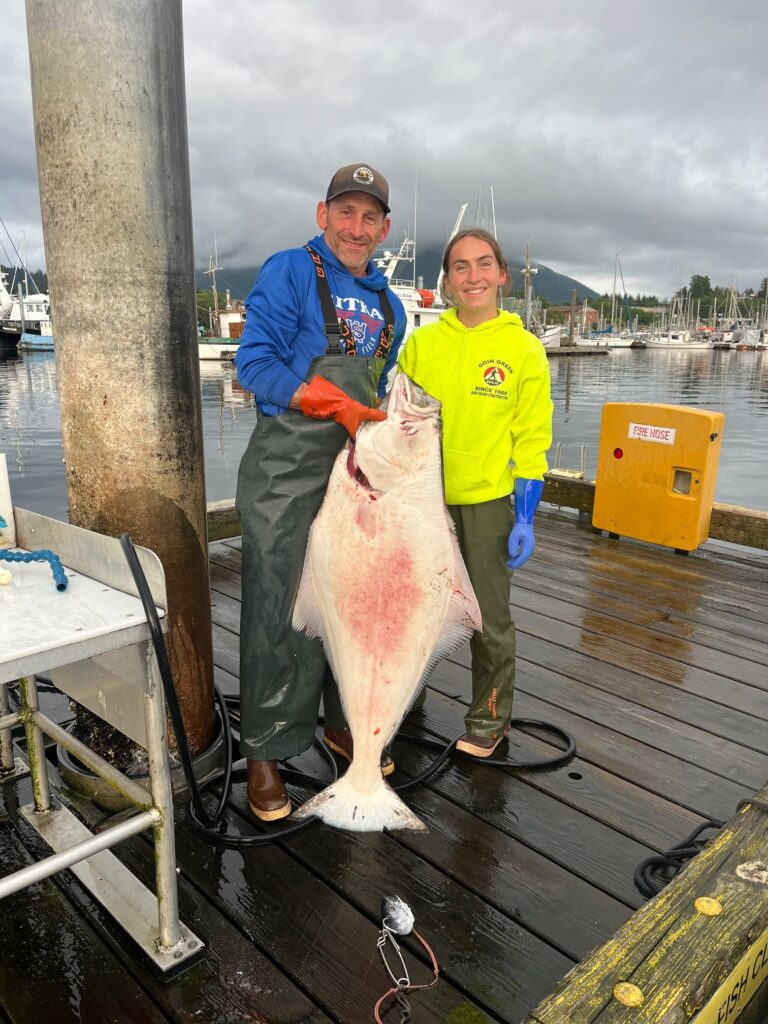
The rural communities across the state require a certain level of self-sufficiency to thrive. Access to healthcare and other essential services are often limited in communities accessible by only boat or plane. Food is prohibitively expensive. Locals rely on each other and the land to provide for their needs.
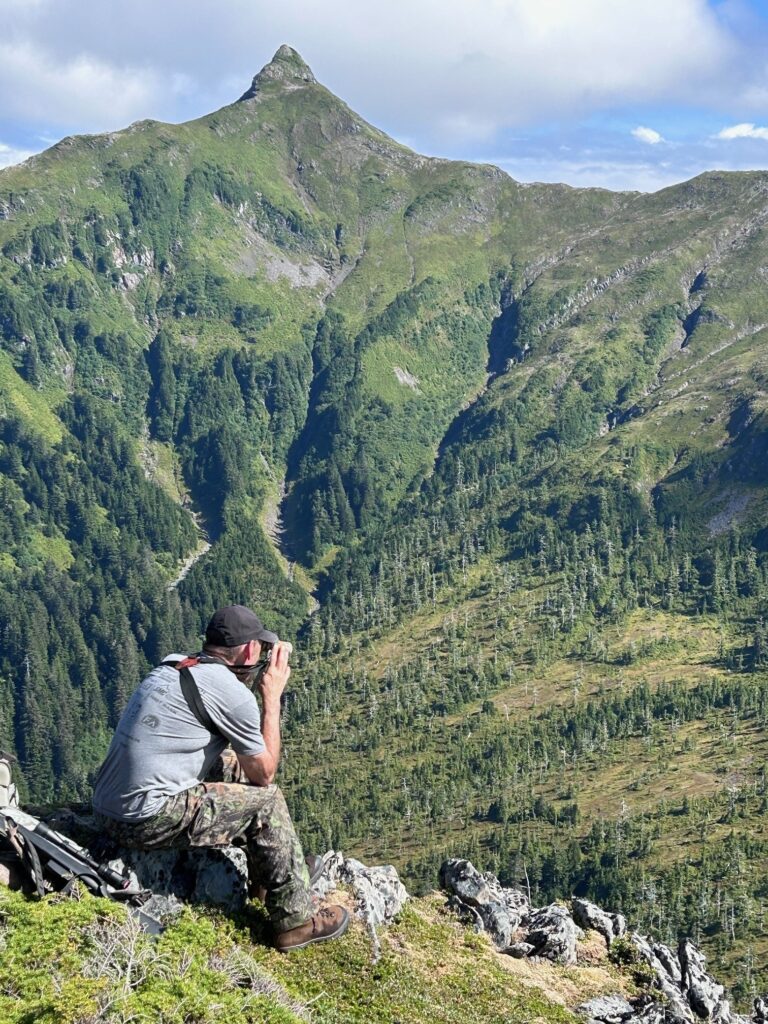
Prussian took to this lifestyle immediately. He began fishing both commercially and to feed his own family. He hunts Sitka black-tailed deer. He voluntered as an EMT and once helped deliver a colleague’s baby in his own living room when bad weather prevented the parents from traveling to the nearest hospital, which was a 70-mile flight away.
He and his wife, KK, coached the cross-country running program at the local school. He serves on the Fish and Game Advisory committee, representing his hometown of Sitka in important state-led management decisions. Aaron loves this way of life, and thankfully his line of work has enough opportunities to keep him and his family in Southeast Alaska.
Restoring salmon streams
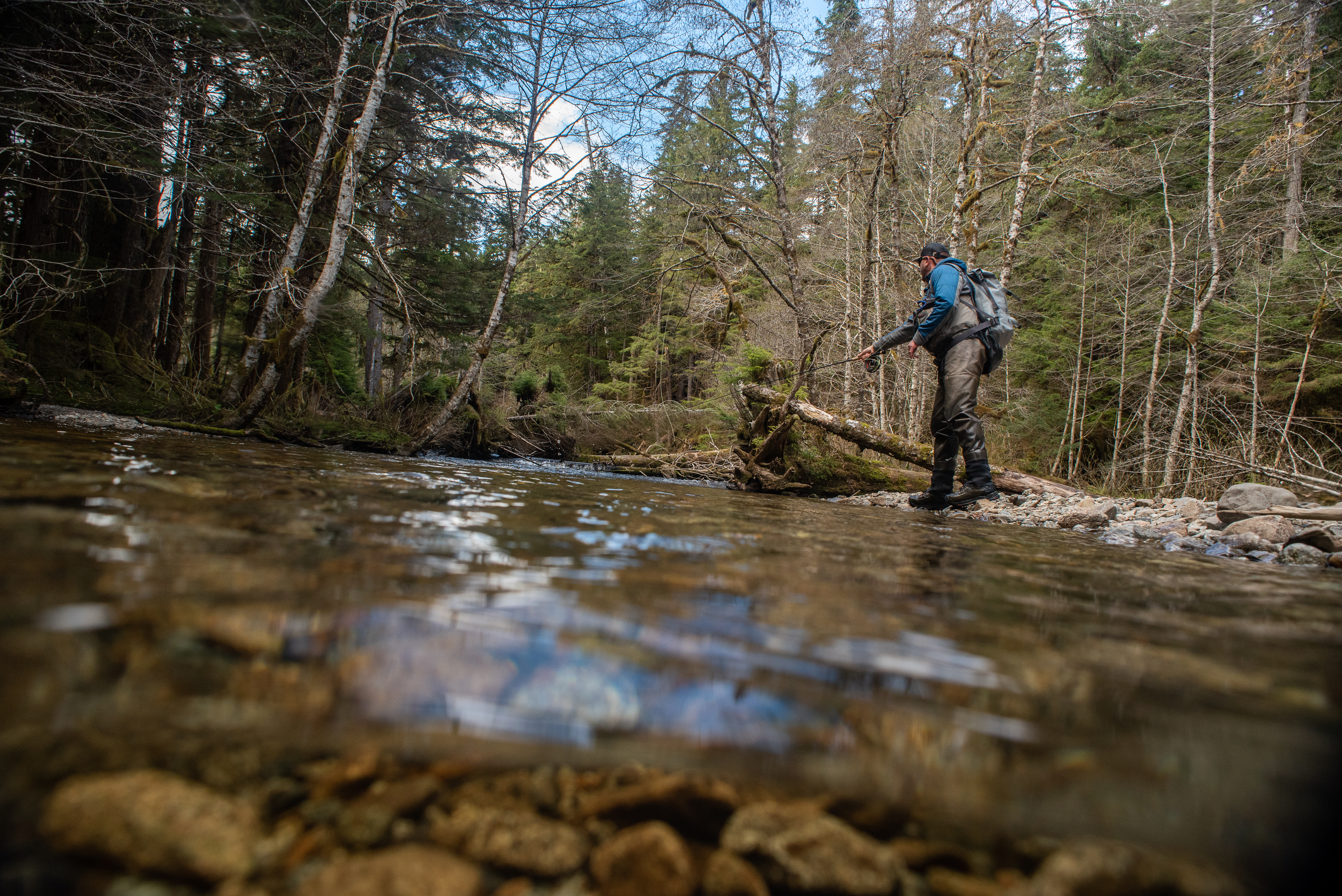
When Prussian isn’t commercial fishing, he’s running Trout Unlimited’s Alaska restoration program. He manages projects that reconnect and restore salmon and trout habitat that have been degraded and disconnected. While much of Alaska’s fish habitat is still intact and productive, there has still been widespread degradation across the state, especially in Aaron’s home region. In Tongass National Forest alone, nearly 1,500 culverts do not meet state or federal standards and restrict fish migration to approximately 270 miles of important spawning and rearing habitat.
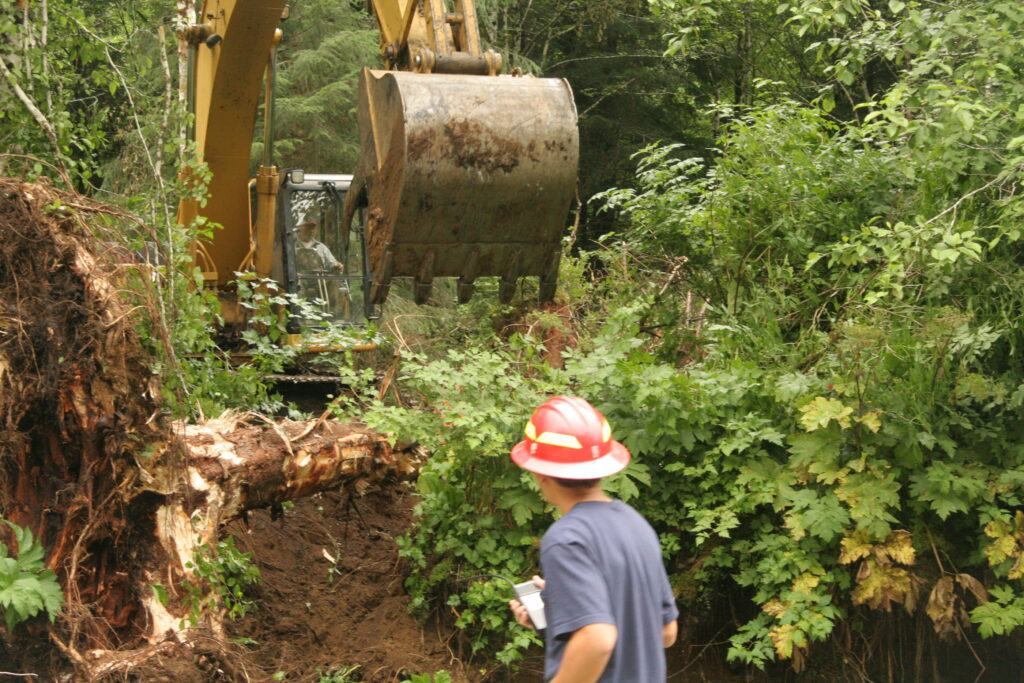
Prussian is working to fix those barriers to fish migration alongside partners and communities. In 2024, his team completed a suite of restoration projects on Kuiu Island. Now they are working on projects in Yakutat, Prince of Wales and Ketchikan, with additional projects in Southcentral and Interior Alaska.
This work bolsters fish populations that are critical for Alaska’s ecosystems, economies and way of life. Prussian describes the opportunity to benefit such an important natural resource as a “dream come true.”
“Where else can you say that one thing is so universal and sort of ubiquitous across everybody?” he asked, rhetorically. “Salmon are everywhere and everyone in Alaska either fishes for, eats salmon or is associated with them somehow.
“You can be involved with salmon in so many different ways and it’s amazing that I get to do what I do. I love it.”
Fishing Sitka
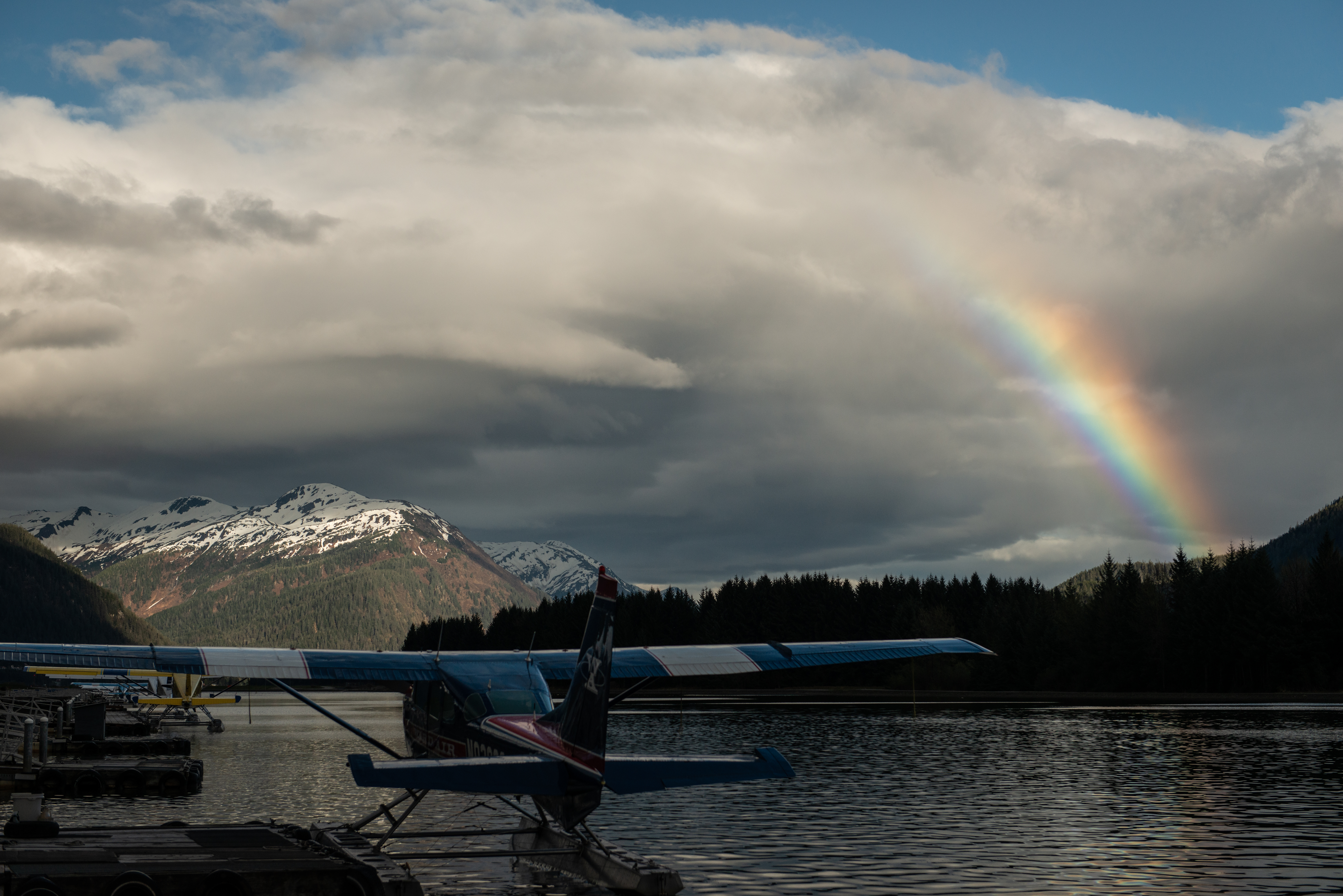
Sitka offers incredible saltwater fishing opportunities for all five species of Pacific salmon, halibut, lingcod and rockfish. Crabbing and shrimping are also popular pastimes, with populations of king crab, Dungeness crab, shrimp and a variety of clams.
Fishing in Sitka certainly isn’t limited to saltwater alone, however. There are great shore fishing opportunities for Chinook, coho and pink salmon. Sea-run Dolly Varden are plentiful in the greater Sitka area that anglers target in both fresh and saltwater. This happens during their spring outmigration, in saltwater through the summer months, and freshwater in the fall when they migrate back to their overwintering grounds. Salmon and Dolly Varden are the most plentiful sportfish in the area, but there are also smaller populations of steelhead and coastal cutthroat trout.
The same free-flowing rivers that sustain trout and salmon bring clean water into our homes, give life to vibrant communities and feed a passion for angling and the outdoors.
But today our fisheries and rivers face enormous challenges. At Trout Unlimited, we are doing something about it, and we need your help. Sign up to be a champion for the rivers and fish we all love and help us unlock the unlimited power of conservation.