Salmon and Farms: Restoring Wallowa Lake’s Lost Sockeye Salmon


Join our community of optimists and unlock the unlimited power of conservation.
Join our community of optimists and unlock the unlimited power of conservation.
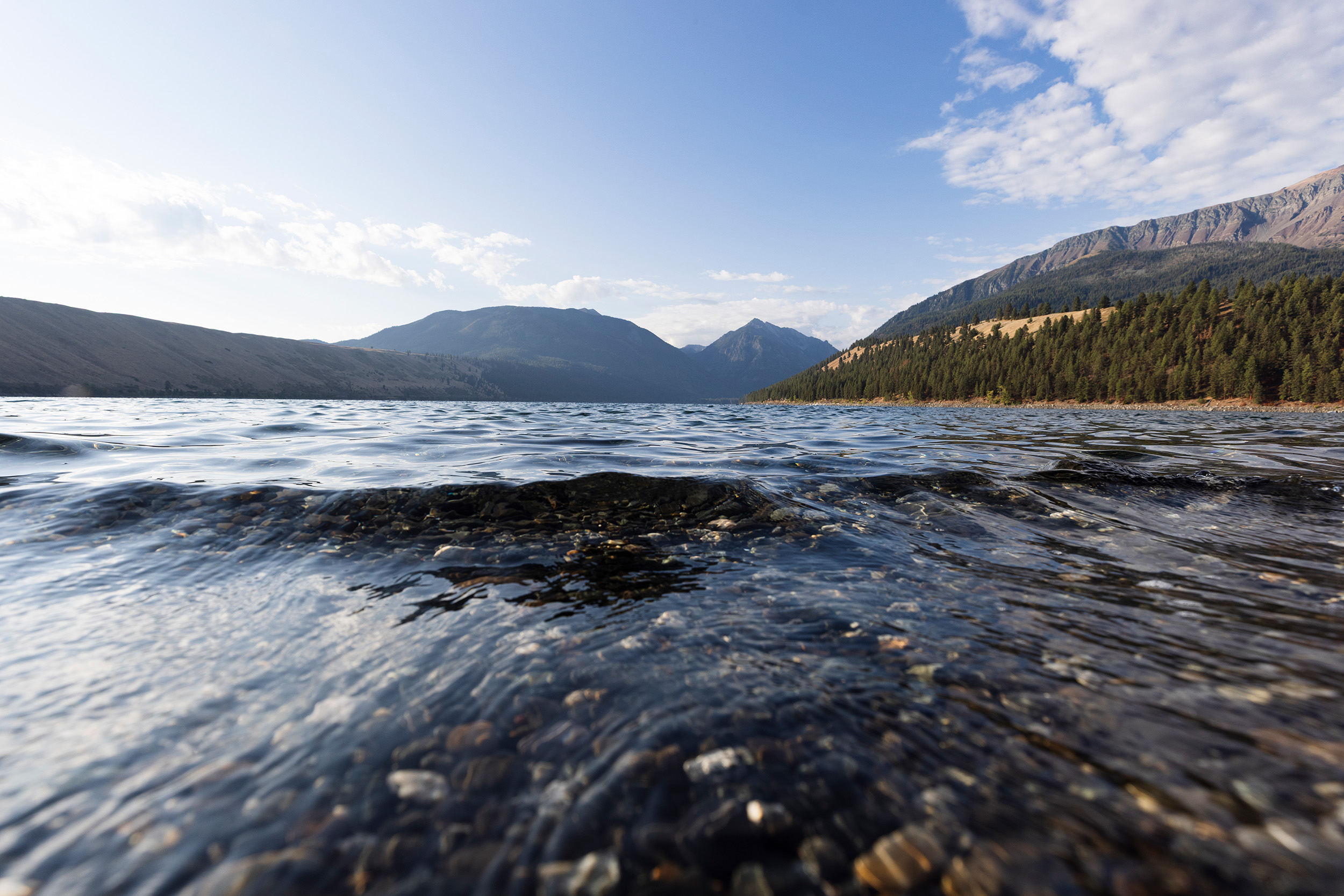
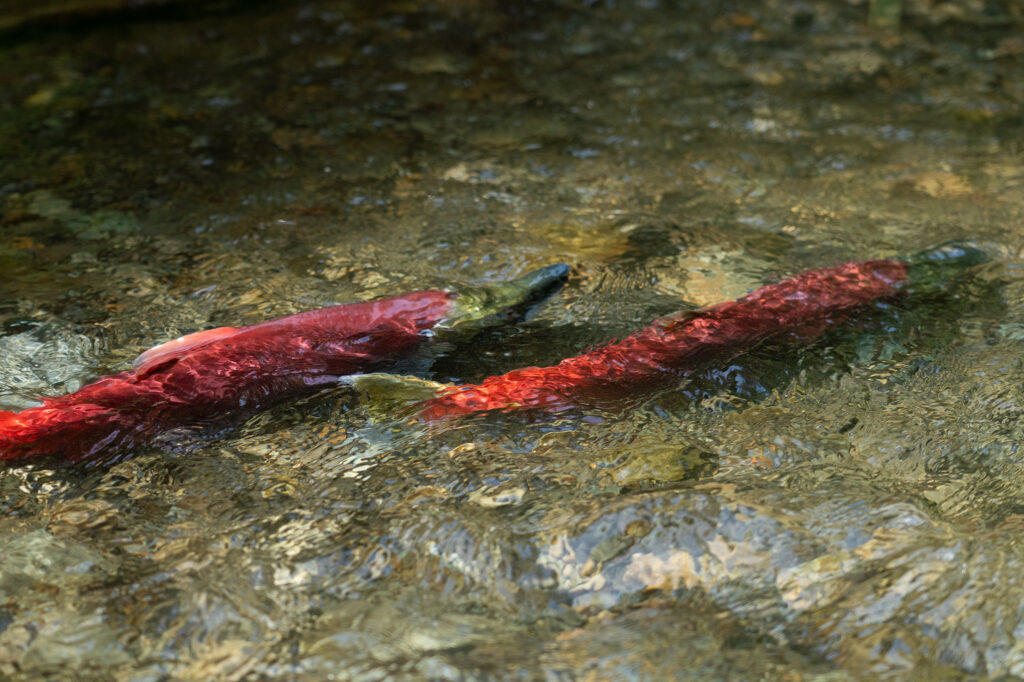
Since time immemorial, the sockeye salmon that returned to Northeast Oregon’s Wallowa Lake were critical to the culture, traditions, and subsistence of the Nez Perce Tribe and Confederated Tribes of the Umatilla Indian Reservation. Along with providing an important source of sustenance, the annual salmon migration enriched the region’s ecology by bringing marine nutrients to the Wallowa and Grande Ronde watersheds.
But, by the early 20th century, the sockeye were gone.
Settlers arrived in the Wallowa Valley in the late 1800s and in 1877 the U.S. government removed the Tribes from the Wallowa Valley. In the years that followed, extensive overfishing decimated the salmon runs.
The Wallowa Lake Dam was built in 1919.
Built for irrigation and lacking fish passage, the dam prevented the remaining sockeye from reaching their historical spawning and rearing habitat in Wallowa Lake. Soon after construction, the salmon population was extirpated.
Though Wallowa Lake’s sockeye have been gone for over a century, they were never forgotten.
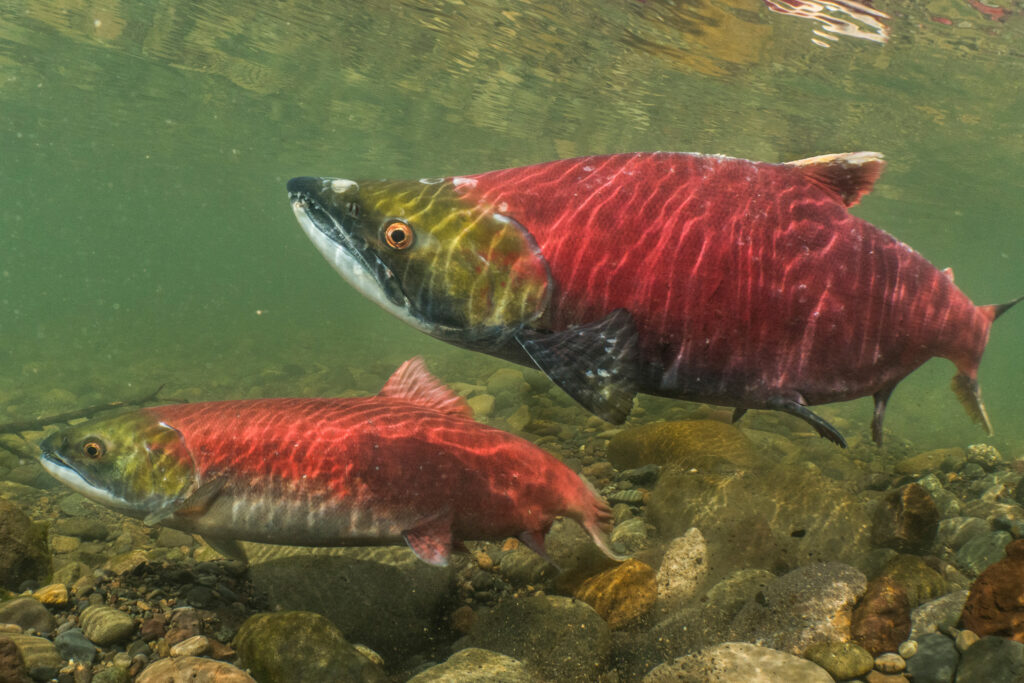
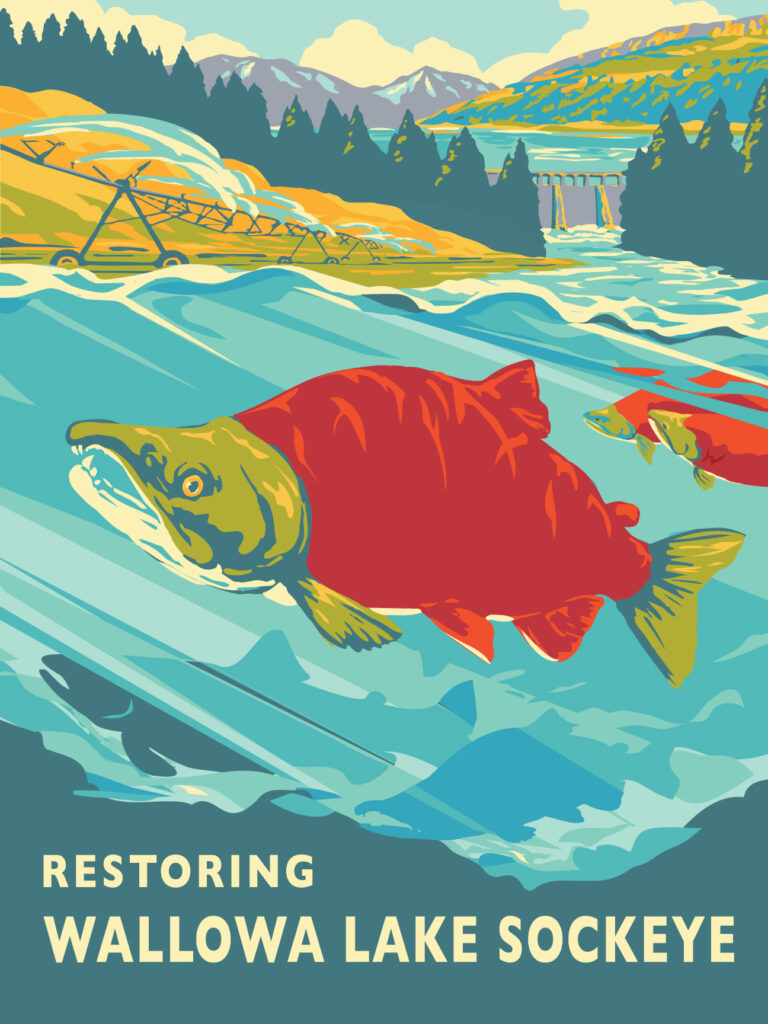
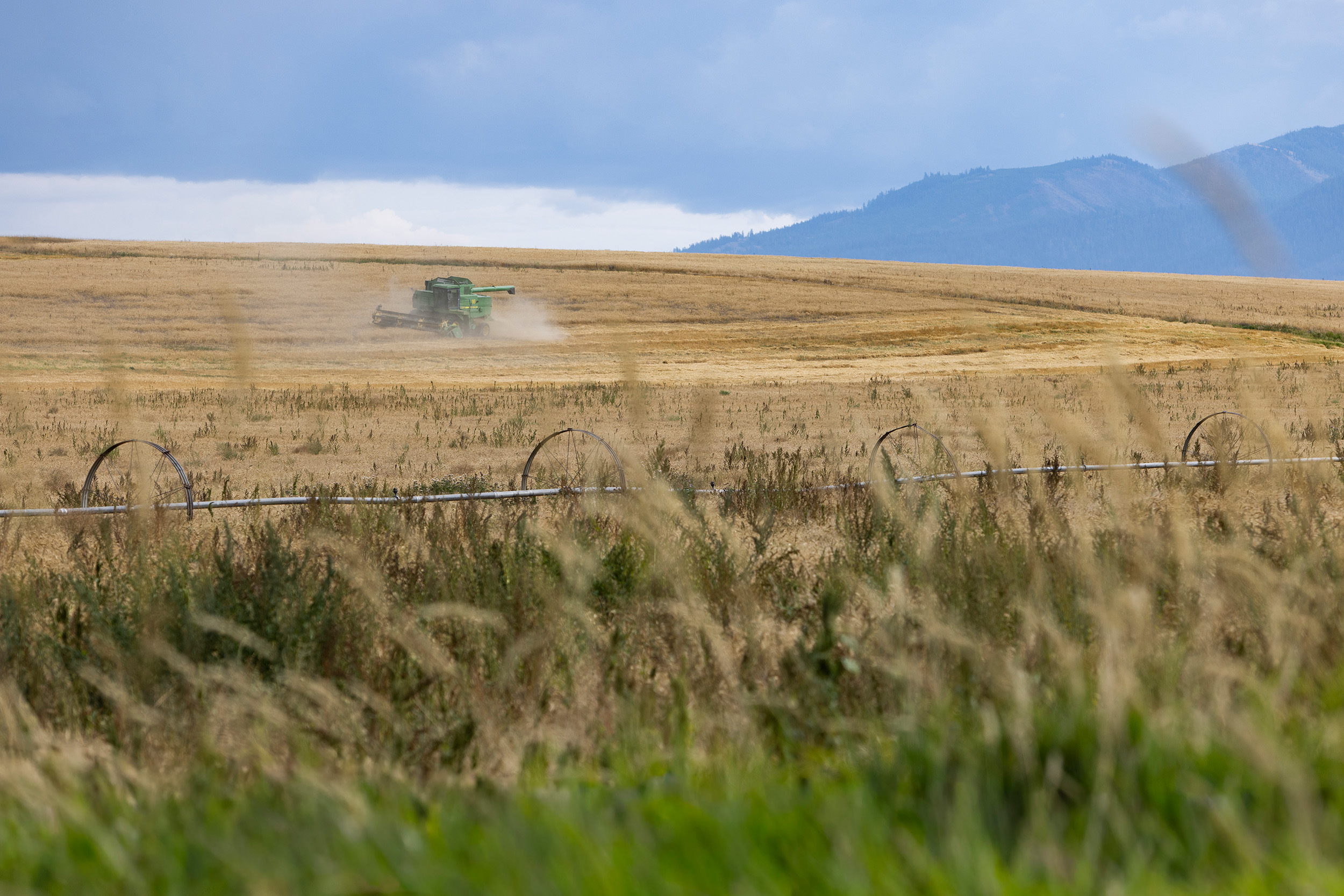
During the past decade, a remarkable collaboration between the Nez Perce Tribe (NPT), the Confederated Tribes of the Umatilla Indian Reservation (CTUIR), the Wallowa Lake Irrigation District (WLID) and the state of Oregon has worked to correct this historic loss and bring sockeye salmon back to Wallowa Lake while restoring full water storage capacity for irrigators.
The partnership’s work is built on a shared commitment to healthy fisheries, treaty obligations, honoring the tribal connection to the salmon and landscape, and the need for farmers and downstream communities to have stable supplies of water and flood-resilient infrastructure.
In 2023, Trout Unlimited was invited to support the development of volitional fish passage during the Wallowa Lake Dam Rehabilitation Project by facilitating communication between participants, coordinating between engineering firms and fundraising.
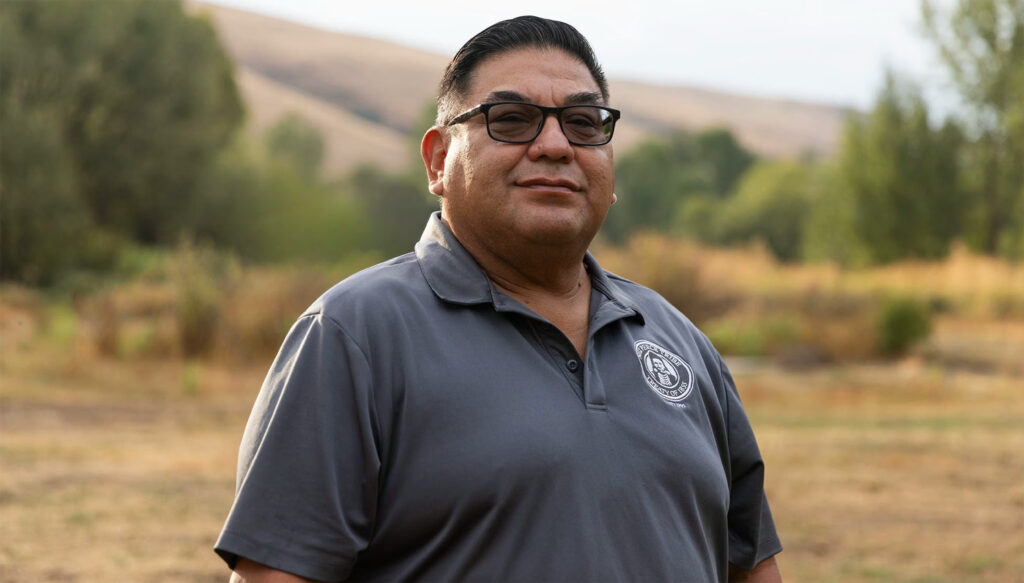
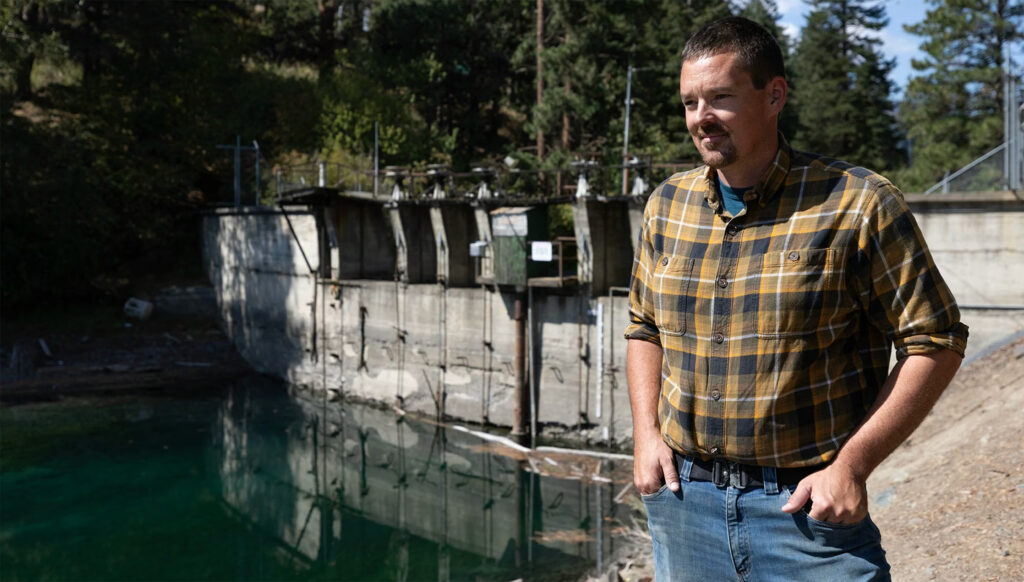
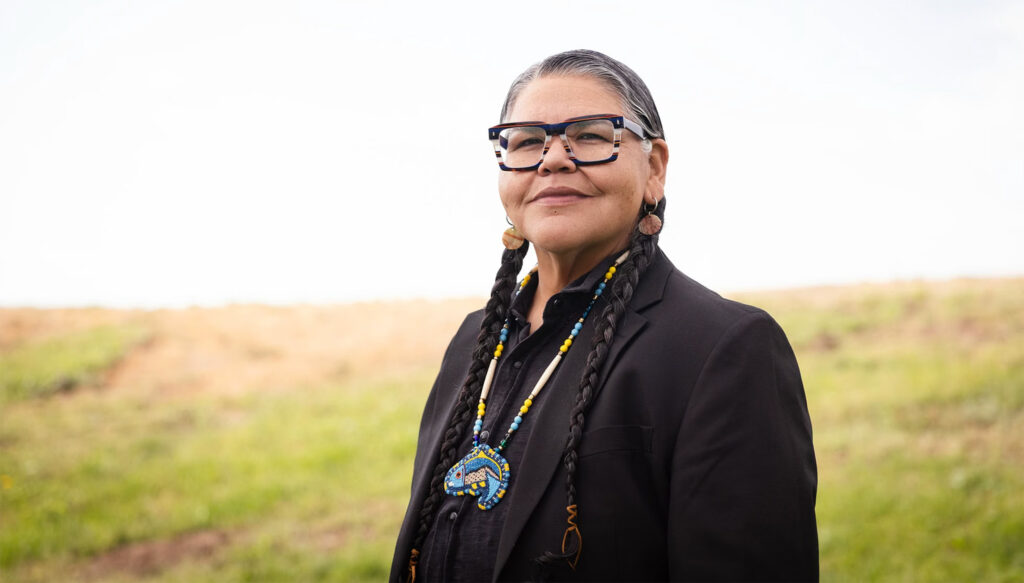
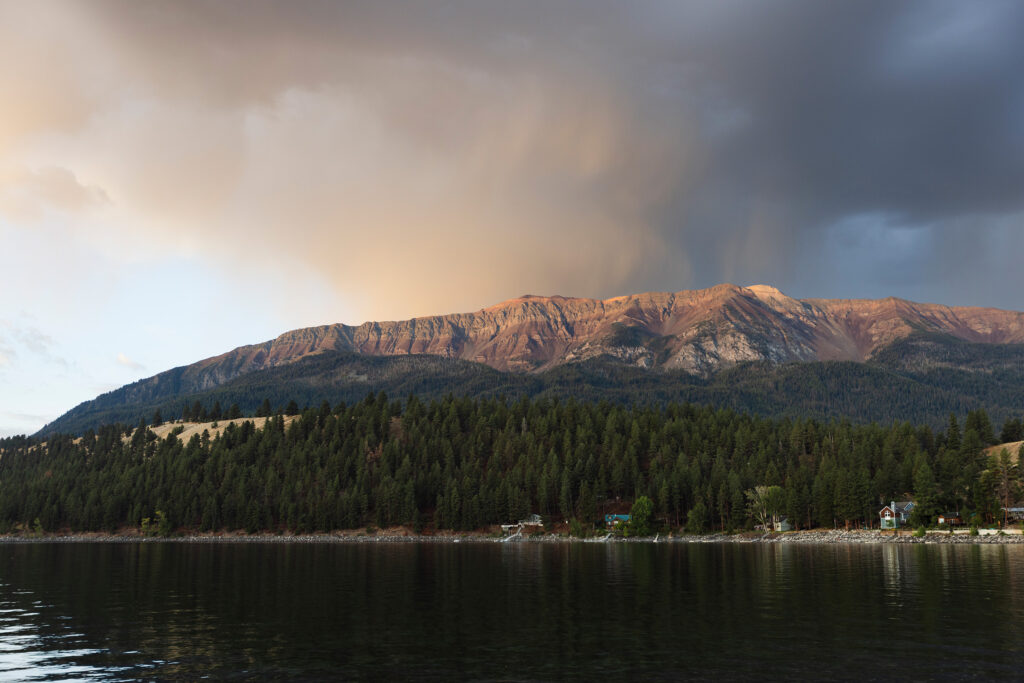
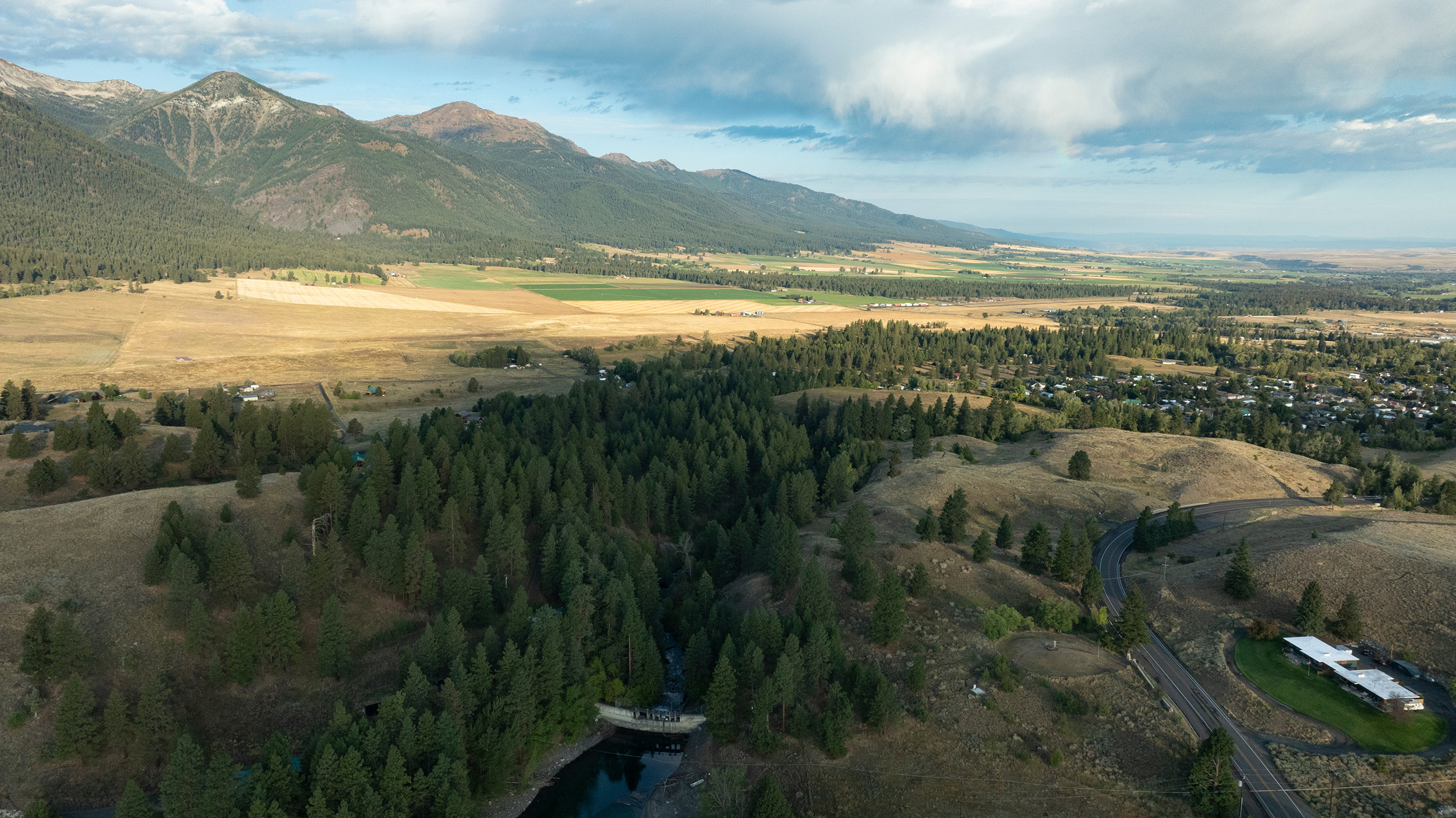
Wallowa Lake was formed by glacial moraines. The Wallowa Lake Dam was built to increase the lake’s natural water storage capacity. The dam was also used as a point of diversion for the City of Joseph to generate hydropower, provide drinking water and control water to minimize downstream flooding. Hydropower production ended in 1958.
A year after the original structure was completed, the dam height was raised three feet. An additional five feet of height was added in 1929.
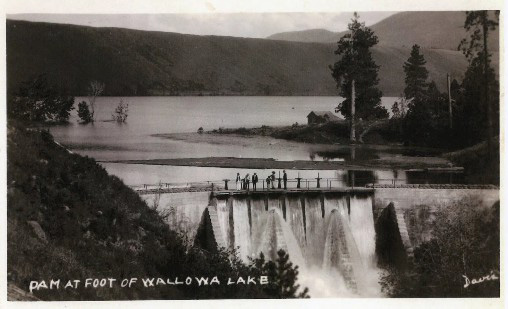
In the decades that followed, deferred maintenance took its toll on the structure. In 1996, the Oregon Water Resources Department designated the 70-year-old dam as a “high hazard structure.”
This means that a sudden failure of the structure could result in the loss of life, as well as severe economic damage downstream of the dam.
During subsequent inspections, concerns were identified related to the dam’s stability and hydraulic capacity. It was determined that it did not meet current safety standards.
Since then, water storage in Wallowa Lake has been limited to 70 percent of total capacity for fear that dam failure could release catastrophic flooding into downstream communities such as the town of Enterprise.
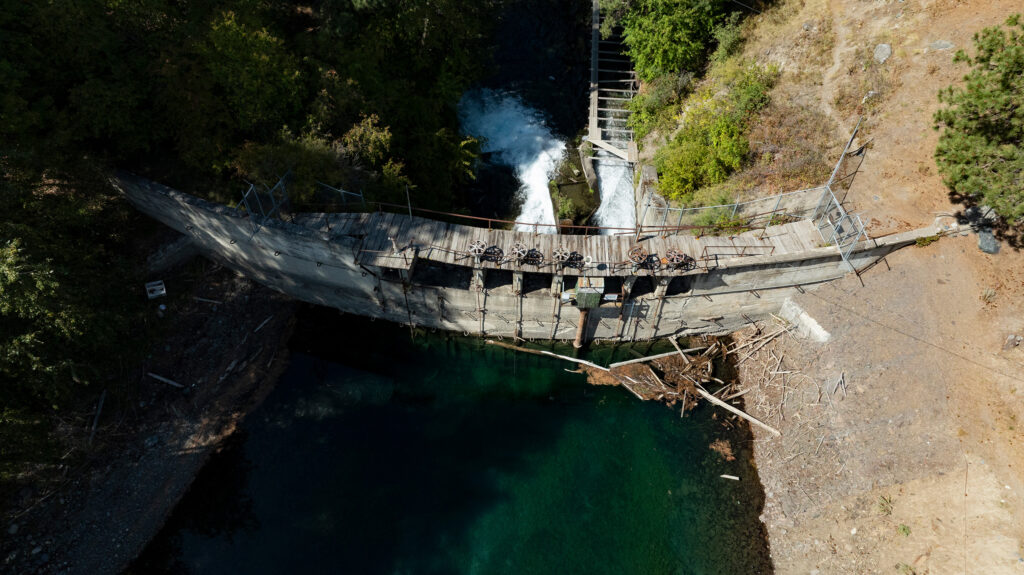
In 2017, WLID was formed and took over dam ownership and management of the associated water rights from the Associated Ditch Companies, Inc. Soon after, WLID began working with the state of Oregon and the Tribes to find funding to rehabilitate the Wallowa Lake Dam, and return to full water storage capacity and previous lake levels. By repairing the dam, the project will remove OWRD’s “high hazard structure” designation and allow irrigators to once again fully utilize their existing water rights.
As the changing climate makes annual snowpack and rain regimes inconsistent and less predictable across the West, the ability to store water when it is available is a lifeline to farmers and local communities.
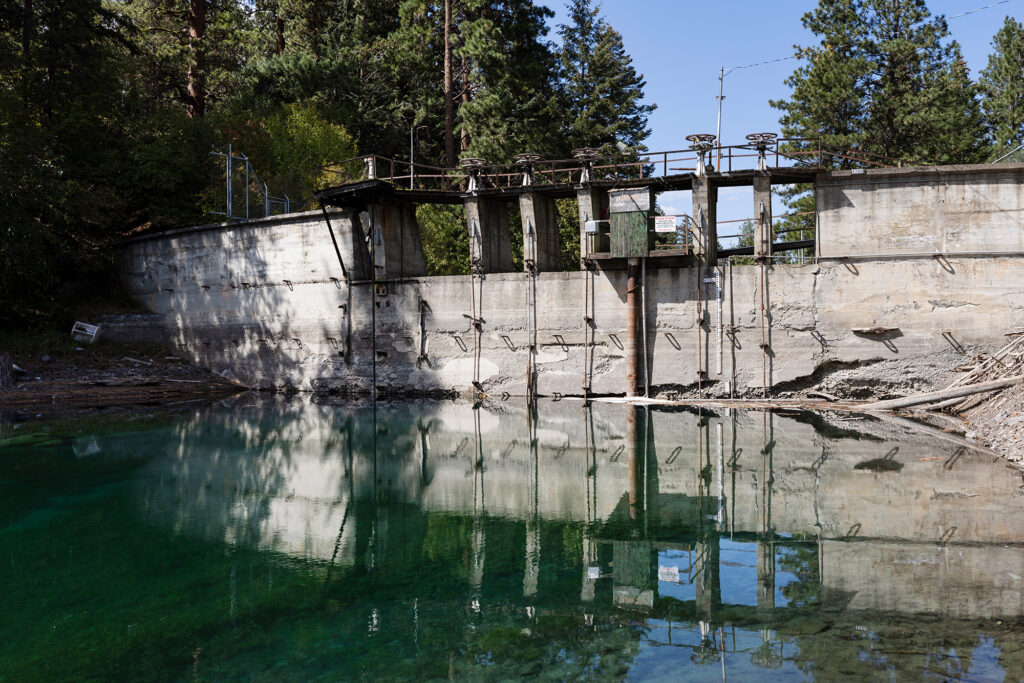
In Oregon, modifying or rebuilding a fish migration barrier, like a dam, triggers state requirements to provide fish passage for salmon, steelhead, lamprey and other native species. While it adds expense and engineering challenges to any project, the process is intended to repair past damage to watersheds and fish populations and provide a path towards restoration where fish have been disconnected from their historic habitat.
In 2026, WLID, CTUIR, NPT and the state of Oregon finalized a comprehensive plan that would upgrade the Wallowa Lake Dam to allow for full water storage capacity, better protect communities from potential flooding, modernize irrigation systems, and include a new fish ladder that would allow migratory fish to swim freely between Wallowa Lake and the Wallowa River for the first time in over a century.
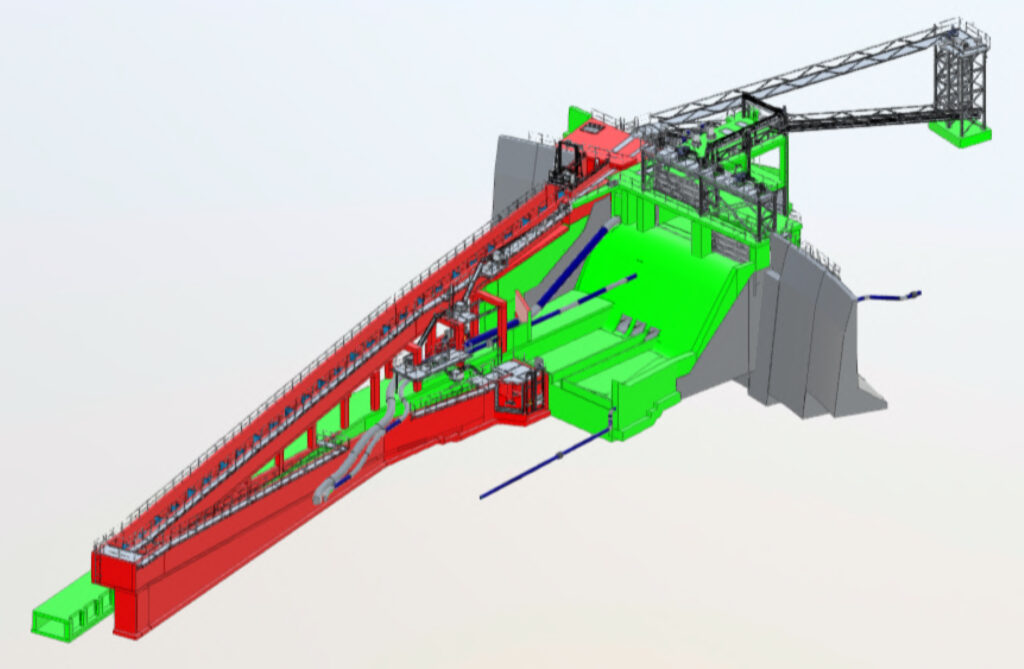
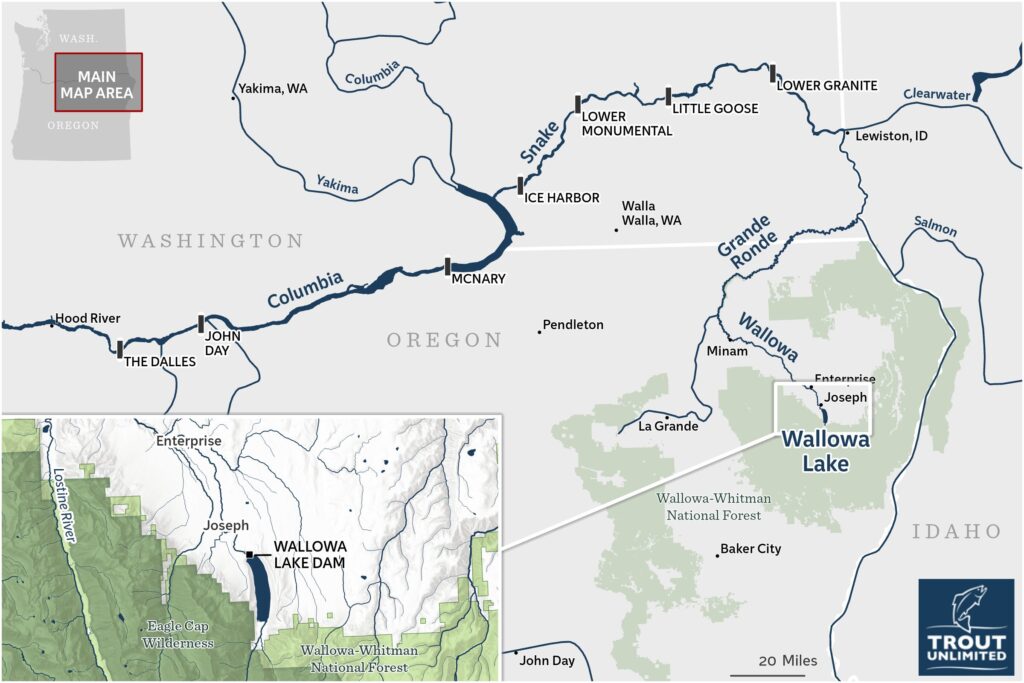
Fish passage reconnects Wallowa Lake to the larger Grande Ronde watershed, the Snake and Columbia rivers, and the Pacific Ocean. It makes the dream of restoring a self-sustaining population of sockeye salmon possible.
The plan builds on input from community members and a separate 2020 Memorandum of Understanding between WLID, CTUIR, NPT and the state of Oregon that will dedicate 5,000 acre-feet of stored water to be released annually for streamflow restoration below Wallowa Lake once the dam rehabilitation is complete and operations return to full storage.
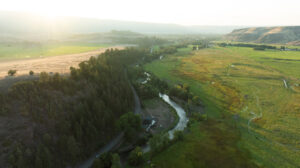
The Tribes and the state of Oregon, with input from NOAA Fisheries and U.S. Fish and Wildlife Services, will annually assess how best to utilize this water instream to support fish populations and restoration efforts in the Wallowa and Grande Ronde Rivers.
Understanding the importance of Wallowa Lake’s sockeye requires an understanding of the profound indigenous connection to the fish and place, and an understanding of the tragic chapter of American history that unfolded there.
The ancestors of Nez Perce Tribe and Confederated Tribes of the Umatilla Indian Reservation have been fishing, hunting and gathering first foods at Wallowa Lake and throughout the valley since time immemorial. Despite this, conflicts with settlers and the U.S. Army over lands and access to traditionally shared resources culminated in treaties, the establishment of reservations, subsequent conflicts, and the removal of the Tribes from their ancestral lands.
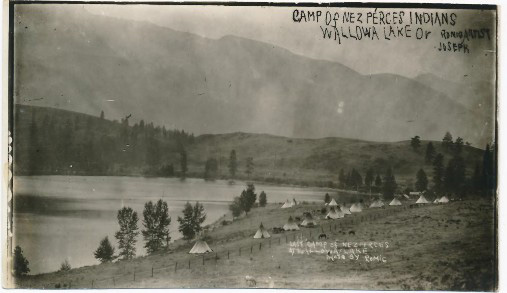
In signing the treaties, the NPT and CTUIR reserved the right to continue to hunt, fish and gather in their traditional places, though those legal obligations were frequently ignored by federal and state governments in the ensuing decades.
The Wallowa Band of Nez Perce was forcibly removed from the Valley during the 1877 Nez Perce War. During the war, Chief Joseph led a group of more than 800 men, women and children on a 1,170-mile campaign to seek asylum in Canada. They were eventually captured, and surrendered, in the Montana Territory. The government never allowed Chief Joseph to return to visit the Wallowa Valley. He died in exile in 1904 and is buried on the Colville Reservation.
His father, Old Chief Joseph, is buried at Wallowa Lake on ancestral grounds overlooking the dam and traditional tribal fishing grounds.
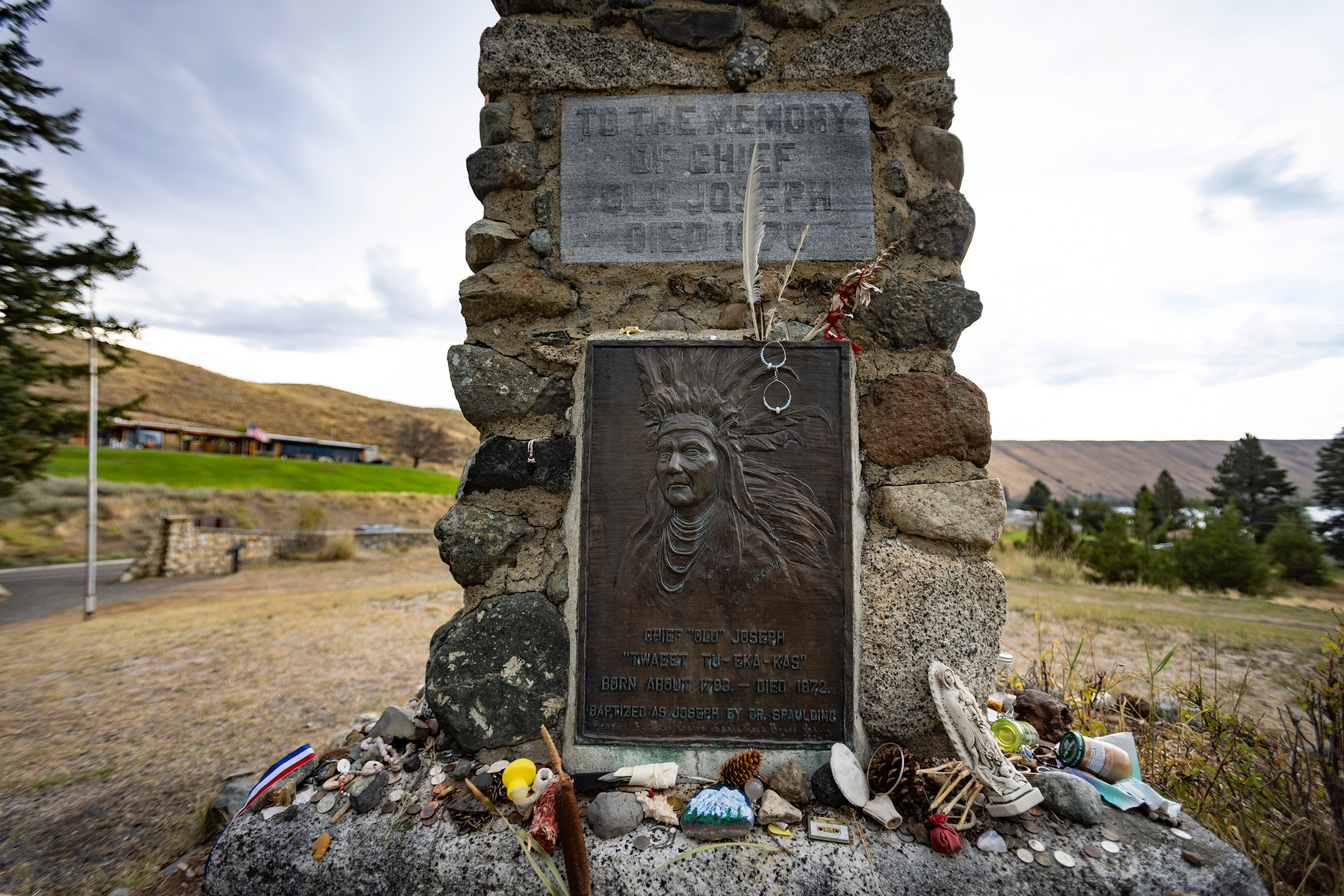
The loss of Wallowa Lake’s sockeye is only one piece of the larger human and ecological harm that occurred in the Wallowa Valley, but their return – and the return of the thriving fishery that once existed – is an opportunity to honor Indigenous sovereignty and cultures forever connected to the lake, salmon and surrounding landscape.
With a comprehensive plan in place for dam improvements and a new fish ladder, the partners are working to fully implement their vision of sockeye reintroduction and water security.
The project partners are working to secure necessary federal and state permits, and the remaining funding necessary to complete the project. Dam rehabilitation and construction of the new fish ladder is expected to begin in fall 2026. The work is expected to take two years.
In the meantime, the NPT is collaborating with Idaho Fish and Game (IDFG), Oregon Department of Fish & Wildlife (ODFW), NOAA Fisheries and other federal partners to raise sockeye salmon derived from Redfish Lake populations to seed the initial fish reintroduction efforts at Wallowa Lake.
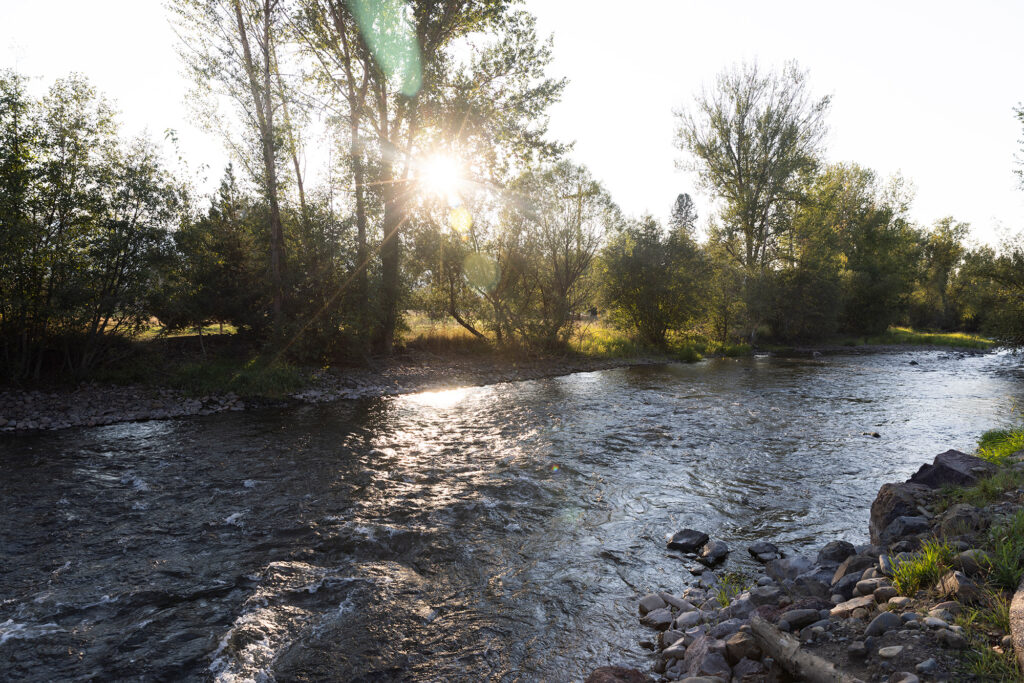
Like all contemporary fish reintroduction efforts, sockeye will return to a changed ecosystem. In the century since the Wallowa Lake Dam was built, non-native lake trout, kokanee salmon, and mysis shrimp have all established populations in Wallowa Lake. The fertile lake and clean, cold water supports robust populations of these introduced species, and even produced the world record kokanee, a smaller freshwater life history of the sockeye, in 2010.
Sockeye will need to re-establish their unique ecological niche in the lake to rebuild a self-sustaining population, but biologists studying other dam removal and fish reintroduction efforts are encouraged by the remarkable ability of salmon to take advantage of historical habitat when they are given a chance.
After years of planning, study, negotiations and fundraising, the physical work will soon be underway at the Wallowa Lake Dam.
Construction is expected to start in fall 2026. In the coming years, the dam structure will be strengthened and improved. The new fish ladder will be built, reconnecting the lake to larger Columbia-Snake Basin and the Pacific Ocean. Local communities and farms will gain secure supplies of water and durable infrastructure.
Soon, sockeye salmon will once again be spawning and growing in Wallowa Lake, an important step towards restoring fisheries and honoring the profound Tribal connection to the fish and place.
As the project moves forward, Oregon Governor Tina Kotek took a moment to praise the partners and celebrate what this moment means for Northeast Oregon’s communities and native fish:
Partners
Funders
Technical and Engineering
Comments