
-
Fly tying: Different kinds of hackle
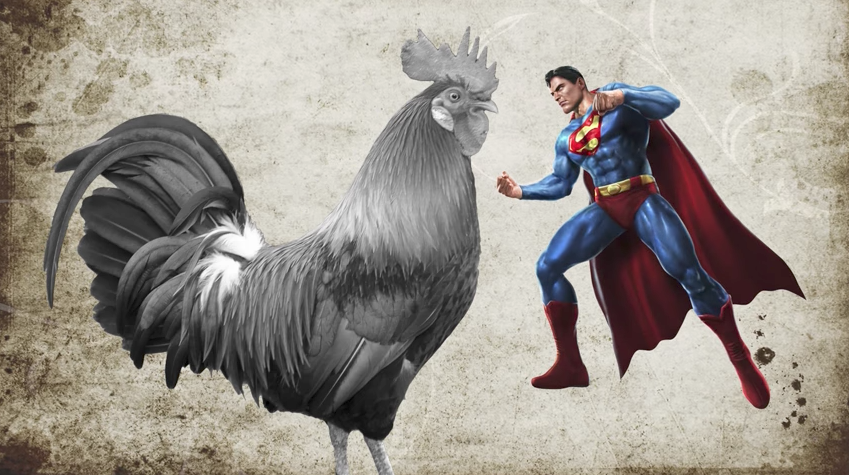
I've learned a lot about fly tying over the last few years, thanks to Tim Flagler's tying videos, and his "One-minute Fly Tying Tips and Techniques" videos he does through Orvis. The latter series is particularly helpful for beginning fly tiers who might need some help understanding certain aspects of the craft, like stacking hair,…
-
Fly tying: The Stonefly Creeper
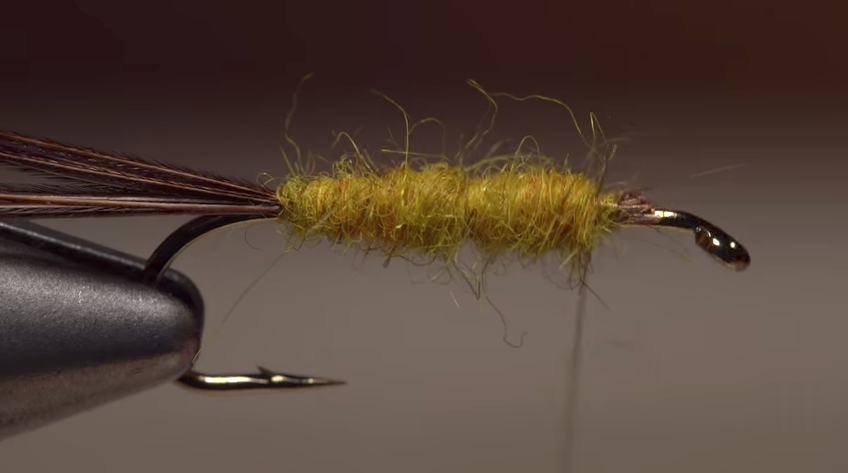
Who says fly fishers can't appreciate art just like anyone else? If you've ever watched a true fly-tying artist craft an Atlantic salmon fly at the vise, you know that really good tiers have a flare for the artistic. Tim Flagler is no different. Video of Stonefly CreeperAs you'll see above, the Stonefly Creeper is…
-
Fly tying: The Chernobyl Ant
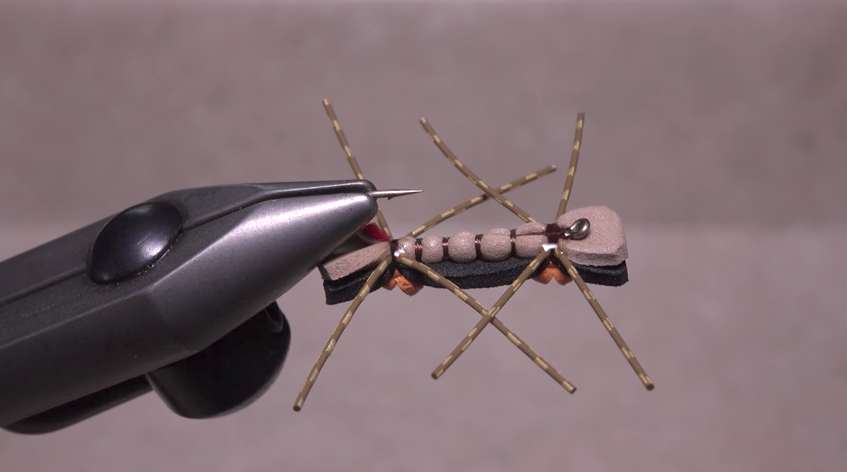
It's the best time of year for dry-fly fishers. It's "terrestrial season." Hoppers, beetles and ants are the flavor of the day, and high-floating foam imitations are among the best flies out there to chase top-water trout that are looking for big meals during this rare time of plenty. Video of Chernobyl AntHere, Tim Flagler…
-
Voices from the River: Confessions of fly tying junkie
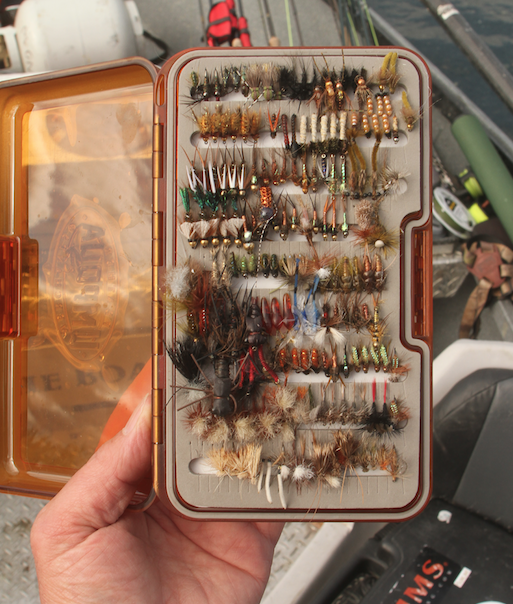
By Dave Atcheson It was one of those perfectly still, fog-draped mornings on Trout Lake, so tranquil its surface looked as though it might shatter if I put paddle to water. My buddy Jim and I, as we had so many mornings, angled the canoe toward a favorite weed bed and glid ed to a…
-
Fly tying: The Casual Dress
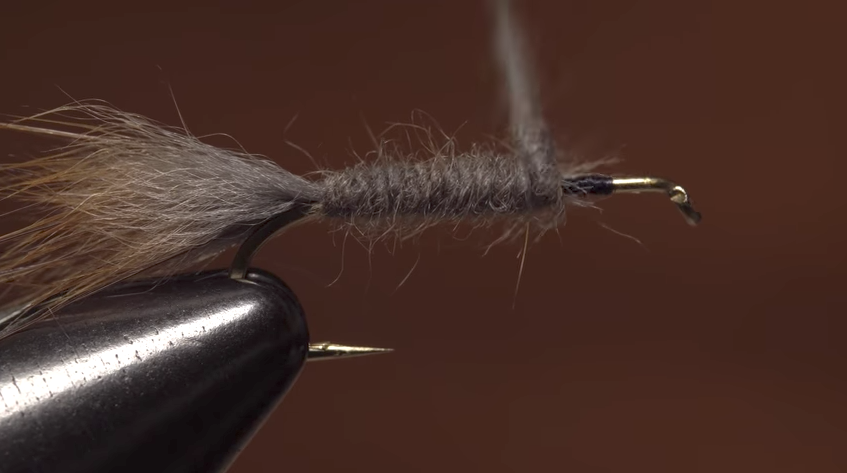
I love fly patterns that incorporate a bit of inventiveness, or include some new tricks that I never considered at the vise. Polly Rosbourough's Casual Dress is one of those patterns. Not only is a fairly simple endeavor to tie a few of these small streamers up, but the tying itself incorporates some nifty procedures…
-
Fly tying: Clipping, cleaning and stacking hair
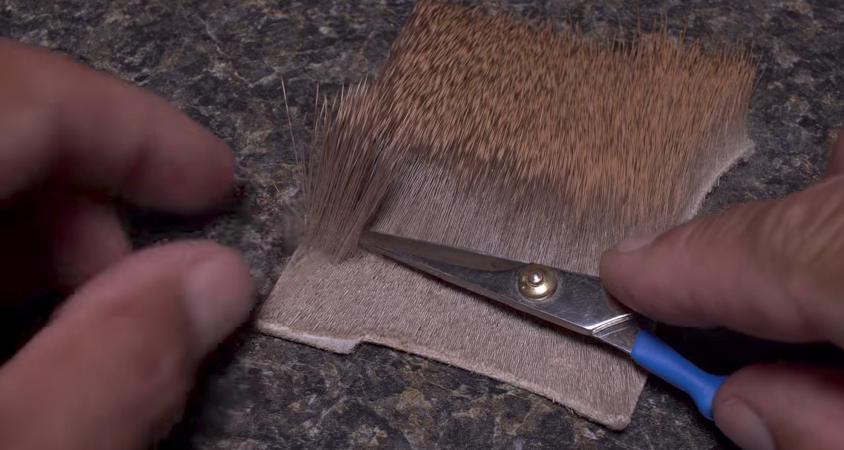
One of the toughest fly-tying skills for new tiers is using the hair-stacker that comes with the beginner tying kit to actually stack hair for flies like elk-hair caddis, stonefly patterns, Stimulators and the like. I know when I first tried it, I ended up with quite a mess—nothing like the instructional video promised. Video…
-
Fly tying: The Cream Variant
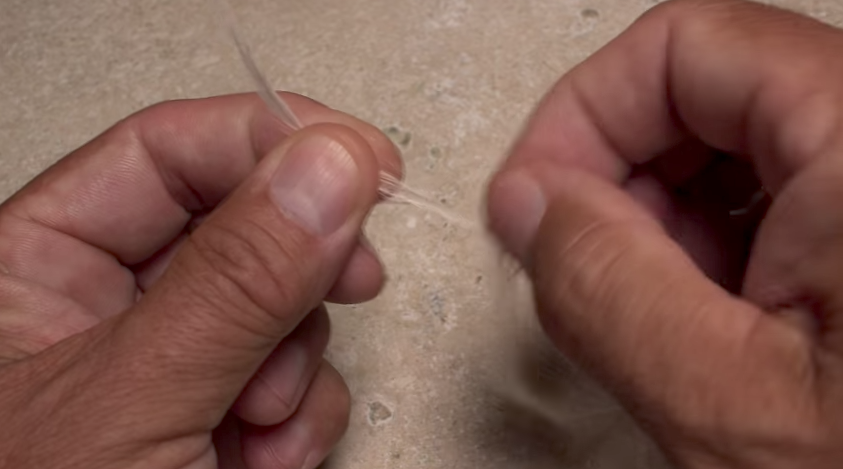
As Tim Flagler notes in the video below, the Cream Variant is "an oldie, but a goodie." Indeed, I remember seeing this pattern for the first time as a child—it is the epitome of delicate fly fishing, and I remember thinking that all flies used for fishing should be this beautiful. Video of Cream VariantAlso,…
Category