
On the one-year anniversary of its designation, Trout Unlimited celebrates the Sáttítla Highlands National Monument, and the fishing and hunting opportunities it provides.
I followed a faint trail through the lush grass of a meadow framed by pines and Douglas fir, level at first and then gently climbing a slope. In the hottest time of the year in this part of northern California, the meadow remained lush. Perfect graze for deer and elk, I thought.
Then I heard the music.
I stopped to listen, breathing deeply from the exertion at that altitude. There was no mistaking it. Moving water babbled nearby.
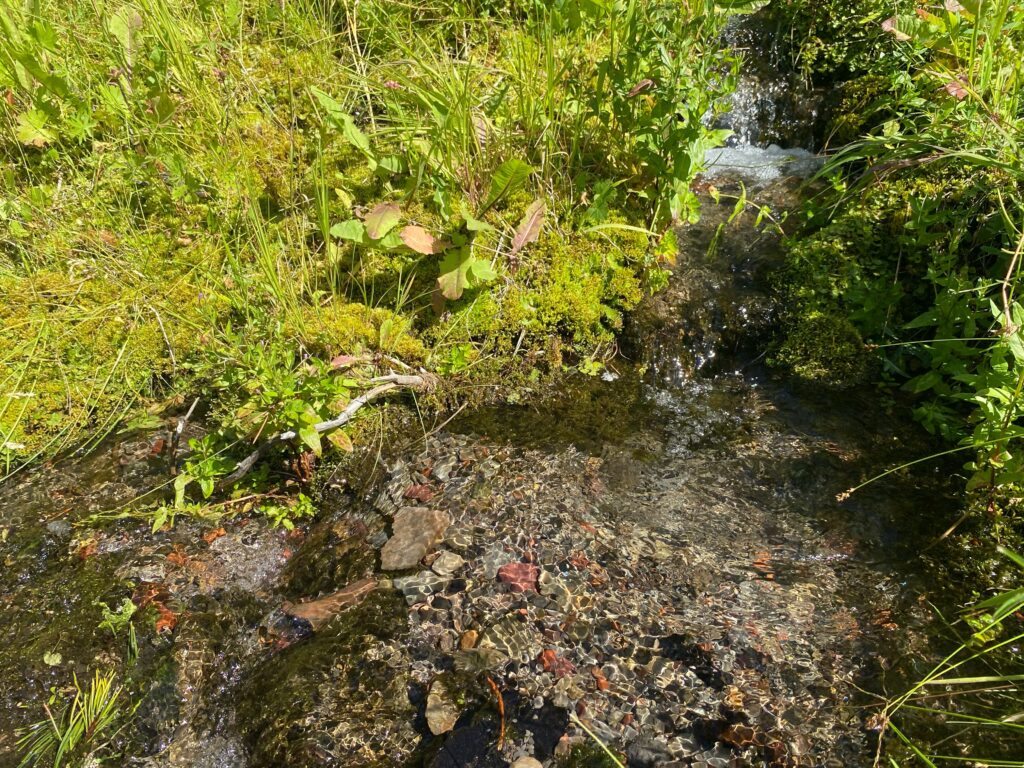
The trail climbed the slope at the edge of the meadow. A few steps later the grass and wildflowers parted, and I came to a tiny stream. I stepped over it and kept climbing, following the music. At the high point of the meadow, I moved into the trees. The slope eased off. And not far from me I saw what I came hoping to see: one of the many places in the Sáttítla Highlands where some of the cleanest water on Earth pulses from the ground.
Pristine water for trout
Two months previously my colleague Dan Johnson (aka Grizzly Dan) and I fished that water where it emerges from the ground in one of the largest spring-fed river systems in the West. Sixty miles or more from the rugged crown of the Sáttítla Highlands, this spring system becomes the Fall River – one of the best trout streams in California.
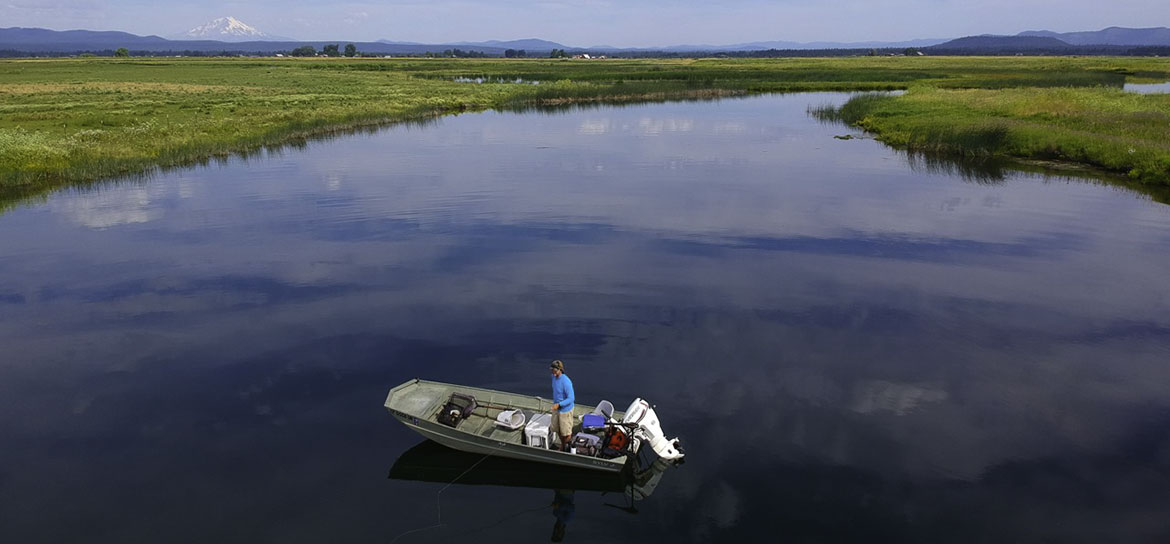
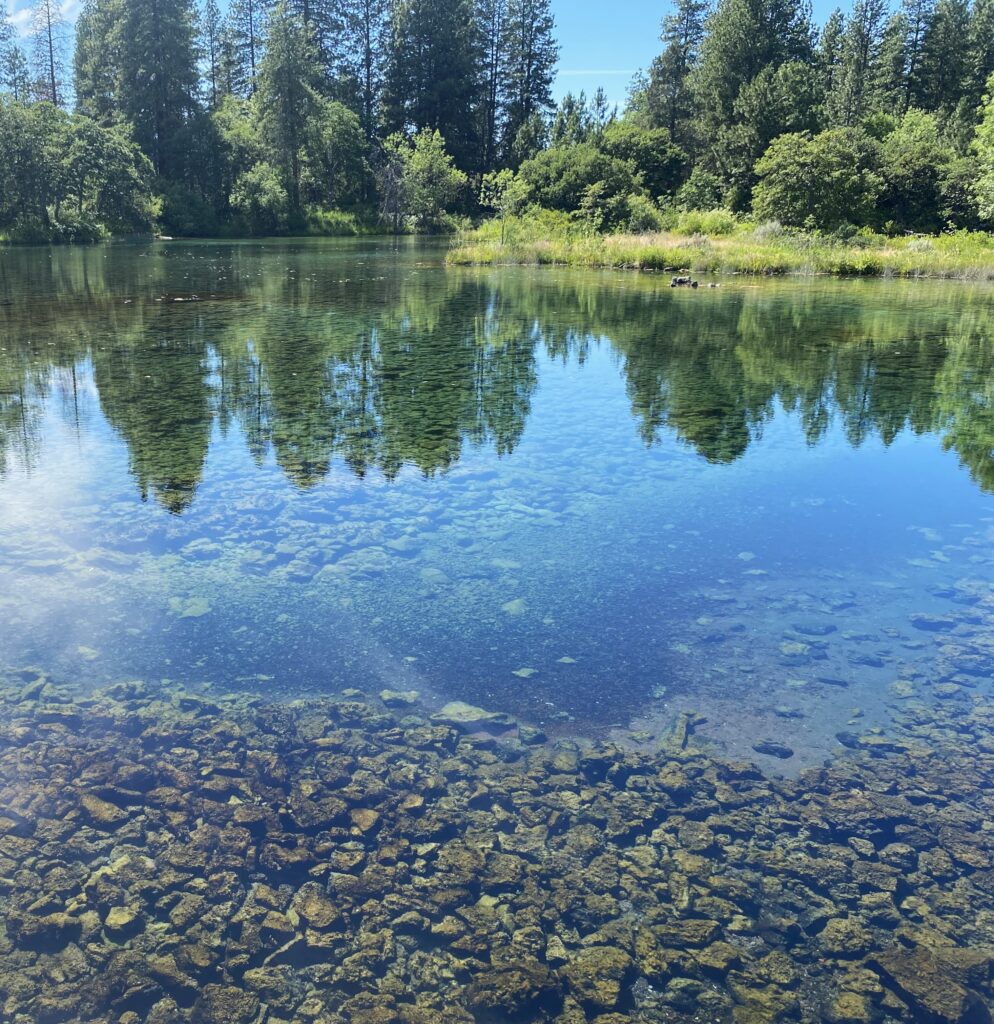
Like other famous spring creeks such as the Henry’s Fork, much of the Fall’s riverbed is covered in thick mats of weeds which move sinuously in the current. Looking down into its lucid waters is like seeing an M.C. Escher art piece come to life.
Especially when a shank-long torpedo emerges from those weeds and glides sideways to another furrow in the weeds, where it goes incognito in their ceaseless weave.
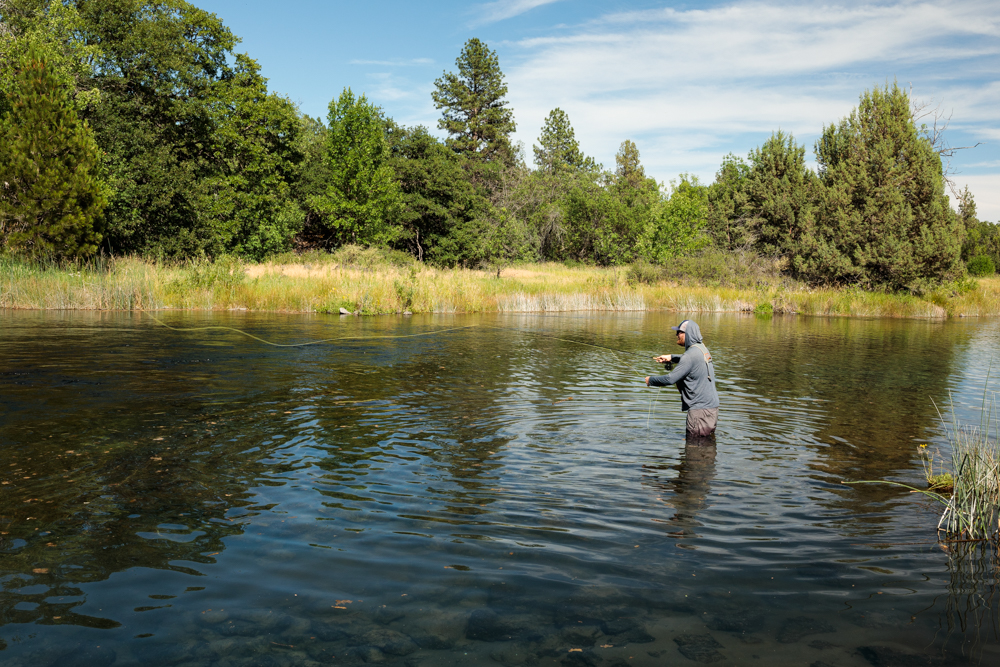
Looking into the Fall River is mesmerizing, and not just because its trout grow to steelhead size. For all the Fall River’s magic, you can thank the huge aquifer under the Sáttítla Highlands National Monument – its sole source.
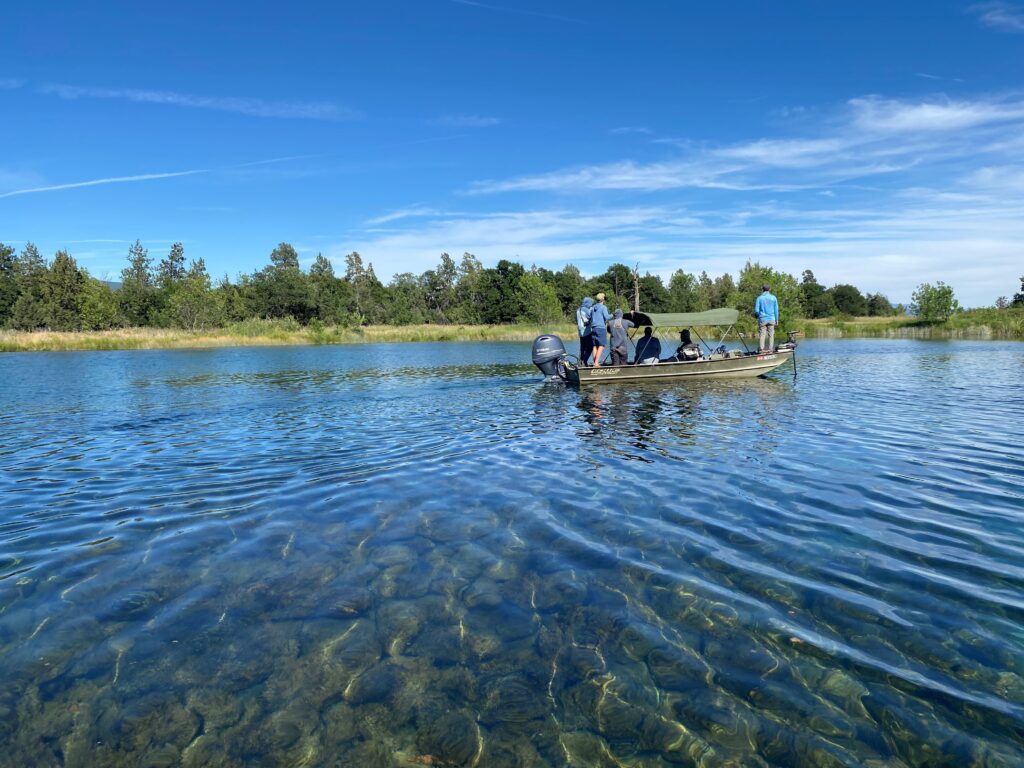
Grizzly Dan and I thanked it many times that June day, drifting and swinging a variety of flies to the Fall’s chunky trout from our guide’s pram. There is not a lot of wade-fishing on the Fall; it is typically fished from small boats. But that didn’t stop Grizzly Dan from making his acquaintance with the exceptionally cold, clear water.
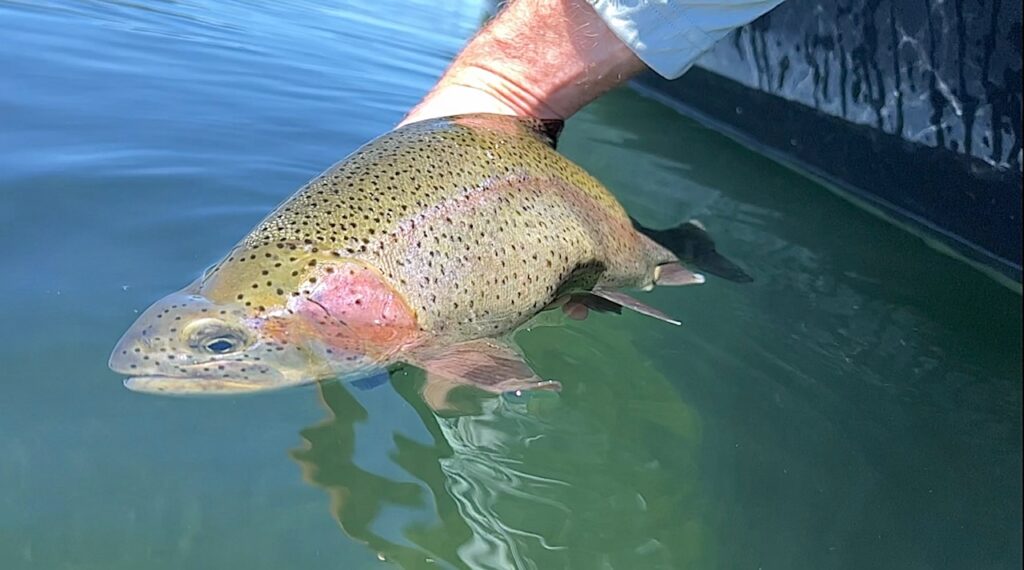
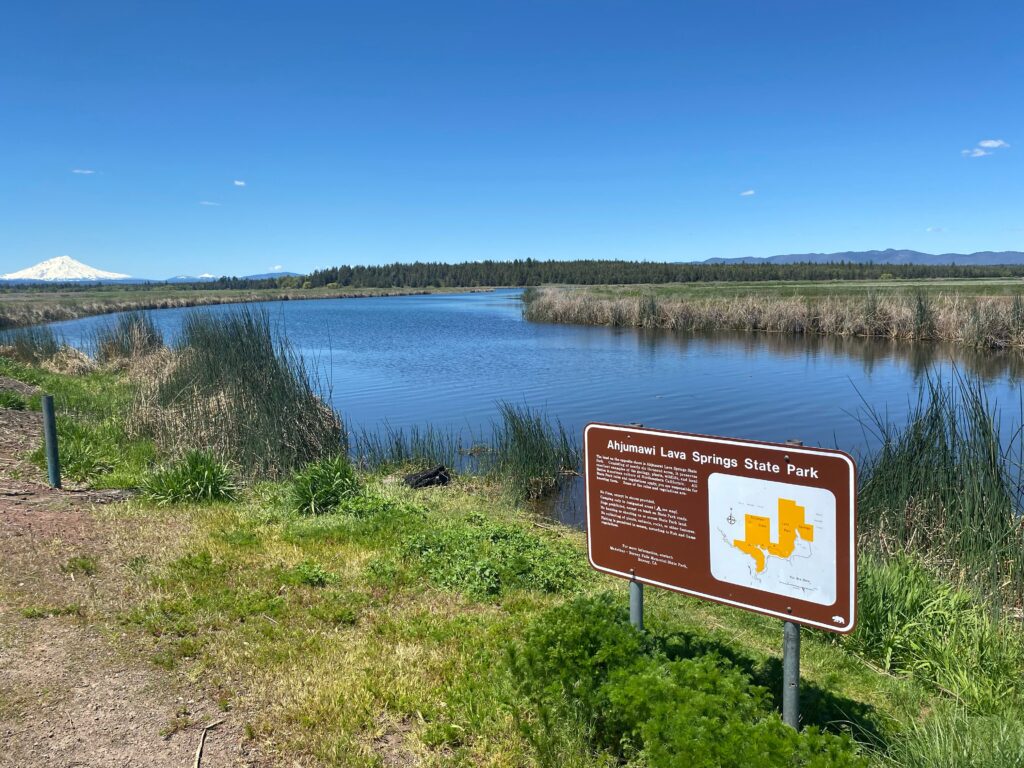
That afternoon, as we checked out the springs complex at Ahjumawi Lava Springs State Park – the place where most of the water collected and filtered by the Sáttítla Highlands to the north comes to the surface – Grizzly Dan plunged in on the downstream side of a neck between two of the giant springs, where the water flowed from one to the other at 200 cubic feet per second or more.
Grizzly Dan’s casting is a thing of beauty, and he has landed fine trout in many legendary waters. But he got no love from the Fall’s unique strain of native rainbow trout in that spot, and eventually he simply stopped casting and stood motionless, lost in reverie, waist deep in water so lovely it makes your heart ache.
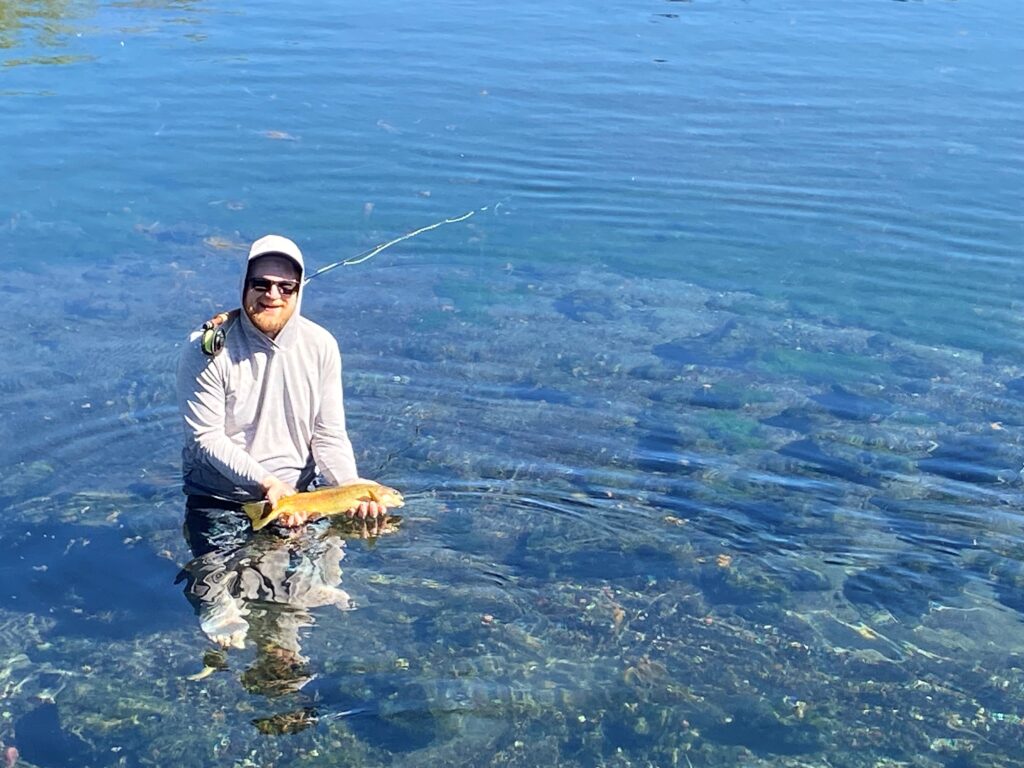
Water for more than just the Fall River
Famous fishing waters, including the Fall, McCloud and Pit rivers, radiate from the perimeter of the Sáttítla Highlands like spokes from a wheel hub. Ironically, the Highlands have very little surface water. Instead, this porous landscape absorbs and filters significant amounts of precipitation and collects it into a vast aquifer, which some studies suggest contains as much water as California’s 200 largest surface reservoirs combined.
This water is so cold and clean that you can drink it straight from the immense system of springs where much of it emerges from the ground at the head of the Fall River Valley.
This spring system is the sole source of the Fall River.
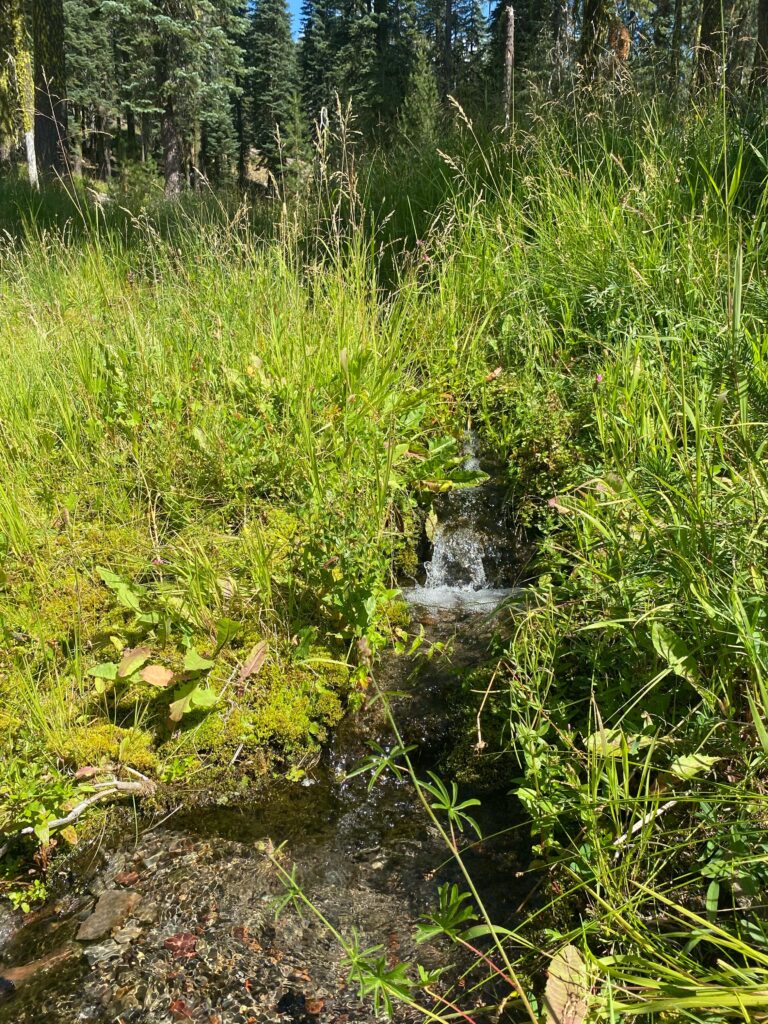
Thanks to its unique hydrology and water quality, the Fall River and spring system is incredibly fecund. Its waters, gelid even on the hottest days, consistently unleash dense hatches of mayflies, caddies and midges. The Fall’s native rainbows have taken advantage of this extraordinary habitat to evolve two different life histories – one sub-population spawns in spring, like other O. mykiss, and the other spawns in the fall, in the uppermost reaches of the river.
Even in periods of prolonged drought, the springs deliver an impressive volume of water to the Fall, and to the Pit and Sacramento rivers downstream. Legendary trout streams, all.
Advocating for protection
The Sáttítla Highlands, an area of public lands spanning parts of three national forests not far from Mt. Shasta in northern California, are the remnants of a geologic formation called a shield volcano – the largest in North America. They are the homeland of the Pit River Tribe, which has been fighting for decades to protect this region from development.
Over the past two years, Trout Unlimited worked closely with the Pit River Tribe and conservation partners to support permanent protection for this extraordinary complex of public lands and its unique natural, aquatic, cultural and sporting values. On January 14, one year ago, our efforts were rewarded when the Sáttítla Highlands were designated a national monument.
Fishing and hunting groups, including Trout Unlimited, Backcountry Hunters & Anglers , the National Wildlife Federation and the Federation of Fly Fishers, celebrated. After all, there is no sporting opportunity without productive habitat.
We must better protect the best of what’s left – especially on public lands, where – unlike private property – access is free or low-fee and no special permission is required (other than purchase of the proper license and tags).
Some folks in the hook-and-bullet community seem skeptical of rules or designations that conserve habitat, claiming that protecting an area of public lands and waters such as the Sáttítla Highlands will mean a loss of access.
But that’s just not the case.
Take national monuments. Fishing and hunting are allowed in all national monuments managed by the U.S. Forest Service or Bureau of Land Management , where these activities are established uses prior to designation. State fish and wildlife agencies continue to manage populations and sporting opportunities. And pre-existing roads and trails designated for public use remain open for motorized travel in national monuments.
Trout Unlimited supports national monument designation for deserving landscapes, whether by presidential use of the Antiquities Act or through legislation, that conserves fish and wildlife habitat and provides reasonable access for hunting, fishing and wildlife management. That’s why Trout Unlimited has supported national monument designation for places like the Sáttítla Highlands. Like Browns Canyon National Monument in Colorado, which protects some of the best fishing on the Arkansas River. Like the Rio Grande del Norte National Monument in New Mexico, which protects prime trout habitat and fishing opportunity on the Rio Grande and Red Rivers. Like the Baaj Nwaajo l’tah Kukveni – Ancestral Footprints of the Grand Canyon National Monument in Arizona, which protects the extraordinary trout fishery of Lee’s Ferry on the Colorado River, as well as hundreds of thousands of acres of good habitat for deer and elk, from the impacts of uranium mining.
Beyond the pristine waters
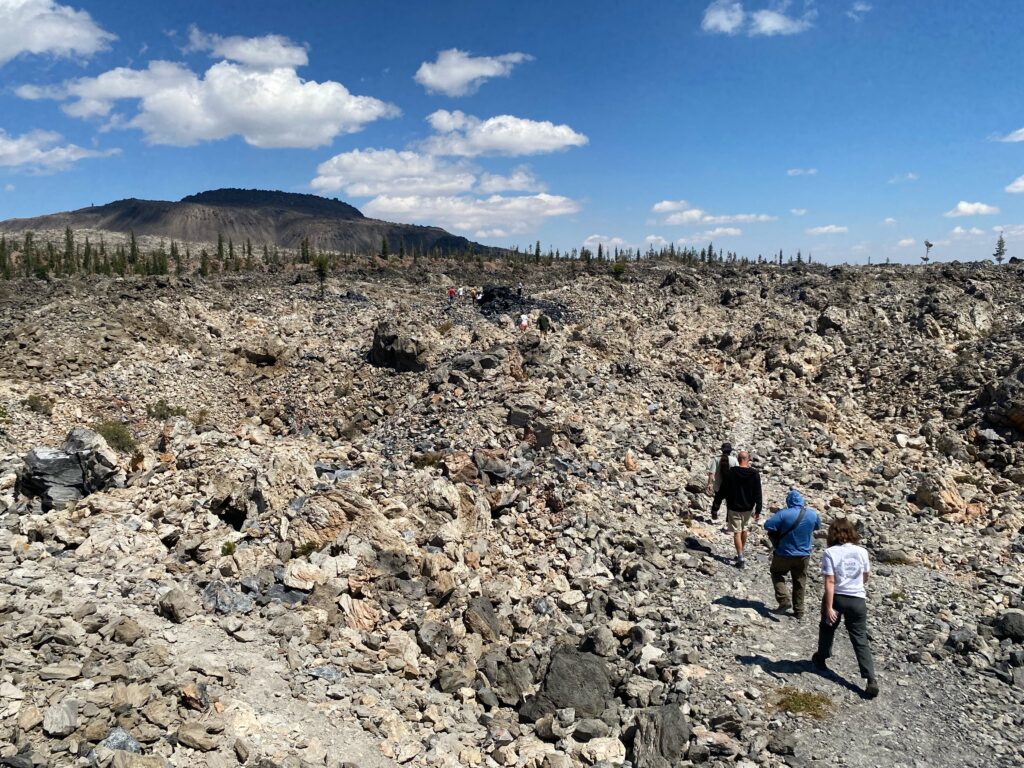
Later that August day when I followed the music of spring water, our little tour had close encounters with some of the other unusual qualities that make the Sáttítla Highlands worthy of national monument designation. The moonscape of the Glass Mountain area, for example, where acres and acres of the largest vein of obsidian imaginable are exposed, contorted into thrones and gargoyles of glistening black rock so razor-edged you have to be careful, should you try to run your hand over some of its facets, that you don’t slice a fingertip.
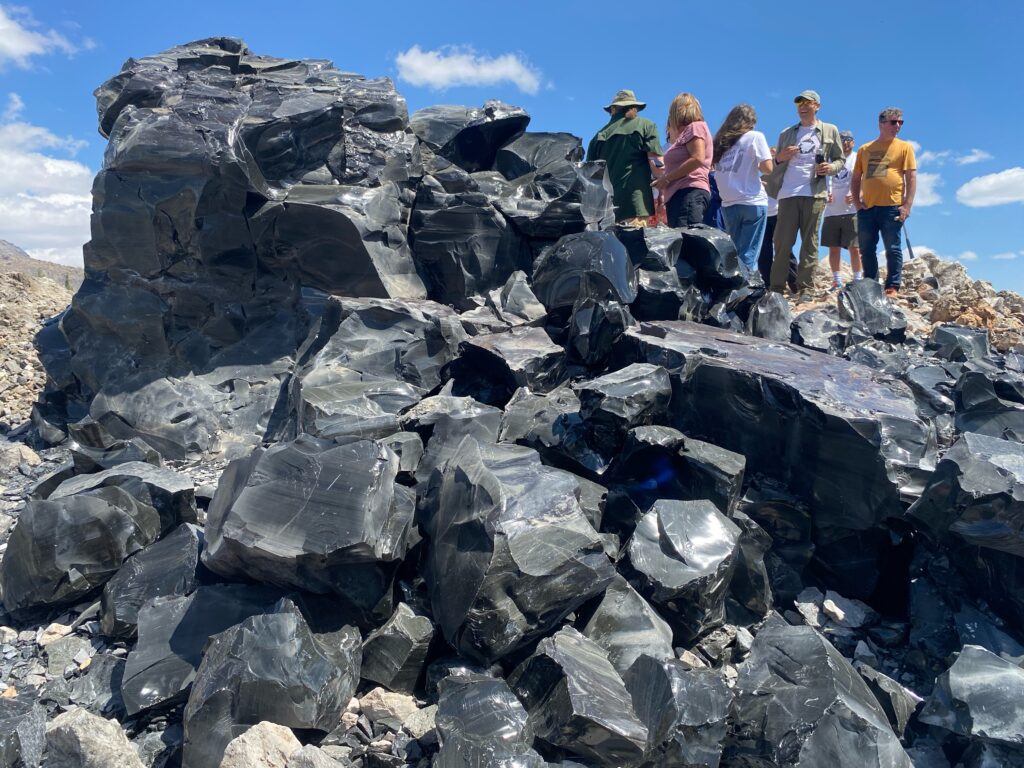
We finished our tour at Medicine Lake, one of the very few surface water bodies in the Sáttítla Highlands, spring-fed and a holy place of ceremony and healing for the Pit River Tribe. Medicine Lake is stocked with rainbow and brown trout by the California Department of Fish and Wildlife. You can fish it from shore, or by boat or kayak.
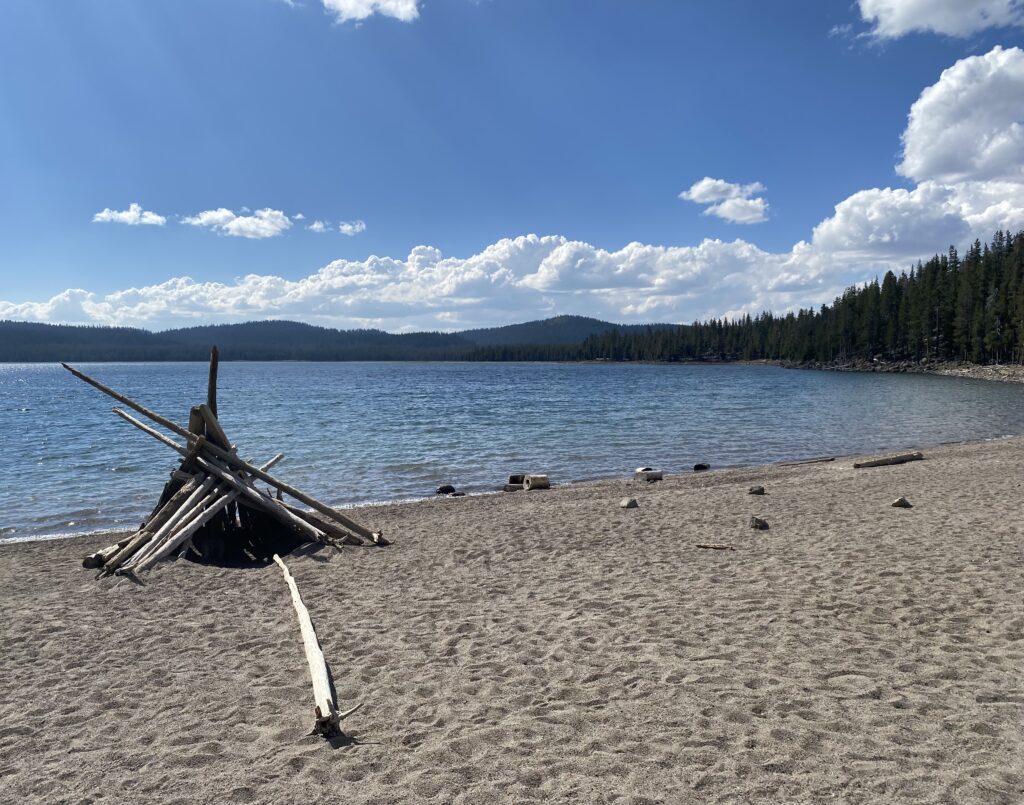
I didn’t throw a line, though. Instead, I waded barefoot for as long as I could feel my toes and thought about how rare and fine a thing it is for the purest of waters to surge from the ground in a region that had once been an enormous, active volcano. And I relished in the good hard work so many had done to make sure such a special place stays that way.