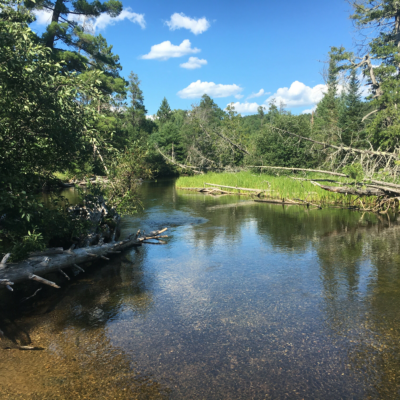
Since it was conceived in 2004, TUDARE has worked to ramp up restoration work across the unglaciated, or “Driftless” area of the upper Mississippi River Basin. This 24,000-square-mile area lies in southeastern Minnesota, northeast Iowa, northwest Illinois and western and southwestern Wisconsin. It offers over 6,000 miles of cold spring creeks in 600 watersheds, one…
We are in the midst of a once-in-a-generation build-out of major interstate pipelines to move natural gas from the Marcellus shale region to markets, other transmission lines, and export terminals on the East Coast. If not properly managed, this construction boom could have major impacts on the streams and forests of the Delaware River Basin…
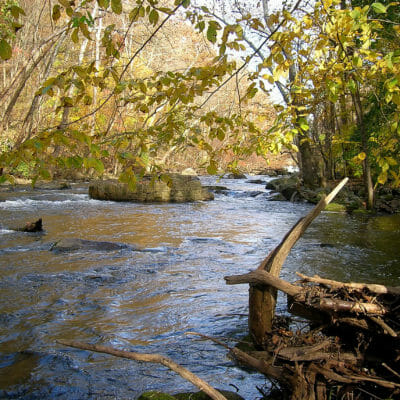
Virginia’s Shenandoah Valley is the stuff of postcards — majestic mountains, tiny meandering streams and breathtaking vistas. Home to the George Washington National Forest and Shenandoah National Park, the Shenandoah Valley is a destination for hunters and anglers around the country. Here, TU is working to restore streams to their former glory. By reintroducing native…
Perhaps no place in Montana illustrates a more striking juxtaposition between an iconic fishery nestled within an over-exploited landscape than the Clark Fork watershed. The Clark Fork is one of the state’s most popular angling destinations; by the time it flows out of Montana, it has become the state’s largest river. Native westslope cutthroat and…
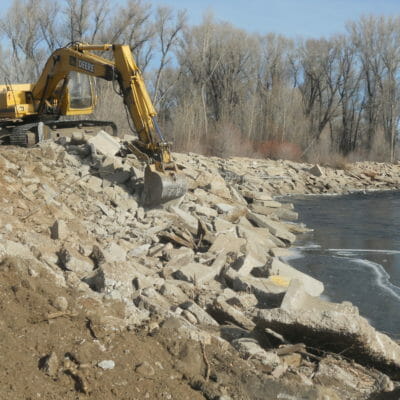
Goals In 2013 TU partnered with a landowner to remove a 500-foot section of concrete rip-rap on a popular recreational stretch of the Gunnison River. The armored bank was causing channel incision, and depositing sediment in undesirable locations downstream. Lack of vegetative cover and in-channel refuge increased trout susceptibility to low flows and increased water…
The Upper Delaware Watershed is home to many of New Jersey’s best trout fishing waters, including the Musconetcong River. Here TU has removed barriers to aquatic organism passage and strategically restored over 6 miles of habitat in degraded areas to increase available habitat, food, and water quality for trout, especially native brook trout. The success…
Goals The Great Lakes are threatened by invasive species, pollution, and emerging commercial aquaculture proposals, creating a need for state and federal policies that protect the Great Lakes and sustained public funding for Great Lakes restoration efforts. Adding to the challenge, political shifts at state and federal levels have made it more difficult to uphold…