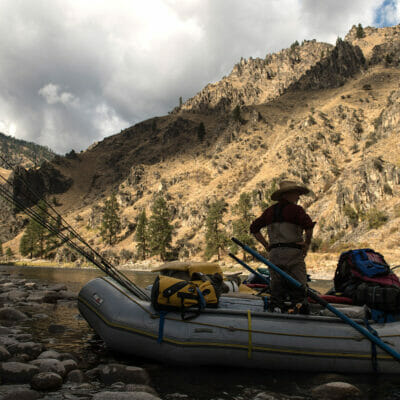
Each year some of the biggest and most coveted river trips throughout the western United States are permitted via a traditional lottery control system. Think of it a lot like drawing that one-of-a-kind deer or elk unit in most places. You ask for your dates and if you’re lucky enough you will, most likely, have a lot of happy friends and family.
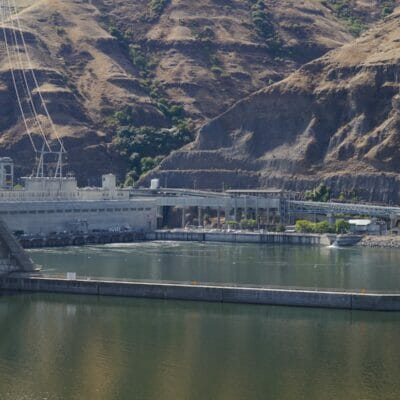
The fact is that since the construction of the dams, we have never been able to get enough adults to the Snake River’s high-quality spawning waters to keep these fish off an extinction trajectory.
by Nick Halle | September 8, 2021 | TU Business
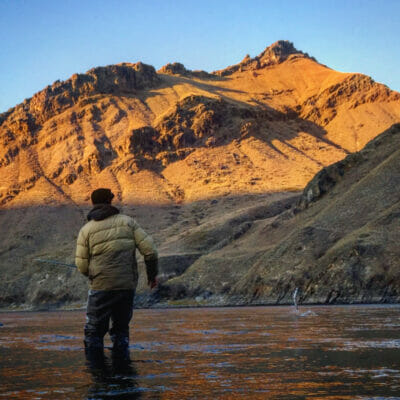
“Removing the Lower Snake River dams is a move to make sure that steelhead and salmon can reach their native waters and continue to inspire generations to come. They are simply too important not to remove a giant thorn in their side.”
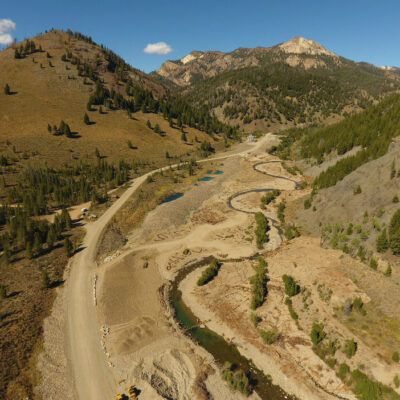
The Yankee Fork historically supported robust populations of salmon, steelhead and trout, but mining – and the intensive timber harvest that accompanied it – reduced what once was a complex, meandering river into a virtual flume.
We are a small law firm dedicated to providing our clients with the highest quality legal representation.
Kris spent a decade in TV news before starting Tight Line Media in 2006. With a quarter century of multimedia storytelling, she’s forever in search of dynamic topics. She researches the issues thoroughly, then translates the core elements via video, photo and words with the credibility that comes from experience. That credibility comes through in her series Ocean to Idaho in which she follows the 850-mile migration of salmon from the Oregon coast to the headwaters of the Snake River in Idaho.
by Walt Gasson | June 24, 2021 | TU Business
“The headwaters of the Snake are our home waters,” said Dawkins. “We care passionately about this river from its high country beginnings all the way to the Pacific Ocean. The loss of salmon and steelhead runs in this iconic American river would be a tragedy for us all.”