

On January 7, Secretary of the Interior Doug Burgum signed Secretarial Order 3447, which reaffirms hunting and fishing access on public lands. This order underscores what hunters and anglers know firsthand: public lands are essential to support and sustain our hunting and fishing traditions.
The fact is that millions of hunters and anglers across the country rely on public lands for access to quality hunting and fishing. That is what makes other efforts in Congress to remove public lands from public hands so concerning to hunters and anglers. We thank Secretary Burgum for taking steps to maximize sporting opportunities on public lands managed by the Department of the Interior and welcome the opportunity to work with him to expand fishing and hunting to additional acres.
Two cheers for additional public lands
While the order applies to all federal lands managed by the Interior Department – including Bureau of Land Management, Bureau of Reclamation, National Park Service and U.S. Fish and Wildlife Service (FWS) – it is likely wildlife refuges will see the largest increase in opportunities for sportsmen and women.
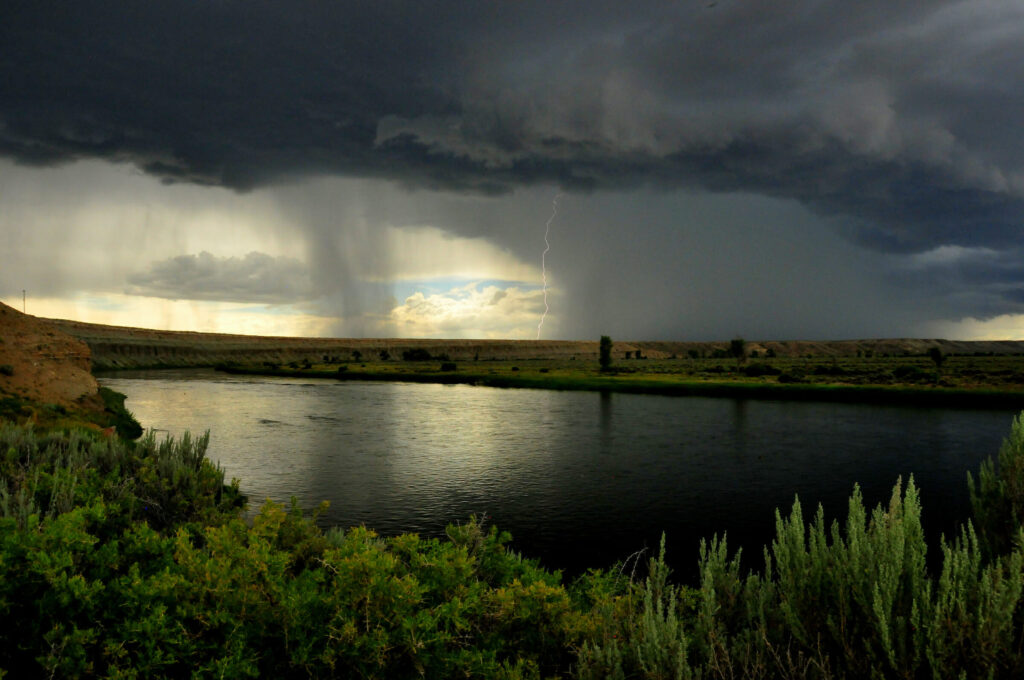
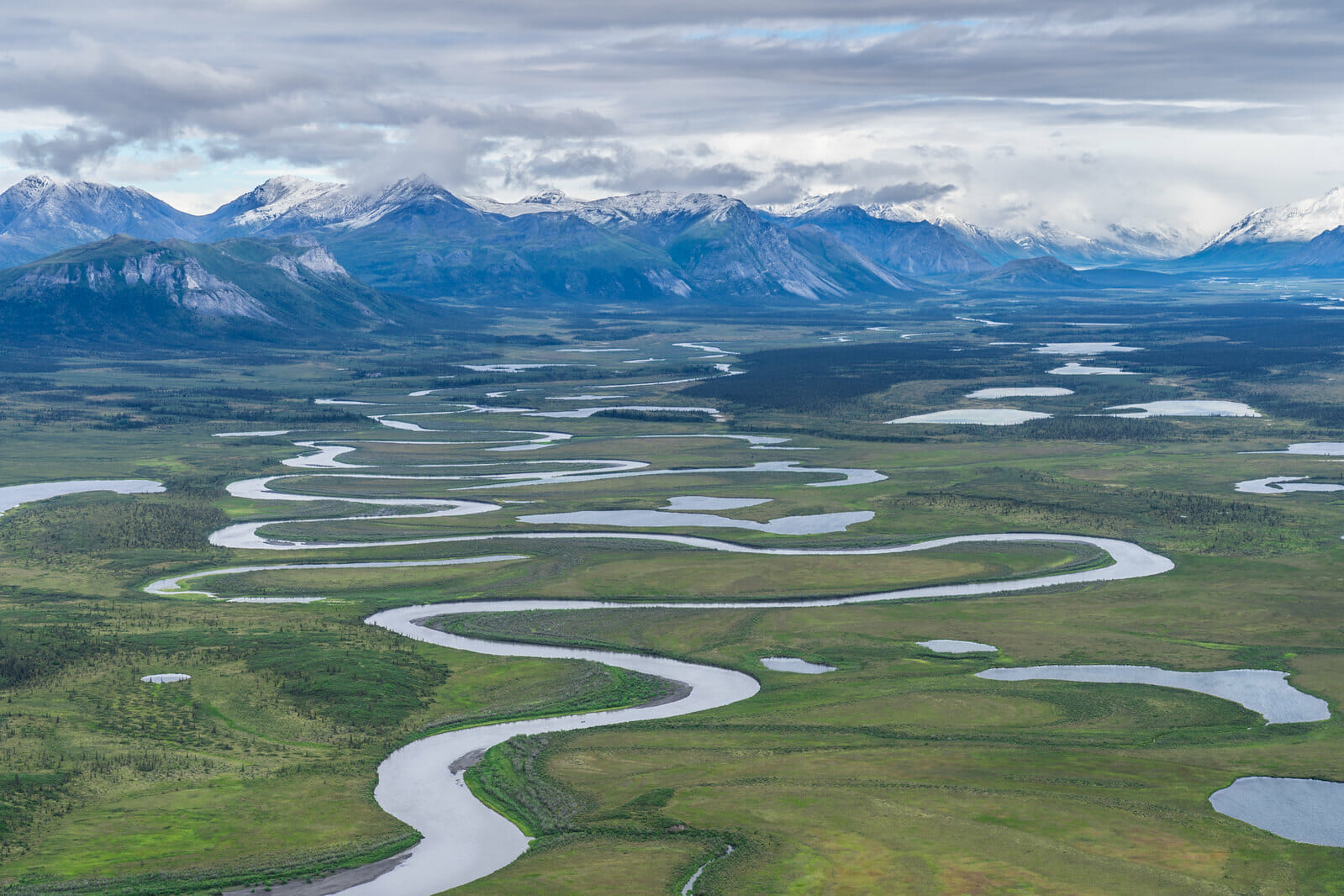
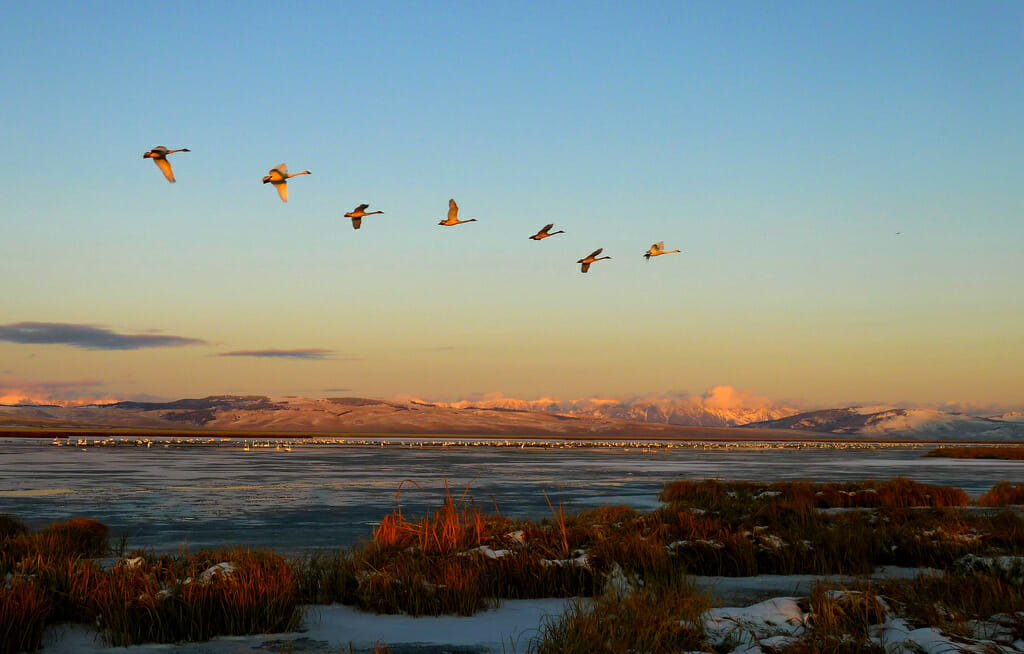
National Wildlife Refuge lands are the only public lands managed specifically for fish and wildlife conservation. There are more than 560 National Wildlife Refuges and over 36,000 Waterfowl Production Areas managed by the FWS in all fifty states and more than 29,000 conservation easements. In total, the FWS manages over 150 million acres of public land in the National Wildlife Refuge System, ranging from the vast, 19.3-million-acre Arctic National Wildlife Refuge in Alaska, to the .1 acre Ward County Waterfowl Production Area in North Dakota.
The Secretary is correct in noting the importance of public lands to hunters and anglers. We intuitively understand the connection between healthy habitats and clean water and better hunting and angling.
While it may seem peculiar that hunting and fishing are allowed on National Wildlife Refuges — they are refuges after all — hunters and anglers were the first, and in many cases remain the most ardent of conservationists. With the passage of the Wildlife Refuge Improvement Act in 1997, Congress recognized wildlife-dependent recreational uses – which includes hunting and fishing – as uses that receive priority consideration in refuge planning and management.
As part of the new directive, compatibility determinations will continue to ensure that expanded access and hunting and fishing opportunities are consistent with refuge purposes, while also taking into consideration public safety or resource protection.
With adequate funding and staffing to ensure proper management of the Refuge System, the FWS will be able to improve habitat, address the deferred maintenance backlog, meet the needs of local communities and continue to provide refuge visitors with quality – and increased – hunting and fishing experiences. That will allow organizations such as Trout Unlimited to continue to train the next generation of hunters and anglers to become advocates for the lands and waters that sustain our great nation.
Learn more about National Wildlife Refuges and the U.S. Fish and Wildlife Service.