



On June 8th, 1906, President Theodore Roosevelt signed the Antiquities Act into law, creating one of the most effective conservation tools in American history.
The Act authorizes the President of the United States to designate national monuments on federal lands that contain historic landmarks, historic and prehistoric structures or other objects of historic, cultural or scientific interest.
Since its creation, a total of eighteen Presidents—nine Republicans and nine Democrats—have used the Act to set aside national treasures as monuments for the American people to enjoy. These monuments include Sáttítla Highlands National Monument in northern California and Baaj Nwaajo l’tah Kukveni – Ancestral Footprints of the Grand Canyon National Monument in Arizona.
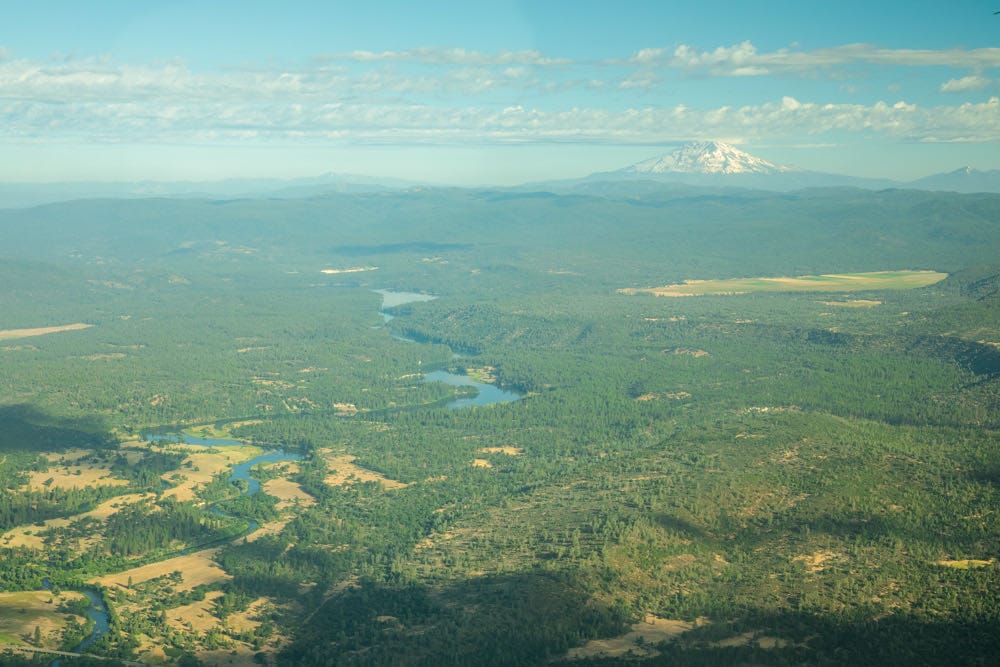
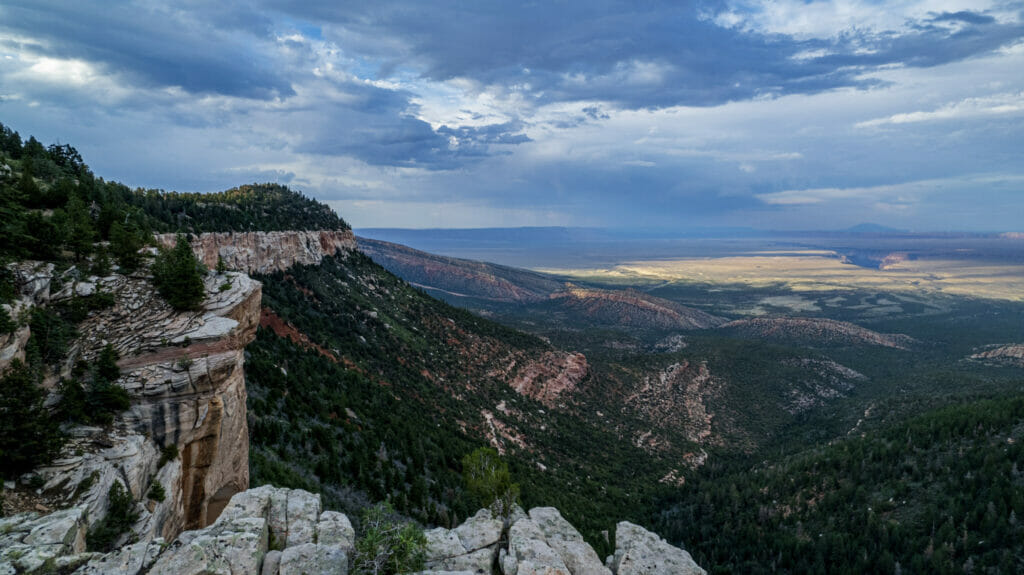
National monuments like Sáttítla Highlands and Ancestral Footprints of the Grand Canyon provide high-quality fish and wildlife habitat and, with it, some of the best opportunities for hunters and anglers to pursue big game, chase birds and catch wild trout. All but one of the complexes of springs, streams and lakes that feed into California’s famed Fall River trout fishery get their water from the underground storage provided by Sáttítla. The area is also part of the X-1 deer hunting zone in California, prized by hunters for its mule deer. In Arizona, the monument contains over 156,000 acres of winter range habitat and 352,000 acres of migration corridors for trophy elk and mule deer, along with prime habitat for upland bird hunting and coldwater streams that support trout.
When the public lands where we go to fish and hunt are left vulnerable to large-scale development or other threats, the Antiquities Act allows the president to permanently protect them.
When combined with extensive public input, this tool gives us the opportunity to conserve high-quality fish and wildlife habitat, allow existing land uses to continue and ensure current and future generations can enjoy all that these wild places have to offer.