
-
Sprague River – Restoring water and habitat in the Klamath headwaters
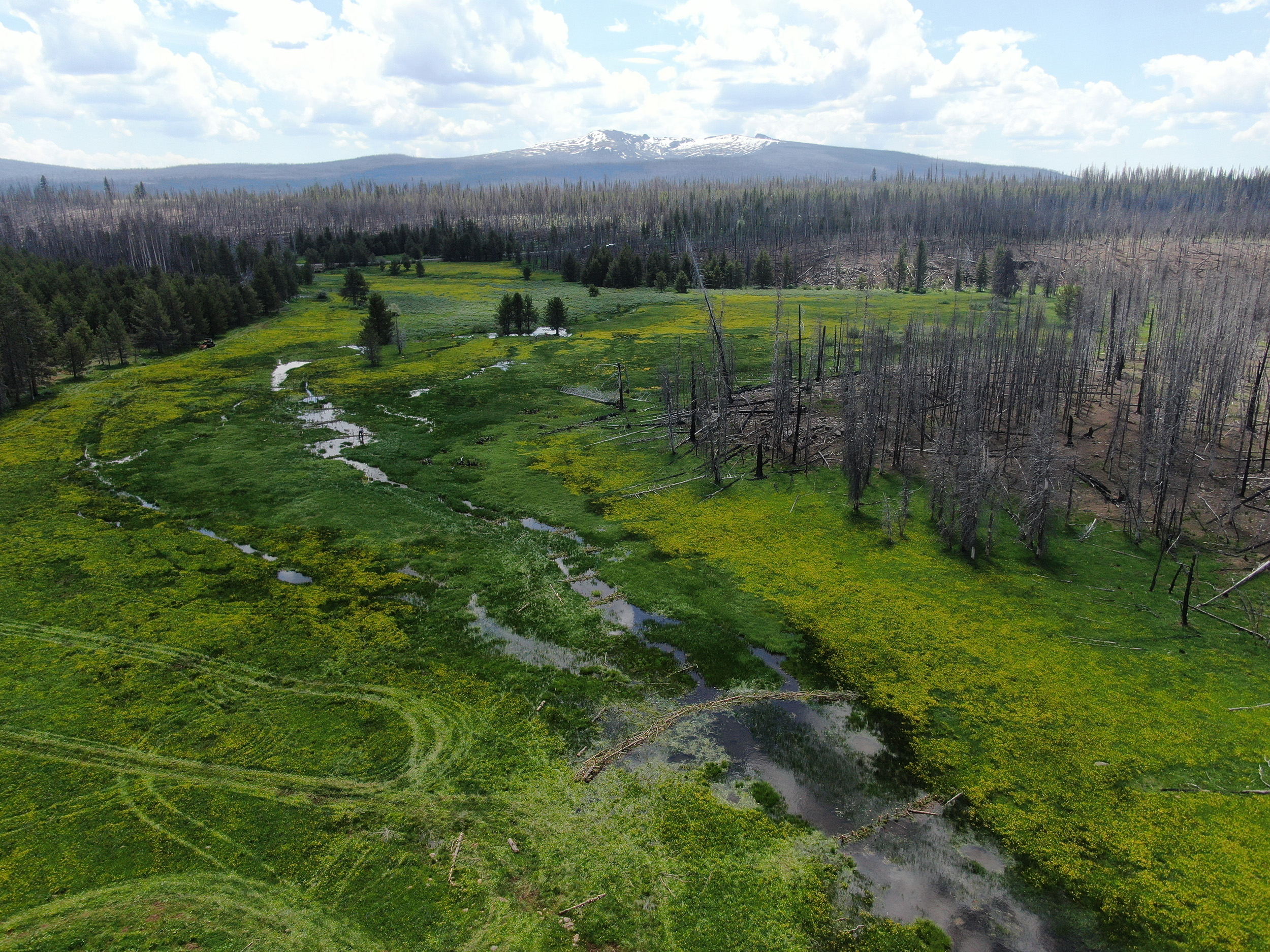
After over two decades of advocacy, negotiation and engineering, the four dams blocking the Klamath River came down over the course of 2023 – 2024. With the final barrier breached in September 2024, within weeks Chinook salmon were found in tributaries above the former dam sites. Since then, the fish have astounded biologists by quickly…
-
Reconnecting the Moose for brookies
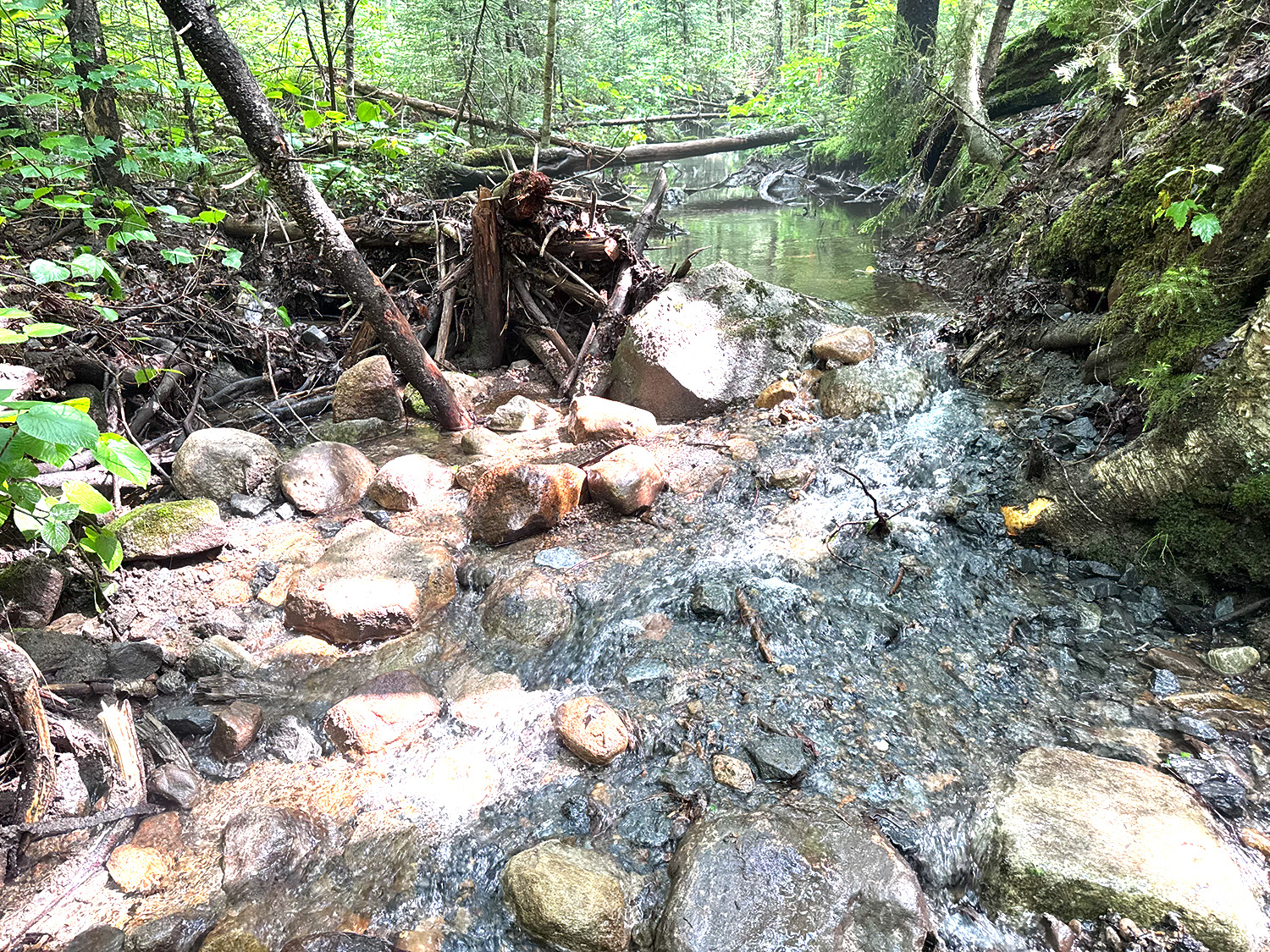
Oscar Wilde’s famous quote “No great deed goes unpunished” might be a bit more cynical of a philosophy than we like to believe here at Trout Unlimited. In fact, when replacing old culverts and removing barriers to fish passage, we’re far more likely to be blessed than cursed for the work. We smile brightly at the sight of a…
-
Restoring Fish Passage on Prince of Wales Island
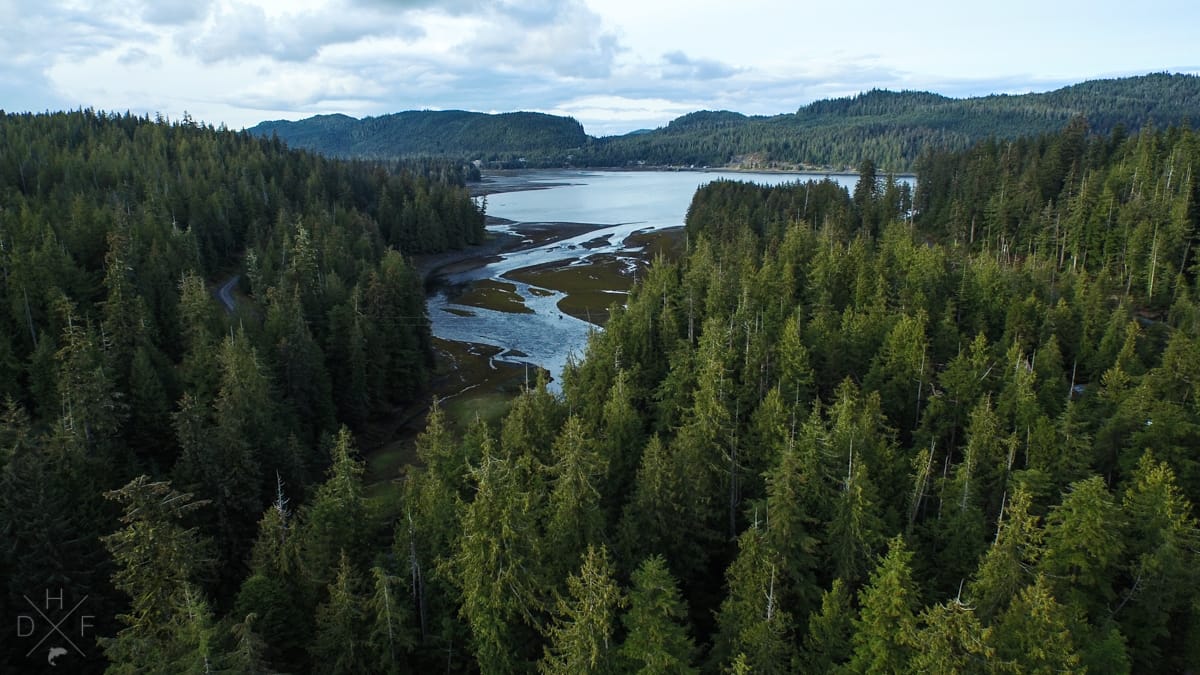
On Prince of Wales Island, nearly 450 culverts and bridges along Forest Service roads do not meet state or federal standards and restrict fish migration to important spawning and rearing habitat upstream. There are likely many more barriers to fish migration along roads on non-federal lands. These barriers reduce salmon and trout populations in affected…
-
Protected: A Ridgetop-to-Ridgetop Approach to Aquatic Restoration and Active Forest Management
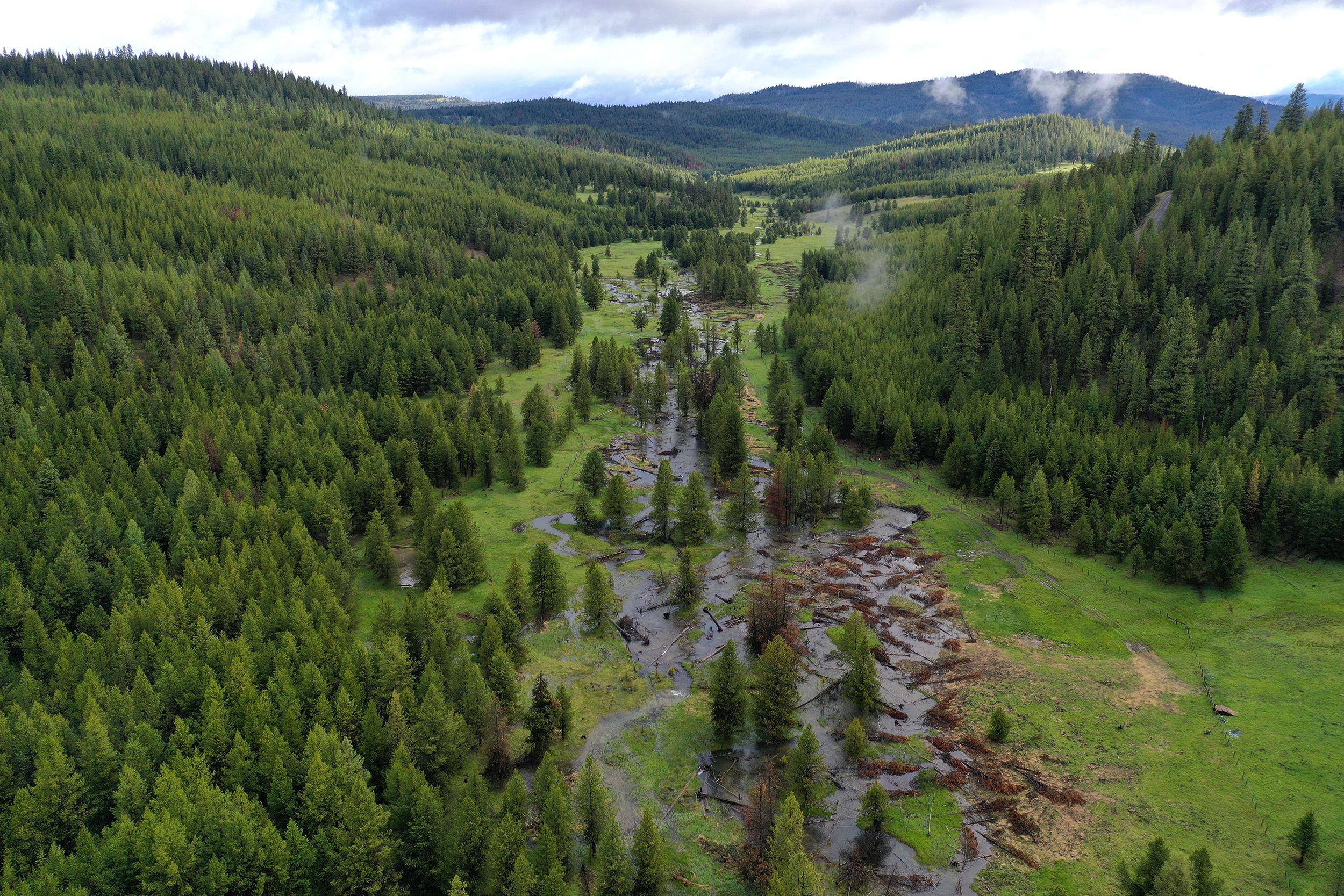
The Sheep Creek Stewardship Project In Northeast Oregon, Trout Unlimited, the U.S. Forest Service, Bureau of Land Management and other partners are leading an innovative, interdisciplinary effort to restore fish and wildlife habitat, enhance recreation opportunities, support local economies and improve wildfire resilience. On this Page Project overview Reconnecting contiguous riparian and upland habitats Collaborating across…
-
Legacy Contracting: Building bridges for fish and communities on the Salmon SuperHwy
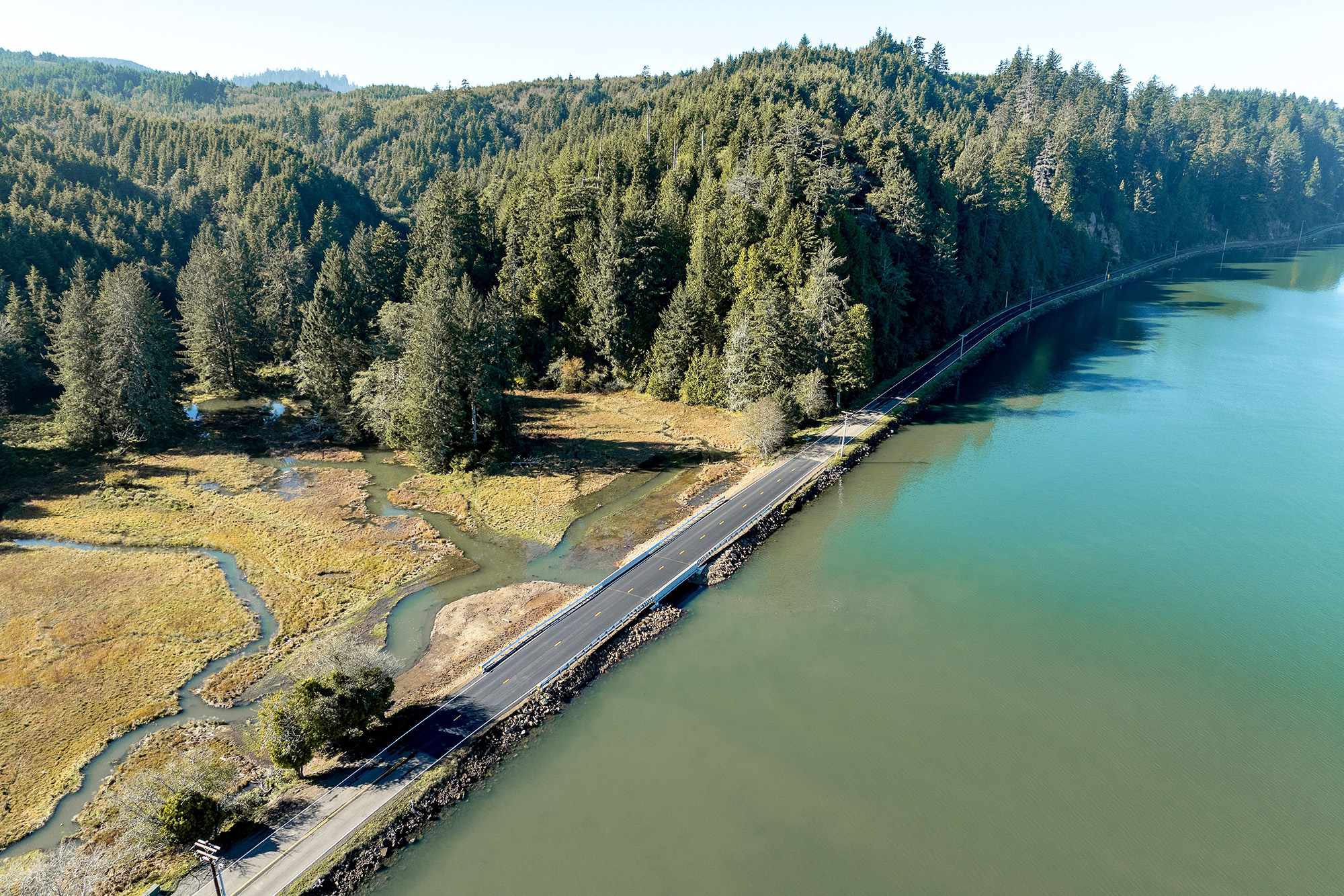
On Oregon’s beautiful North Coast rivers, the Salmon SuperHwy is working hard to reconnect over 180 miles of high-priority, historic salmon, steelhead, lamprey and cutthroat trout habitat in the Tillamook, Nestucca and Sand Lake watersheds. As of January 2026, the partnership has already accomplished 75 percent of their goal. Over the course of the last decade, the partnership has restored access to 137 miles…
-
What is Low-Tech Process-Based Restoration?
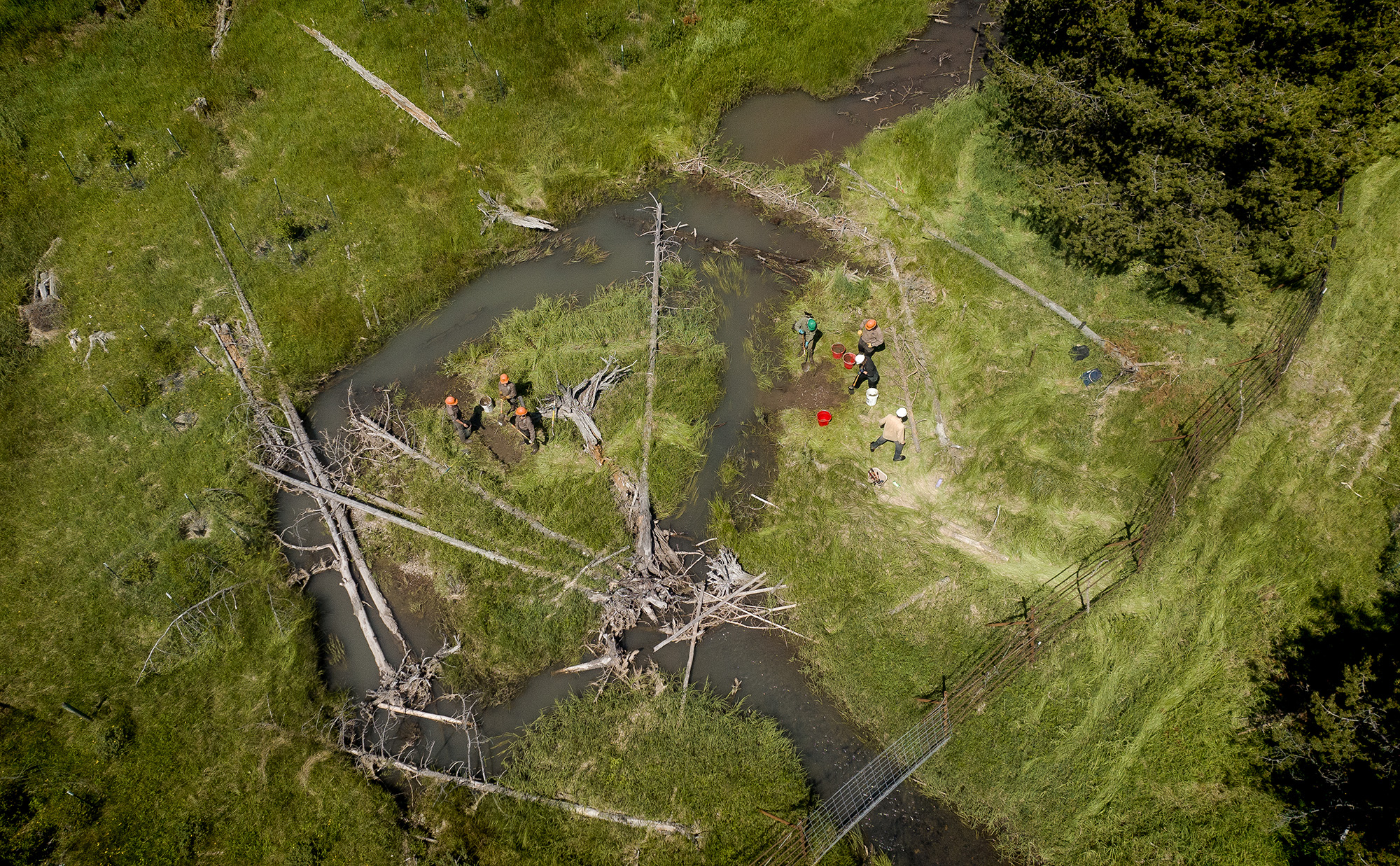
Acronyms such as LTPBR (Low-Tech Process-Based Restoration), PBR (Process-Based Restoration), BDA (Beaver Dam Analog), PALS (Post-Assisted Log Structure), LWD (Large Woody Debris), and ELJ (Engineered Log Jam) are used all over the stream restoration community. Whether referring to the design manual published by Wheaton et al. through Utah State University or just referring to the…
-
A valid question; How’s fishing after restoration projects?
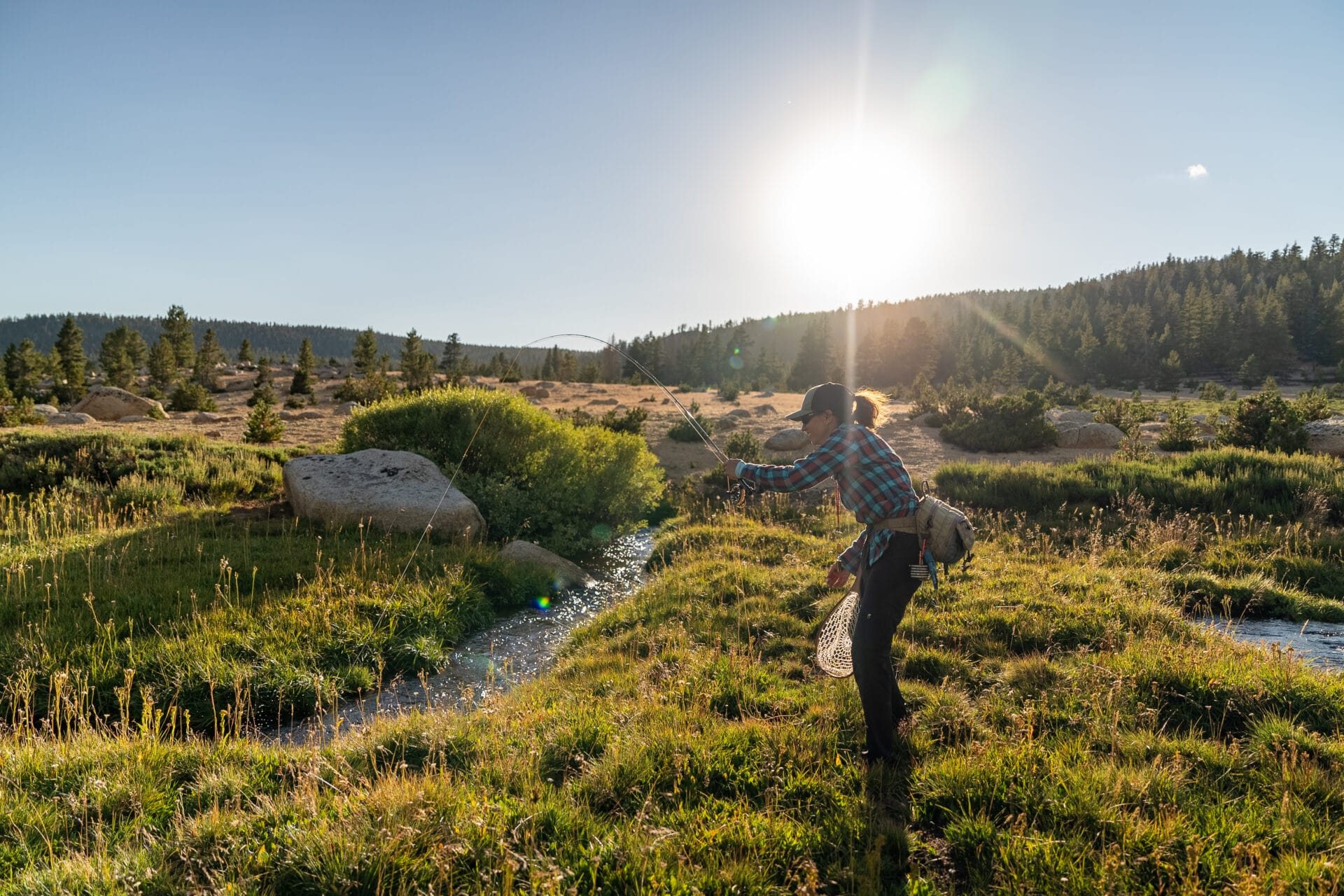
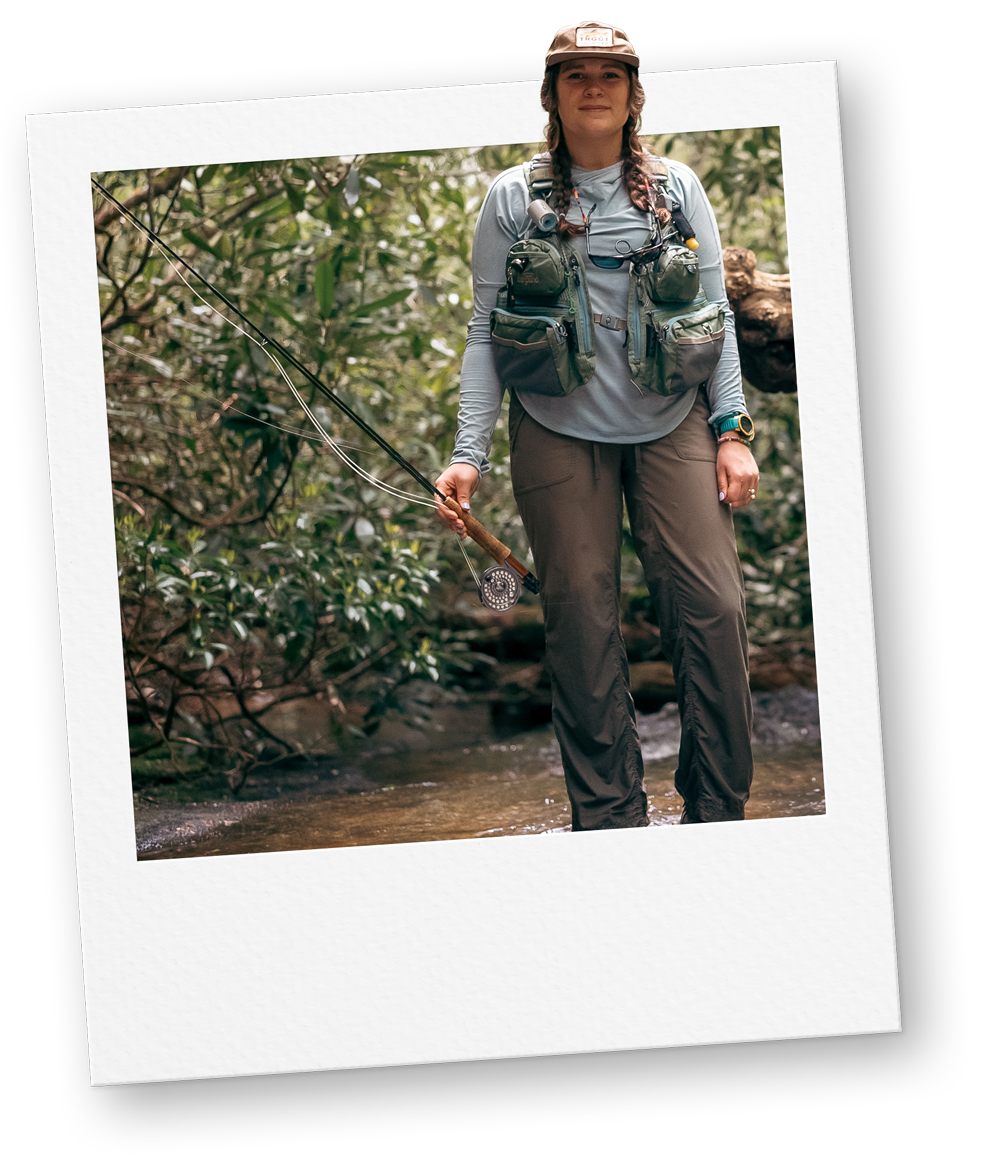
An angler might wonder; what will one of Trout Unlimited’s restoration projects do to the fishing? It’s a valid question. At times we work with contractors to add numerous logs (or even full trees) and woody debris in a stream to make the habitat more complex. We break up long, straight riffle sections with j-hook rock structures to slow down the flow and create deeper holding water. TU…
Category