
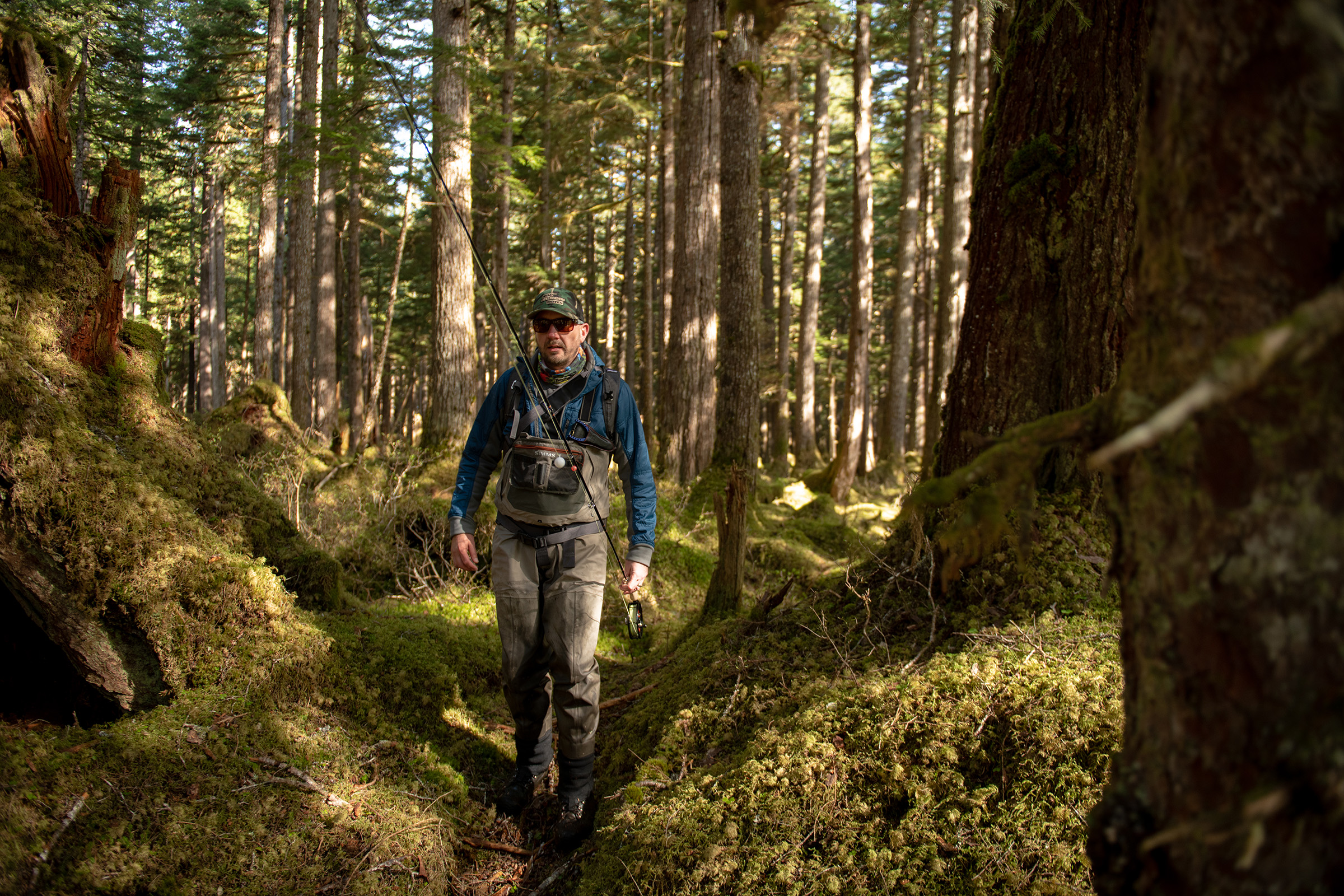
For many Americans, Southeast Alaska’s Inside Passage and Tongass National Forest is a dream destination.
Nearly 3 million visitors come every year to see the world’s largest intact temperate rainforest and its towering old-growth trees, dramatic mountains rising from the sea and tidewater glaciers.
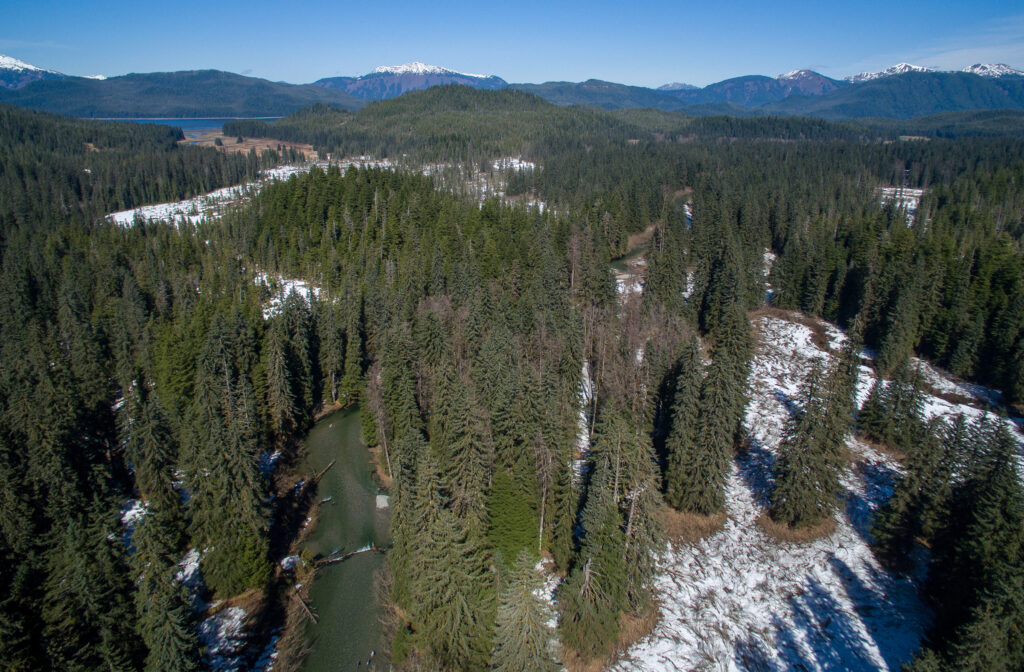
Right now, there’s an incredible opportunity to help maintain the prolific fish and wildlife habitat in the forest for years to come.
Abundant in every way
The Tongass supplies one of the most important wild salmon systems remaining on earth. Five species of salmon, steelhead, cutthroat trout, Dolly Varden and countless wildlife species rely on the cold, clean water born from these forested mountains.

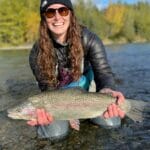
Anglers come to fill the freezer with the forest’s abundant salmon runs and catch a coveted wild steelhead.
Hunters come to harvest sooty grouse, waterfowl, Sitka black-tailed deer, bears and mountain goats.
For Southeast Alaskans—especially Alaska Native communities whose cultures and traditions are deeply tied to salmon—the forest provides the fish, deer and special places that sustain daily life.
A place that defines life
The forest’s rivers and streams produce robust salmon runs that support subsistence harvesting, commercial fisheries, charter captains and freshwater fishing guides, seafood processors and small tourism businesses. Sport and commercial fishing in Southeast Alaska contribute $1 billion annually to the regional economy and account for 10 percent of all jobs in the region.
“The wild character of these places is what sustains our fisheries, supports local outfitter-based economies and allows future generations to experience world-class fishing opportunities.”
-Dori Matney, Chrome Chasers, Wrangell, AK
Together with Southeast Alaska’s broader recreation and tourism sectors, these industries account for $2 billion in economic activity and 26 percent of regional employment.
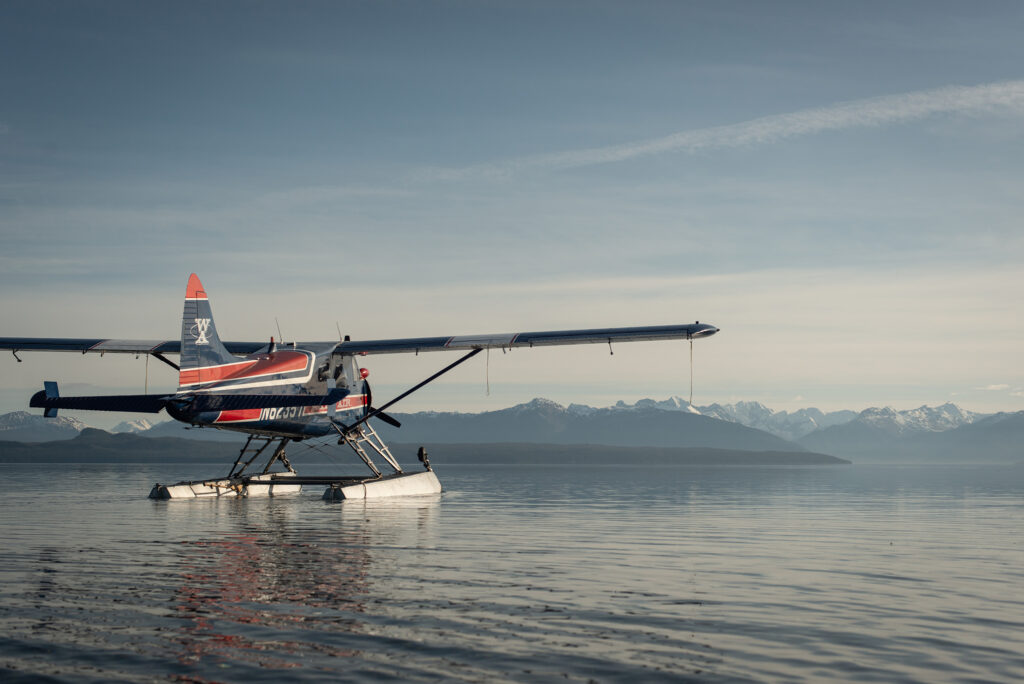
Productive, high-value fish and wildlife habitat are the backbone of these industries—and the fishing, hunting and subsistence traditions that define life in Southeast Alaska.
Your input needed
Now, anglers across the country have an opportunity to ensure that the management of our largest national forest prioritizes the production of wild fish and world-class fishing opportunities.
The U.S. Forest Service is currently seeking public comments on the Tongass National Forest Land Management Plan—a framework that is updated every 15+ years and guides decision-making on nearly 17 million acres of public lands across Southeast Alaska.
Input from people who live, work and recreate on the Tongass—or who dream of visiting—is vital to ensure this plan prioritizes the conservation and restoration of Southeast Alaska’s most productive wild salmon and trout habitat that anchor Southeast Alaska’s cultures, economy and way of life.
The Tongass Forest Plan functions like a zoning plan and informs how different areas of the forest should be managed.
For example:
- important watersheds degraded by large-scale logging could be managed primarily for habitat restoration,
- areas near towns with existing roads could be managed with an emphasis on community access,
- and areas with higher levels of visitors could be managed primarily for recreation and tourism.
It is critical that the angling community speaks up during this phase of public engagement in support of maintaining and strengthening the habitat safeguards that support abundant fisheries—that in turn fuel Southeast Alaska’s economy and communities and offer unique fishing opportunities for adventurous anglers.
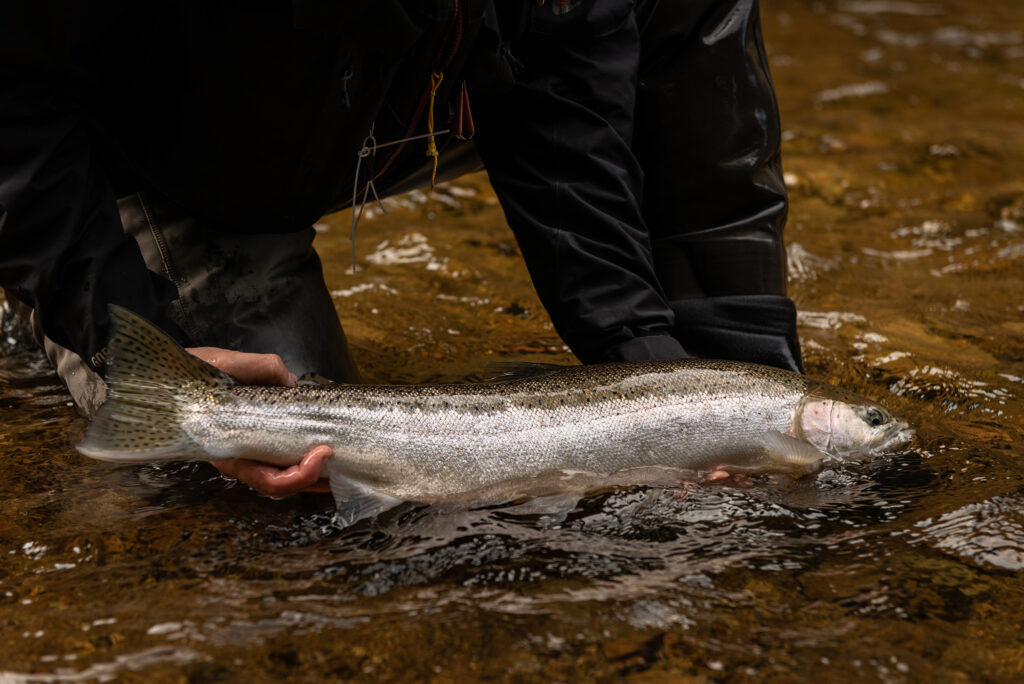
If the final Tongass Plan Revision prioritizes intact habitat, long-lasting fish-friendly infrastructure and strong riparian protections, then fish, wildlife and communities all benefit. If not, the Tongass’ incredible fishing and hunting opportunities—and the region’s salmon-based economy—will feel the consequences over time.
Trout Unlimited has worked alongside anglers, business owners and community leaders to help conserve and restore the finest fish habitat on the Tongass for two decades.
Together, we can ensure the Tongass continues to work for fish and for the people who depend on it for the next 20 years and beyond.
Comment to prioritize wild fish in the Tongass Forest Plan
This plan will guide how the Tongass is managed for the next several decades. Together, we can ensure the Tongass continues to work for fish and for the people who depend on it.