
Where does the time go? Just last March, I wrote the first installment of this two-part blog series about my inaugural fishing and hunting excursions into the Baaj Nwaavjo I’tah Kukveni – Ancestral Footprints of the Grand Canyon National Monument.
Part one of the series chronicled a successful chukar and quail hunt in a remote part of the monument. So, to round out the fishing part of this monument cast and blast, I visited Lee’s Ferry, one of Arizona’s best blue-ribbon trout fisheries. Joining me again, were friends and colleagues from Arizona Trout Unlimited and the Arizona Wildlife Federation.
Preserving great habitat
This monument includes over 900,000 acres of intact public land managed by both the U.S. Forest Service and Bureau of Land Management (BLM). It was designated in 2023 using the Antiquities Act, a law signed in 1906 by our greatest sportsman conservationist President, Theodore Roosevelt. The monument is strongly supported by Trout Unlimited and the Arizona hook and bullet community.
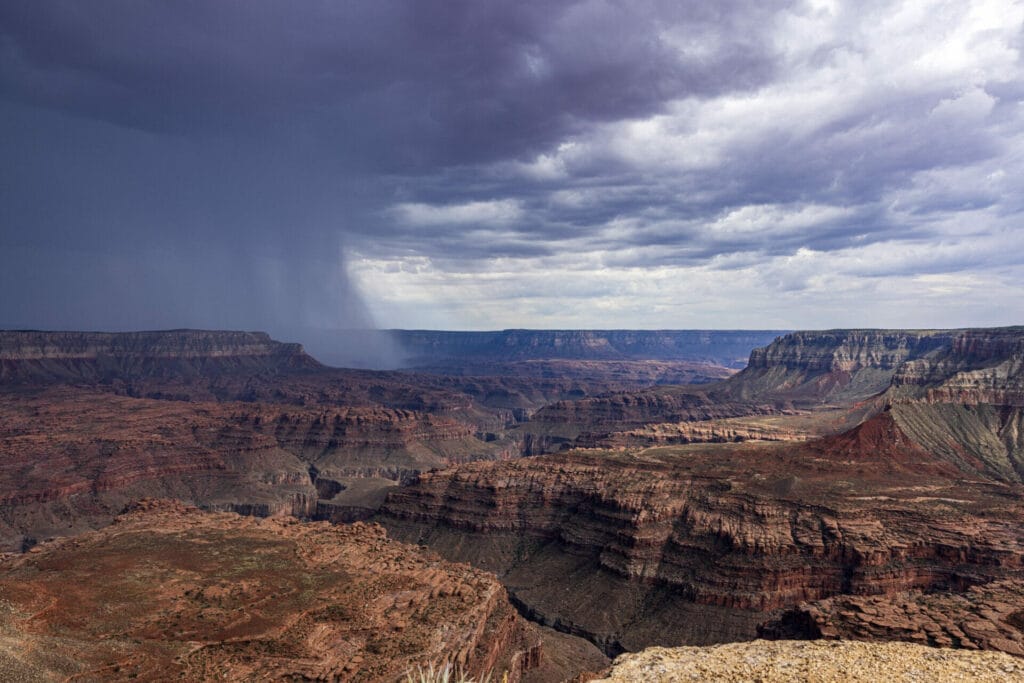
Though it is not well known in some corners of the sporting community, U.S. Forest Service and BLM national monuments are home to some of the best fishing and hunting in the world, including Ancestral Footprints. When you boil it down, these monuments protect intact habitat, which is an essential ingredient for good fishing and hunting.
Fishing in tranquility
We met our fishing guides at Lee’s Ferry on a clear and calm June morning. This boat ramp is the primary launching point for over 25,000 rafters and river runners each year entering the Grand Canyon.
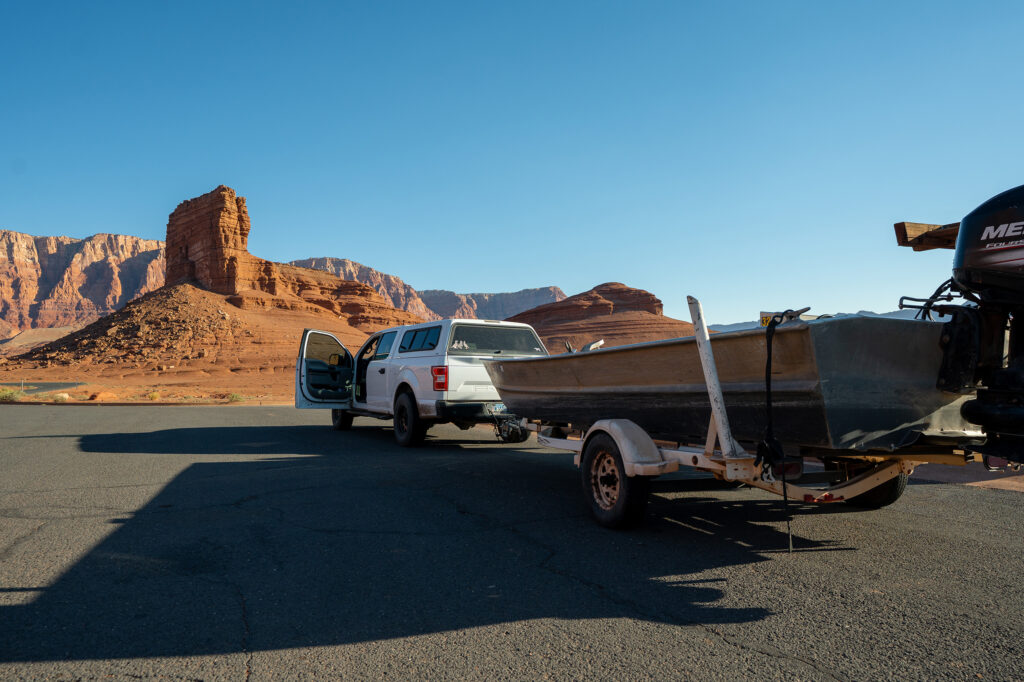
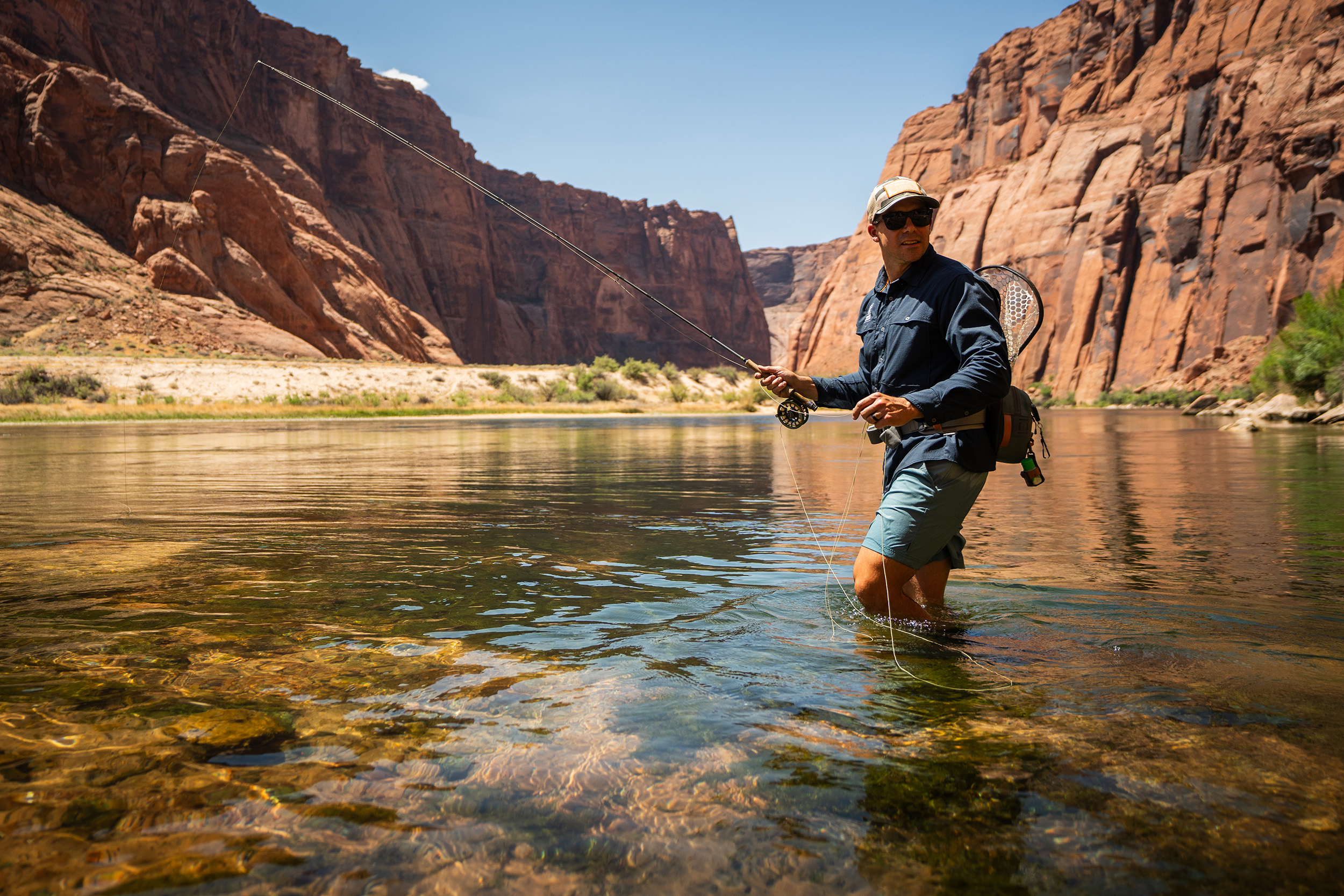
We were focused on the world-class, 15-mile tailwater fishery upstream of Lee’s Ferry and below Glen Canyon Dam. This stretch of the Colorado River is part of the Glen Canyon National Recreation Area; however, the adjacent Ancestral Footprints of the Grand Canyon National Monument protects its water quality by prohibiting new mining claims.
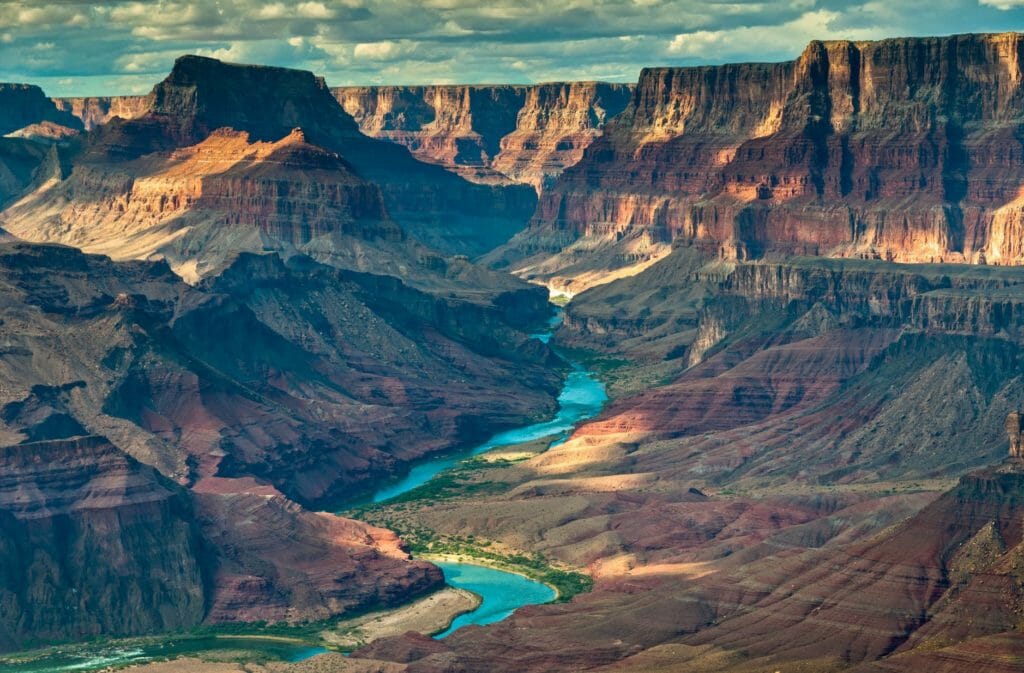
Minutes after heading upstream from the boat ramp at Lee’s Ferry, you are overtaken by towering Navajo sandstone walls and the river’s cold, clear blue waters. It is hard to believe the Phoenix metropolitan area and its 4.9 million people are within a four-hour drive of this tranquil oasis.
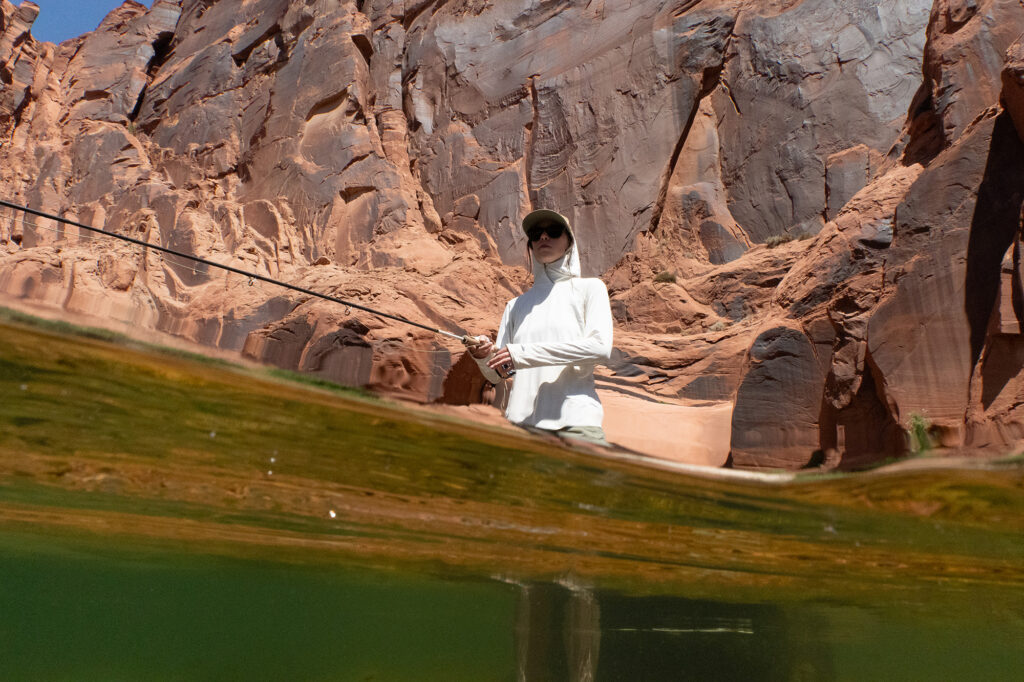
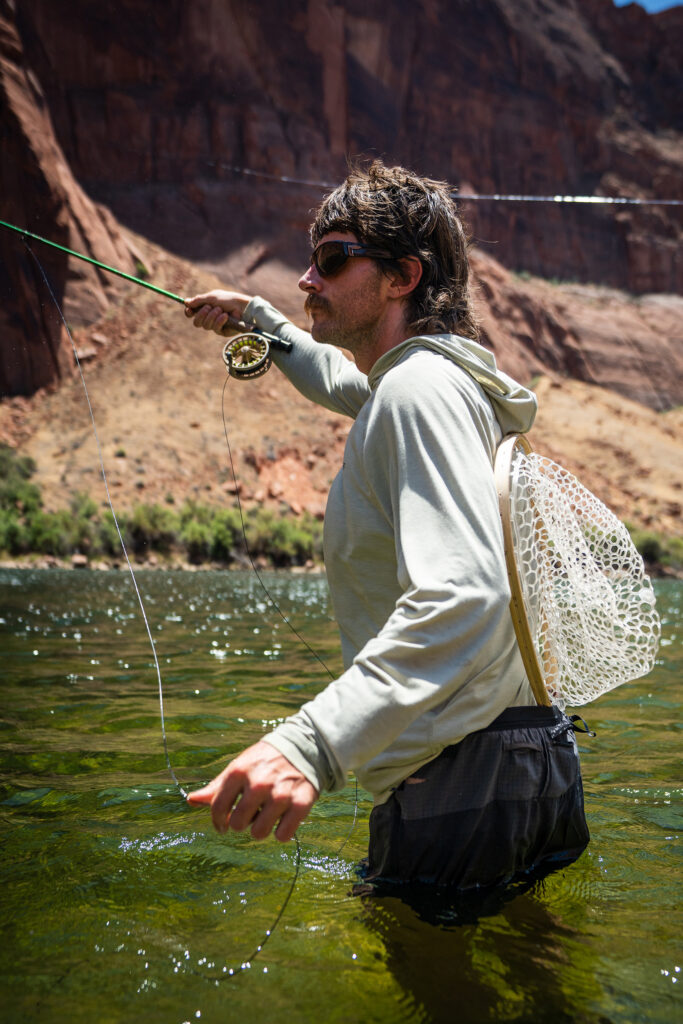
The opportunity to stand in beautiful, quiet places has always driven me to fish. I would be lying though if I said catching fish wasn’t important too and, if given the choice, using a large dry fly.
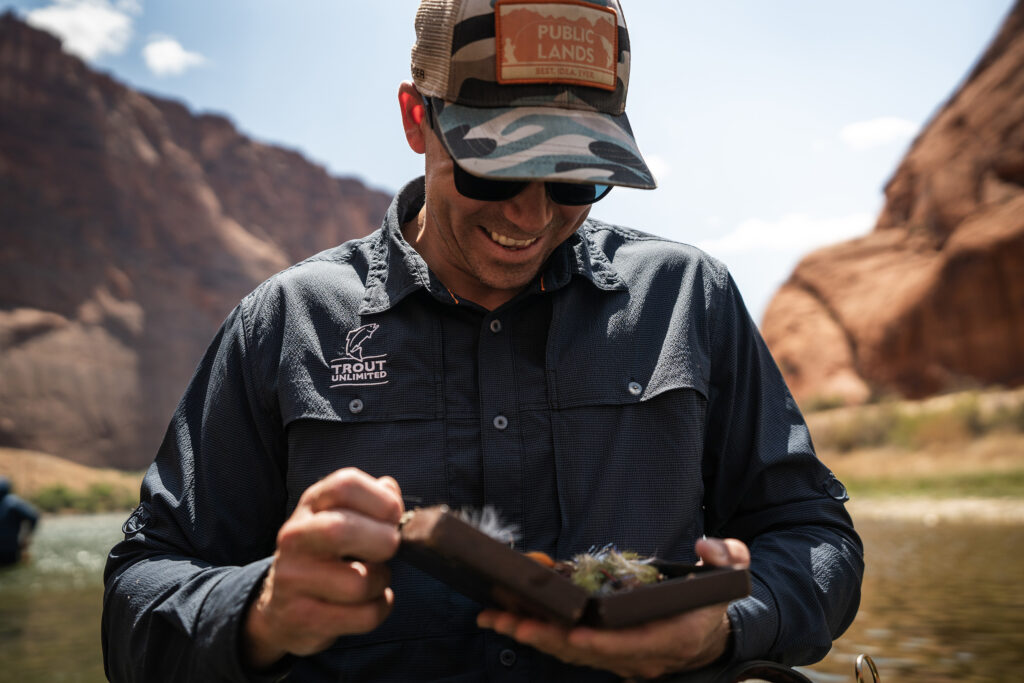
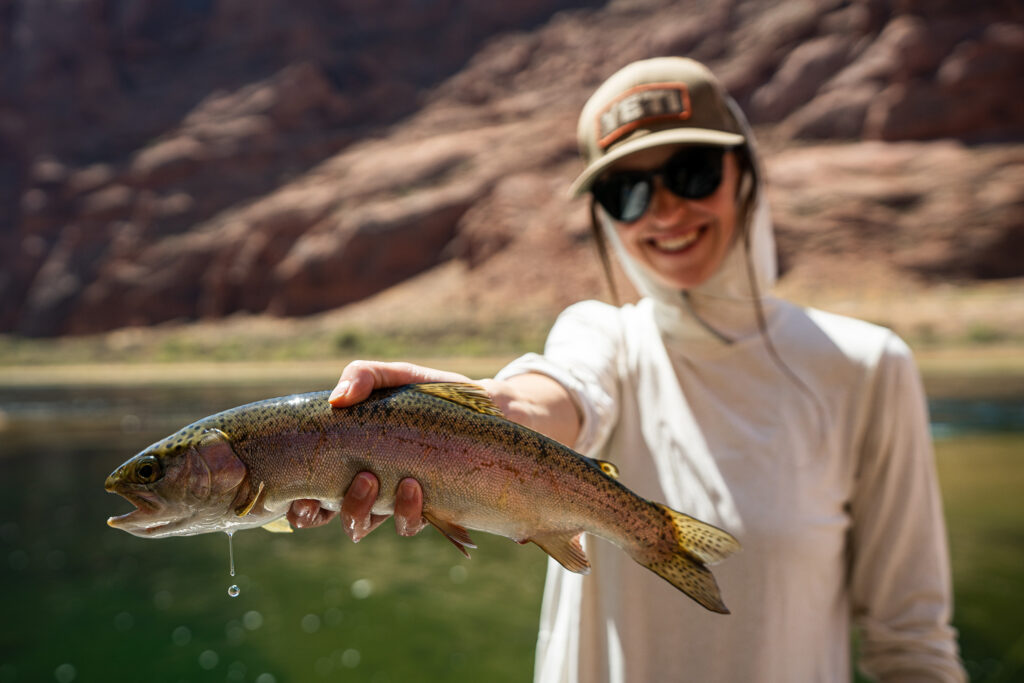
On this day I checked all the boxes: beautiful setting, “gin clear” water, few anglers and pound-for-pound the strongest wild rainbow trout I’ve encountered in the Lower 48. My fellow anglers caught more fish nymphing with zebra midges, egg patterns and the highly effective San Juan Worm, but I was content to catch several 12-to-15-inch rainbows on a size ten, foam cicada.
Watching these fish emerge from depths of over 20 feet, take a dry fly and then launch from the water, is a spectacle.
Protecting clean water
Preserving the Ancestral Footprints of the Grand Canyon National Monument is critical to maintaining and enhancing this fishery.
All told, the monument shields 1,688 river miles (ephemeral streams within the monument boundary) from future threats. Maintaining the health of the Colorado River is equally important to the fishery and the more than 40 million Americans that rely on it.
Lake Powell, the reservoir behind Glen Canyon Dam located immediately upstream of the Grand Canyon, faces intensifying pressure from chronic drought, depleted storage and record-low snowpack in the Colorado River Basin. Reservoir storage has been in decline for the past 25 years, and Lake Powell is only 25 percent full this summer. In the winter of 2025-2026, the Upper Colorado River Basin experienced some of the lowest snowpack totals in recorded history.
Championing this special place
There are no easy fixes, but Trout Unlimited is working to address the dire hydrology across the Colorado River Basin by partnering with farmers and ranchers to upgrade agricultural irrigation infrastructure, reconnecting floodplains to retain soil moisture through restoration work like the Thompson Burrow Meadow project and building resilience to drought and wildfire in places like the Gila River headwaters. We are also working with a coalition of over 70 groups to urge Congress to provide at least $2 billion to address the escalating water supply crisis.
Please join Trout Unlimited in advocating for keeping protections afforded by Ancestral Footprints of the Grand Canyon National Monument intact and for additional Colorado River funding from Congress.
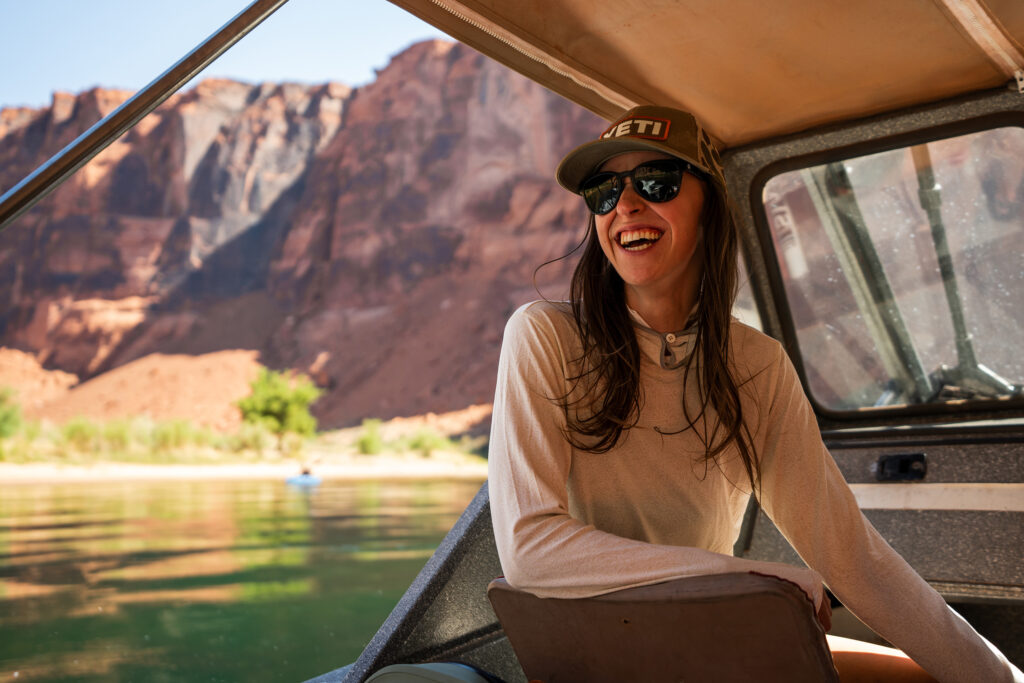
People become passionate about issues and places through direct experience, so consider fishing Lee’s Ferry to become a bigger champion of both the monument and Colorado River. I can tell you it’s 100 percent worth the trip.
Protect the Grand Canyon Watershed
Join Trout Unlimited in supporting continued protection for Baaj Nwaavjo I’tah Kukveni – Ancestral Footprints of the Grand Canyon National Monument.