Chasing rainbows: all about and how to catch rainbow trout


Every entry in our sweepstakes powers our work keeping rivers cold and fish thriving.
Every entry in our sweepstakes powers our work keeping rivers cold and fish thriving.
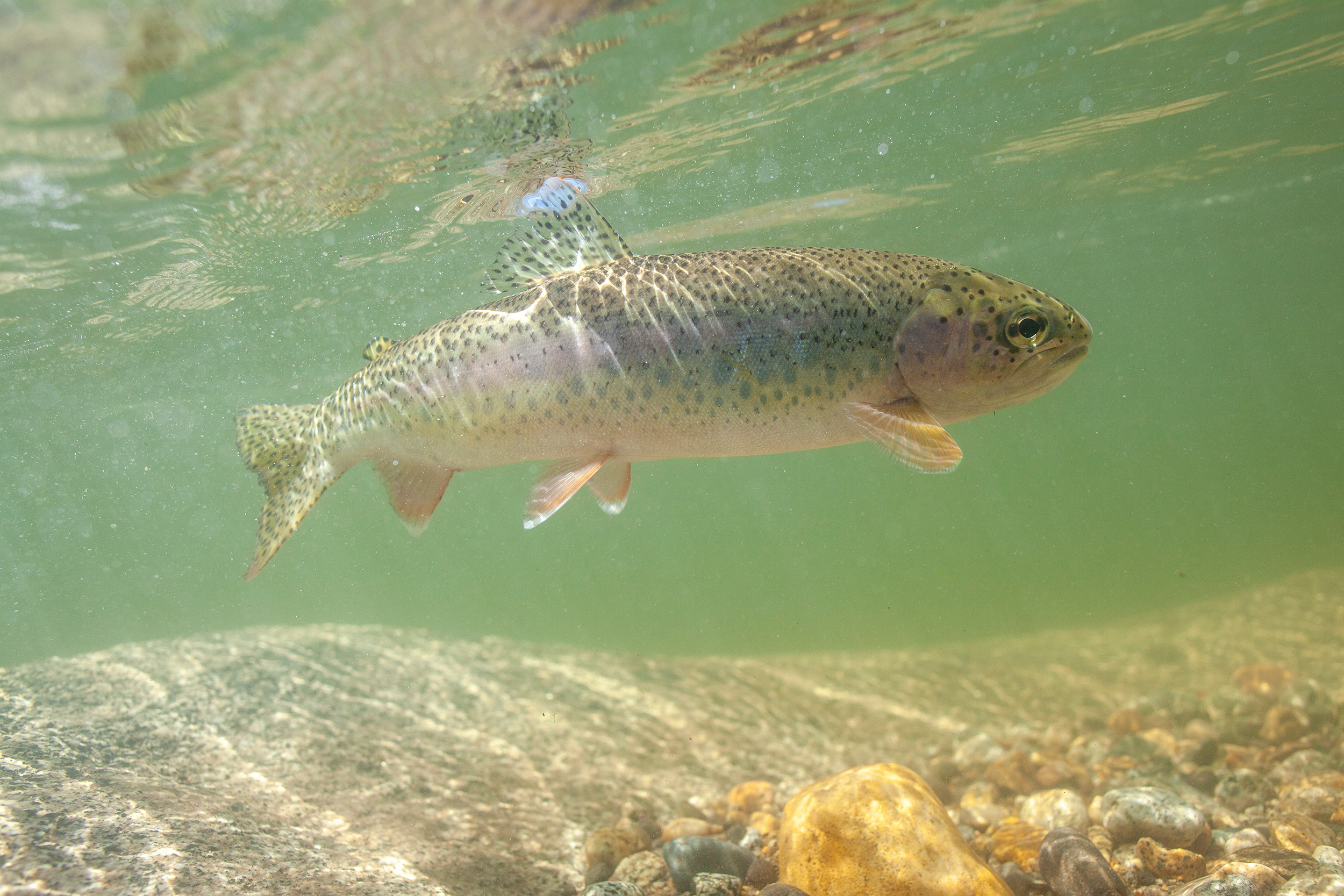
With both wild and widely introduced populations, rainbows can be caught on six continents. But this sparkling example of a salmonid traces its humble roots back to North America’s West Coast.
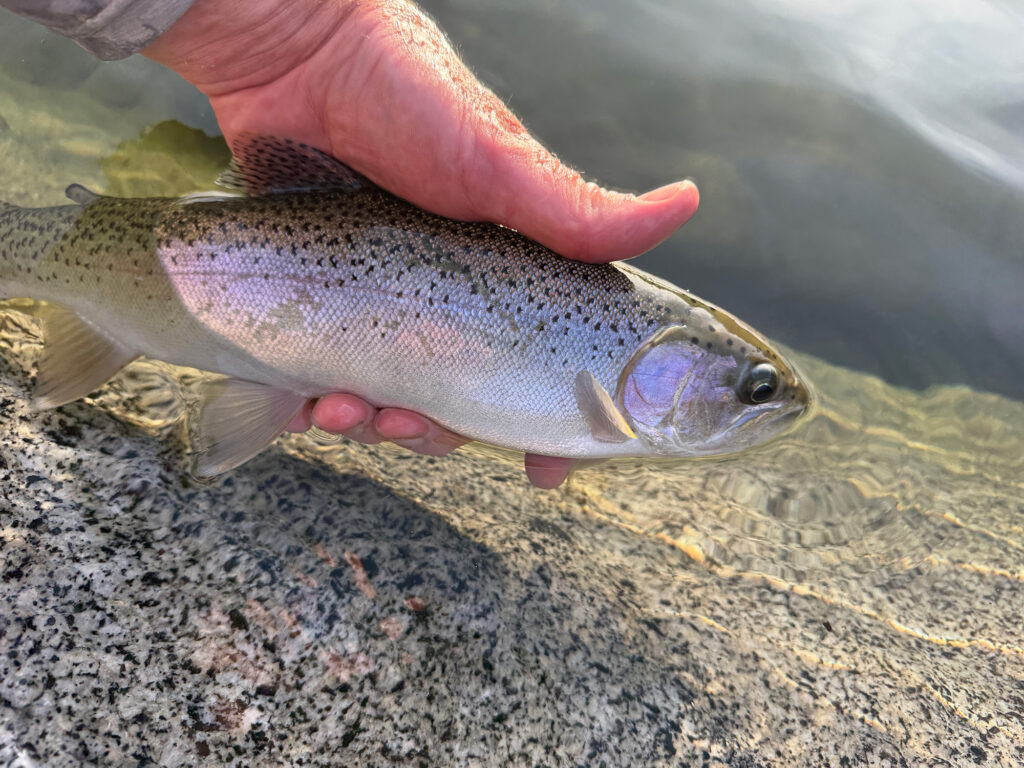
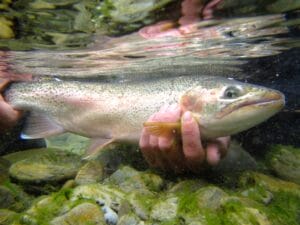
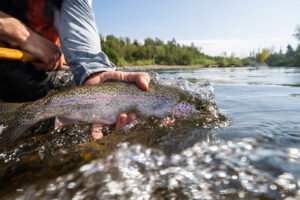
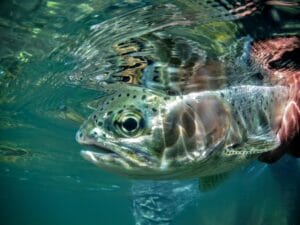
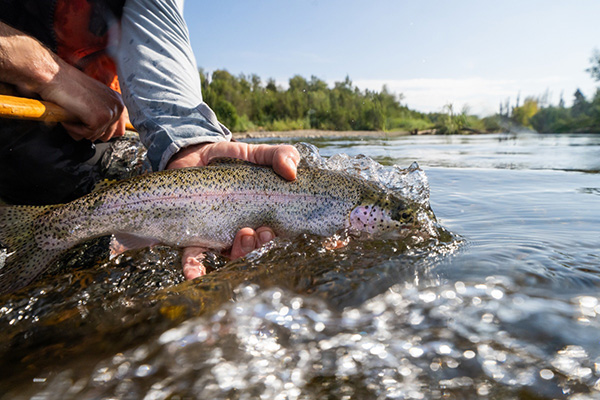
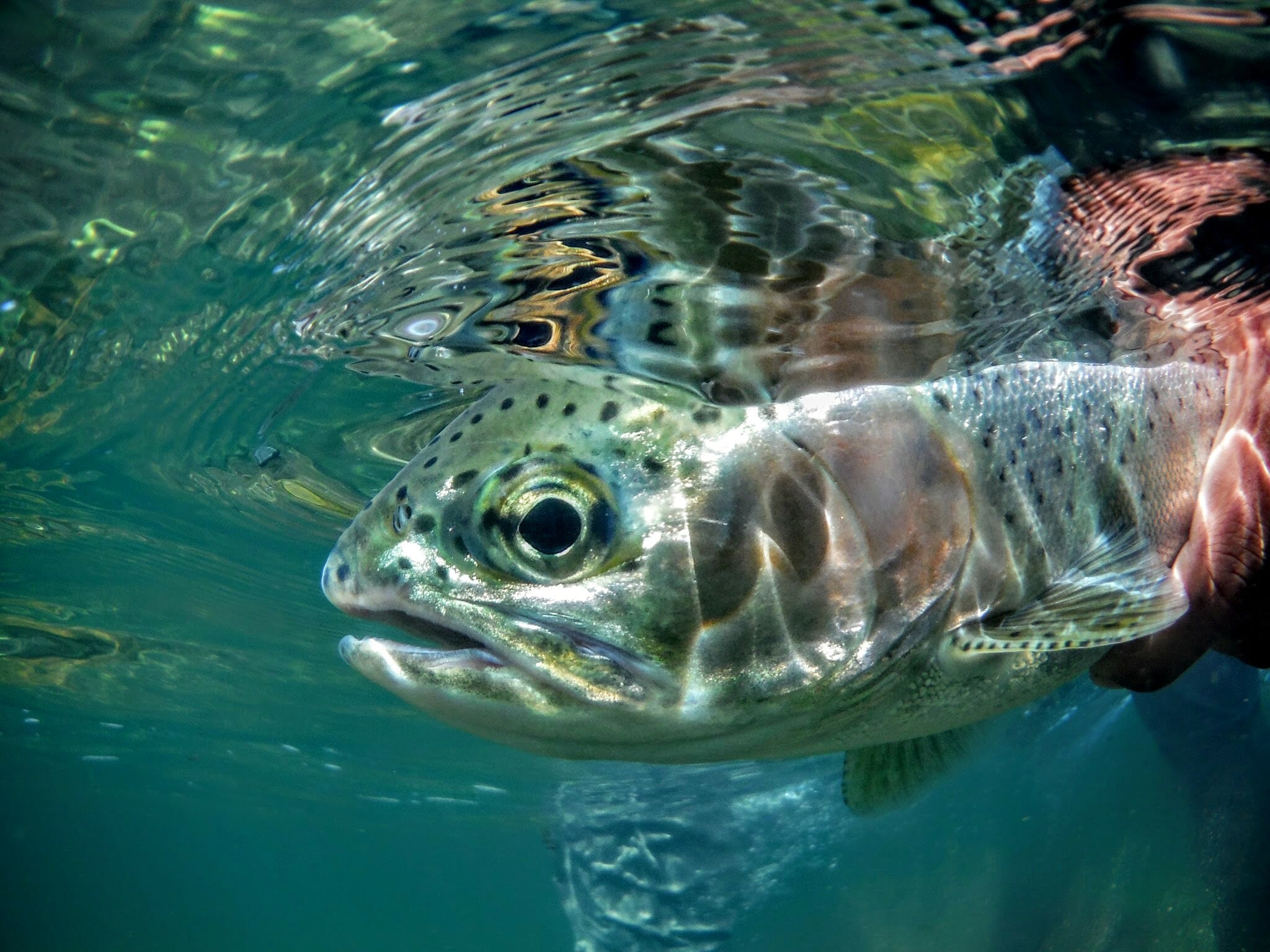
With its silvery and often seemingly iridescent rainbow flanks and mixed spotting, the rainbow is undoubtedly a beautiful fish.
But what’s often misunderstood about this species is the variety of appearances and the vast range of subspecies that divide Oncorhynchus mykiss.
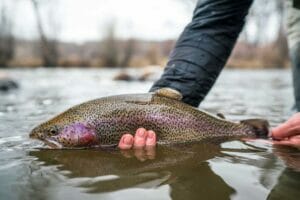
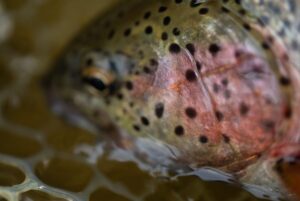
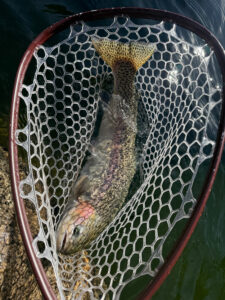
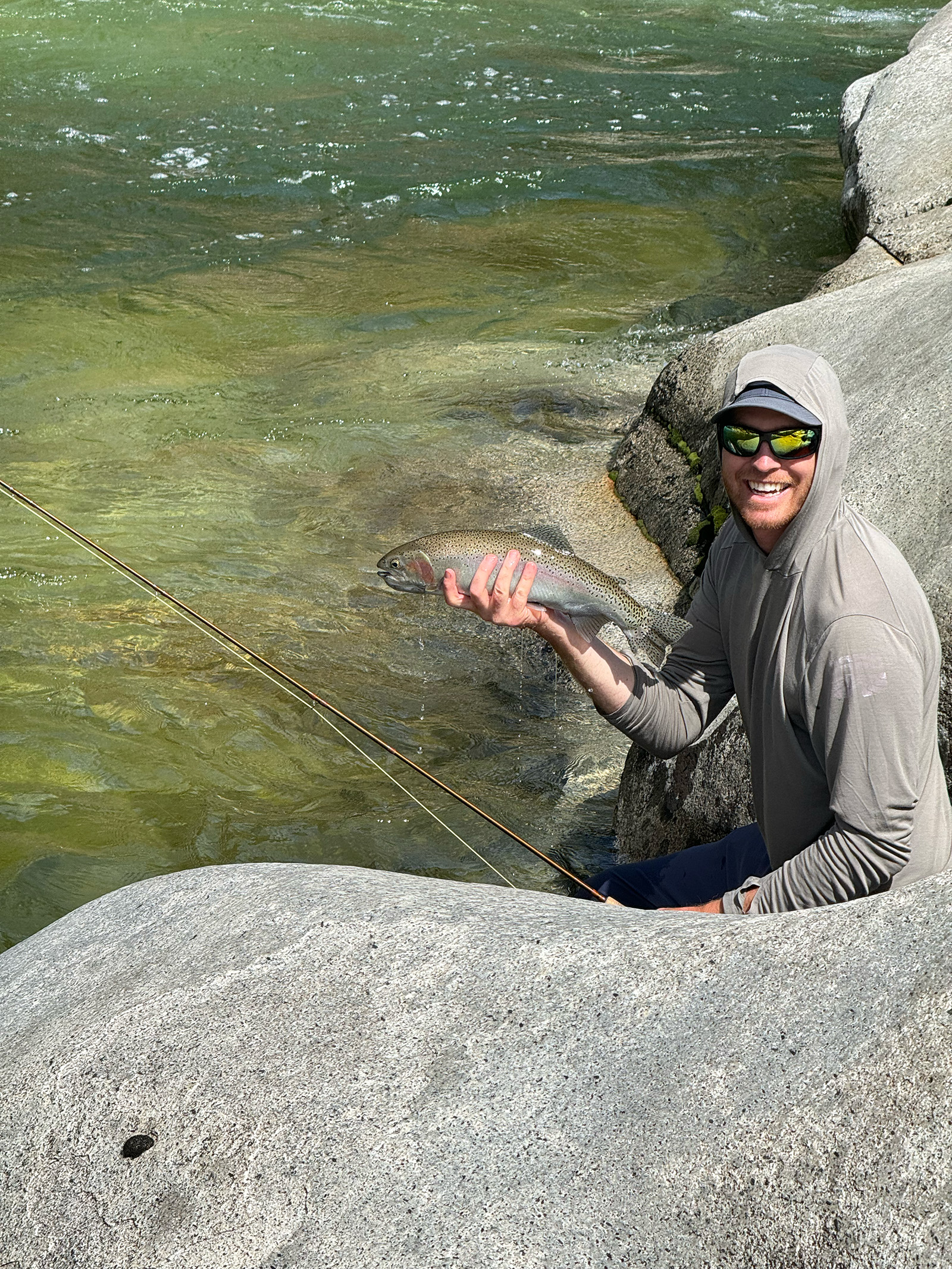
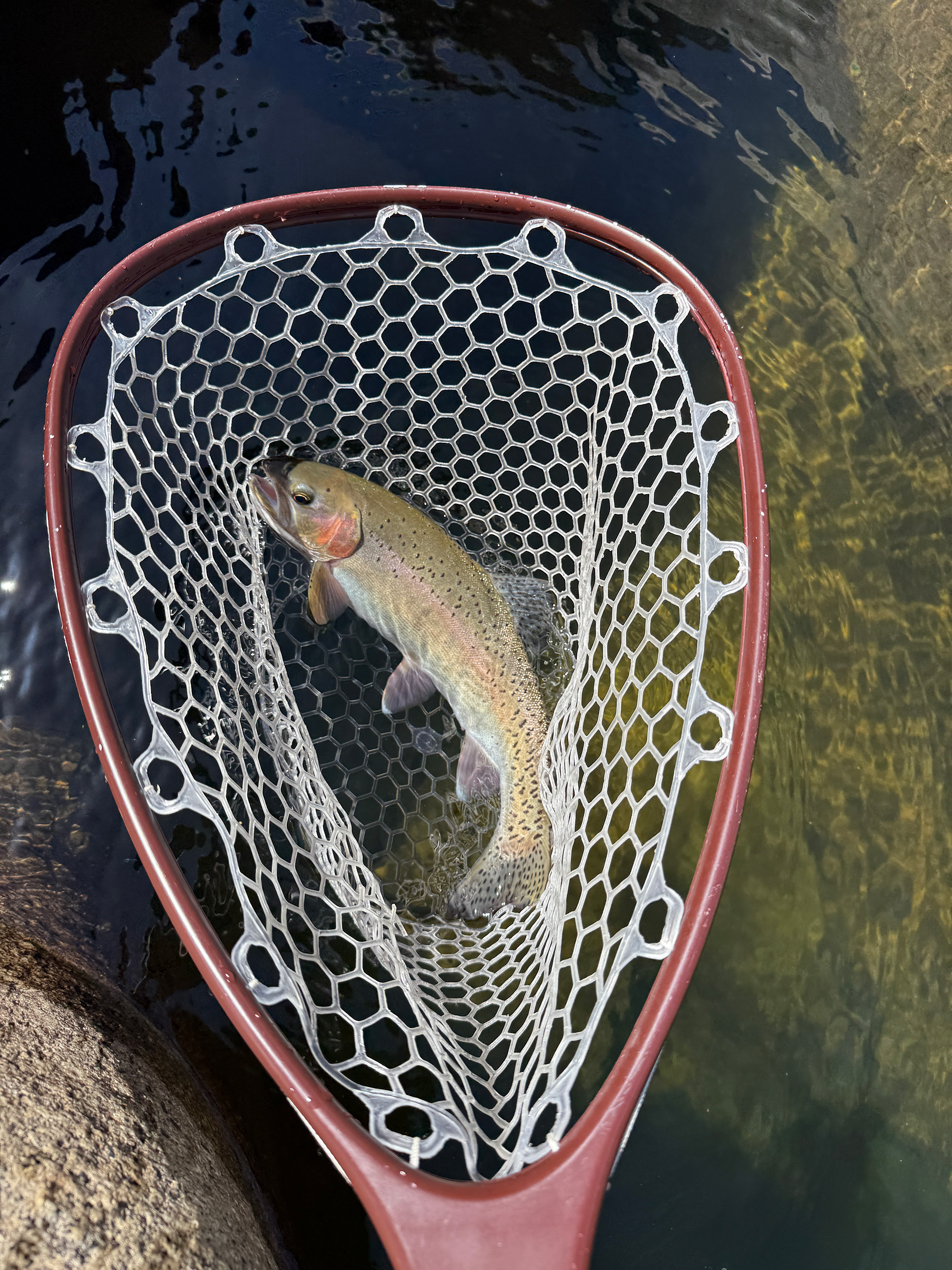
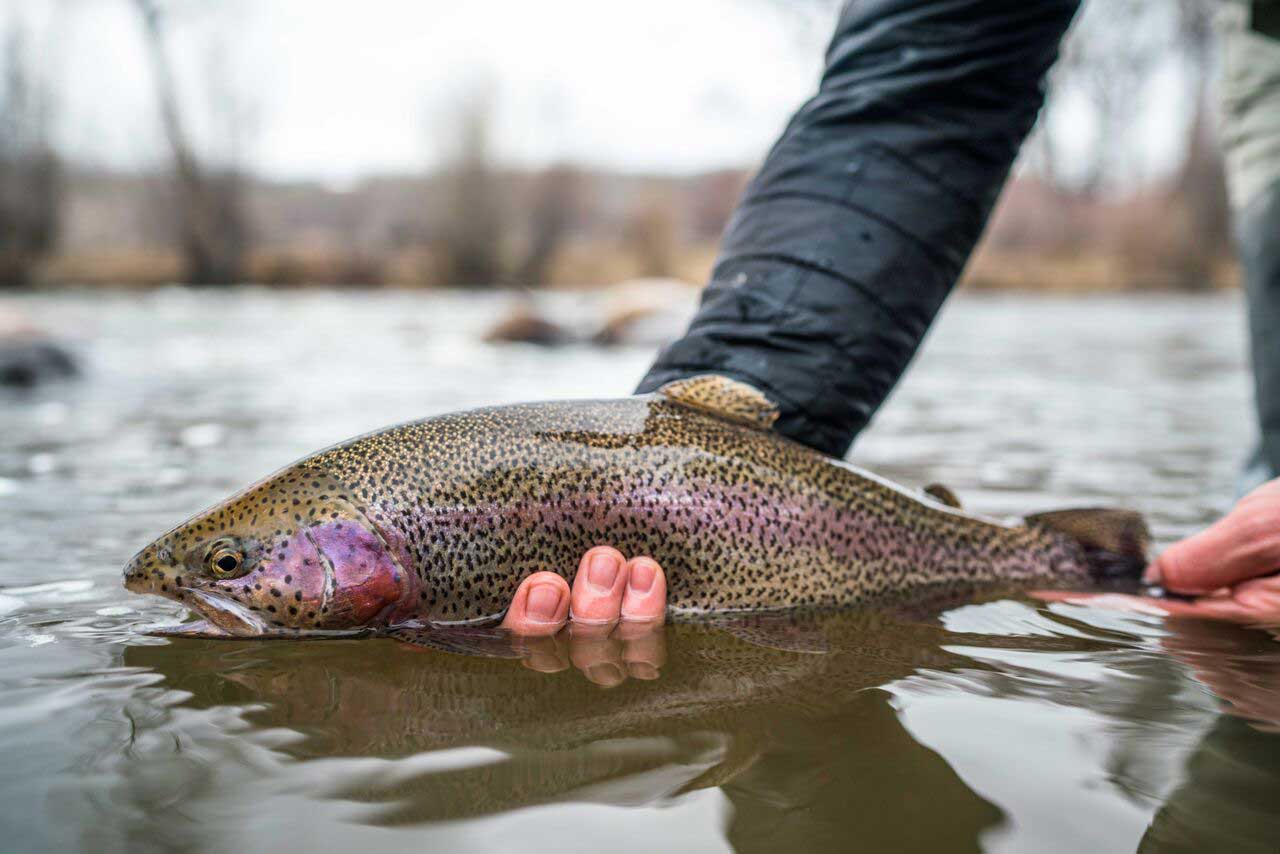
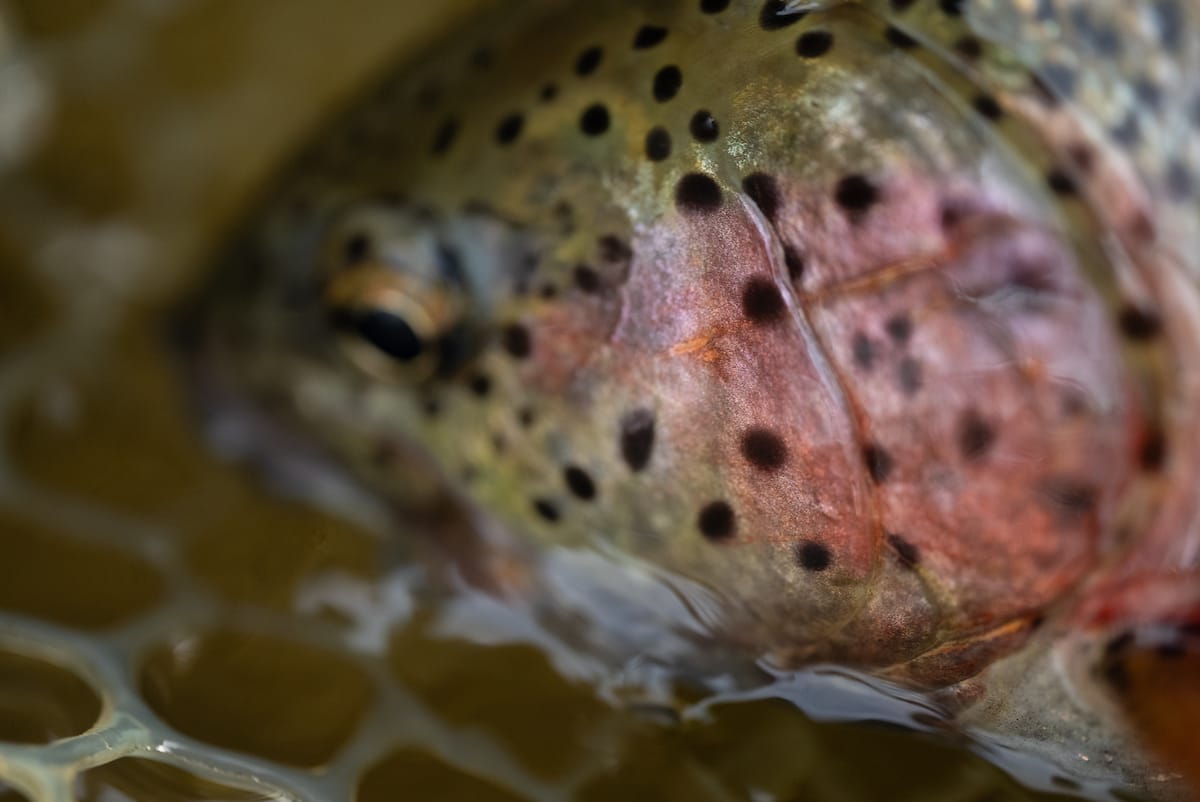
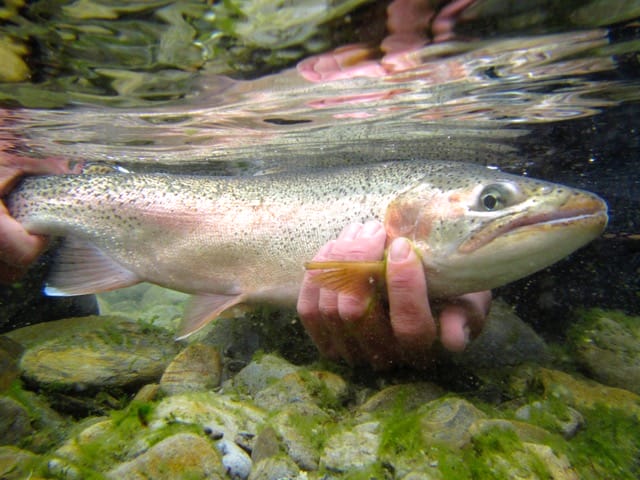
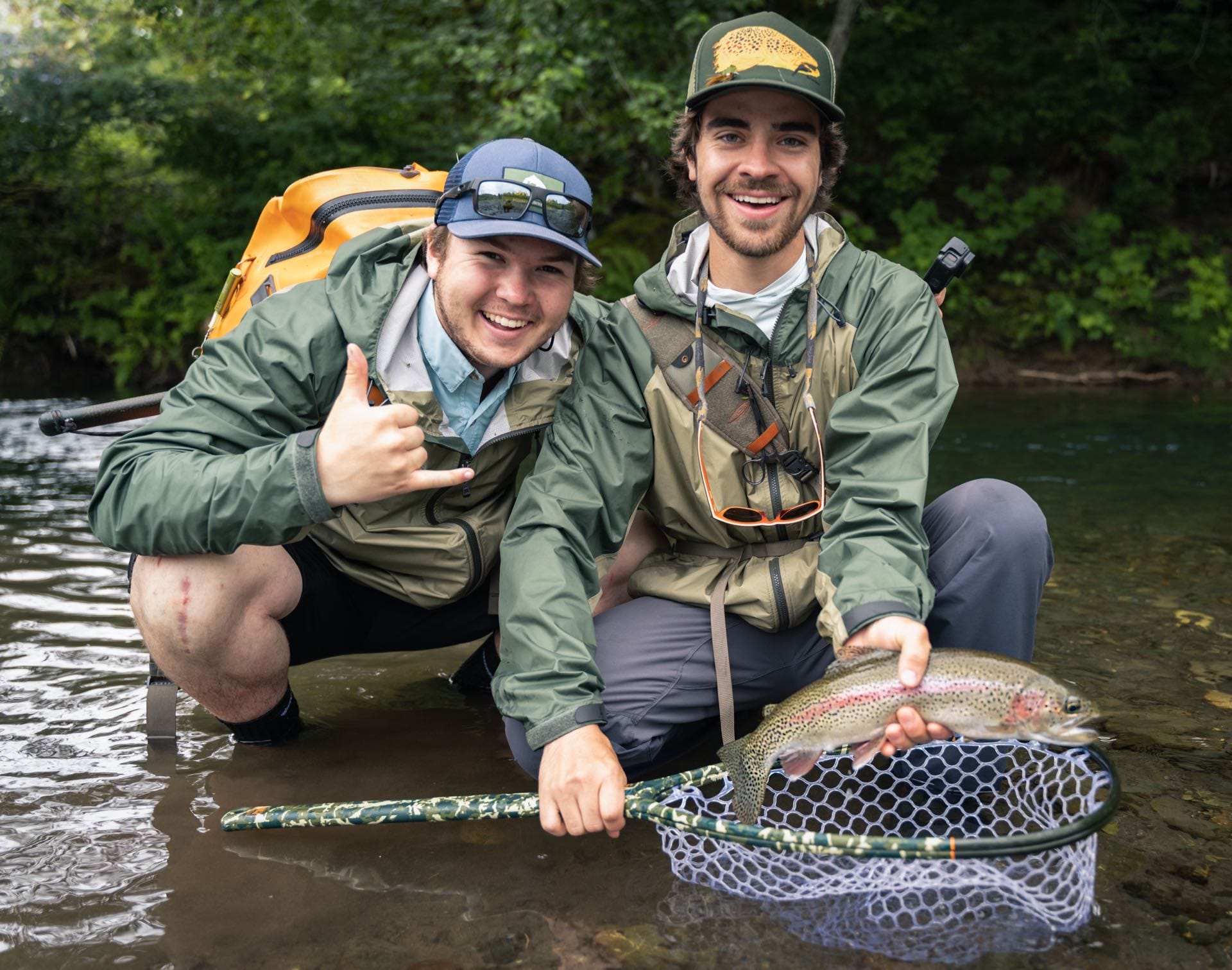
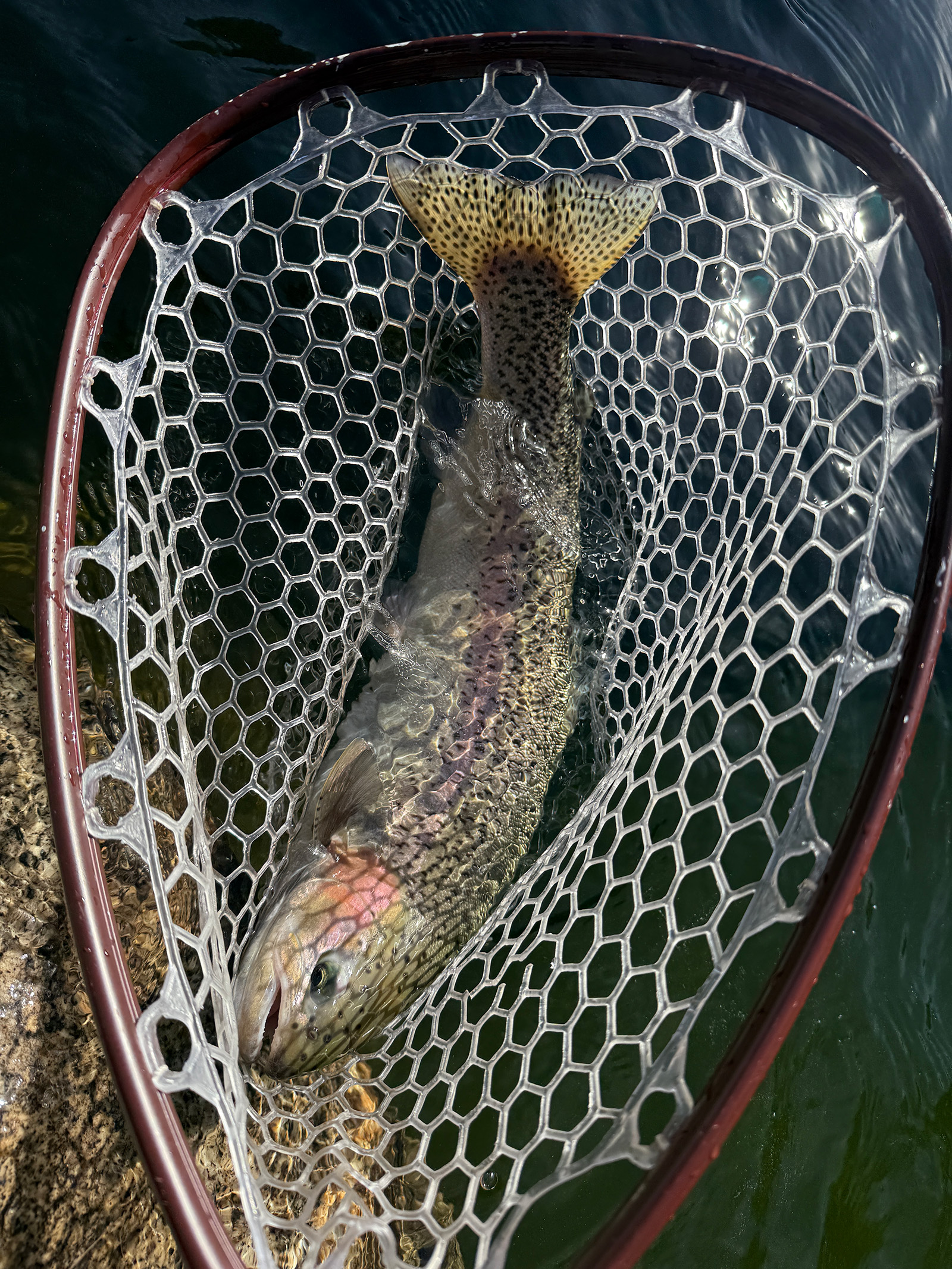
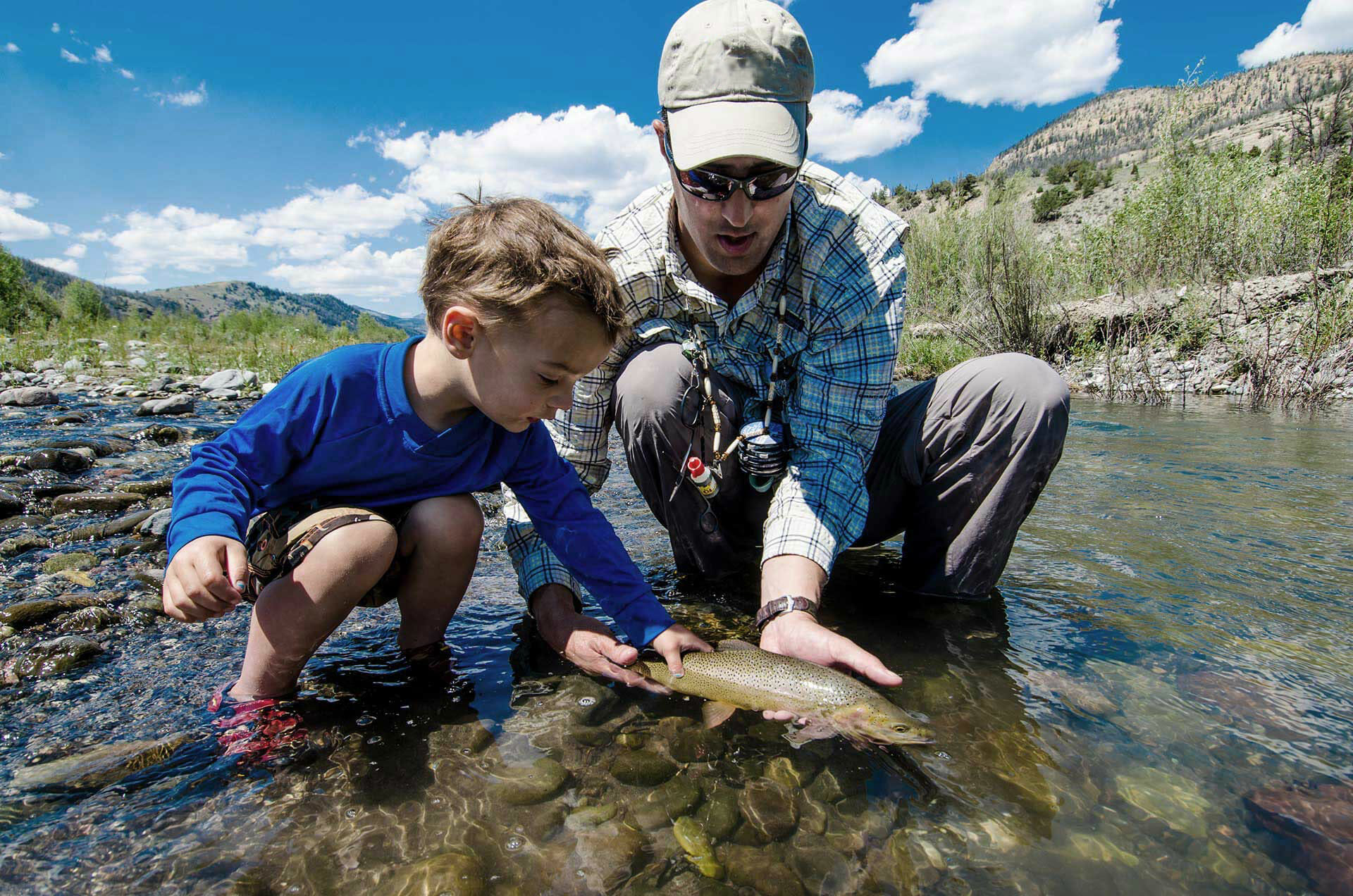
For the most part, rainbow trout are characterized by an olive green to blue green or even slightly tan back, silver or chrome-like sides with numerous black spots that extend from the back down the sides in varying densities and often to the tail and fins. The bellies are usually bright white. A distinct shimmering pink or red stripe runs lengthwise along the flank. Even within the same body of water, rainbows can display variations in color and spotting. Juveniles, especially in wild or native populations, typically carry a series of spaced dark oval splotches called parr marks along their flanks.
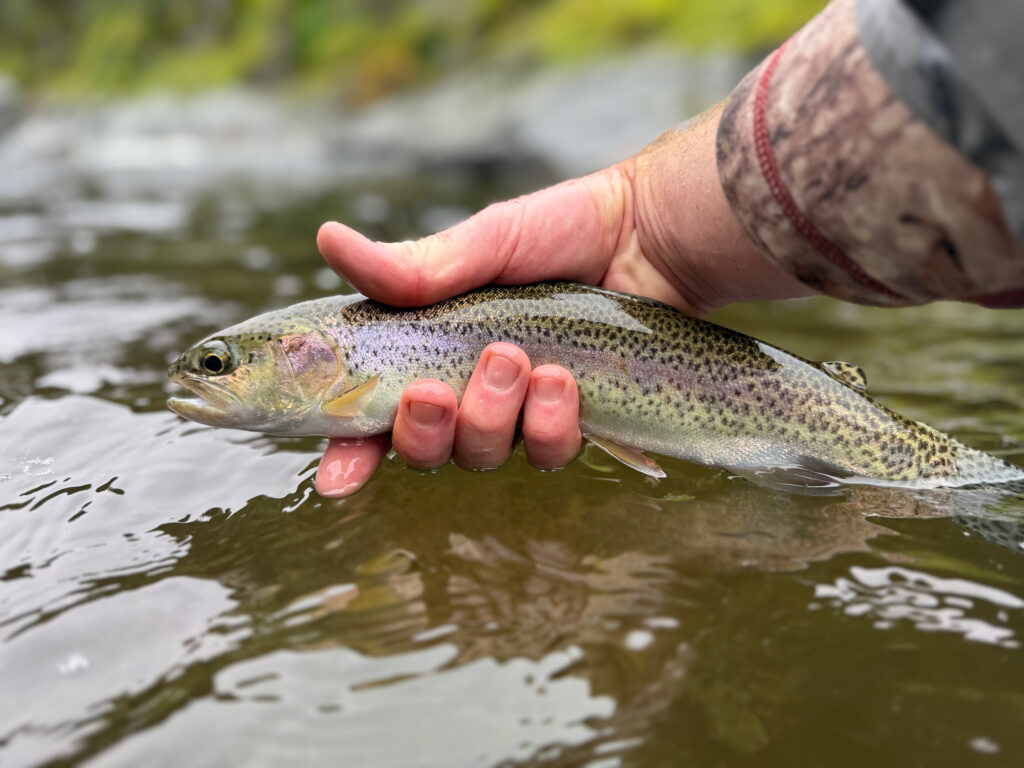
Under ideal conditions, rainbows can grow large — very large. According to the International Game Fish Association, the all-tackle world record weighed 48 pounds and was hooked in a Canadian Lake. For fly fishermen, many records have been caught at Patagonia’s Jurassic Lake.
Steelhead, or rainbow trout that migrate into rivers from the ocean, can also be exceptionally large, with fish over 20 pounds not uncommon. They’re considered distinct from rainbow trout, which do not travel to the ocean during their lifecycle.
Rainbow trout evolved in the streams that feed into the Pacific Ocean from Mexico north through Alaska’s Aleutian Islands all the way east into Russia’s Kamchatka Peninsula. More than 15 different populations have been isolated, including Eagle Lake, McCloud Redband and Kamloops rainbow trout. Each subspecies has developed unique characteristics, such as the Eagle Lake population’s ability to survive in highly alkaline water.
Today, the rainbow has been transplanted to over 45 countries. Many of the introduced populations trace genetics back to California hatcheries that spread the fish starting as early as 1870. Both naturally and artificially, the rainbows have interbred with other trout species to produce mixed varieties like “cutbows,” a rainbow/cutthroat hybrid.

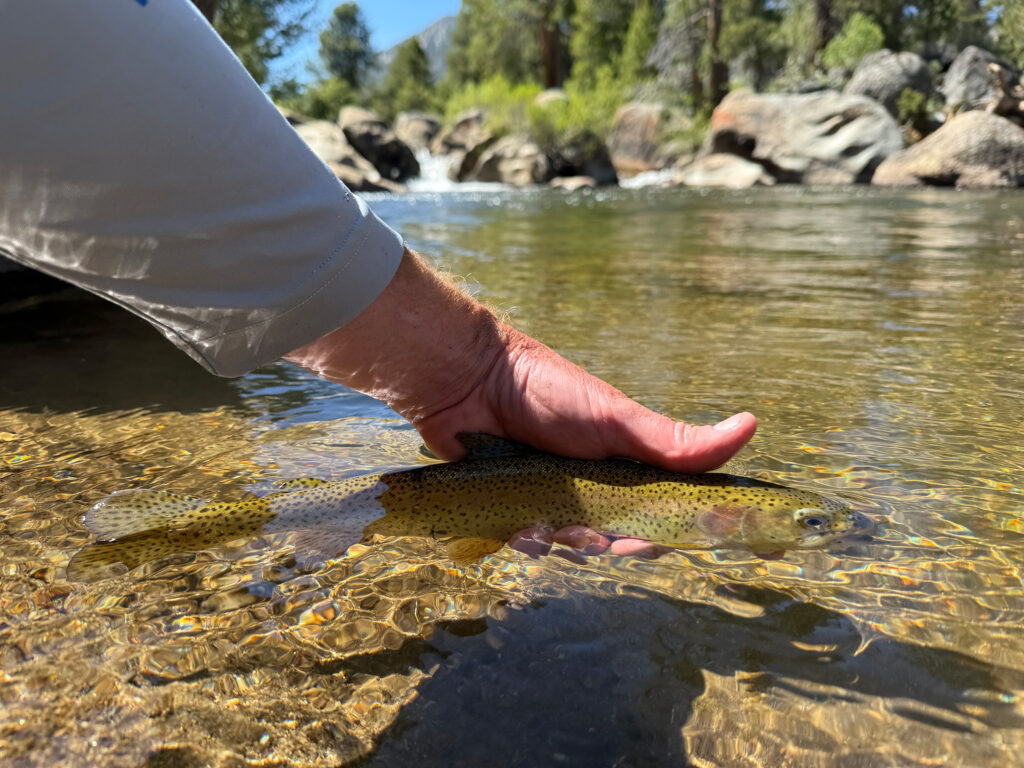
While rainbow trout are not threatened or endangered, there are unique subspecies that are at risk.
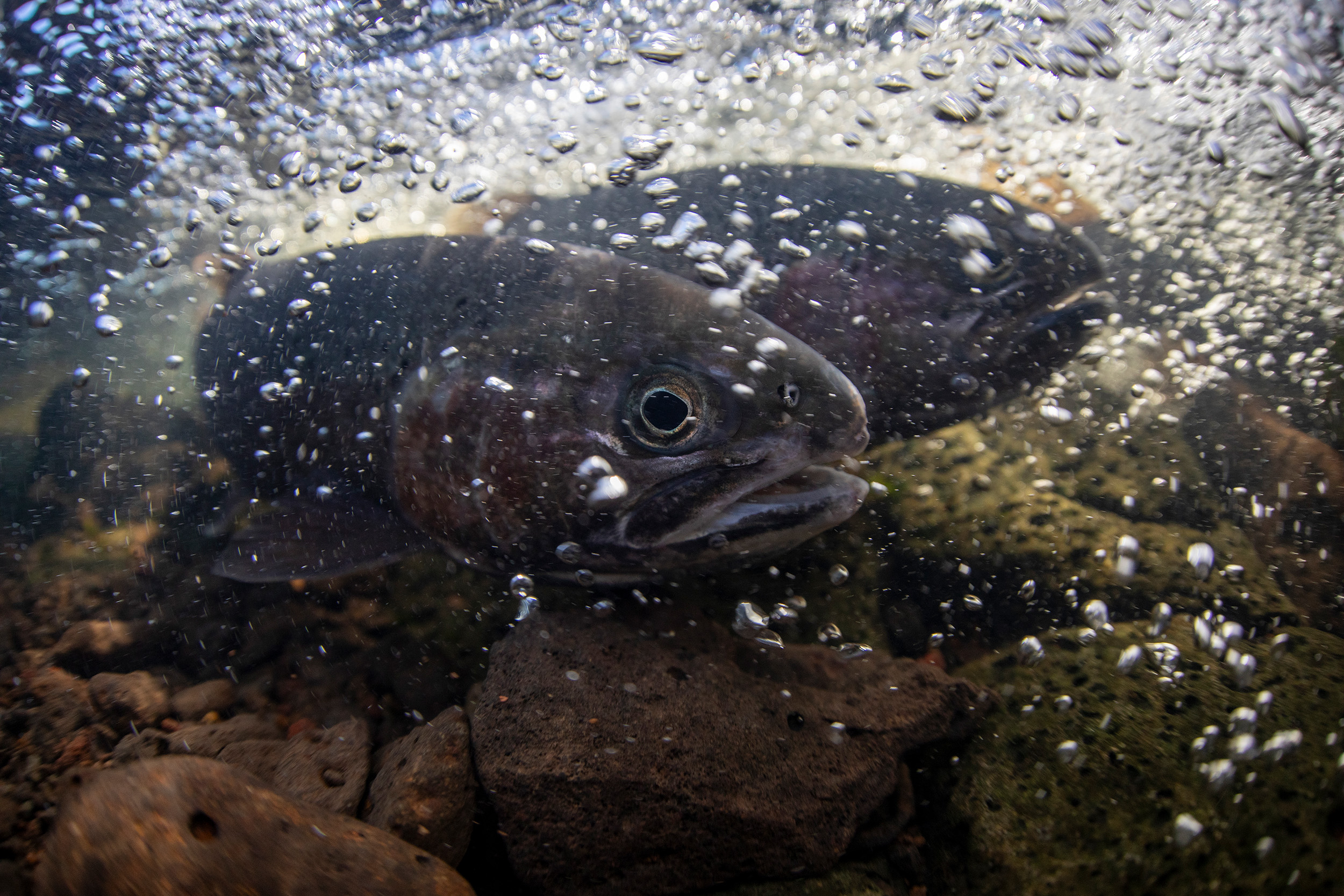
Populations like the Kern River rainbow trout are candidates for listing under the Endangered Species Act. Similar to other trout species, rainbows need distinct environmental conditions to thrive. Water temperatures consistently above 65 degrees can stress rainbow trout and cause mortality. Another important element for rainbows to have is water that contains dissolved oxygen levels with a minimum of 5-6 parts per million (ppm), or more optimally, 7-9 ppm.
Climate change, development and drought pose major challenges for many native rainbow trout waters. For example, at Eagle Lake, this is manifested in consistently dropping lake levels and a spawning creek that dries up and traps adult and juvenile fish. The chemical 6PPD-Q that comes from decomposing tires, which enters rivers and streams through roadway runoff, is extremely lethal to trout and salmon.
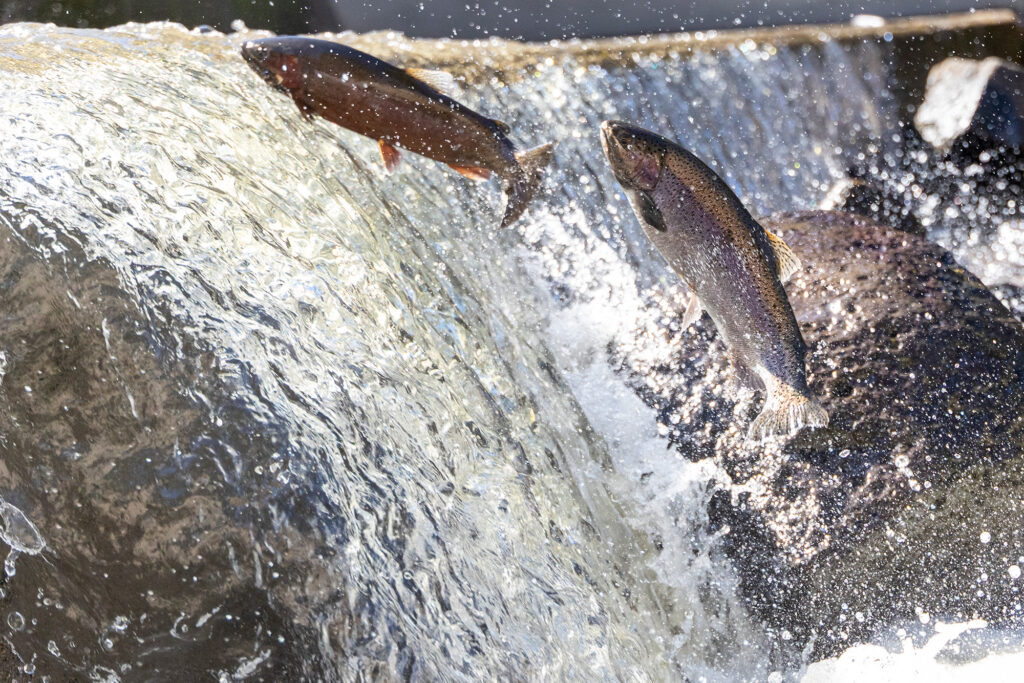
The larger pressures of climate change can be amplified by problems like habitat fragmentation from dams, culverts and other man-made river or stream blockages stopping fish from migrating to colder water or spawning habitat. Increasing water temperatures and the frequent transfer of hatchery-grown fish can spread diseases like whirling disease.
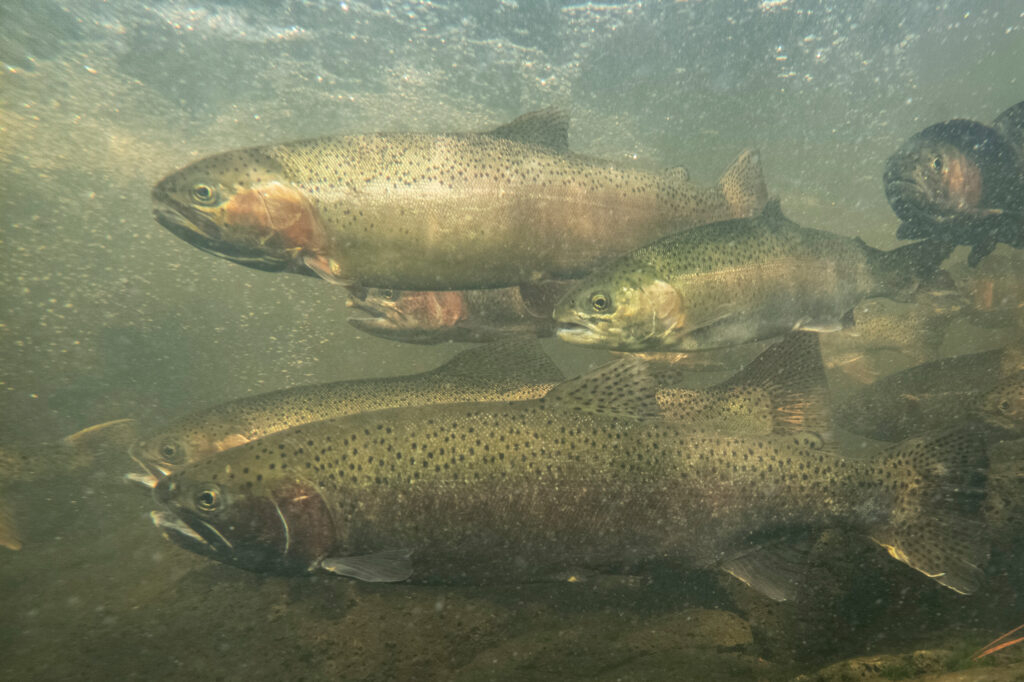
While these problems affect rainbow trout and can reduce their numbers, one of the primary concerns for native rainbows is genetic dilution. Because rainbows are so commonly introduced through hatchery programs, protecting the pure genomes of many of the segmented populations, especially the variety of redband species, many of which only live in very specific watersheds, is increasingly difficult. Hybridization occurs not only within the greater population of rainbows, but also with cutthroat trout species as well, similarly affecting the genetic purity. Rainbow trout breeders are becoming more aware of genetic lineages and go to great lengths to produce fish that maintain those heritages.
A huge amount of conservation work has gone into protecting the native waters of the West’s rainbow trout. From largescale restoration projects to small barrier removals and population support, nearly every river or stream conservation project in the western United States indirectly or directly benefits rainbow trout in some capacity. Still, more work is needed to protect many of the smaller populations.


Trout Unlimited has been involved in many of these projects, including improving spawning habitat for Eagle Lake rainbows, pushing for increased flows on the Kern River and working to ban 6PPD-Q in Washington. Occasionally, the work to save one native species means removing and trying to reduce the impact of non-native rainbow trout.
Maybe it’s a special fly, covering a lure or bait with a unique scent coating or making a certain presentation.
There is one rule that looms large when fishing for rainbow trout: Every body of water is different, and each may require a slightly different approach. That said, there are often many commonalities.
Rainbow trout are predators. They’re ravenous and feed heavily on everything from aquatic insects, small fish, (including cannibalistic tendencies), worms, bugs and terrestrial critters like mice, shrews and frogs. In many places, rainbows will vacuum up salmon eggs, and some will even filter feed for tiny prey like daphnia.
Anglers in the West will generally look for what’s hatching on their local water. Attractor flies like stimulators or generic flies like the Pat’s rubber legs that imitate common aquatic bugs like stonefly nymphs are great options in moving water. On many rivers and in still waters, rainbows will frequently chase lures or streamers. The hunt for bigger rainbows often requires the use of bigger flies or tackle. While salmon eggs, as well as flies and beads that imitate them, often work year-round in many waters, some areas will have a specific period when there’s an “egg bite.”
For fly fishing in most scenarios, a 5-6-weight rod will work fine. Depending on your fly selection, a floating line is often a great choice. Indicators allow anglers to present their fly at a specific depth, making it easy to target fish where they’re feeding. Fishing deeper may require the use of weights or sinking lines.
A huge variety of techniques are used to target rainbows. Everything from trolling flies to fishing the tiniest dry flies can work.
Fishing regulations regarding rainbow trout vary widely, with some fisheries offering catch-and-keep and others entirely catch-and-release. Rainbow trout is a popular food fish, and a huge aquaculture product with thousands of tons of rainbow trout being caught or bought and eaten each year globally. Consult local regulations before fishing.


Comments