
After a grueling year, most teachers look forward to the end of the school year and a much-needed rest with a great deal of relief and anticipation.
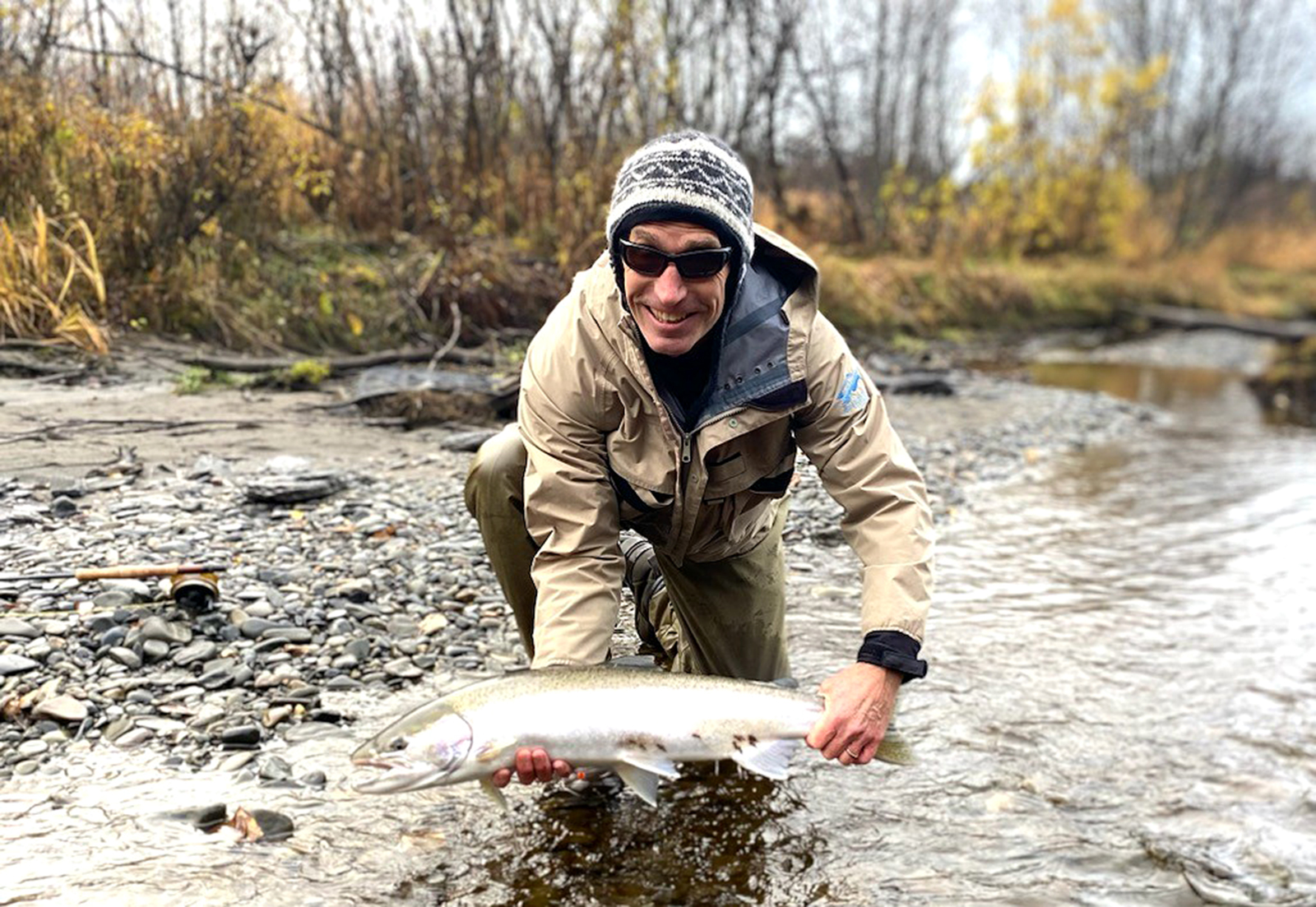
Stream champion Tony Lewis, however, gladly extends his school year, spearheading the popular weeklong Kenai Peninsula TU Youth Flyfishing Camp.
“It may seem counterintuitive,” he says, “but devoting a week to teaching middle school kids about fly fishing and conservation after the long grind of a school year actually helps recharge my battery.
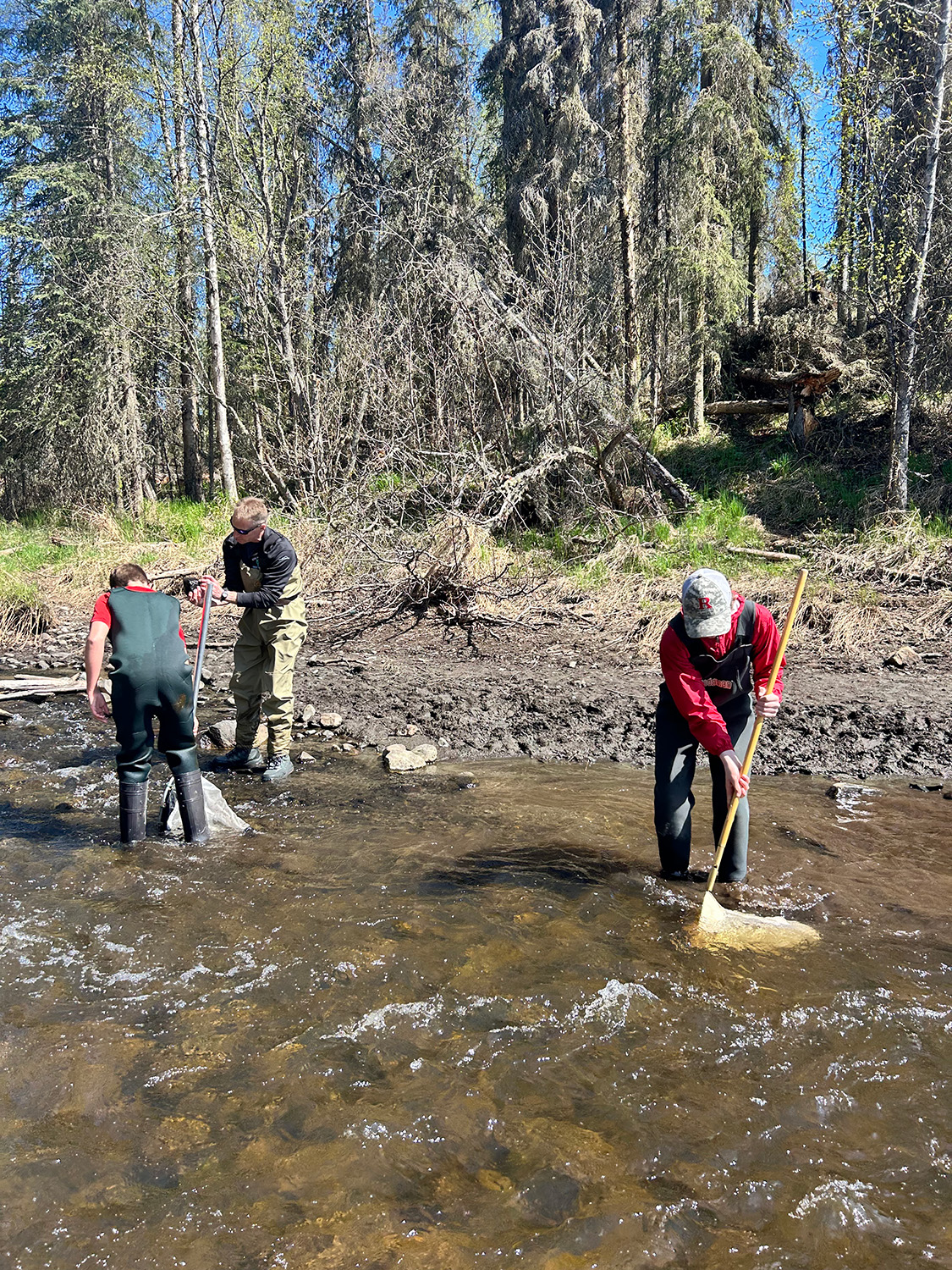
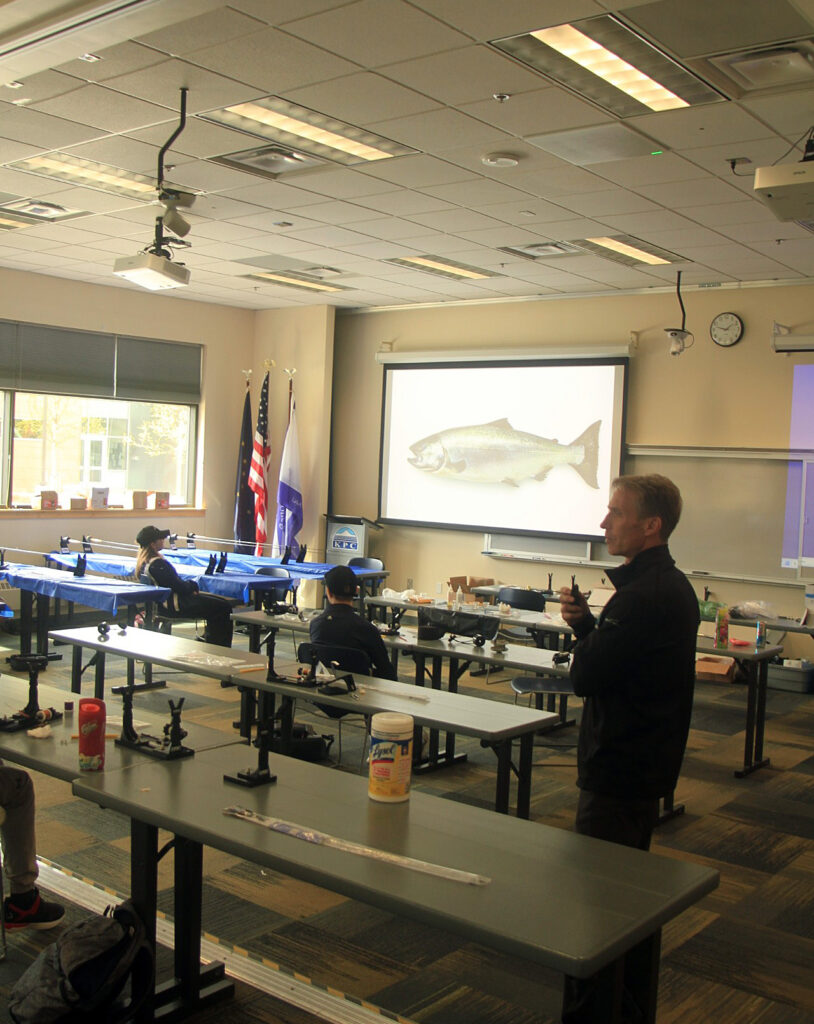
“At camp, I’m surrounded by kids who are motivated and excited to be at our school. It’s like the difference between being a classroom teacher and being a coach, and it’s a great way to kick off the summer.”
A sweet spot to create a champion
It’s a difference Lewis appreciates, having often coached soccer and skiing. It was a long trip to the classroom for Lewis, however, who started as a journalist and worked as a firefighter and paramedic before deciding to become a middle-school science teacher.
Lewis has loved angling since he was a kid, and it’s obvious how much he enjoys sharing his passion. Growing up near Corvallis, Oregon, he fished local rivers with his dad for salmon and steelhead.
“We never caught many fish, but those are fond memories,” he says.
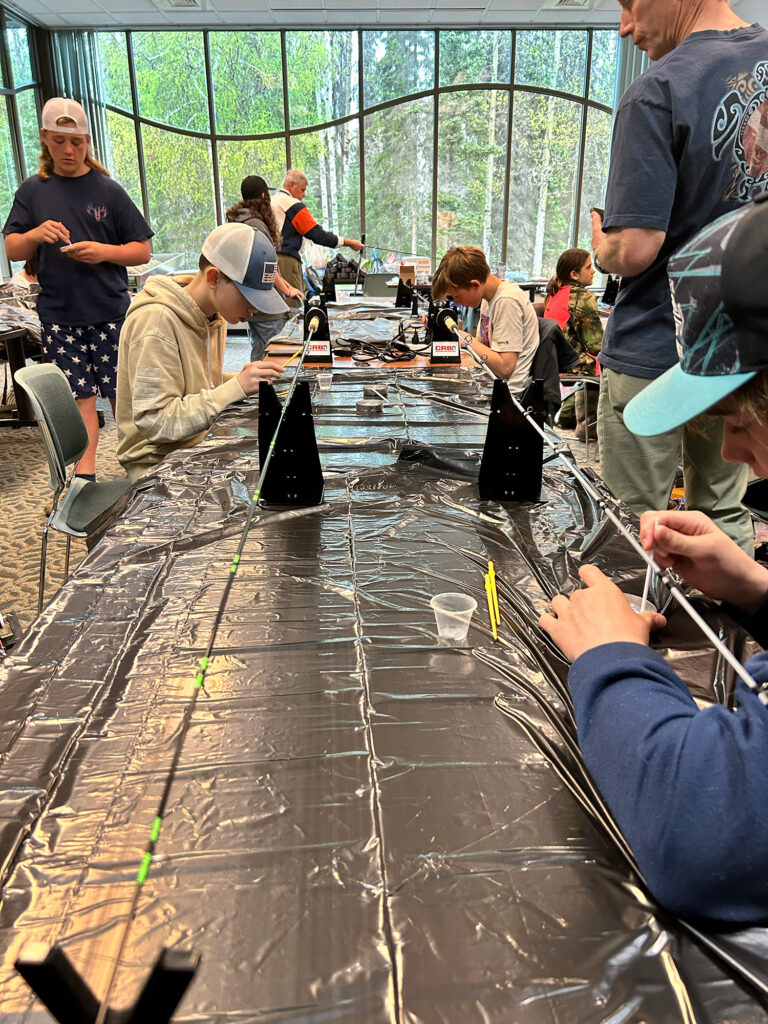
So is the rod building kit he received one Christmas. “I built my own salmon rod, which I think about a lot when we are building rods at camp,” he says.
Worth it to keep coming back
Lewis also says what keeps him motivated is the success the camp has seen in the four years since it began.
“Sharing that experience with a team of volunteers is addictive,” he contends, with a bright smile.
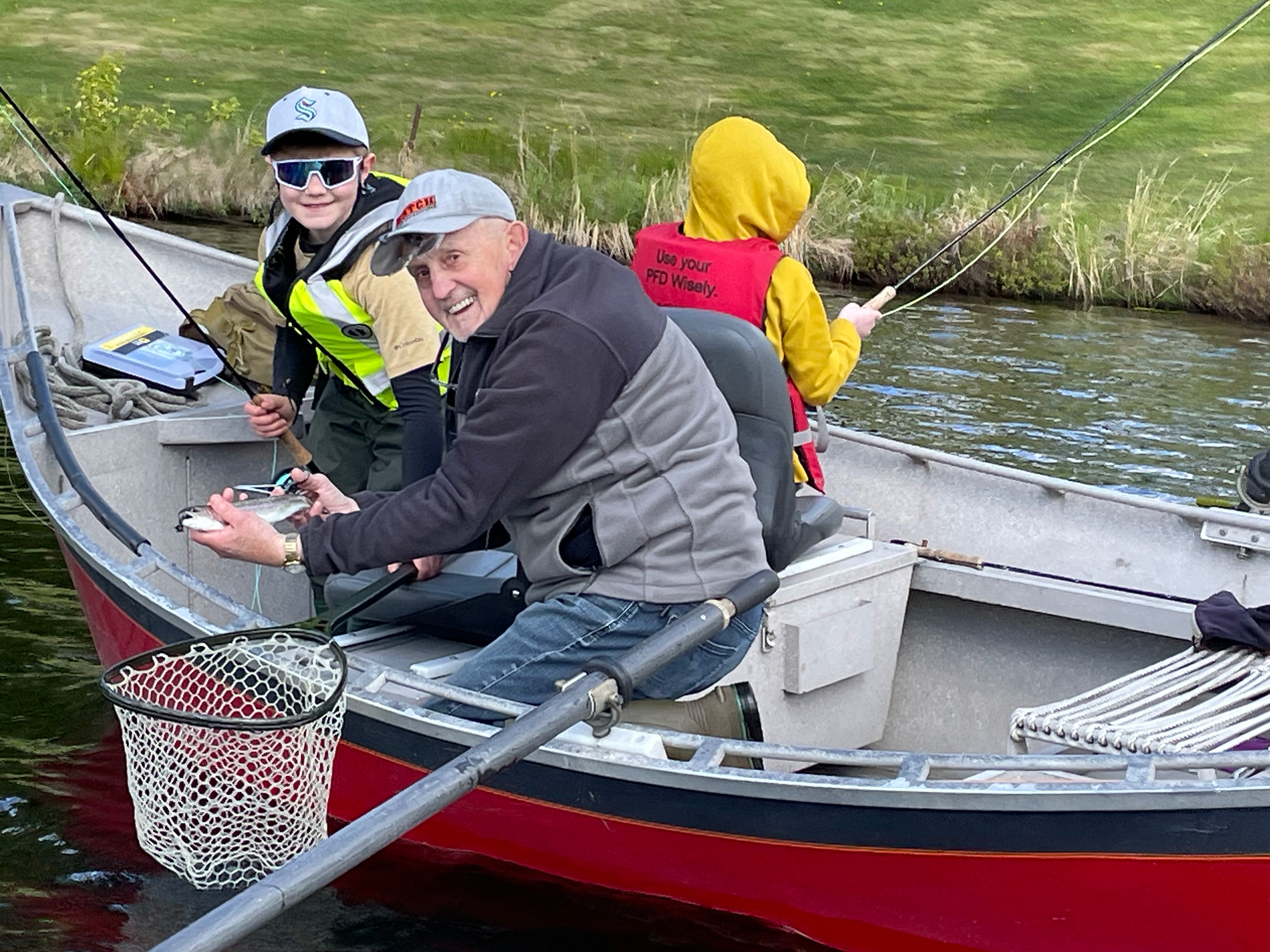
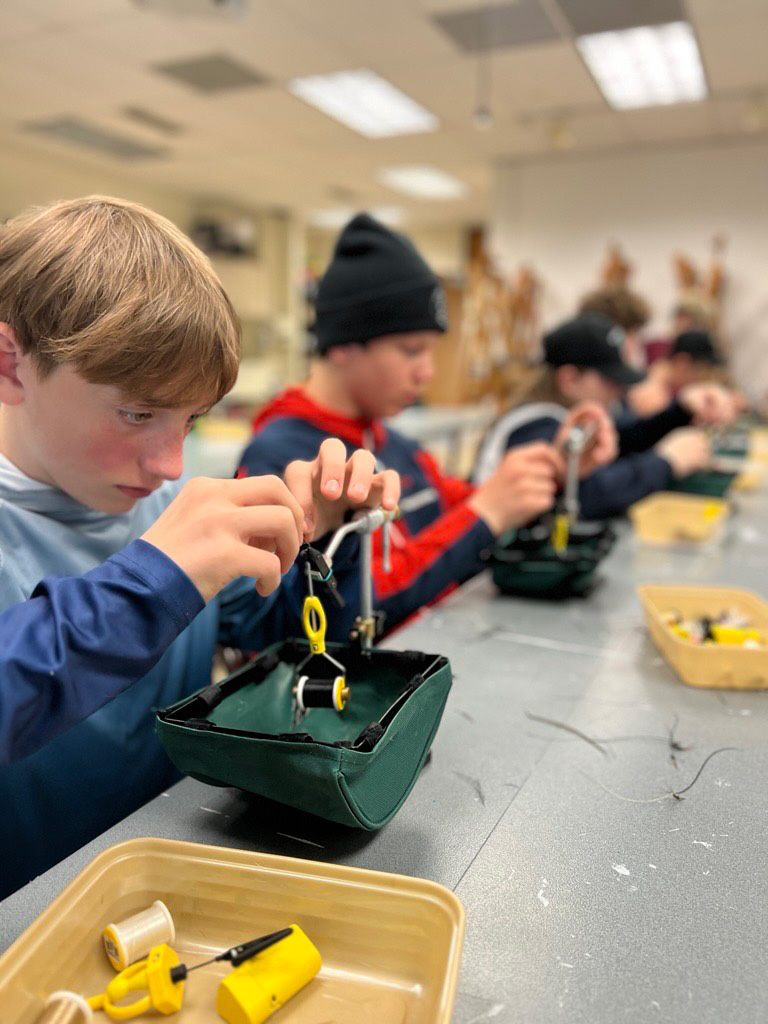
“Sure, I do a lot of the organizing, but I don’t do this camp alone. Others work on fly tying, casting, building rods and stream ecology. And we have a whole crew to row boats and another barbecuing hamburgers and hot dogs at our end-of-camp picnic.”
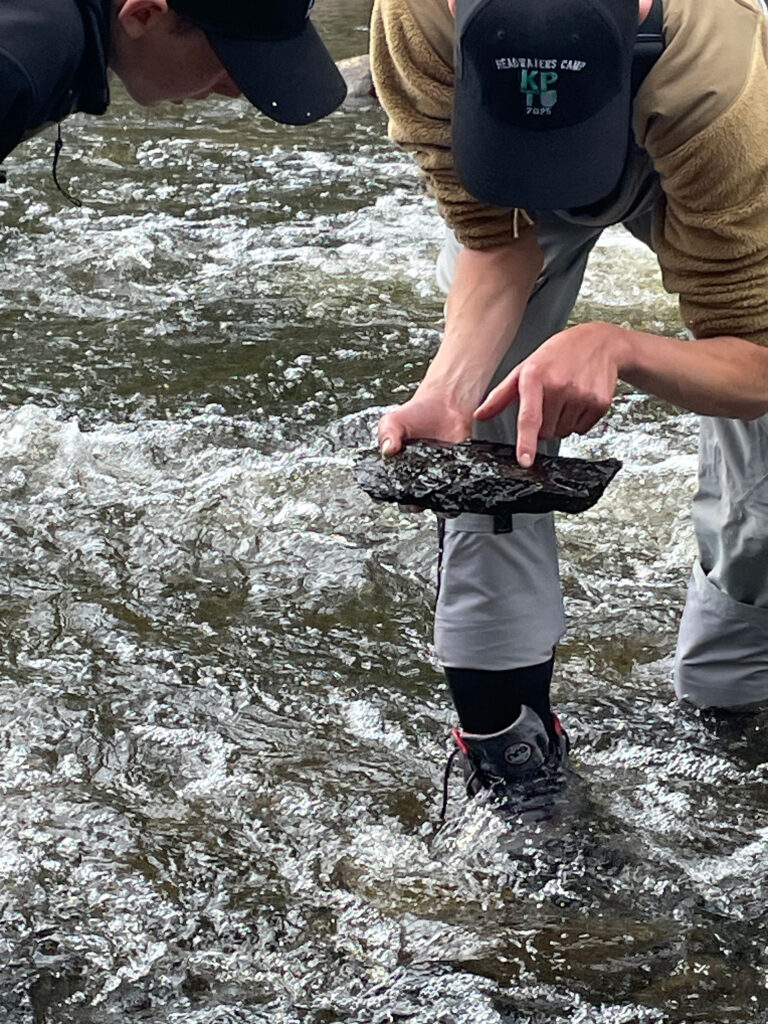
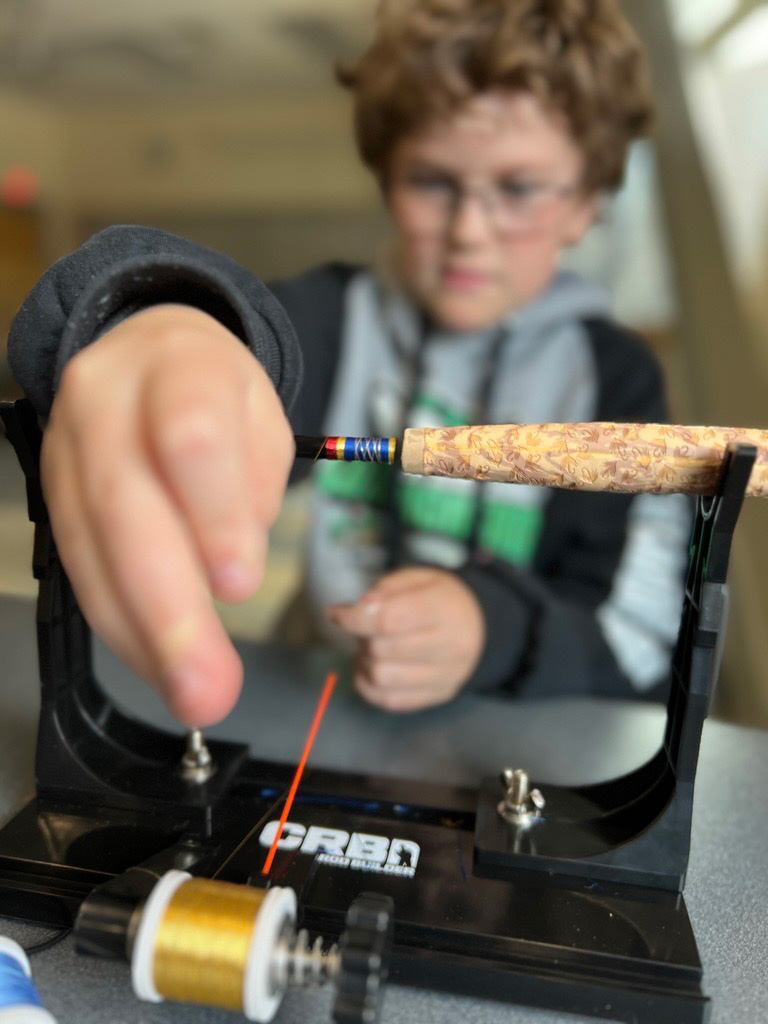
“When it all comes together, and we can all celebrate together, it’s a great feeling.”
Listening to a calling
Now, approaching 60, Lewis says he finds himself thinking about being useful in retirement, and he keeps hearing the call of conservation.
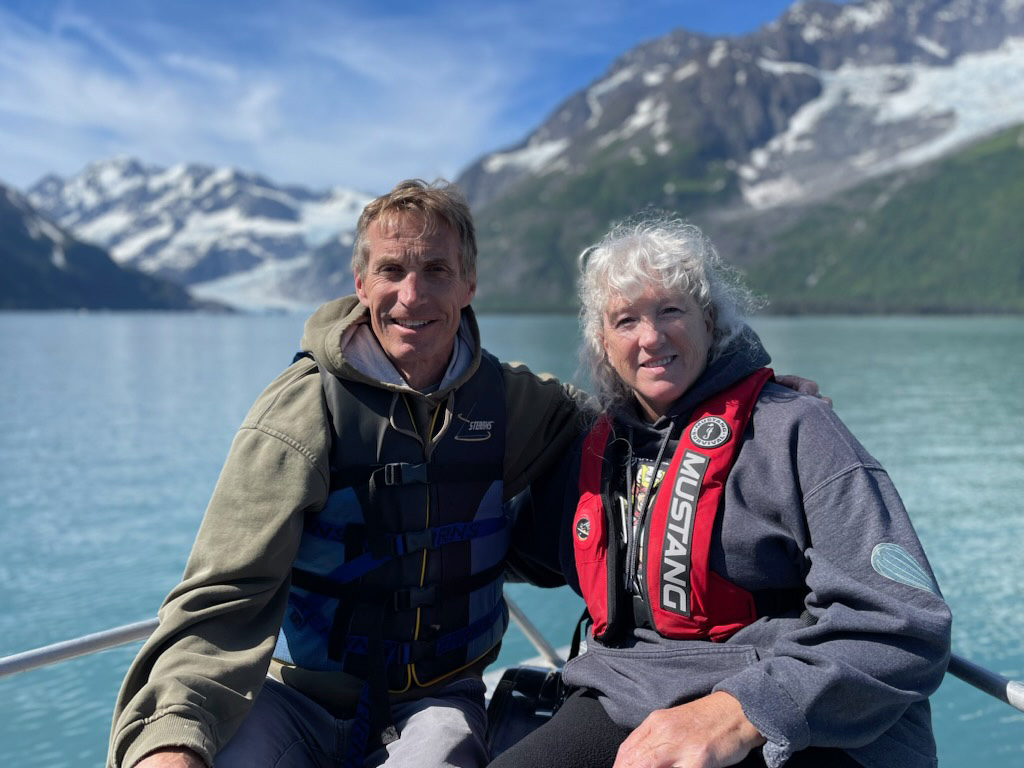
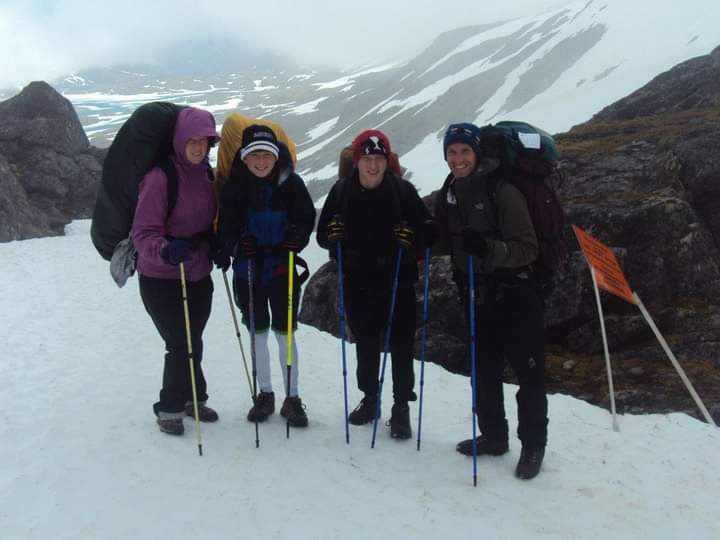
“I have been blessed in my life to be able to enjoy wild places and cold, clean rivers,” he says. “I have two sons in their 20s now, and I want them to be able to say the same thing when they are my age. That’s one of the reasons I decided to become active in Trout Unlimited a few years ago. When I joined the local chapter, I didn’t want to simply sit on a board and attend meetings once a month. With my background, helping run a youth fishing camp was the perfect fit.”
Contributing the community
Lewis’ efforts don’t stop there. He has taken the reins on many chapter projects.
He and fellow board member Bill Tappen, a stream champion in his own right, took on the monumental task of securing a state gaming permit for the chapter, navigating a difficult and lengthy process that has deterred many. This permit allows the chapter to fundraise by hosting raffles. The funds they’ve raised support the kid’s fly fishing camp, steelhead research and other chapter initiatives.
He also regularly assists with adult fishing classes and fly tying, as well as taking the lead on several subcommittees on the newly formed Kenai King Initiative, an effort to thwart the drastic downturn of king salmon.
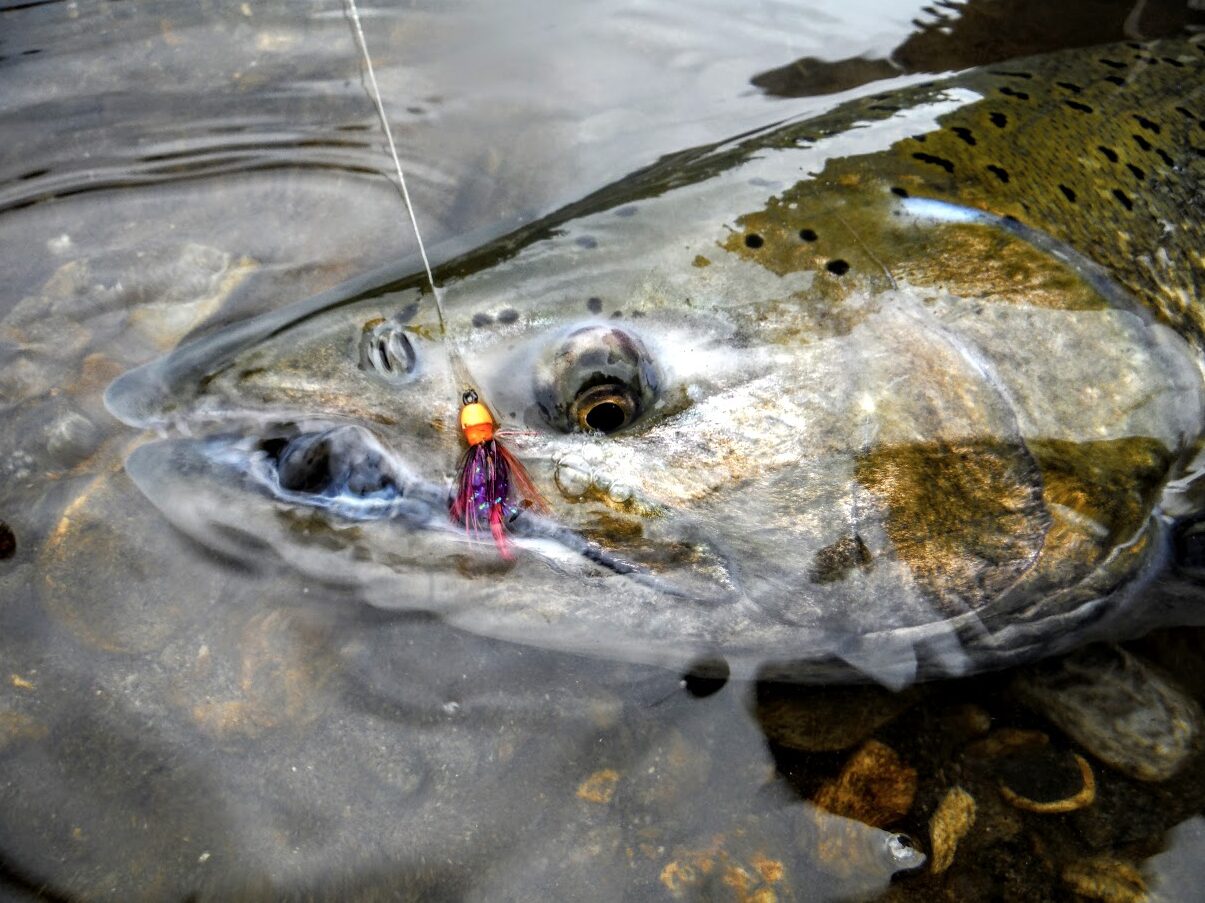
But Lewis’ passion is the kid’s camp, and he hopes it will inspire other TU chapters to host camps of their own.
“It’s really not all that difficult,” he asserts. “We’re not a very big chapter, and we did it. Just start small. Spend a few hours teaching kids how to cast and then take them fishing. I guarantee that you and your chapter will have a great time.”
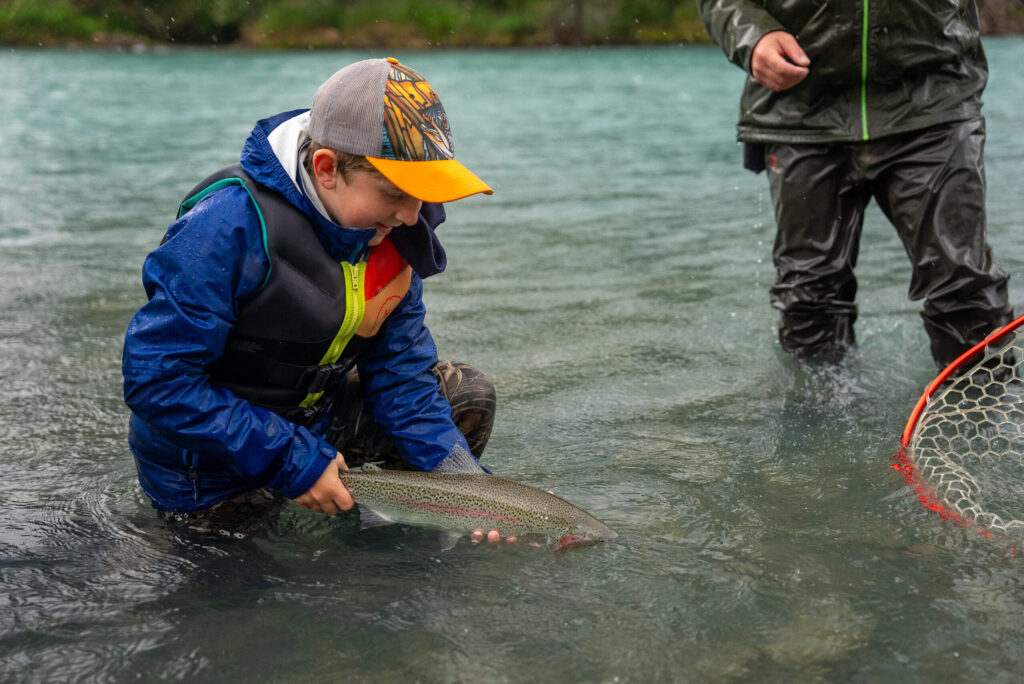
Lewis credits TU with giving him the opportunity to make a meaningful contribution to his community.
“It’s helped me conserve the places and outdoor opportunities that have enriched my life,” he says. “And given me the opportunity to run the camp. The kids are so excited and appreciative, and their energy is infectious.
“I’m not going to lie, it feels good to be appreciated, and we get a lot of ‘thank you’s’ from the kids, parents and community. That’s what makes it worth the effort.”
Fishery Spotlight: Kenai River
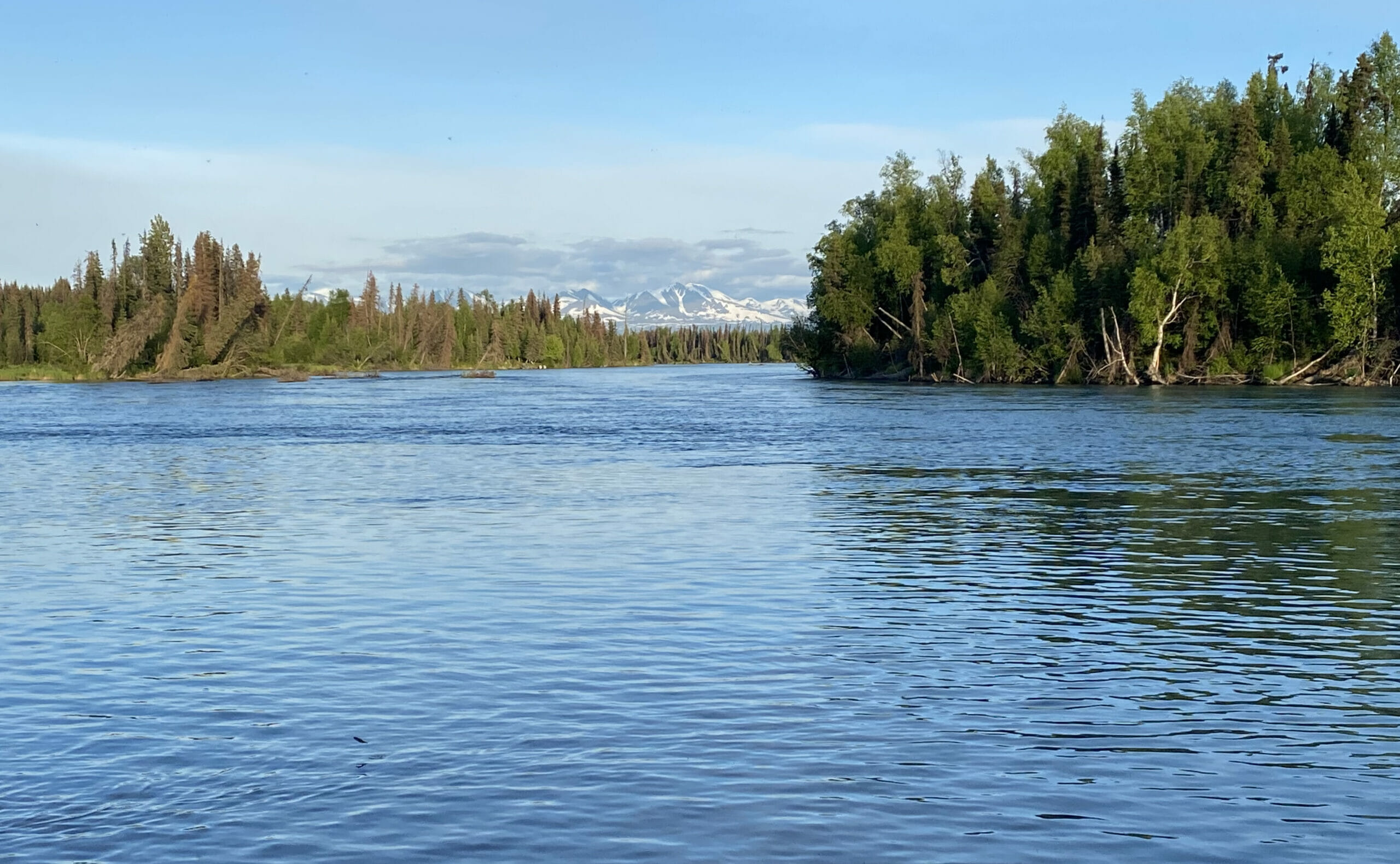
The Kenai Peninsula Trout Unlimited Chapter is named after the beloved Kenai River. This road accessible river is Alaska’s most popular sportfishing destination. It is also its largest sockeye salmon sport fishery. Millions of sockeye surge through the river starting in early June. During sockeye season, anglers cram the banks, standing shoulder to shoulder to harvest these delicious fish.
It is no surprise that the Kenai is also a trout angler’s dream. The river’s two lakes, Kenai and Skilak, are excellent overwintering habitat for both trout and juvenile salmon. Every fall, Kenai rainbows gorge themselves on salmon eggs and flesh. This abundant food source is a large part of the reason trophy size rainbow trout are prevalent throughout the river. Kenai River rainbow trout may be as old as 13 years with some reaching over 30 inches.
Bead and flesh patterns perform well during the fall salmon spawn. Streamer patterns are great during early summer and late fall. The river’s coho salmon run is a fun time to get some aggressive topwater action.
Every River Needs a Champion
The same free-flowing rivers that sustain trout and salmon bring clean water into our homes, give life to vibrant communities and feed a passion for angling and the outdoors.
Today, our fisheries and rivers face enormous challenges. At Trout Unlimited, we are doing something about it, and we need your help. Sign up to be a champion for your rivers, and help us unlock the unlimited power of conservation.