


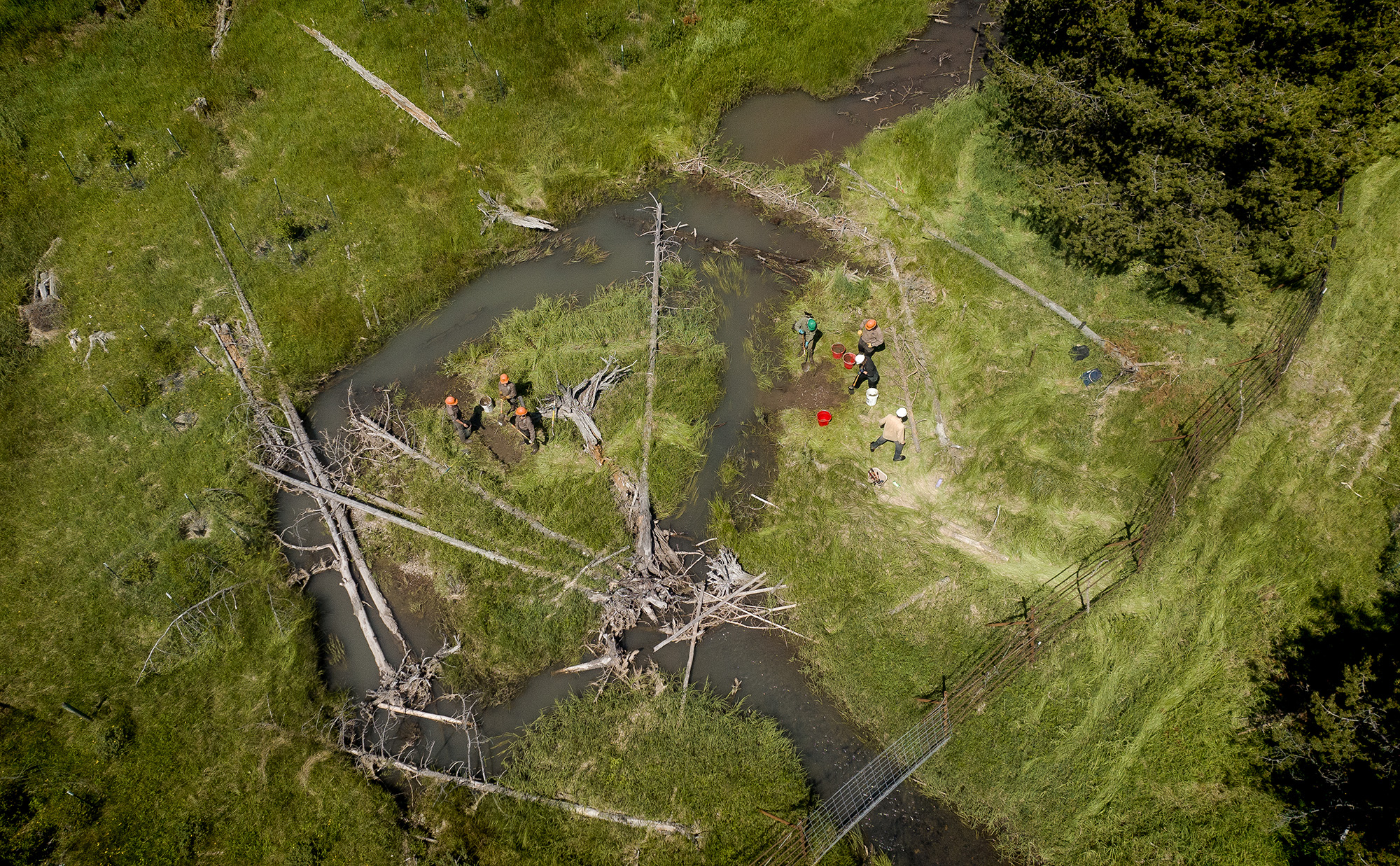
Acronyms such as LTPBR (Low-Tech Process-Based Restoration), PBR (Process-Based Restoration), BDA (Beaver Dam Analog), PALS (Post-Assisted Log Structure), LWD (Large Woody Debris), and ELJ (Engineered Log Jam) are used all over the stream restoration community.
Whether referring to the design manual published by Wheaton et al. through Utah State University or just referring to the general philosophy behind improving stream function with beaver dams or large wood structures, LTPBR or PBR are useful (albeit sometimes misused) titles for a broad style of stream restoration.
Why is PBR, LT (Low-Tech)?
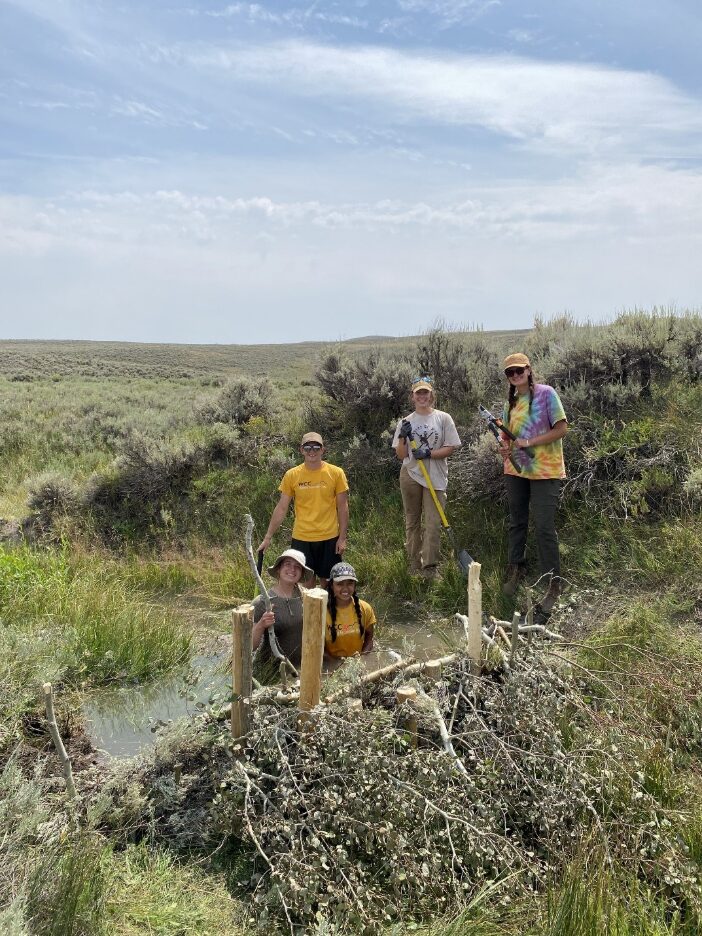
It is not a light Pabst Blue Ribbon, but that does exist. Low-Tech means that the restoration approach does not require heavy machinery and uses hand-built, non-engineered structures made of natural materials with short-term life spans.
What is Process-Based?
The addition of wood and beaver dams encourages specific stream processes that will allow the stream to recover through its own power.
Structures are designed to induce erosion, deposition, pool scour or other changes over the next 5-10 years of high flow events. This is opposed to other stream restoration techniques, often coined as Natural Channel Design (NCD), where the new stream channel is sculpted with heavy equipment and designed to stay in place with a high degree of stability for decades.
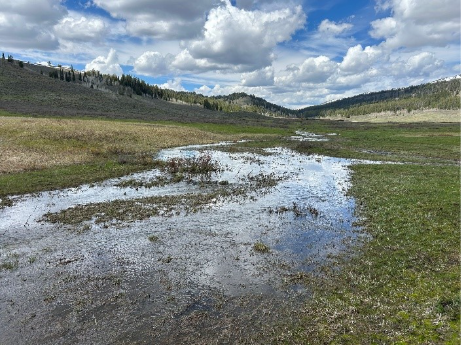

Beaver dam analogs on Meadow Creek (tributary to the Little Greys River) spread high flows from an incised channel out onto the floodplain and capture sediment mobilized by the high flows. At low flow, they elevate the water table and saturate some areas of the floodplain. Photos from the Steer Creek BDA Sediment Reduction Project completed by TU, WGFD, and Bridger-Teton National Forest.
Riverscapes across North America experienced dramatic impacts from beaver extirpation, logging and other land use practices which reduced channel complexity and roughness. Loss of beaver dams, log jams and riparian vegetation led to channel incision (down cutting), channel simplification and floodplain abandonment (high flows no longer spread out on the floodplain).
PALS, BDAs and other wood structures can be used to aggrade sediment during flood events to elevate the streambed, raise the water table and reconnect the stream to its floodplain.
Wood structures can also be strategically placed to encourage pool formation and increase habitat complexity, cover and spawning gravel for trout.
Some structures are even intended to encourage bank erosion to produce gravel to be caught by downstream structures. Structure design, placement and intent vary widely depending on different stream types, individual preferences of practitioners and the type or scale of degradation.
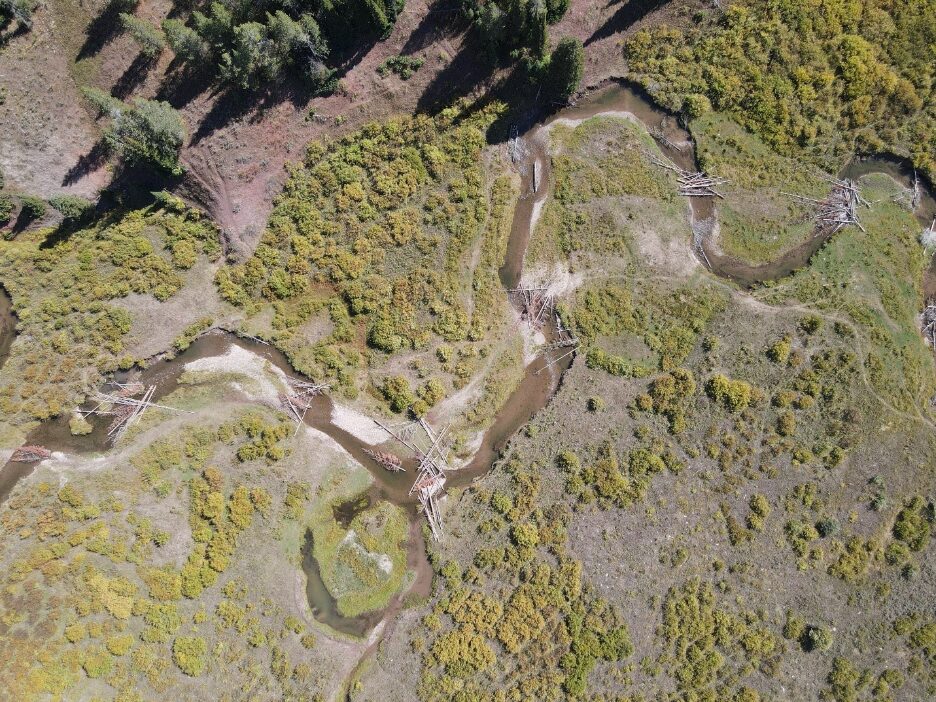
In general, BDAs are used on smaller streams to restore beaver ponds and wet meadows that can capture sediment, store water and provide trout and wildlife habitat.
As streams get larger, PALS or other brush and log structures are used more commonly. PALS are generally faster to construct than BDAs, and with the higher sediment loads and stream power on larger streams, can often achieve similar results. Wood may also be added without posts in purposeful, robust structures, or it can be placed loose for the stream to move.
A common objective of PBR projects is for beavers to eventually occupy and maintain the dams or for natural wood recruitment from upstream erosion to replenish the habitat complexity and function of large wood structures.
Thus, the goal is not for the stream to remain static in its post-restoration state but for it to maintain or increase in habitat complexity and stream function through natural processes.
Process-Based projects often occur in multiple phases where structures are added and BDAs are repaired until the system is meeting objectives and seems to be self-sustaining.
Examples of this work
North Fork Tincup Creek Process-Based Restoration Project
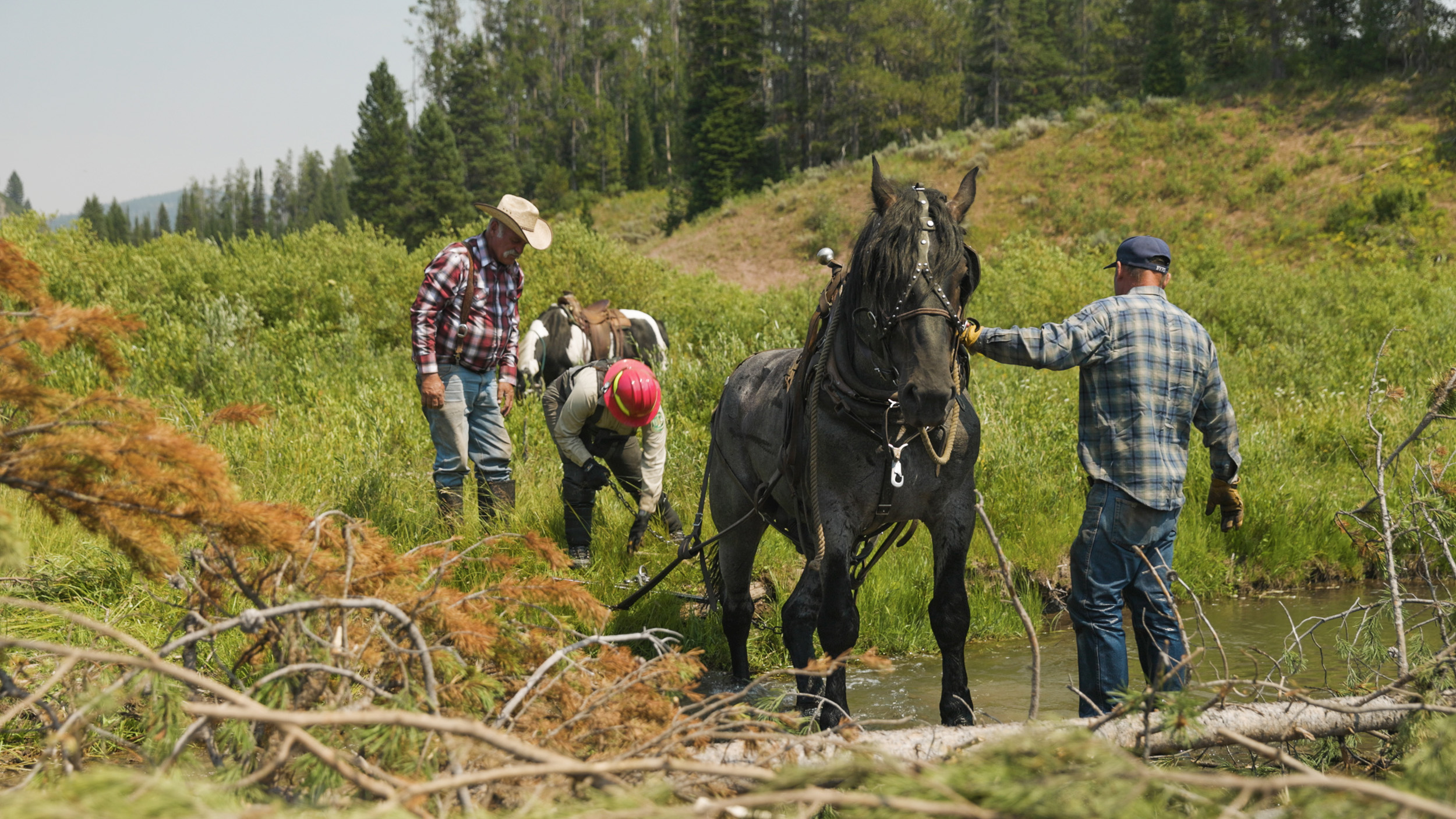
This Trout Unlimited and Caribou-Targhee National Forest (CTNF) project used log structures to restore 1.6 miles of over-widened, incised creek to improve trout habitat and floodplain connectivity. Draft horse teams were used to pull 800 logs into the stream over two phases. Log structures were placed across the entire channel at riffles to aggrade sediment and elevate the streambed. Wyoming Conservation Corps crews used post-pounders and chainsaws to reinforce the structures and weave in smaller brush and trees to reduce permeability.
TU and CTNF staff continue to monitor effects on the water table, stream cross-sections and other parameters.
Muddy Creek BDAs
The Muddy Creek BDA project is a part of a long-term landscape-scale project that Trout Unlimited has been working on with multiple other partners including Wyoming Game and Fish Department, BLM, local Conservation Districts, private landowners and the University of Wyoming. Over the past 5 years, TU and partners have built and maintained over 200 BDAs in Muddy Creek and its tributaries. Along with other project partners, TU continues to monitor the benefits to the Muddy Creek watershed and build on the success of the projects. Important monitoring metrics include riparian growth and water table rise in the project area.
In the end, LTPBR, BDAs, PALS, and the like are acronyms river and stream restoration specialists around the country are familiar with and putting into practice to improve stream health and habitat for fish.
And anglers should find value in learning about them too; because where there is improved habitat, fishing also improves.
Authors: Tanner Belknap, Trout Unlimited Salt River Watershed manager & Nick Walrath, Trout Unlimited Green River senior project manager