
-
Sulphur Perdigon Nymph
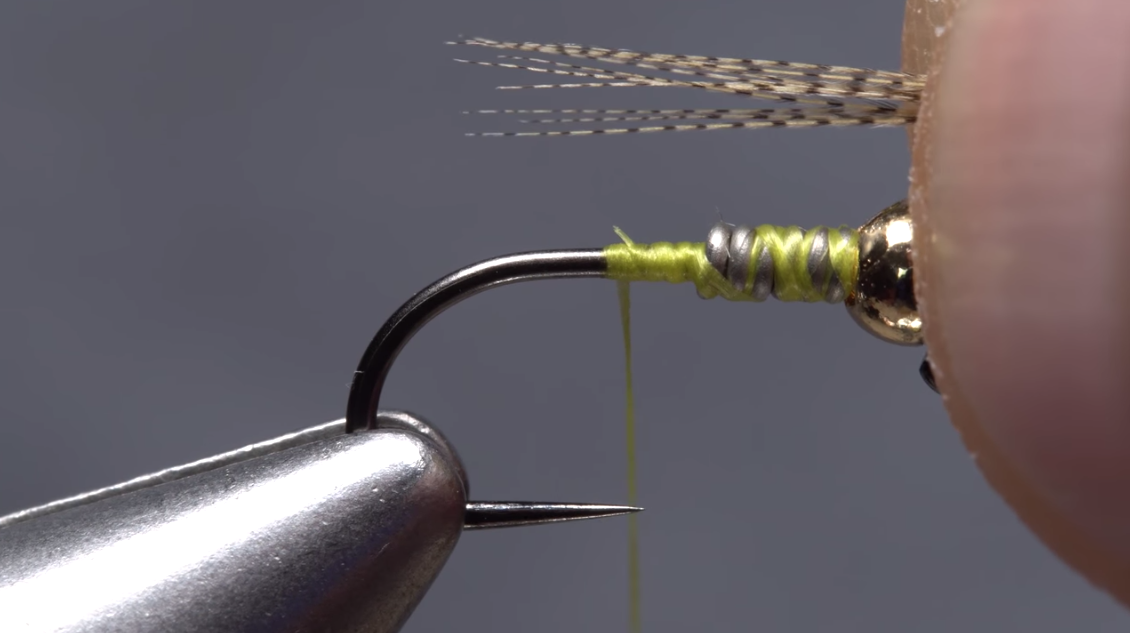
Perdigon-style nymphs are great for anglers who need to get deep, and get deep quickly. Tied with lead-free wire and finished with a hard-finish UV resin, these flies drop like stones and don't push too much water, which minimizes drag. https://www.youtube.com/watch?v=GGEP5eEwGcI Above, Tim Flagler of Tightline Productions ties his Sulphur Perdigon Nymph, just in time…
-
Trust the fly
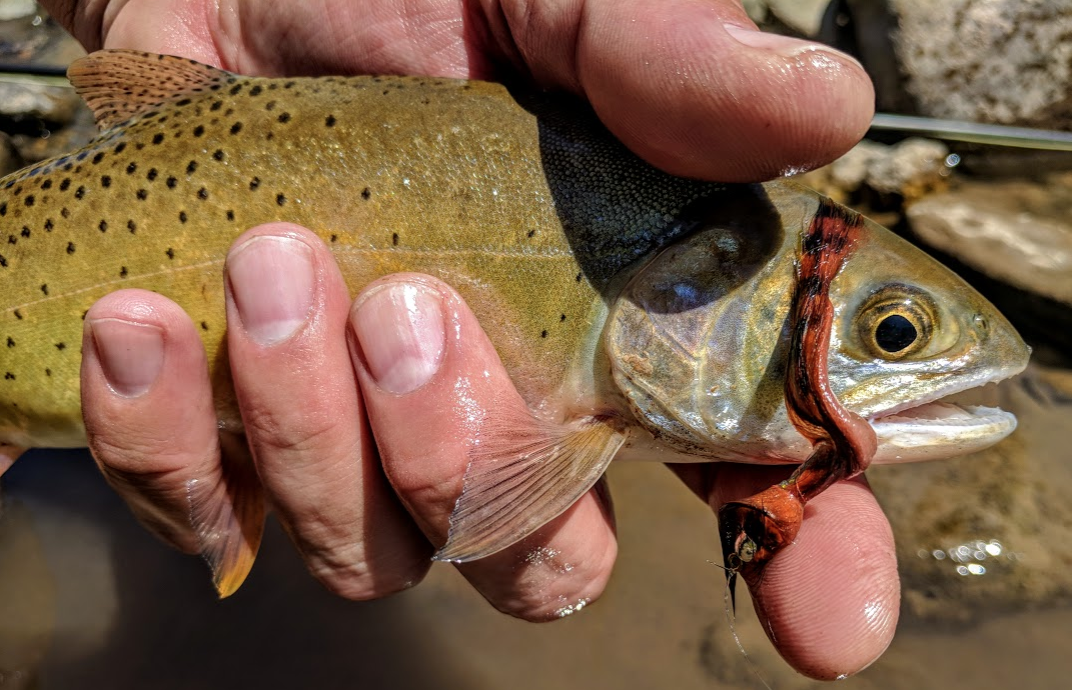
Editor's note: The following is excerpted from TU's book, "Trout Tips," available online for overnight delivery. Whether I'm fishing for striped bass in Massachusetts or trout in New Hampshire, my habit has been to choose a reliable fly pattern and stick with it. When not catching fish, I focus on presentation first and the fly…
-
The Copper John
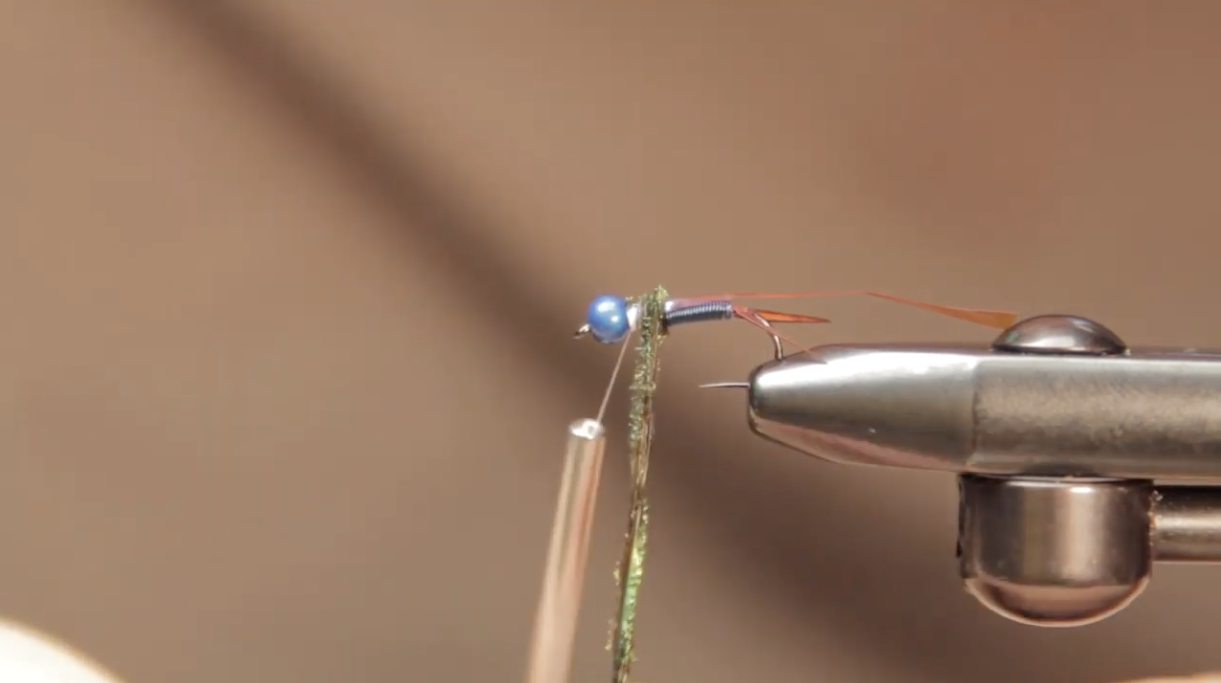
The Copper John is one of the most productive nymphs used for searching—this time of year, with runoff-swollen rivers and high, murky water, it's an excellent option for getting down deep and attracting trout. https://www.youtube.com/watch?v=jbcC1k07XTU The fly, originally tied by its namesake, John Barr, isn't just a high-water fly, either. It's a quality attractor that…
-
Wrapping soft hackle
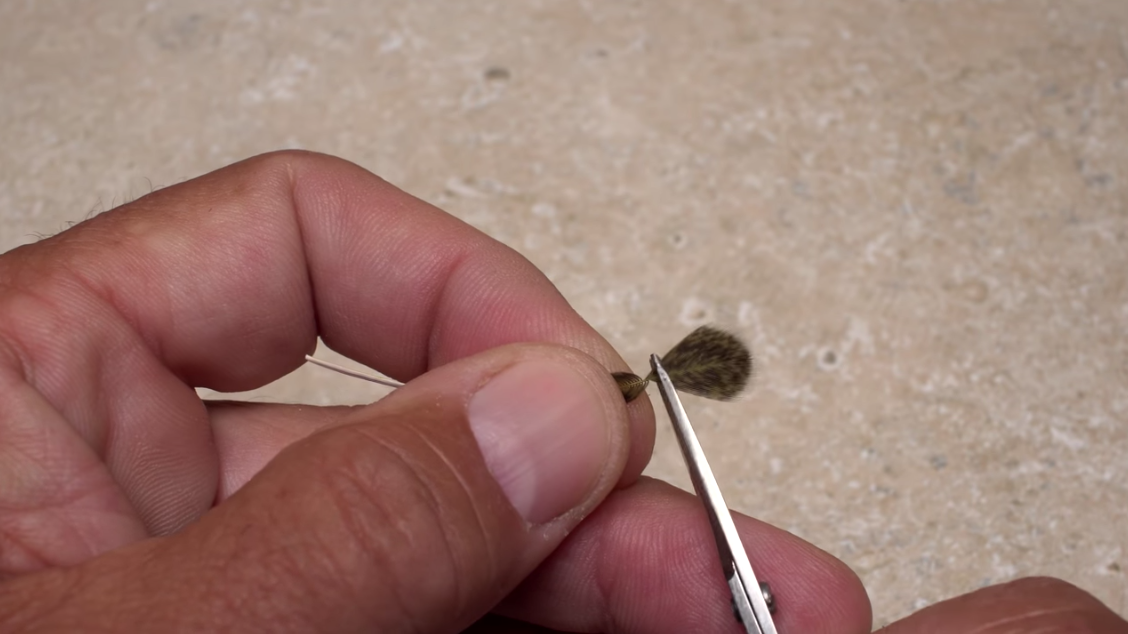
Soft-hackle patterns have earned a spot in my fly box. Over the last half-decade or so, they have gone from seldom-use curiosities from some hidden corner of a rarely opened fly box to my first choice on many waters here in the West. https://www.youtube.com/watch?v=YsP43A2fr84 The sparser the better when it comes to soft hackles. Why?…
-
Four-quarter fly fishing
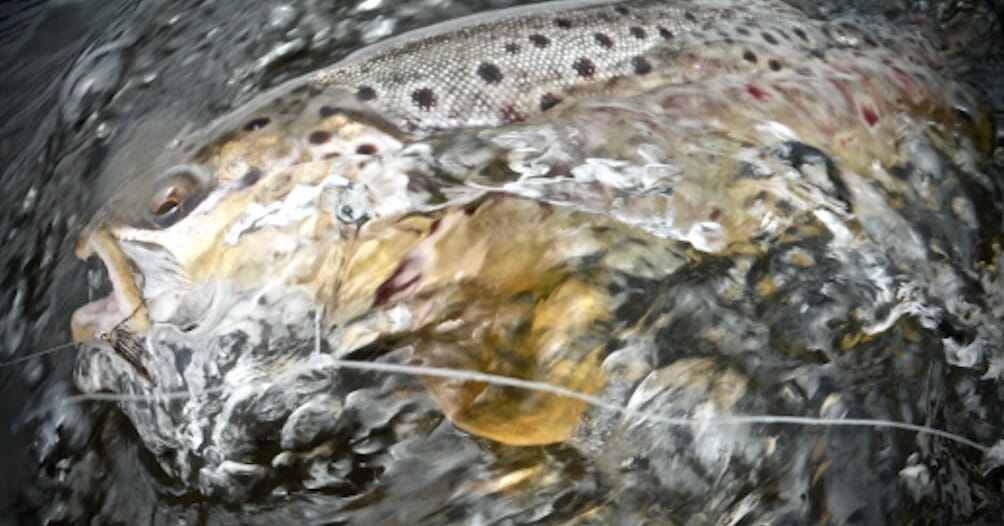
For years and years, fly fishing for trout, for me, was a three-period game, not a four-quarter contest. It was hockey, not football (even though I’m not much of a hockey guy). Depending on the season, the time of day or the weather, I’d go to my fly boxes and choose a fly from one…
-
Different posts for different light
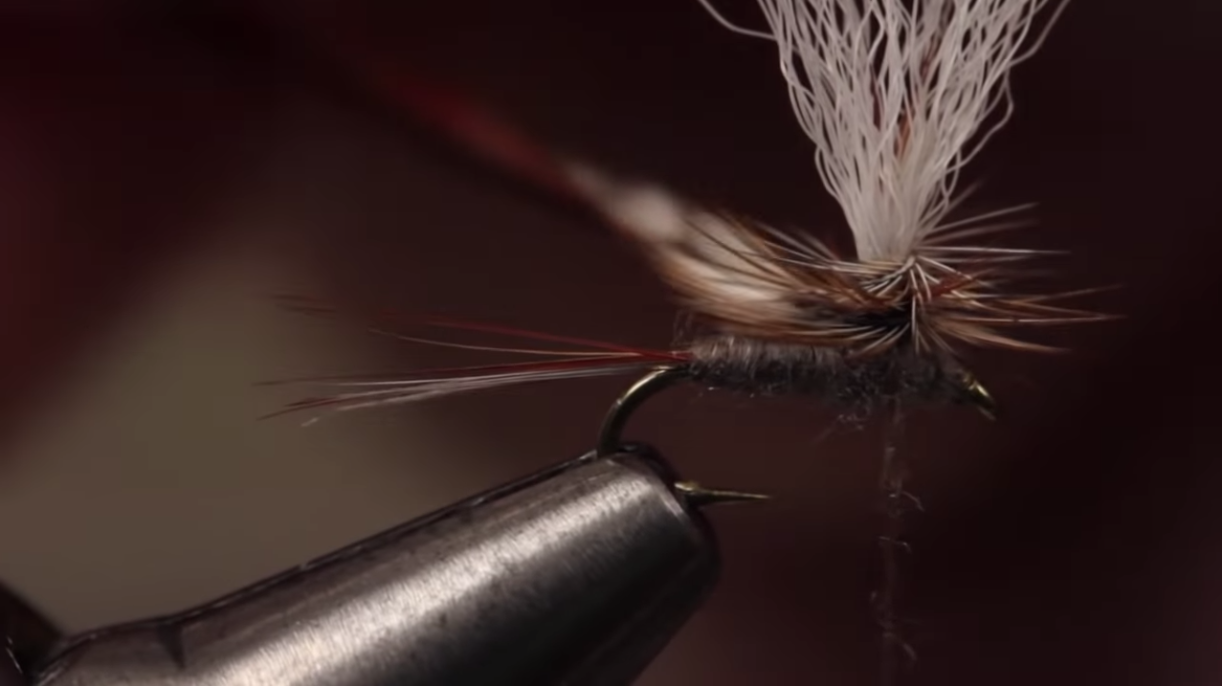
Editor's note: The following is excerpted from TU's book, "Trout Tips," available online for overnight delivery. Guide Pete Cardinal reminded me of this one as we fished the Missouri River in Montana in early fall. It's hard to beat a Parachute Adams as an all-around, do-anything dry fly. With a good cast, and a better…
-
Flashback Pheasant Tail nymph
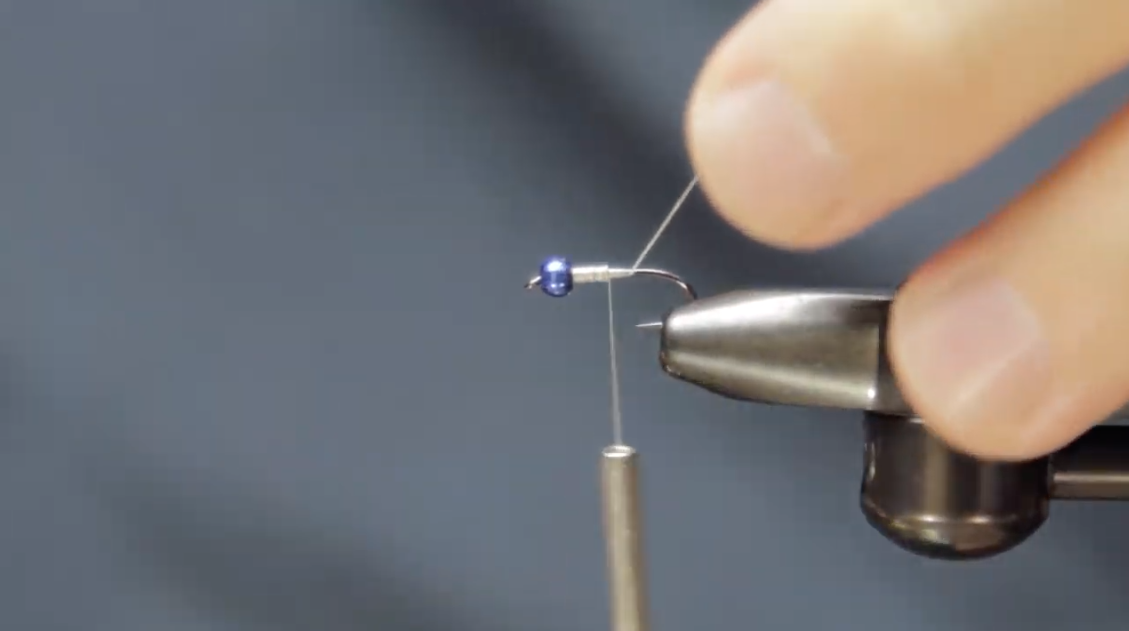
The venerable Pheasant Tail nymph is a fly box staple, and there's a reason for that. It works. And it's not the most onerous fly to tie, either, as demonstrated below by Matt Callies of Loon Outdoors, who cranks one out in just a few minutes. https://youtu.be/YgyPaFIEw8s Matt Callies ties the Flashback Pheasant Tail nymph.…
Category