

What the future of LWCF means for fishing, hunting and habitat
For more than 50 years, the Land and Water Conservation Fund (LWCF) has been one of America’s most powerful bipartisan conservation tools It has conserved fish and wildlife habitat, expanded public access for hunting and fishing and supported local economies that depend on outdoor recreation.
The Great American Outdoors Act (GAOA), signed in 2020 by President Trump, strengthened this legacy by permanently and fully funding LWCF (LWCF is funded with the receipts from offshore oil and gas drilling royalties, not taxpayer dollars), giving conservation partners long-awaited certainty and freeing the program from the annual budget battles that held back projects for decades.
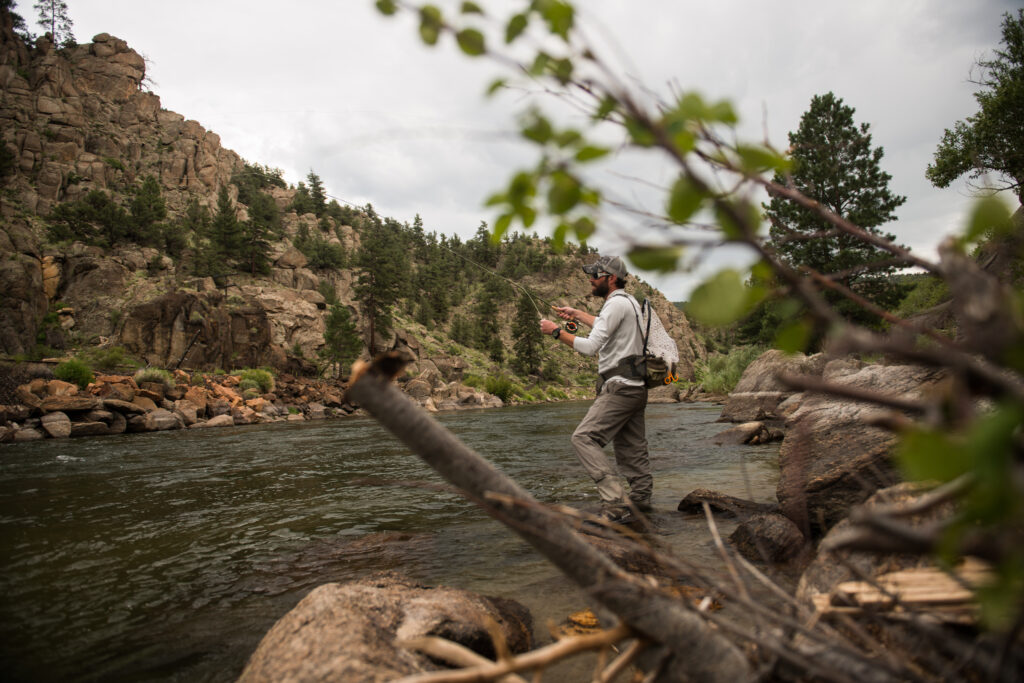
LWCF dollars have benefited every county in every state across America. From boat ramps and access projects to local parks and playgrounds, LWCF creates positive impacts for anglers and hunters, local communities and Americans of all walks of life.
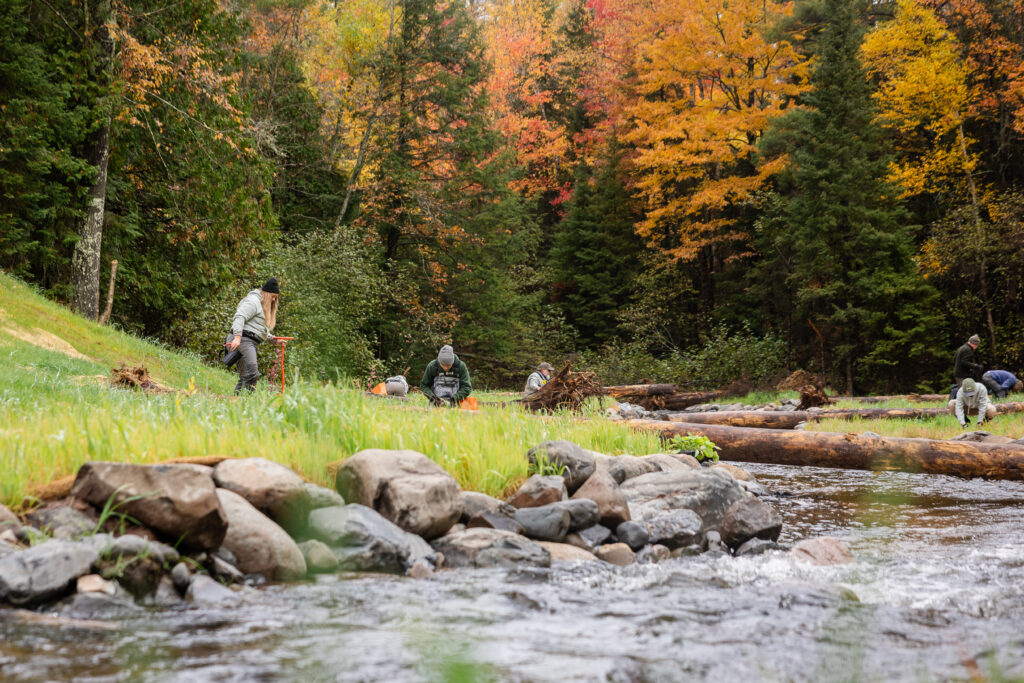
LWCF is also to thank for the protection of high-quality habitat such as these success stories in Maine, Illinois, and Wyoming.
An unnecessary bottleneck
Yet today, LWCF faces a new kind of threat: the failure to implement the program as Congress so clearly intended. The Office of Management and Budget (OMB) withheld the last two years of annual LWCF project lists that must be sent to Congress, creating a bottleneck that prevents critical habitat and access projects from moving forward. Without these lists to provide directives, federal agencies cannot advance conservation work under the LWCF program, and Congress cannot allocate funding to these shovel-ready projects.
Stalling LWCF projects carries real-world consequences. Many projects depend on willing private landowners, local governments and nonprofit partners who must coordinate funding and timelines years in advance. With OMB withholding the project lists, it has injected uncertainty that private partners simply cannot absorb. Conservation opportunities are lost. Landowners move on. Multi-year collaborations collapse because the federal share, the piece only Washington, DC can provide, doesn’t arrive in time.
This uncertainty also increases the risk that unspent LWCF dollars will be targeted for diversion to unrelated programs. The longer funds sit idle, the easier it becomes for them to be repurposed, undermining Congress’s clearly intended goals of LWCF under GAOA.
At the same time, the administration’s most recent budget proposal recommends shifting LWCF dollars toward deferred maintenance on our nation’s public lands, despite the fact that LWCF funding is dedicated by law to other uses. Deferred maintenance on public lands is a priority issue that must be addressed, but GAOA already created a program for that purpose: the Legacy Restoration Fund (LRF).
The LRF has proven to be an effective, bipartisan success in addressing the maintenance backlog on public lands. Congress is currently working across party lines to reauthorize the LRF, recognizing that maintaining trails, campgrounds, roads and fish-passage infrastructure is essential to supporting America’s outdoor heritage. The broad bipartisan support for LRF reauthorization underscores a simple and important point: there is no need, and no justification, for diverting LWCF dollars away from improving habitat and access into maintenance accounts. The system already works when implemented correctly.
The GAOA was designed to end this cycle of instability. To honor the promise Congress made to hunters, anglers, landowners and communities, OMB must release the LWCF project lists and ensure that LWCF dollars are used for their required purposes. At the same time, Congress should continue its bipartisan work to reauthorize the LRF such that deferred maintenance on our public lands can continue to be addressed without threatening the integrity of LWCF.
LWCF works. The LRF works. When implemented together as intended, they protect fish and wildlife habitat, expand hunting and fishing access and strengthen rural communities. It is critical that we let these programs do the job the American people expect.