

A new film celebrates work Trout Unlimited and the Hoh Tribe are doing to restore salmon and steelhead habitat on Washington’s Olympic Peninsula
The Hoh is an iconic coastal river and a Trout Unlimited Priority Water flowing through the rainforests of Washington’s Olympic Peninsula. Among fishermen, it is especially renowned for its winter steelhead fishery.
Owl Creek is a critically important Hoh River tributary supporting steelhead, Chinook and coho salmon, along with Pacific lamprey and coastal cutthroat trout.
The Hoh watershed — including Owl Creek — is part of the Hoh Tribe’s Treaty-reserved Usual and Accustomed area. The Tribe has been fishing for salmon and steelhead, and stewarding these lands, since time immemorial.
Today, TU and the Hoh Tribe are working together on multiple projects to restore instream habitat and replace culverts blocking fish passage throughout the basin.
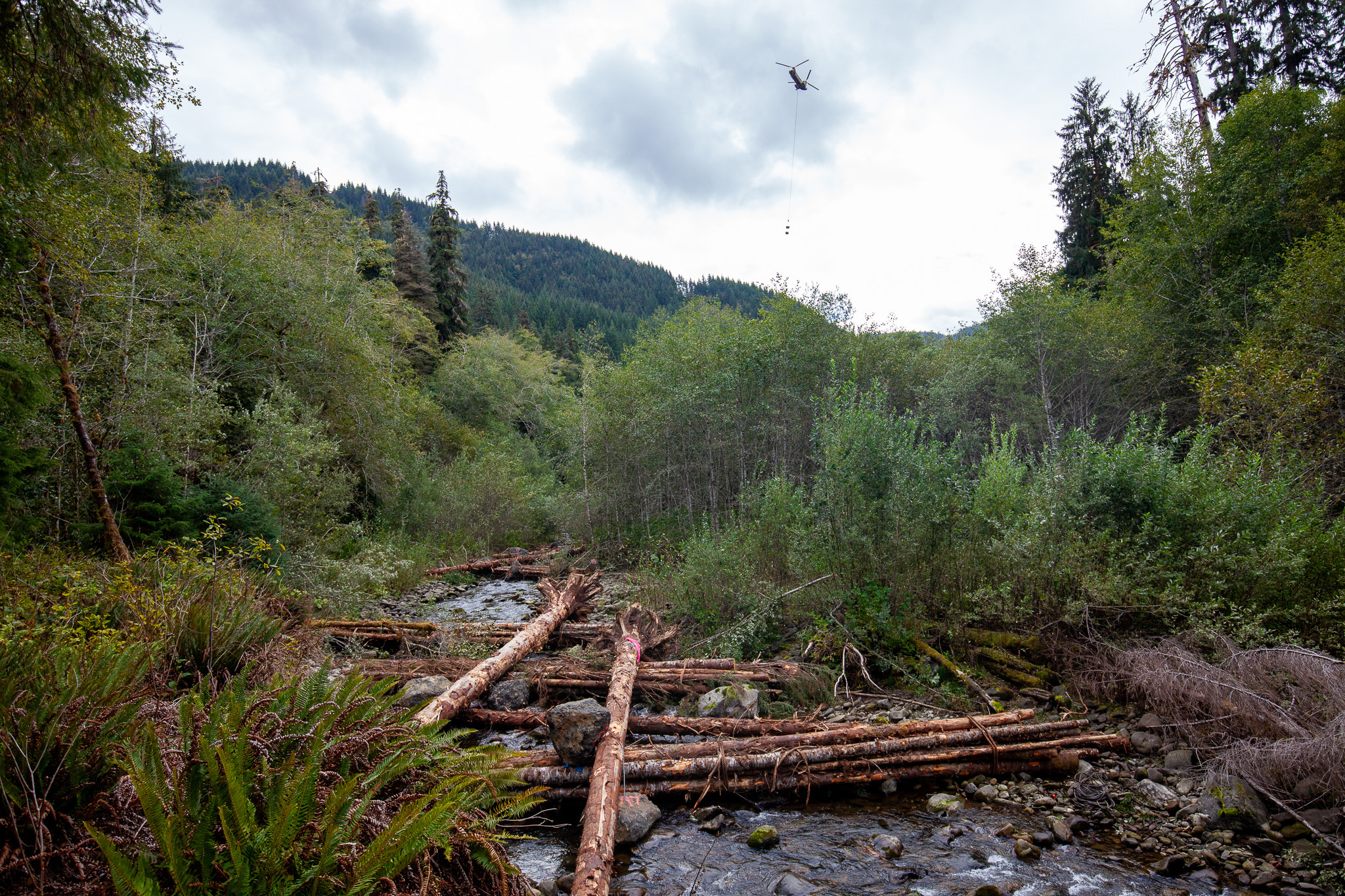
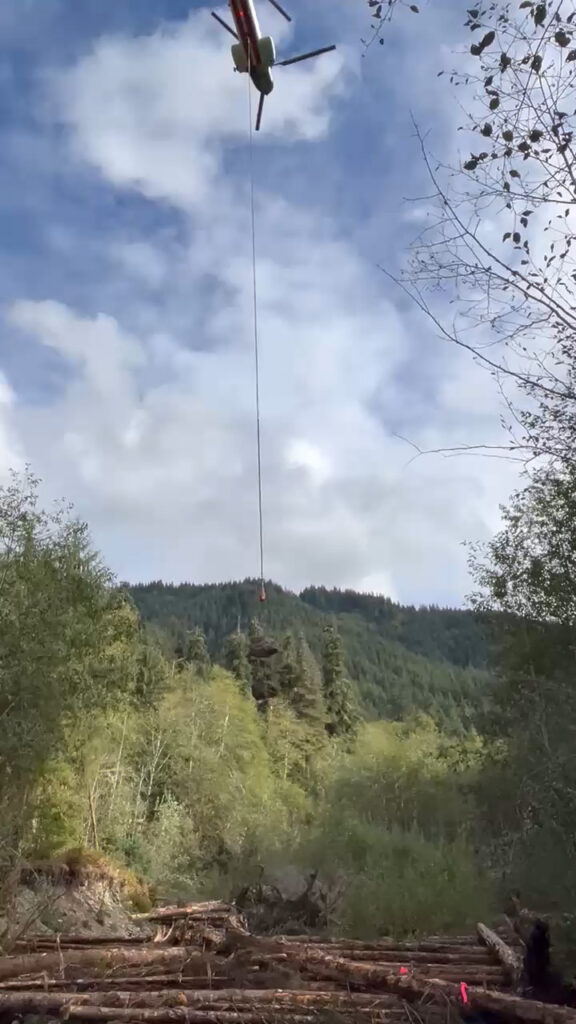
During October 2025, TU, the Hoh Tribe and our partners and talented contractors used helicopters to rebuild logjams along Owl Creek.
This ambitious work is celebrated in our new video “Restoring Owl Creek | Kʷokʷolísdo Ḳ̓á yika xa’bil-ts.”
(“Kʷokʷolísdo Ḳ̓á yika xa’bil-ts” means “restoring Owl Creek” in Quileute, a Chimakuan language traditionally spoken in coastal indigenous communities. The translation was provided by the Hoh Tribe.)
Rebuilding missing logjams
In the 1990s, a rain-on-snow event occurred in a steep clearcut upstream of Owl Creek. Immense flooding scoured the stream, washing away the natural logjams in the creek for miles.
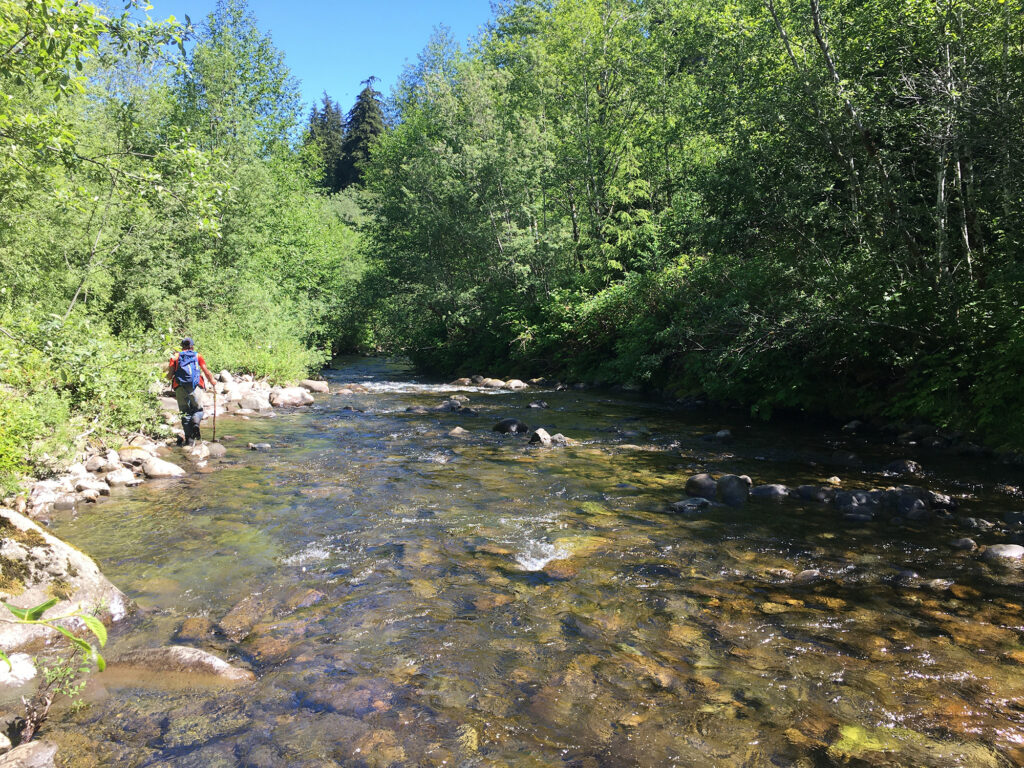
Winter rainfall is extreme on the Olympic Peninsula. Without the structure of naturally occurring logjams to slow down the flow and retain sediment, each new winter storm would cut down into the channel further. Over decades this led to less channel complexity, loss of spawning gravel and disconnection of the stream from its floodplain and mosaic of wetlands — critical overwintering habitat for salmon and steelhead.
TU and the Hoh tribe worked together to rebuild what had been lost. After years of planning and a season of implementation, 22 engineered logjams (ELJs) were installed over 1.25 miles of Owl Creek.
Logs with root wads and boulder ballast were sourced and placed in ways that remained stable even during heavy winter flows. Helicopters were used to carefully place the huge logs and boulders and reduce negative impacts on riparian forests and waterways from machinery, allowing materials to be installed while minimizing further damage to sensitive wetlands, creeks and forests nearby.
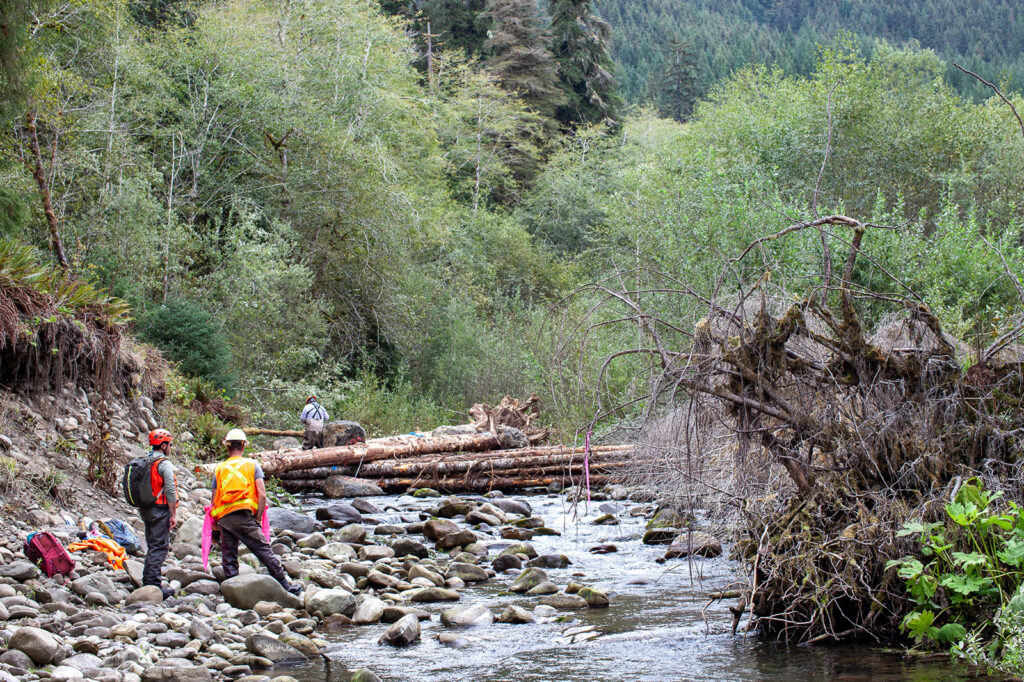
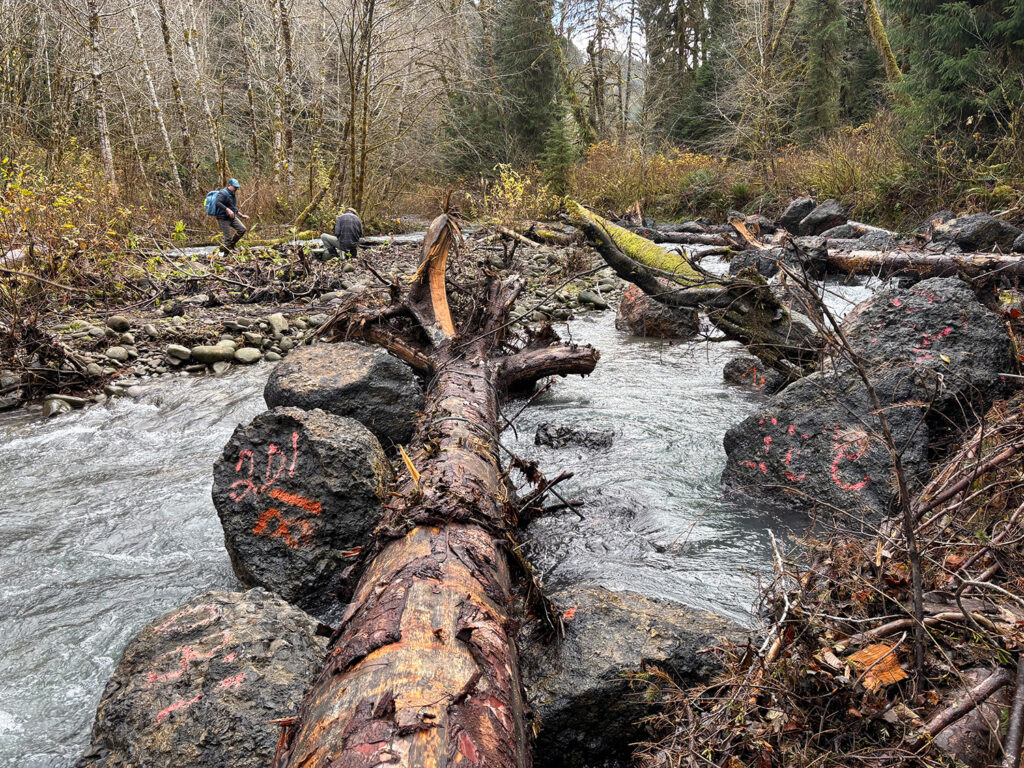
Almost immediately, Hoh Tribe and TU staff found Chinook and coho salmon taking advantage of the new habitat soon after the first autumn rains. Upcoming monitoring surveys this summer will further document the restoration effects on Owl Creek’s habitat, but for now the project team is seeing inspiring results firsthand.
During spring 2026, after ELJ placement and invasive species removal the previous fall, TU and partners worked in the floodplain forests along Owl Creek to plant native conifer tree seedlings and thin selected alder stands to create gaps for these seedlings to grow healthy. Given time and some future maintenance, these trees will tower again to become the giants capable of forming natural logjams and renewing the large wood cycle for centuries to come.
Rainforest trees are important to rivers and native fish
Coastal rivers and native fish on the Olympic Peninsula have evolved with large trees. These trees form the structural foundation for the way the rivers move and thread through the coastal foothills.
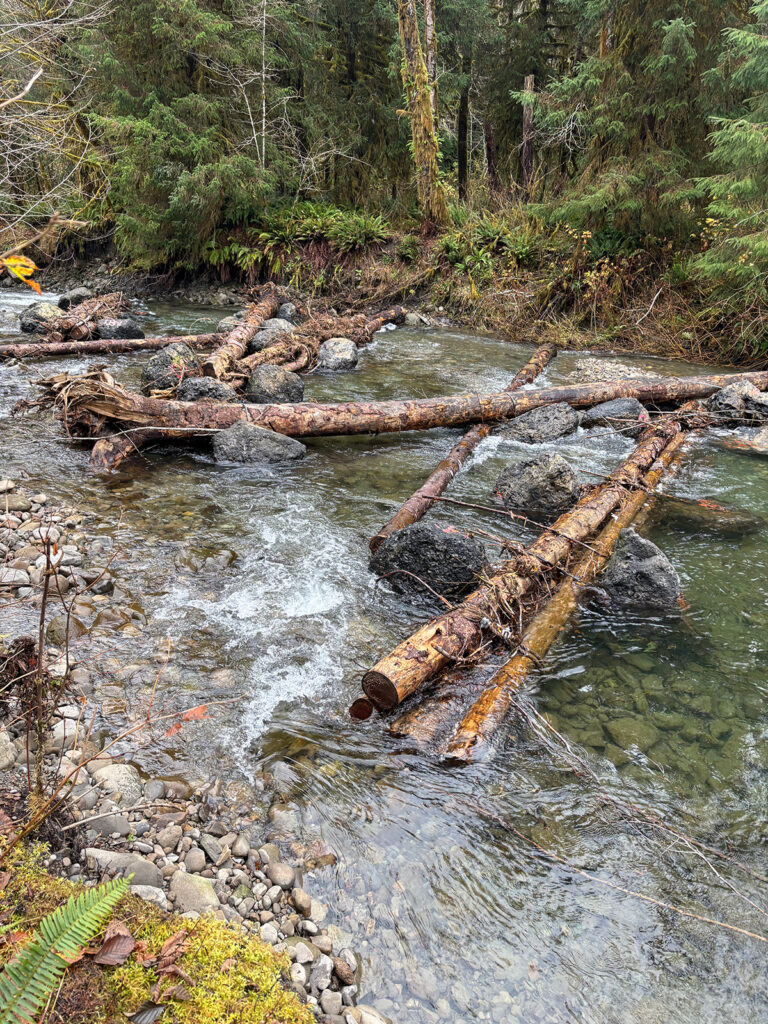
In these highly productive rainforest valleys, trees reach massive size, but eventually fall, because of wind or bank migration, into the rivers and streams below. Fallen trees anchor other debris and flotsam from winter high flows and begin accumulating a natural logjam.
These logjams form pools and capture sediment, creating the perfect habitat for young salmon and steelhead.
Over time, islands and bars form around these logjams. More trees grow and renew the cycle repeatedly, creating pools and captured sediments necessary for healthy salmon and steelhead habitat.
Restoration dollars support habitat and local communities
Projects of this size can’t be done alone. TU and the Hoh Tribe made the dream of restoring Owl Creek a reality through primary funding received from Washington Coast Restoration and Resiliency Initiative (WCRRI) and NOAA’s Office of Coastal Management. Additional project funding came from the Harder Foundation, the Wildlife Forever Fund, the Garlick Family and the Duke’s Damsel on a Train.
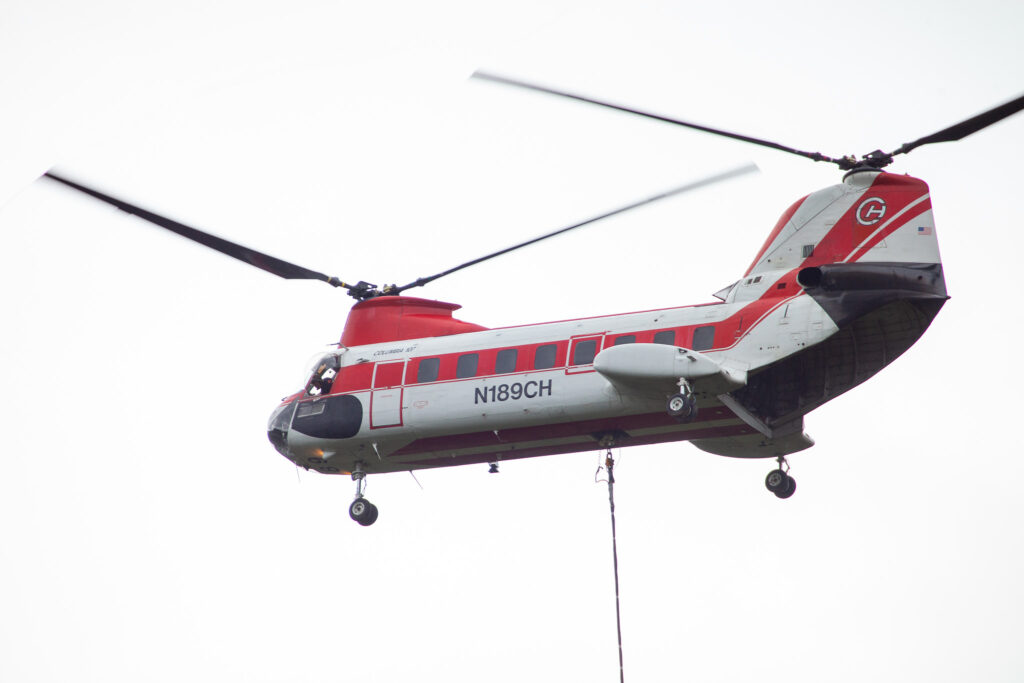
TU was assisted by specialized contractors to perform this work. Locally based, 10,000 Years Institute mapped and treated acres of land and miles of stream for invasive species in the project area. Project success was made possible through years of research into river restoration and application of ELJs by Natural System Design (NSD). Columbia Helicopters, NSD and Olympic Resources combined expertise to install the new ELJs and treat adjacent floodplain forests.
Collaborative learning and restoration partnerships continue to inform and inspire more habitat projects up and down the North Pacific Coast. This work invests in the regional economy and ecology and improves historic salmon and steelhead habitat on Olympic Peninsula rivers for generations to come.