

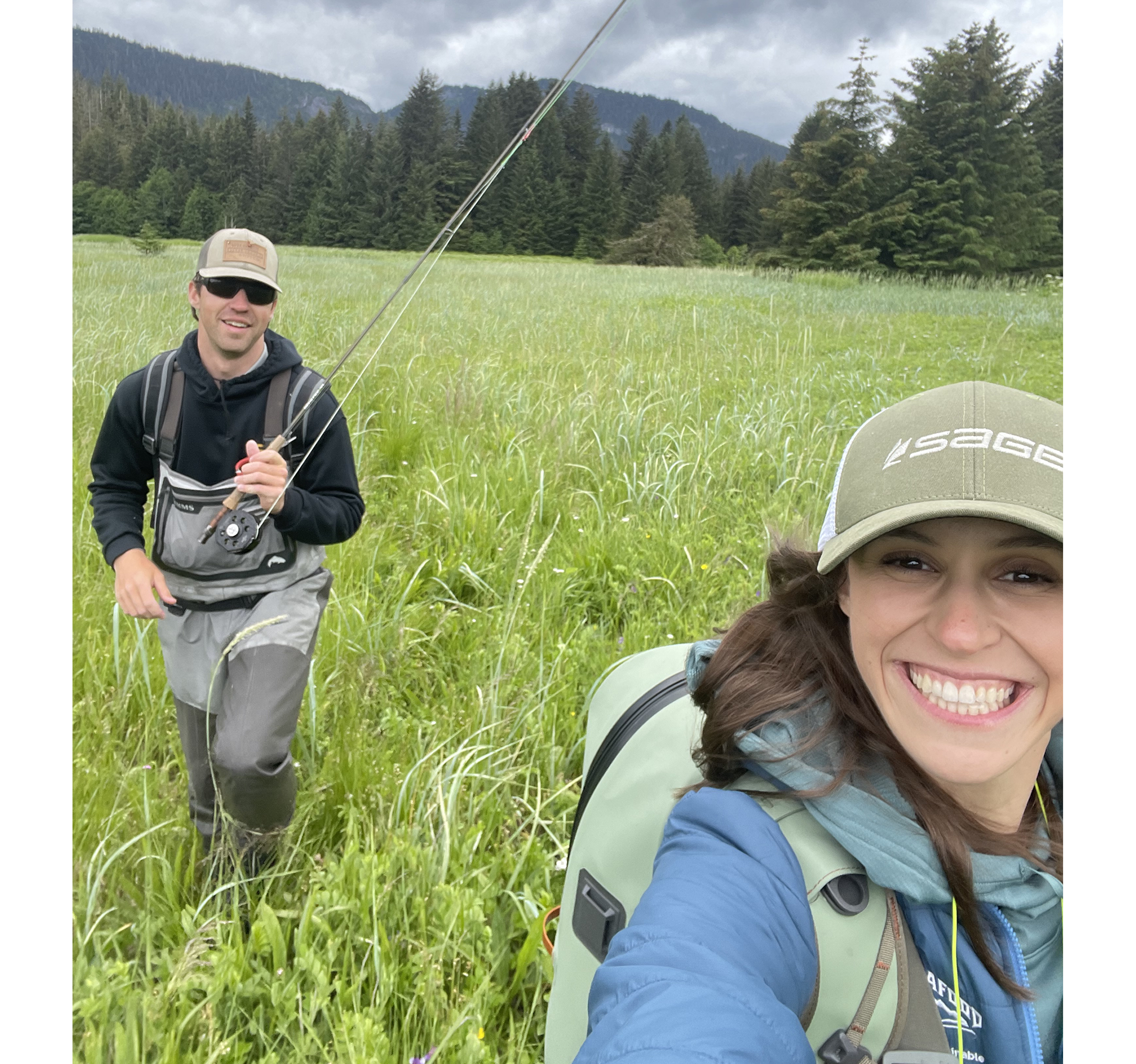
When Dalton Romanowski created his online dating profile, his buddies told him he had too many fish photos.
It’s a common joke among young adults — especially in a mountain town like Bend, Ore., — that you’ll find hundreds of profiles of men showing off their best catch. Romanowski’s friends said he wouldn’t get a date with those photos. And maybe they were right that his pictures of native trout may not have caught the typical woman.
Thankfully, Sophia Kaelke is not a typical woman.
Kaelke grew up in Juneau, Alaska, where her parents owned and operated a successful guide and outfitting business, and her dad worked for Trout Unlimited. Some of her earliest memories include days fishing in the Tongass National Forest with her family.
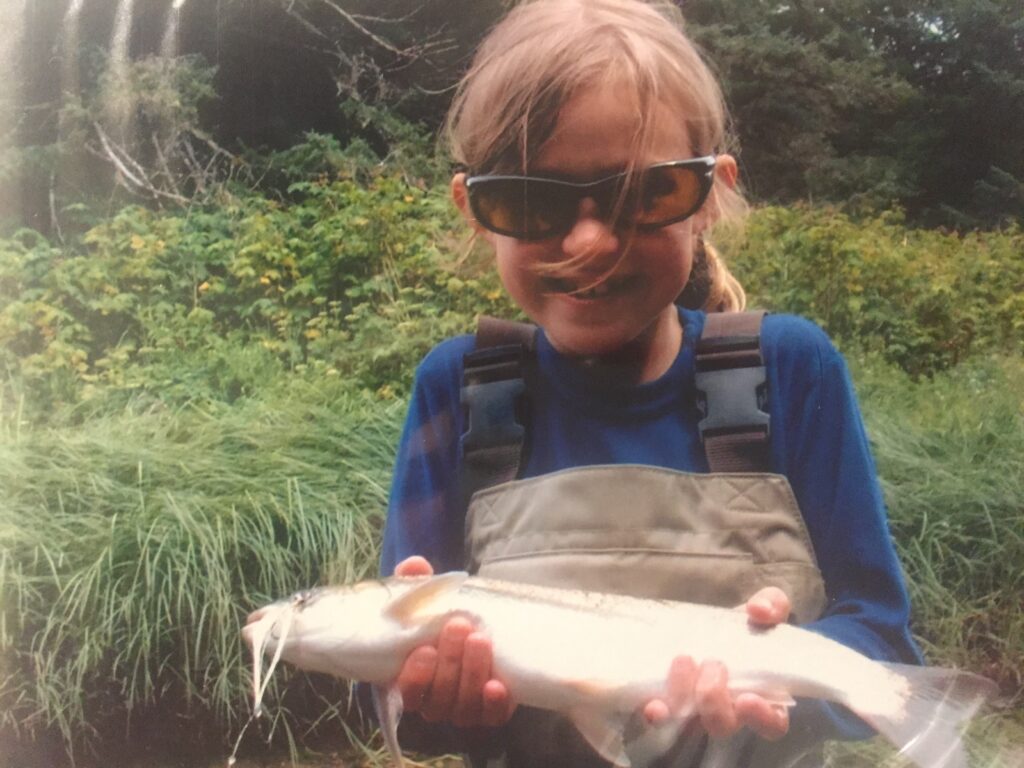
“I’d go on quite a few of my dad’s client trips by boat or float plane,” Kaelke remembered, “It was my first entry into the flyfishing world. I remember hanging out in the shop, nestled within an airplane hangar where my family based the company. I would play and hide in the waders hanging along the walls and spend time in the shop talking to clients.”
Growing up, Trout Unlimited wasn’t just her dad’s job, it was also community – a place where her parents built relationships and advocated for the Alaskan lands and waters they loved. Today, Kaelke is modest about her fishing abilities, but she’s been casting since birth and is no stranger to trophy-worthy fish.
So, when Romanowski and Kaelke met – the fish photos were not a drawback; they were a selling point. On their first date, they talked for hours – about fishing, about their families, their values, friends and future plans.
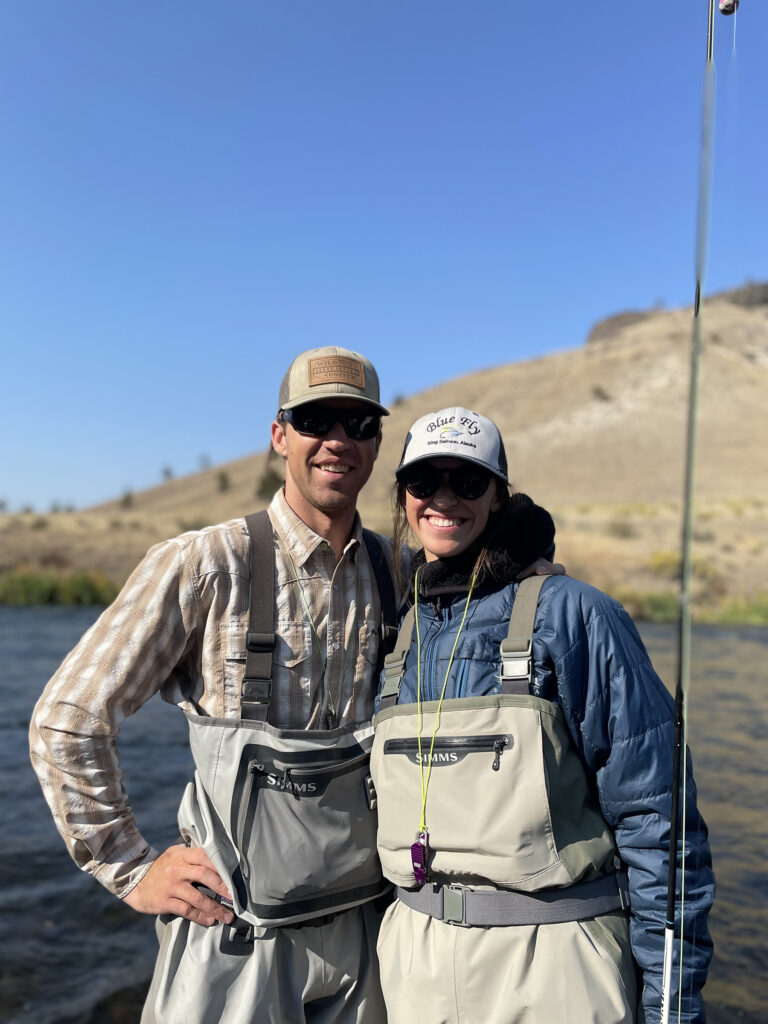
“We hit it off from day one,” Romanowski said. “We had very similar interests and value systems around conservation and also life in general.”
A few days later, they went fishing together and the connection was undeniable. Romanowski was leaving to guide in Eastern Idaho for the summer, and they made a point to see each other every day until he left.
That was years ago now, and today they are still together – engaged to be married and unified by their shared values. Their partnership is only strengthened by the passions that they share – including flyfishing and making a difference with Trout Unlimited.
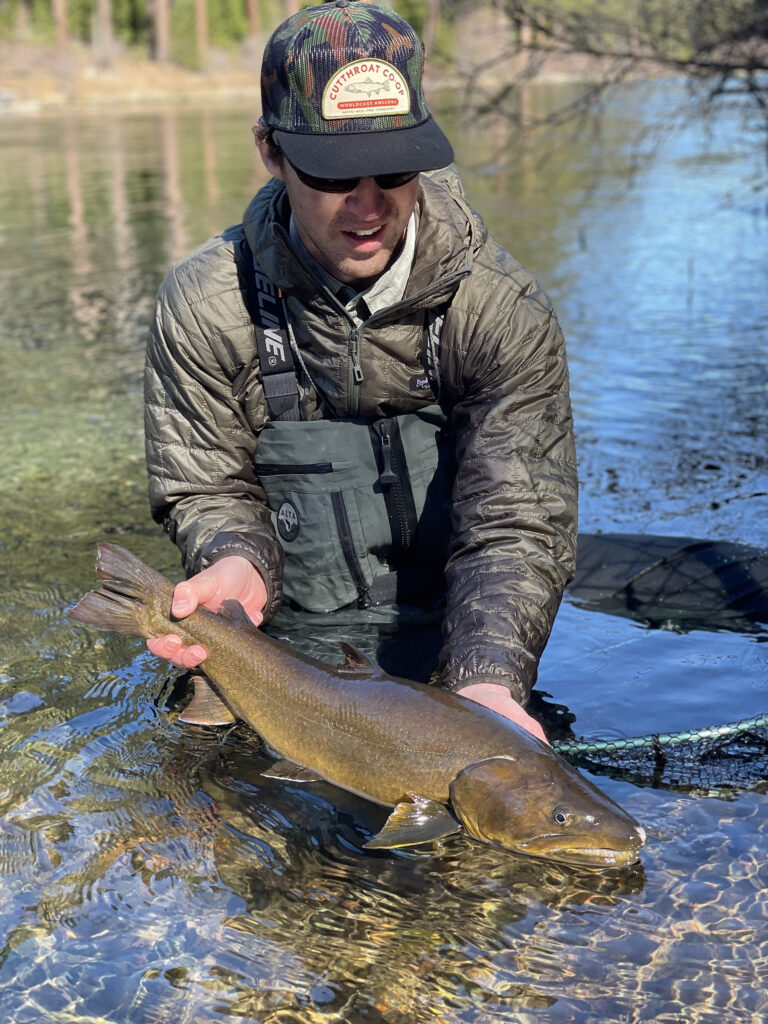
Dalton Romanowski: Stepping up to lead
Romanowski learned to fish as a kid – catching everything from smallmouth bass in Ohio to surf perch in California. When he was just 10 years old, his grandfather gave him a Trout Unlimited membership. When he went to school in Maine, his love for flyfishing really kicked up.
“I probably did more flyfishing than going to class,” he admitted.
But as a guide on Oregon’s famed Deschutes River — where native redband rainbow trout and steelhead face challenges including warming waters, barriers and angling pressure — Romanowski saw firsthand how important clean water and healthy habitat is for native trout. He decided to join the TU Deschutes Chapter to get involved in the advocacy and restoration efforts in his home waters.
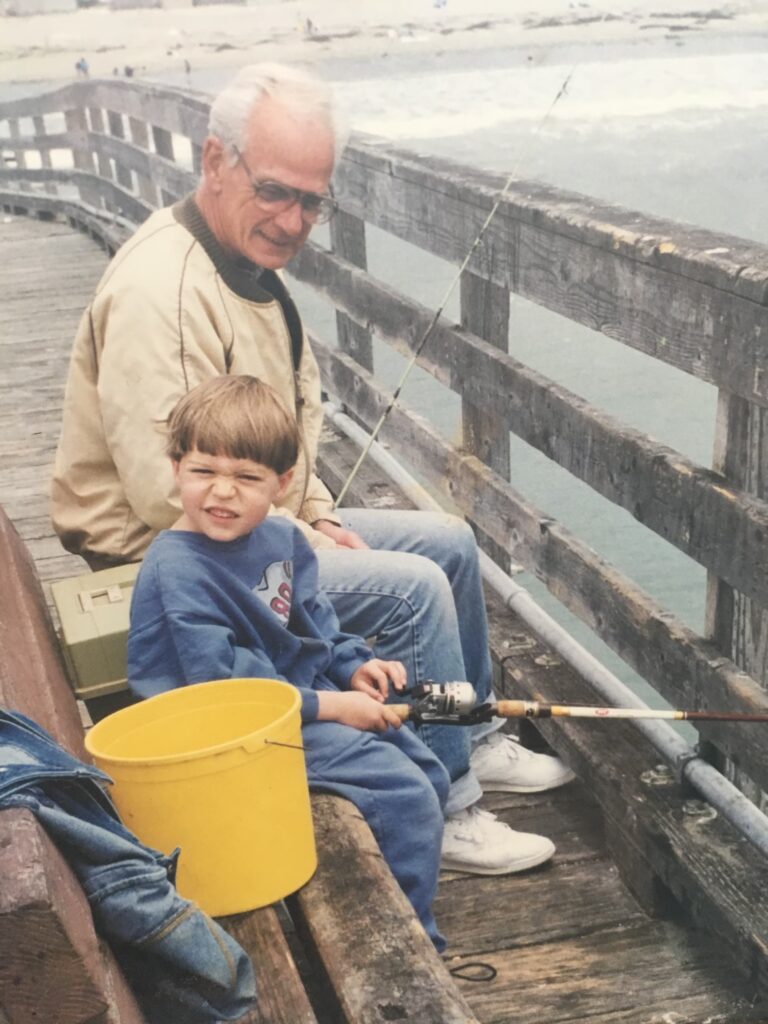
Shortly after, when asked to step up as Deschutes Chapter president, Romanowski felt nervous. As a 20-something-year-old guide, he was not expecting to lead; he just wanted to make a difference and do his part.
“There’s always work to be done, no matter what,” he said. “From the local grassroots efforts to the big national campaigns, everything is connected. The main thing I’ve learned is how much of an impact one person can actually make.”
Since stepping up as chapter president, Romanowski hasn’t just maintained the status quo. He’s expanded the chapter’s impact through events like the IF4 film festival that build community and increase awareness of TU.
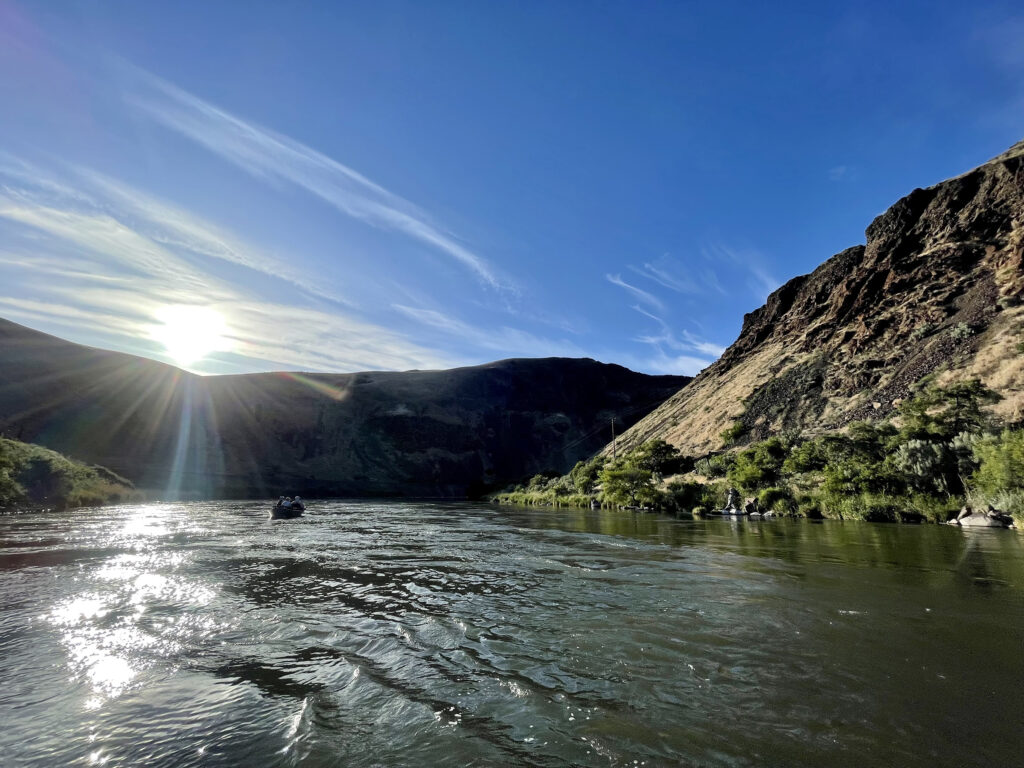
Sophia Kaelke: Connecting policy to place
Meanwhile, Kaelke has also risen as a leader for Trout Unlimited. Coming of age in Alaska at the height of the fight for Bristol Bay, she was inspired to get involved in advocacy efforts that would make a difference for her home waters and beyond.
After graduating college, she joined TU as Oregon engagement manager. Kaelke quickly showed a talent for advocacy engagement through her work on the Snake River dam removal campaign. She worked with hundreds of grassroots leaders, small business owners and anglers to create momentum towards dam breaching.
Today, her impact is exponential as she takes her talents to a national scope as TU’s Protection Campaign Center manager. In this role, she leads public lands advocacy efforts, from preventing public land selloffs to designating new national monuments and keeping protections in place for our country’s roadless areas.
This summer, Kaelke’s work garnered over 20,000 calls and messages to Congress in opposition to widespread public land sales.
“I looked at the potential sale maps of 2 million to 3 million acres of public lands around the West,” she said. “I saw where my family’s cabin is in Alaska, where Dalton and I go to fish or where we run our dog in the mountains, where we go duck hunting and where Dalton guided in Idaho.
“Connecting public land sale proposals and real-life threats to these places is very meaningful.”
While the proposal was rejected, the threats to public lands are not stopping anytime soon. Fortunately, TU has Kaelke at the helm to defend these irreplaceable lands and waters across the country.
Together, representing the next generation of champions
Romanowski said one of the things he loves about Kaelke is her passion and drive. No matter if it’s public lands protection, raising a puppy, catching a redband trout or delving deep into wonky conservation policy she gives it her all.
Kaelke said Romanowski’s compassion, patience and acceptance brings the perfect balance to their life and relationships.
It’s these strengths that also make them a conservation power couple and incredible champions they are for our rivers and streams.
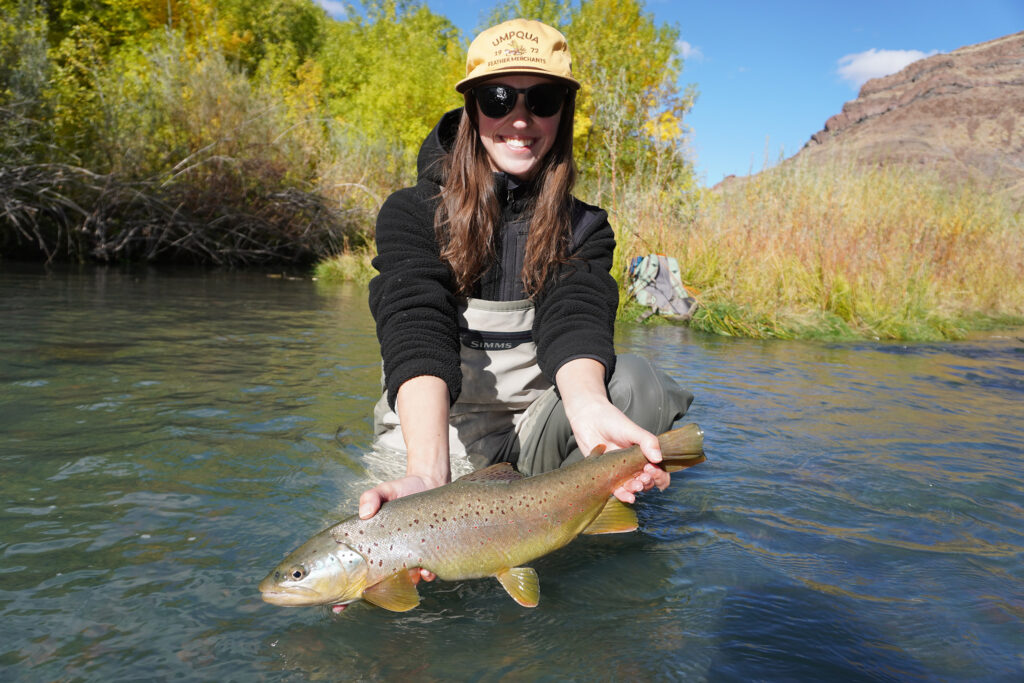
Recounting the challenges of the past year, from public land sale proposals to clean water rollbacks, Kaelke said stepping up as a champion is more important than ever.
“I think that we’re in a historic time right now where speaking up as an angler is so important,” Kaelke said, “We’ll look back 20 years from now and be able to say, ‘Together, we stood up and took action, we volunteered, we got involved.’ That’s something that all of us who are passionate about public lands and fishing are going to remember.”
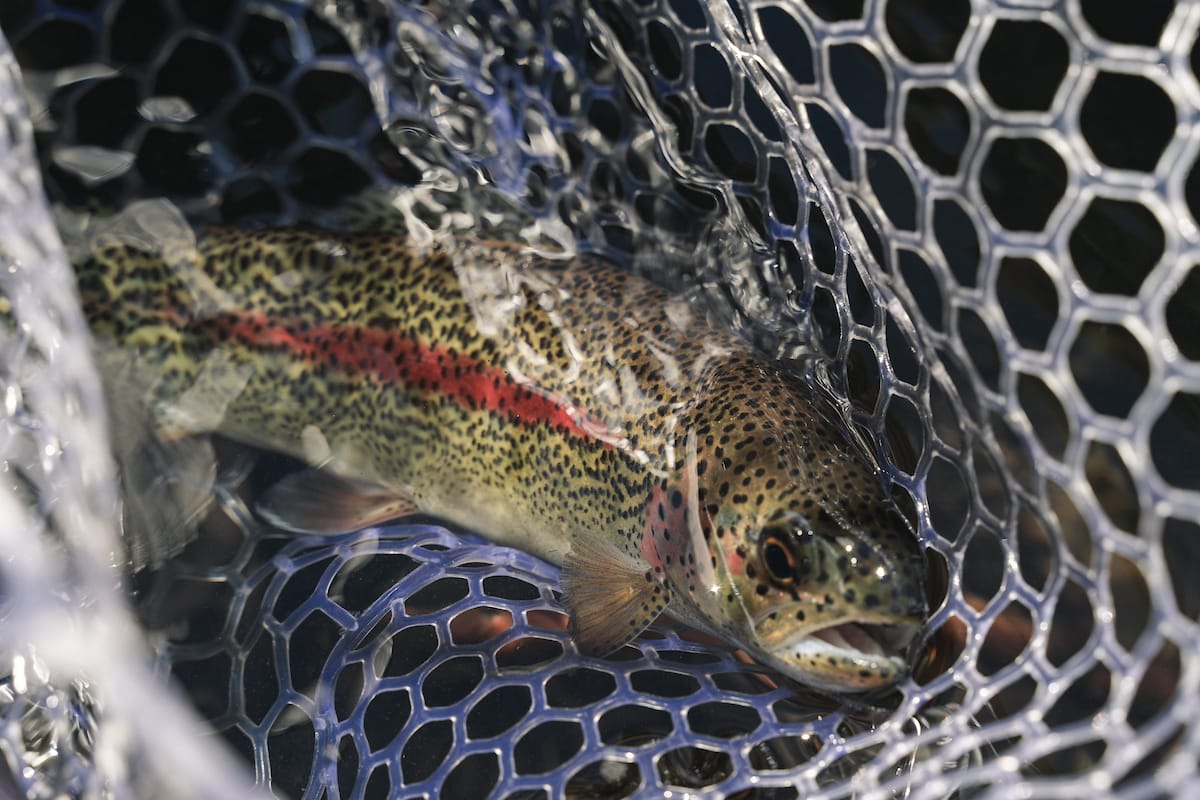
Fishing the Deschutes
On a typical weekend, you might find Kaelke and Romanowski fishing for redband trout on the lower Deschutes River.
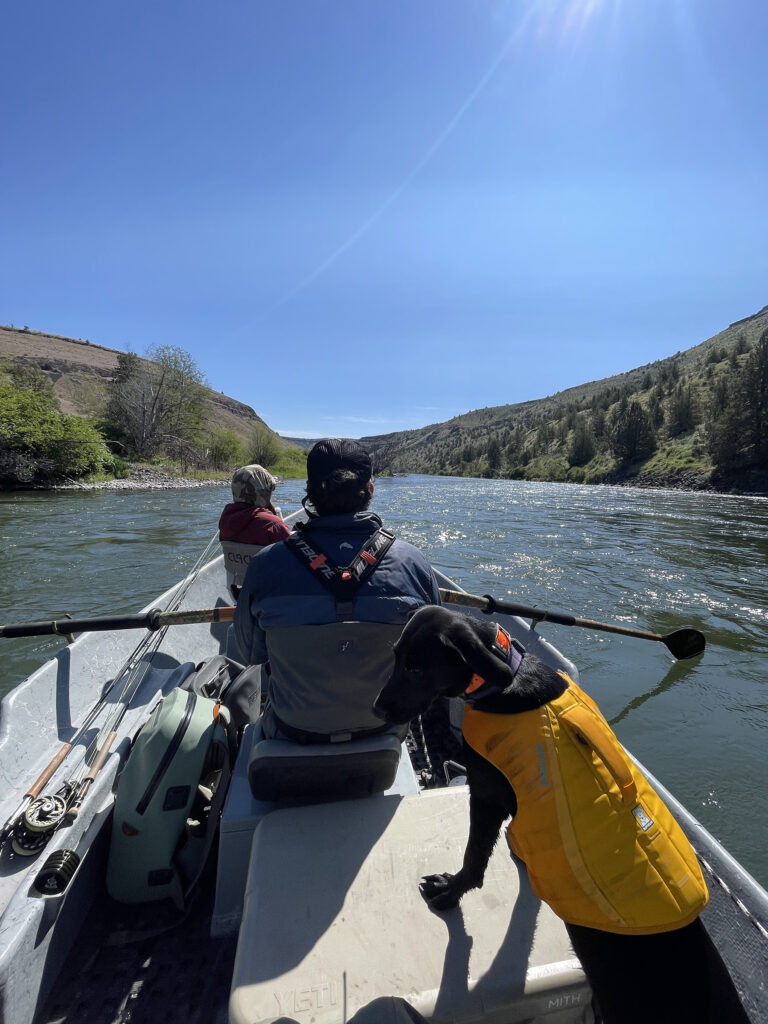
“They are resilient fish. Redbands fight hard and are a lot of fun,” said Kaelke. They’ll often take friends visiting from out of town, as well as their young black lab Pippa on their fishing adventures. “The scenery is incredible, and it’s a great fishery for all levels of angling.”
Angling is prohibited from boats, but floating is a popular way to move downstream from spot to spot in the towering canyon walls along the Deschutes.
In late spring, the river’s famous salmonfly hatch draws big redbands to the surface — and lures anglers from all over to the river.
Caddis provide consistent surface action throughout the summer and into the fall. When the fish aren’t looking up, big stonefly nymphs are always in play.
The lower Deschutes is also a well-known steelhead fishery. The season runs from early July through the end of the year, and there are about 100 miles of prime water where you can seek out these incredible fish.
Whether you come for the wild fish, the challenge or the scenery, the Deschutes rewards those who slow down, read the water and let the river do the rest.
The same free-flowing rivers that sustain trout and salmon bring clean water into our homes, give life to vibrant communities and feed a passion for angling and the outdoors.
But today our fisheries and rivers face enormous challenges. At Trout Unlimited, we are doing something about it, and we need your help. Sign up to be a champion for the rivers and fish we all love and help us unlock the unlimited power of conservation.