Search results for “delaware river basin”
After decades of lawsuits, recovering Snake River salmon and steelhead is inching closer to reality. This week a series of meetings kick off in Washington to gather public input on the impacts of dam removal on the Lower Snake. In preparation, Rob Masonis, vice president for Western Conservation at Trout Unlimited, and Helen Neville, senior…
Trout and salmon living in coldwater habitats are naturally vulnerable to a warming climate and related impacts such as increased wildfires and floods. Trout Unlimited scientists have studied how climate changes may influence native salmonid distributions, which trout and salmon populations are most vulnerable, and how we can help them adapt to a warmer and…
A native Chinook salmon from California’s Central Valley. Conservation of freshwater biodiversity faces major challenges. The fragmented nature of freshwater habitats often results in species populations being highly vulnerable to extirpation. Moreover, areas managed for resource conservation typically reflect jurisdictional or landscape boundaries that have little meaning for aquatic species. Now, a team of scientists…
What Happened? On Wednesday, Sept. 25, the House Natural Resources Committee advanced the National Fish Habitat Conservation Through Partnerships Act (H.R. 1747). The bipartisan and widely-supported bill, if enacted, will codify and formally recognize the existing National Fish Habitat Partnership (NFHP). NFHP was created in 2006 by state fisheries agencies and other stakeholders to improve…
The world’s largest dam removal project takes another step forward as the reservoirs behind Iron Gate and JC Boyle Dams begin to be drained
There is real hope for restoring the Klamath and its fisheries, however. That’s because a multi-decade effort to remove the four dams of the Lower Klamath Project is now close to the finish line.
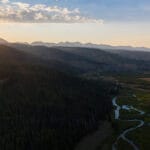
Partnerships and collaboration are a core value at Trout Unlimited, a deep-seated philosophy of teamwork for the benefit of coldwater fisheries.
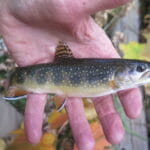
Despite challenges posed by the pandemic 2020 was a busy year for Trout Unlimited Driftless Area Restoration Effort in Iowa. TU and its partners collaborated on a number of habitat restoration projects in the state. Here’s a rundown of the projects.
6/22/2004 New TU Report Demonstrates Vital Link between Oregon’s Roadless Lands and Native Fish, Wildlife New TU Report Demonstrates Vital Link between Oregon’s Roadless Lands and Native Fish, Wildlife Bulk of states remaining healthy salmon, steelhead & trout depend on headwaters and tributaries found within federal roadless lands, which also support its longstanding fishing, hunting…
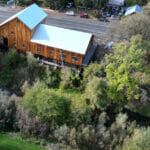
For Immediate Release Contact: Chrysten Rivard, chrysten.rivard@tu.org, (541) 973-4431 Jay (Howard) O’Neil, joneil@ksu.edu, (785) 410‐2303 Bob Russell, rrussell1950@aol.com, (503) 880‐2147 Sharing the Water: Partnership Secures Permanent Water Protections to Benefit Native Fish and Keep a Historic Mill Operating in Oregon’s Rogue River Basin Eagle Point, Oregon – A long-term collaboration between the Butte Creek Mill…

It is finally September in Northeastern Oregon As the season changes, TU’s Andy Scheele thinks about time, restoration and steelhead returning to their home waters It is finally September in Northeastern Oregon; my favorite month of the year. The weather and foliage are changing. Elk are bugling in the mountains. Insects are burying their heads…

Wednesday afternoon, a day that America won’t soon forget, I was on a phone call just across the river in Trout Unlimited’s Arlington, Va., headquarters. A group of us at TU were talking about recovering Snake River salmon populations in the Pacific Northwest when my phone began blaring with a message from the mayor of Washington, D.C. In response to the attacks on the Capitol, she was ordering a city-wide curfew in three hours. TU staff and volunteers regularly go…
Along with the on-the-ground project work and agency relationship-building we focused on in the last two posts, TU also works for legislative change that improves habitat, provides tools to respond to drought, preserves a thriving agricultural economy and works toward water security in the West. One of the legislative vehicles through which we work is…
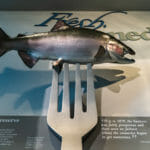
Editor’s note: TU sent a handful of college students to the Pacific Northwest for this year’s TU Costa 5 Rivers Odyssey to study and fish in the Columbia River basin. The Odyssey team’s journey started in typical Pacific Northwest fashion, a little bit of sunshine, and a fair amount of rain. We set out the…
A watershed can be understood as the area that drains into a given river or lake. While that definition is simple, the mechanisms that sustain — or threaten — the health of a watershed often are not. These mechanisms include biological, physical and chemical processes that happen instream, as well as on the ridges, slopes…
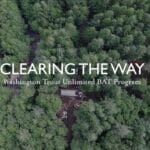
A new film celebrates the dedicated volunteers of the Washington TU Barrier Assessment Team
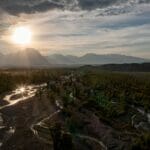
The valleys of the Teton and Gros Ventre Ranges, with their iconic landscape and waters, illustrate the beauty and longevity of nature. But what will it look like 100 years from now? With climate change and drought wreaking havoc on streams across the country, we are more motivated than ever to invest in climate resiliency…
Dead Fish Do Tell Tales: Dead Fish Do Tell Tales: Klamath River Fish Kill Points to Serious Policy Flaws Contact: Steve Moyer VP of Conservation Programs TU 703.284.9406 10/2/2002 — Arlington, VA — Officials with Trout Unlimited, the nations largest trout and salmon conservation organization, today urged the U.S Dept. of the Interior and Secretary…
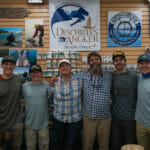
Editor’s note: TU sent a handful of college students to the Pacific Northwest for this year’s TU Costa 5 Rivers Odyssey to study and fish in the Columbia River basin. While floating the eight miles from Warm Springs to Trout Creek on the Deschutes River, you can’t help but notice the vast amounts of watercraft…
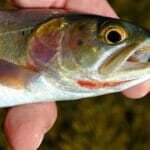
The long-term goal is to establish a pure population of native Yellowstone cutthroat trout Montana Fish, Wildlife & Parks and the Custer Gallatin National Forest are seeking public comment on plans to remove rainbow trout from the Buffalo Creek watershed north of Yellowstone National Park to protect the genetic integrity of native cutthroat trout in…