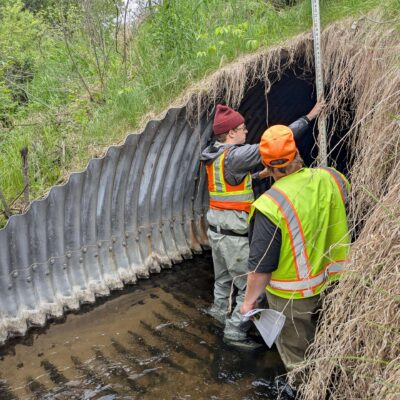
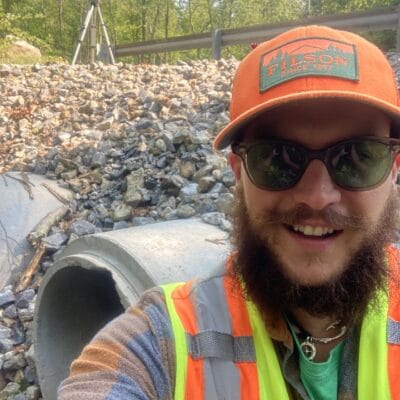
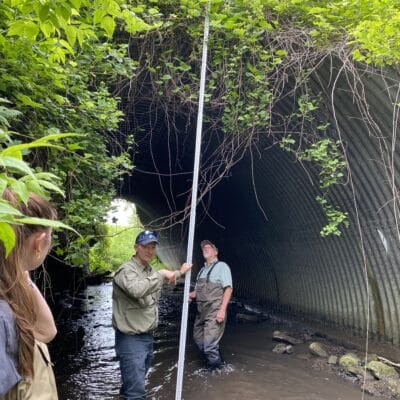
This summer, Trout Unlimited employed two seasonal technicians to collect culvert and bridge inventory data in Dane County, Wisc. This inventory is part of our larger effort to better understand the extent of habitat fragmentation across the Driftless Area and ensure that we have sufficient information about outdated infrastructure to have ready solutions when it…
How TU’s team in New Mexico is restoring the state’s most enchanting waters and lands in 2025
Seed Savers Exchange stewards America’s culturally diverse and endangered garden and food crop legacy for present and future generations. They educate and connect people through collecting, regenerating, and sharing heirloom seeds, plants, and stories. Seed Savers Exchange has been saving and sharing seeds with gardeners since 1975. To commemorate the Seed Savers Exchange network—and all…
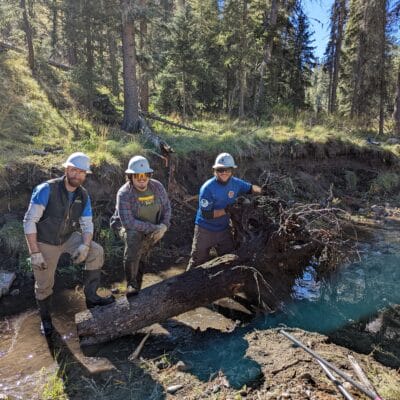
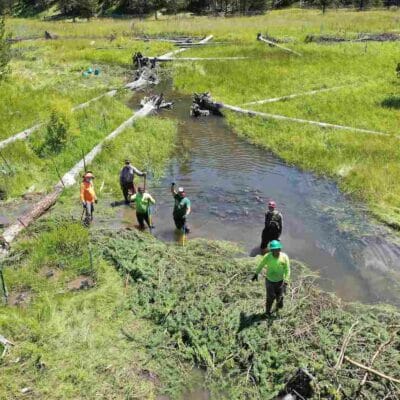
Restoration work in Oregon couldn’t happen without Capitan Forestry. The Grande Ronde and North Fork of the John Day headwaters are critical habitat and special places to fish, and the collaboration between TU and Capitan is making it even better. Capitan Forestry historically specialized in upland forest restoration work, but after partnering with TU’s aquatic restoration efforts in the…
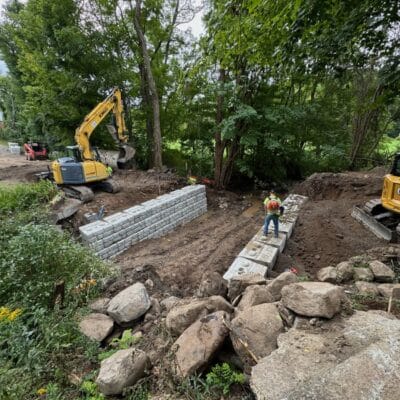
Trout Unlimited’s staff and municipal partners continue to work diligently to complete a wide-spanning list of New York priority culvert surveys and replacements. The reconnection of fragmented and dammed rivers resides at the core of our strategy to improve habitat for New York’s wild trout. With our small but mighty team, we reconnected over 30…
TU’s Northeast Conservation program has welcomed a key role player to the team. Jon C. Vander Werff is TU’s new Connecticut project manager. Vander Werff will orchestrate the 2025 Norwalk River Cannondale Dam (below) removal project, partnering with regional staff leads Tracy Brown and Jesse Vadala to execute this major project and connect our mission…
The summer of 2024 was our second year having field technicians working across the Driftless Area to assess the condition, fish passage status and flood vulnerability of bridges and culverts on our coldwater streams. This work is often termed “Aquatic Organism Passage” or AOP due to the broad ecosystem benefits that are achieved when…