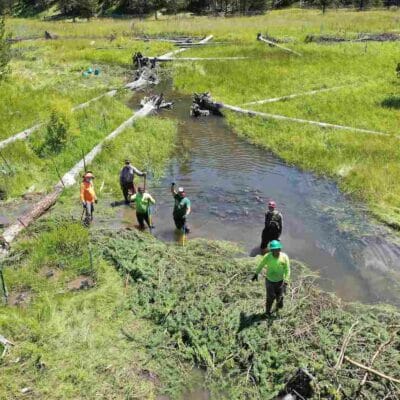
Federal lawmakers have introduced the bipartisan Floodplain Enhancement and Recovery Act to reduce regulatory barriers that slow or prevent ecosystem restoration in Federal Emergency Management Agency (FEMA)-mapped floodplains. The legislation, from legislators including Representatives Bryan Steil (WI-01), Troy Downing (MT-02), Janelle Bynum (OR-02), and Marie Gluesenkamp Perez (WA-03), aims to streamline approvals for low-risk floodplain restoration projects by reducing…
by Peter Jonas | April 8, 2025 | Fishing
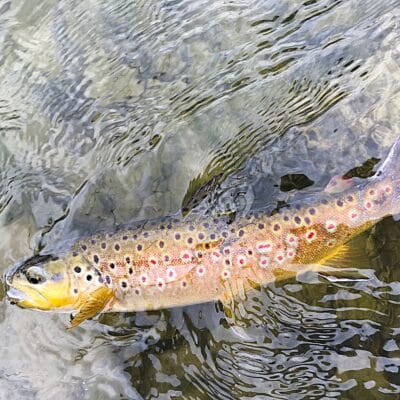
When I first joined Trout Unlimited and became engaged in environmentalism in the early 90s, the catch and release ethic was so much a part of our ethos that it took on a moral, almost religious quality. Today, I believe it is still an important management tool and absolutely critical in some situations (obviously where we…
Restoration work in Oregon couldn’t happen without Capitan Forestry. The Grande Ronde and North Fork of the John Day headwaters are critical habitat and special places to fish, and the collaboration between TU and Capitan is making it even better. Capitan Forestry historically specialized in upland forest restoration work, but after partnering with TU’s aquatic restoration efforts in the…
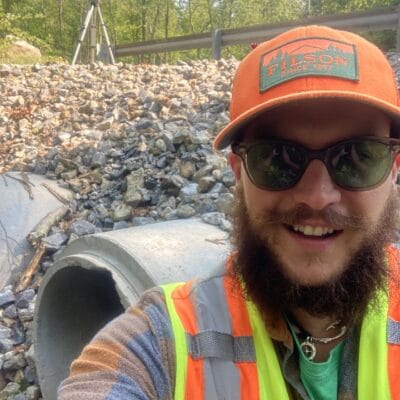
TU’s Northeast Conservation program has welcomed a key role player to the team. Jon C. Vander Werff is TU’s new Connecticut project manager. Vander Werff will orchestrate the 2025 Norwalk River Cannondale Dam (below) removal project, partnering with regional staff leads Tracy Brown and Jesse Vadala to execute this major project and connect our mission…
by Mark Taylor | October 24, 2023 | Uncategorized
Brian Stranko has joined the Trout Unlimited staff as its Maine program manager. TU has many projects and initiatives under way in Maine, including enhancing streams with strategic wood additions and advocating for better fish passage for endangered Atlantic salmon. He will work closely with TU’s Maine Council and chapters. Stranko succeeds longtime TU staffer…
by Gary Marston | September 6, 2023 | Science
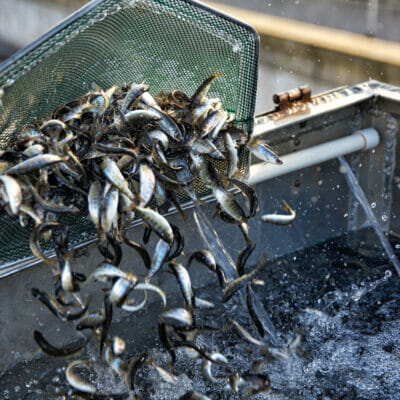
A literature Review led by Trout Unlimited shows over 80 percent of global, peer-reviewed research on the topic has found an adverse effect on wild salmonid populations in freshwater and marine environments.
by Greg Fitz | June 21, 2023 | Conservation
TU volunteers remove invasive weeds at a restoration site in Washington’s Chehalis River Basin