Congressman, Nez Perce Tribal leader, TU CEO say: Those who care about the imperiled Snake River salmon and steelhead need to speak up on their behalf—now
Soul of the Snake

Join our community of optimists and unlock the unlimited power of conservation.
Join our community of optimists and unlock the unlimited power of conservation.
Congressman, Nez Perce Tribal leader, TU CEO say: Those who care about the imperiled Snake River salmon and steelhead need to speak up on their behalf—now
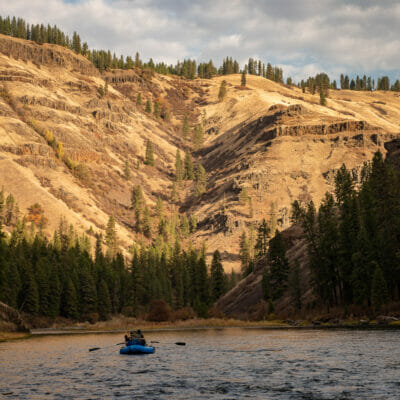
Autumn. Grouse, elk, trout, football, and deer. It’s been a great summer of rivers, dry flies, high country native trout, and late nights around the campfire but as the seasons change so do activities. There are some river trips, however, that should still be explored long after the last coat of 303 is applied for…

From Sept. 25 through Oct. 2, we’ll bring you dozens of ways to connect — from virtual conversations with important names in conservation and fishing to in-person opportunities to get your hands dirty and your waders wet with local TU members and supporters
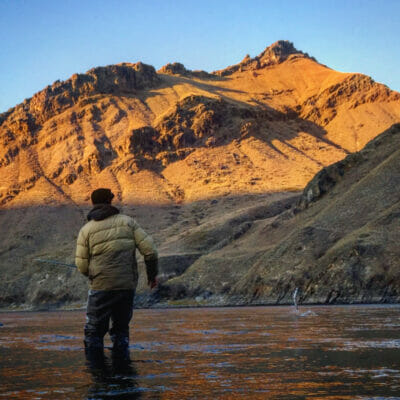
“Removing the Lower Snake River dams is a move to make sure that steelhead and salmon can reach their native waters and continue to inspire generations to come. They are simply too important not to remove a giant thorn in their side.”
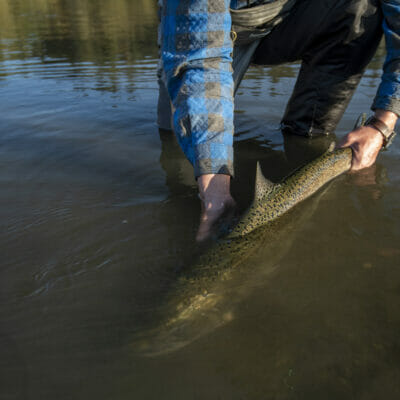
Pacific salmon and steelhead connect the Pacific Ocean to the Sawtooth mountains and persist at 1-2 percent of their historic numbers. Their decline precisely parallels the construction of the four lower Snake River dams
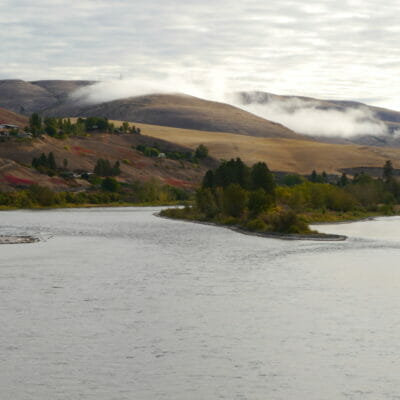
The equation is simple. It’s hot. It’s going to get hotter, which is why it is so urgent to increase access for salmon and steelhead to the thousands of square miles of the most climate-resilient, high-elevation habitat in the Snake River basin by removing the lower four Snake River dams
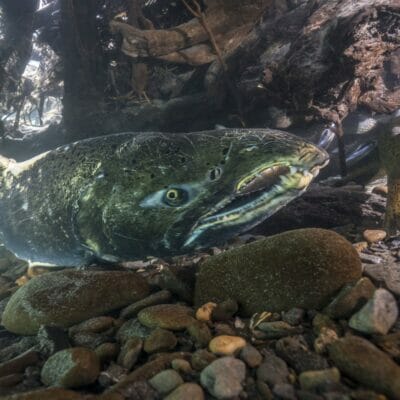
The current gauntlet that Snake salmon and steelhead run between their headwaters and the ocean—eight Snake and Columbia river dams and the slack-water, predator-filled reservoirs they create—are indiscriminate killers of both wild and hatchery fish