by Daniel A. Ritz | July 29, 2021 | Travel
“New Mexicans have been here on this land for more than 400 years,” Mitchell said. “You can’t come in with a ‘trout guy’ perspective. These are age old relationships that we have to foster and work together with to build trust.”
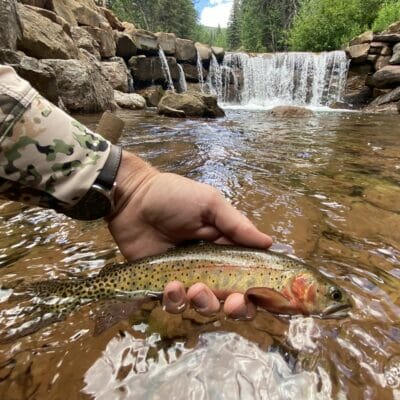
Rio Grande cutthroat trout (Oncorhynchus clarkii virginalis) Species status and summary: Rio Grande cutthroat trout (RGCT) were first discovered in 1541 by Francisco Coronado’s expedition in the upper Pecos River, although they were not formally described until 1856. They represent the southern extent of the cutthroat trout species, historically ranging from the mountainous headwaters of…
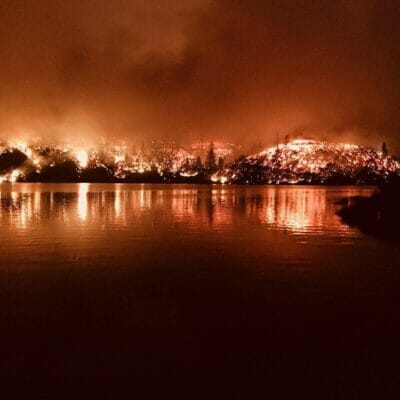
People all around Oregon woke on Sept. 8, 2020, to high winds, extensive power outages and lots of speculation by foresters that it could be the worst day of fires in Oregon’s history. That’s exactly what it turned out to be for Chrysten Lambert, TU’s Oregon director for Western Conservation, and many others when three wildfires whipped through the area in a split second…
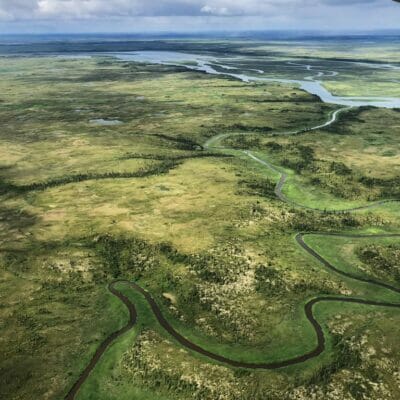
An impromptu trip to Bristol Bay to remind us why we should always say “yes” to fun invites and taking action for special places that need permanent protections
by Daniel A. Ritz | July 26, 2021 | Travel
By pack mule and on foot, the Forest Service and Colorado Parks and Wildlife members went in to save the previously thought-to-be extinct lineage. Less than 100 individual trout were removed and taken to the Durango fish hatchery for safekeeping and possible brood stock development.
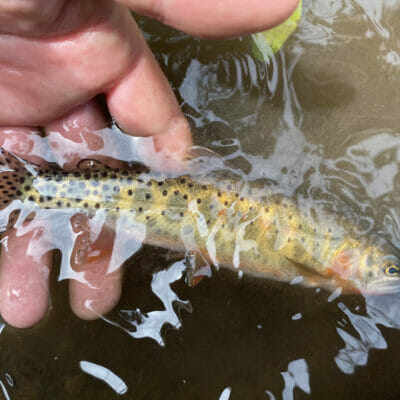
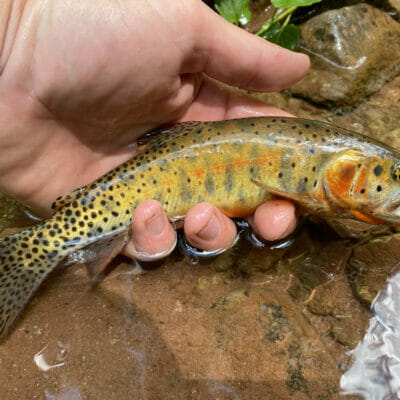
Colorado River cutthroat trout (Oncorhynchus clarkii pleuriticus) Species status and summary: The Colorado River cutthroat trout (CRCT) historically occupied most cool water habitats of the Colorado River watersheds in Colorado, southern Wyoming, eastern Utah, extreme northwestern New Mexico and northeastern Arizona. Currently, however, Colorado River cutthroat trout occupy approximately 16 percent of their historic range, primarily…
Pacific salmon and steelhead connect the Pacific Ocean to the Sawtooth mountains and persist at 1-2 percent of their historic numbers. Their decline precisely parallels the construction of the four lower Snake River dams