

“Excitedly, too excitedly, I ripped the mouse from the trout’s mouth before it decided that the mouse was more trouble than it was worth and could not be convinced to poke its head out again.”
Mistakes you don’t get to make twice
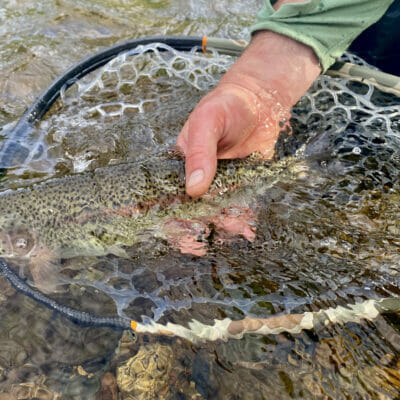
“Excitedly, too excitedly, I ripped the mouse from the trout’s mouth before it decided that the mouse was more trouble than it was worth and could not be convinced to poke its head out again.”
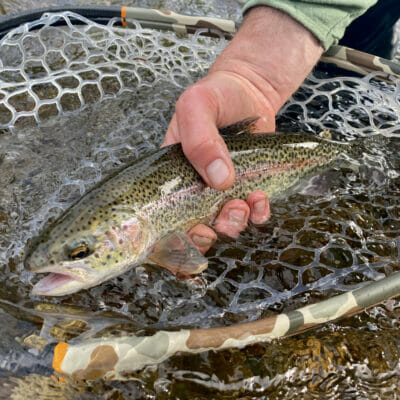
Alaska’s rainbow trout populations are still largely intact and robust, largely because of remote locations with limited accessibility, abundant and pristine habitat, and conservative management.
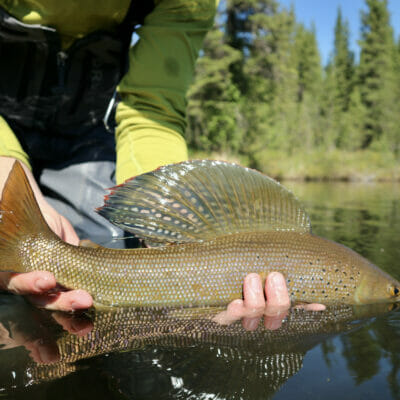
“Arctic grayling,” I responded without batting an eye. “I’ve never even seen one, let alone fished for them before. It’ll signify just how far from home I am on this trip.”
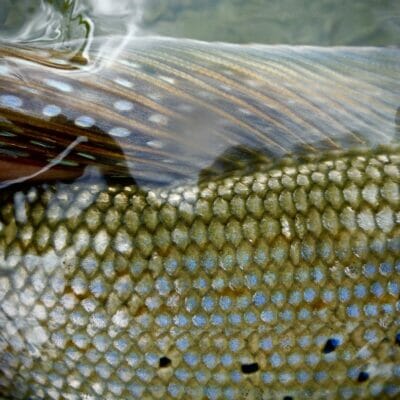
Arctic grayling have evolved many strategies to meet the needs of life in harsh and uncertain environments. Some grayling migrate. They take advantage of different streams for spawning, growing up, summer feeding, and overwintering. Individual fish can range widely, moving tens of miles on a seasonal or annual basis between spawning, rearing, and sheltering habitats.

If you’ll recall, the Biden administration recently released it’s 100-day review of critical mineral supply chains. As promised we are taking a deeper dive into how that report reflects on our tenets. Read on to find out how the Biden administration’s recommendations stack up against our own tenets. Tenet 1: Before seeking new sources of raw…

This Transfer Order is a critical step forward in the long slog to remove four old fish-blocking dams and re-open more than 400 miles of historic habitat for the Klamath’s struggling salmon and steelhead runs.

Many of the decades-old policies that govern management of our public lands were established before we realized the spectrum of impacts and how long-lasting some of these impacts could be