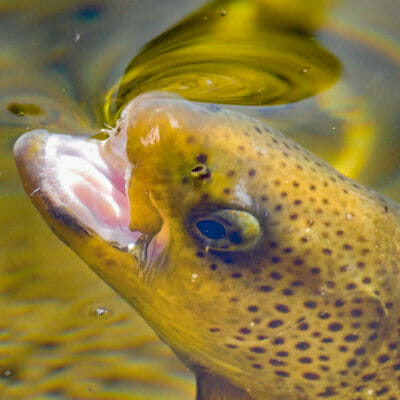
“I felt this was an important chapter of history to experience and record,” said Daniel Ritz. “When I personally started to learn more about the history and status of the West’s native species, I quickly realized how change in the West since the arrival of Europeans and the health of its trout species were intertwined. I also quickly realized I was not the only angler, let alone citizen, who wasn’t aware of the state of our native trout.”
Editor’s note: To kick off our education series exploring the complexities of water in the West, we interview author and TU’s water policy associate for its Western Water and Habitat Program, Sara Porterfield. How long have you been with TU and what do you work on day-to-day? Sara Porterfield: I started with TU in October…
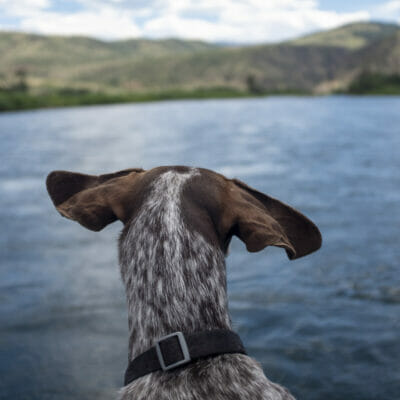
Pardon my preference to the canine companions we all love so much but it’s true. When you bring a dog on a boat, or in our case a barge sized raft loaded to the gills with camping equipment, you often spend your day receiving smiles and waves from complete strangers. Who doesn’t love that?
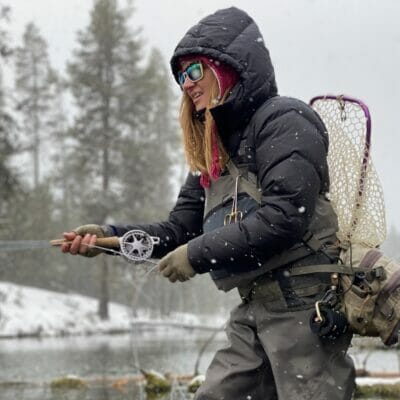
I often lie when I’m asked when I’ll be home from fishing. I’ve learned to not answer the question until I’m in my car driving home. It’s so hard to leave the river. There’s always another bend, another puzzle, more wildlife. I almost rather not go at all than to leave!
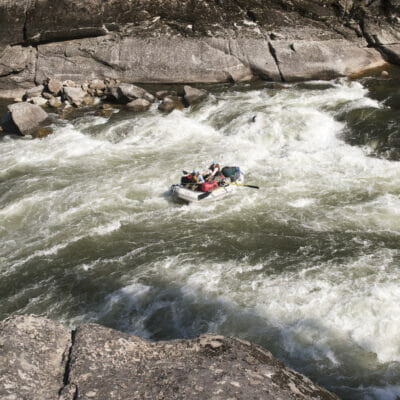
Growing up as a midwestern kid from the suburbs I didn’t know much about the outdoors. Being from Ohio we didn’t camp a lot. Rivers were a bit foreign to our family of six. Don’t get me wrong, we fished, swam and rode bikes until the streetlights came on but there’s nothing in that equation that prepared me for navigating moving water.
“I knew the bugs would be smashed up against the bank and the angle and light would all be just right, but I was in pain. I ended up arguing with myself but seeing the shot already in mind forced me to get up and be a functioning human being. I knew if I didn’t go then, I would miss it. Things couldn’t have worked out any better. I owe that to the river.”